Chorizo stands as one of the most versatile and flavorful sausage options available in modern kitchens. Whether you’re preparing a quick weeknight dinner or crafting an impressive dish for guests, understanding this ingredient opens doors to countless culinary possibilities. This comprehensive guide explores everything you need to know about selecting, preparing, and cooking chorizo, along with proven recipes that showcase its remarkable versatility.
Understanding Chorizo: Origins and Varieties
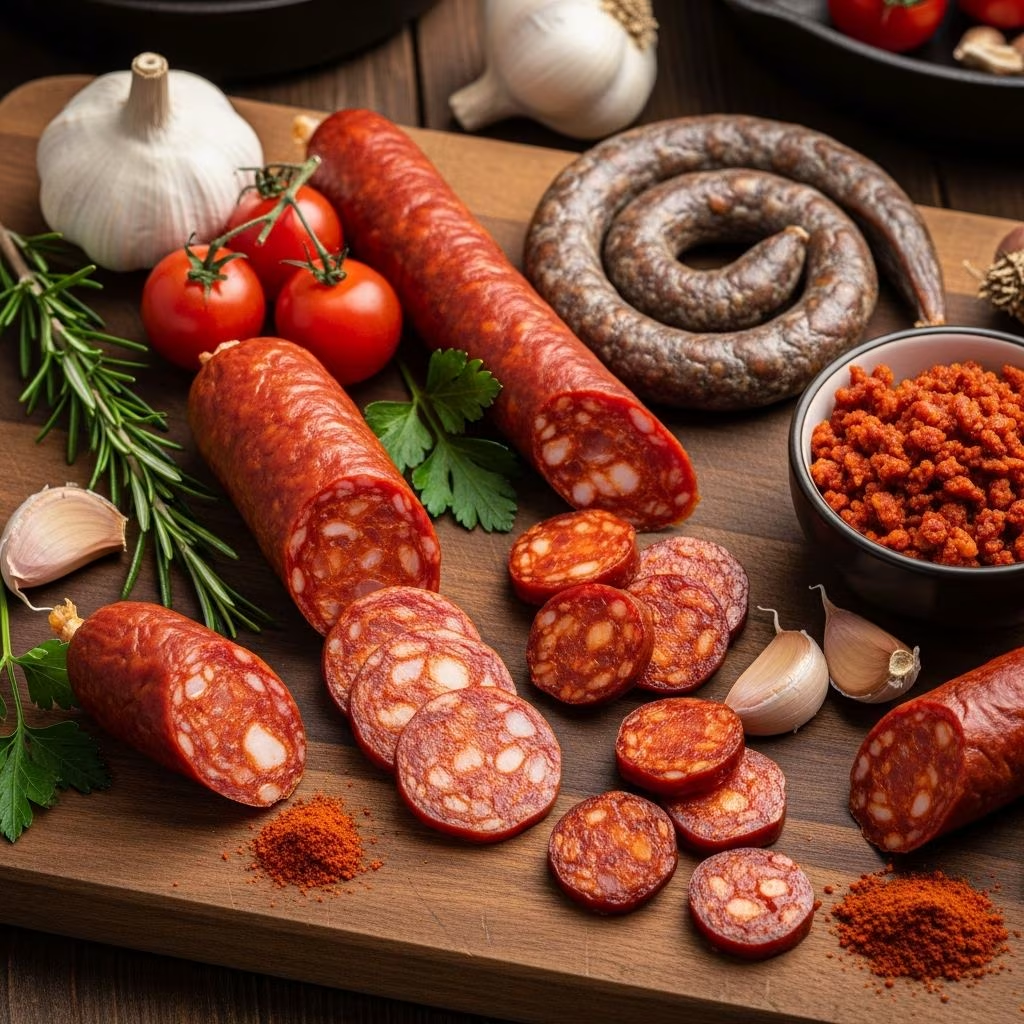
Chorizo represents a family of cured and fresh sausages with roots extending across multiple cultures and continents. Spanish chorizo differs significantly from Mexican varieties, each bringing unique characteristics to the table. Spanish versions tend to be heavily spiced with smoked paprika, lending them a distinctive reddish hue and complex flavor profile. Mexican chorizo, by contrast, frequently incorporates fresh chiles, Mexican oregano, and vinegar, creating a spicier, more pungent experience.
The sausage composition varies dramatically depending on regional traditions and manufacturing processes. Some producers rely on pork as the primary meat, while others experiment with chicken, beef, or blended options. Understanding these distinctions helps home cooks select the appropriate variety for specific dishes and dietary preferences.
Essential Flavor Components and Seasoning Profile
The distinctive taste of quality chorizo emerges from a carefully balanced combination of spices and ingredients. Chile powders form the foundation, with many recipes incorporating two or more varieties to achieve layered complexity. Mexican oregano adds an earthy undertone that distinguishes chorizo from other seasoned sausages. Paprika—available in both sweet and smoked varieties—provides color and subtle sweetness or depth depending on the type selected.
Additional flavor contributors include garlic, black pepper, and vinegar, which work together to create the salty, tangy notes characteristic of traditional preparations. Fresh variations may include additional moisture and milder seasoning, while cured options develop concentrated flavors through extended aging processes. Understanding these components helps home cooks appreciate why quality chorizo elevates dishes beyond simple protein additions.
Purchasing and Storage Considerations
Selecting chorizo requires attention to several key factors. Fresh chorizo comes encased in natural or synthetic casings and requires refrigeration or freezing, similar to other fresh sausages. Cured varieties offer extended shelf stability and can often be stored at room temperature, though refrigeration remains ideal for maintaining optimal quality and safety. When purchasing, examine the casing for any signs of leakage or discoloration, and check expiration dates carefully.
Storage methods significantly impact how long chorizo remains fresh and flavorful. Fresh chorizo typically keeps for three to five days in the refrigerator but freezes successfully for several months. Cured chorizo maintains quality longer in the refrigerator and can be frozen for extended storage. Proper wrapping prevents freezer burn and oxidation, which can compromise both flavor and texture.
Fundamental Cooking Techniques and Methods
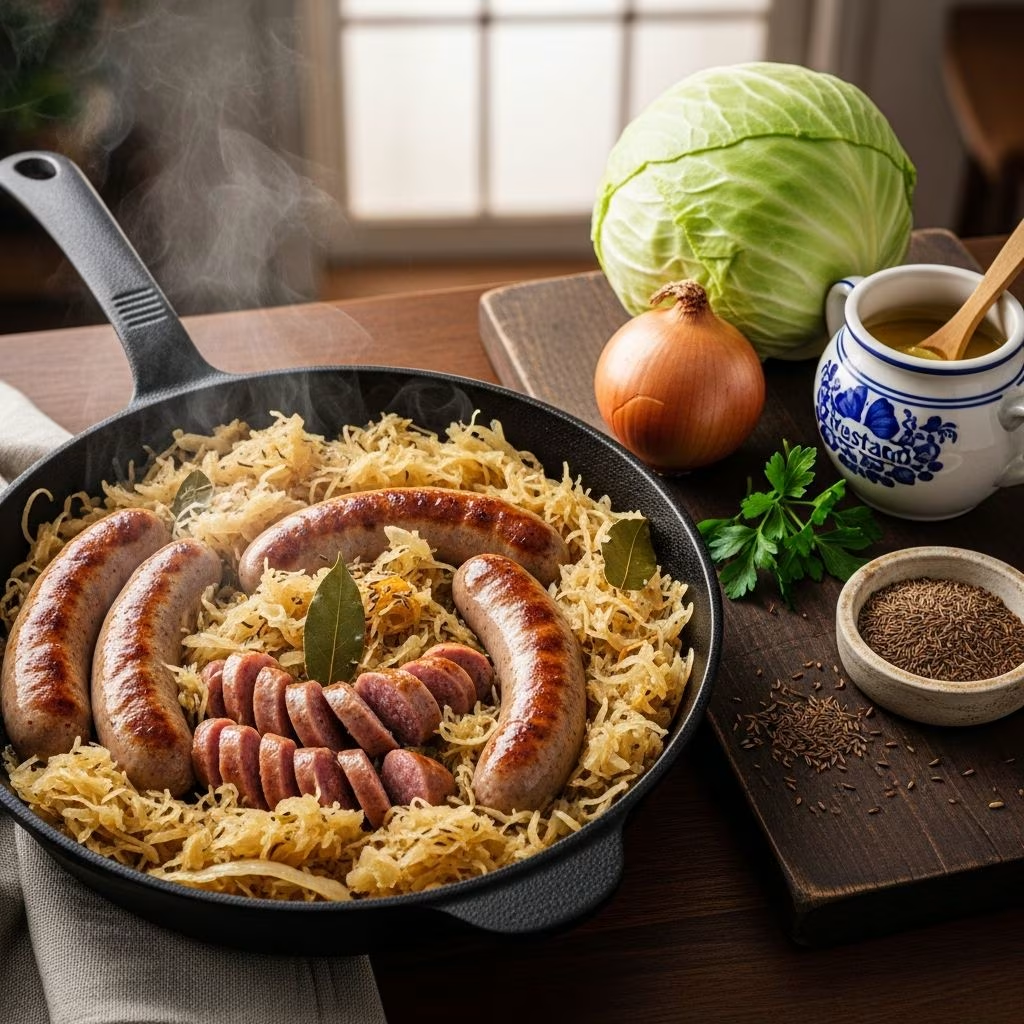
Chorizo’s cooking method depends largely on the variety and desired application. Whole links can be seared in a skillet over medium-high heat until the exterior develops color and the interior reaches proper temperature. This approach works particularly well when the cooked sausage will be sliced and incorporated into other dishes. Removing the casing allows the chorizo to crumble, distributing its flavors throughout dishes like rice, soups, and scrambled preparations.
Pan-frying ground chorizo or crumbled links requires only light oil, as the sausage releases considerable fat during cooking. Medium heat prevents the exterior from burning before the interior cooks through. Stirring occasionally ensures even cooking and helps break chorizo into smaller, more evenly distributed pieces. Draining excess fat afterward allows home cooks to control the final dish’s richness.
Grilling offers another excellent preparation method for whole links, creating attractive char marks and slightly crispy exteriors. Oven roasting works well for larger quantities, and simmering in broths extracts flavors while keeping the sausage moist and tender. Each technique yields different results, and choosing appropriately based on the intended final dish ensures optimal outcomes.
Appetizer Applications and Entertaining Ideas
Chorizo transforms simple ingredients into impressive appetizers suitable for any gathering. Stuffed mushrooms represent a Spanish-inspired option featuring large white mushroom caps filled with chorizo, onions, breadcrumbs, and Manchego cheese. This combination delivers robust flavors while maintaining an elegant presentation that suits formal dinner parties equally well as casual entertaining.
Bruschetta preparations showcase chorizo’s versatility in lighter applications. Toasted French baguette slices topped with ground chorizo, fresh tomatoes, onions, and garlic—all finished with melted Swiss cheese—create a warm, savory bite. These can be prepared in advance and baked just before serving, making them ideal for hosts managing multiple dishes.
Stuffed jalapeños filled with chorizo, cream cheese, and smoky Gouda cheese offer a spicier option for guests who enjoy heat. The combination of creamy filling and savory sausage balances the jalapeño’s natural fire, creating an addictive appetizer that disappears quickly.
Main Course Creations and One-Dish Meals
Chorizo Rice Skillet Dinner exemplifies how this ingredient creates complete meals in a single pan. Combining chorizo with rice, vegetables, and broth produces a dish that’s simultaneously budget-friendly and deeply satisfying. The sausage releases flavorful oils that infuse the rice while cooking, requiring minimal additional seasoning. Green peppers, corn, and tomatoes with green chiles add color, nutrition, and complementary flavors.
Pasta dishes gain new dimensions when chorizo enters the equation. Combining sliced chorizo with spaghetti, cherry tomatoes, garlic, and fresh herbs creates a rustic main course that feels both elegant and approachable. Adding white wine and seafood like mussels or clams transforms this into a sophisticated dinner option suitable for special occasions.
Chorizo tacos offer versatility in both presentation and filling components. Whether served on traditional corn tortillas or fresh flour varieties, the cooked sausage combines beautifully with grilled onions, roasted green chiles, cheese, and fresh accompaniments. This platform allows diners to customize their meal while the chorizo anchors the flavor profile.
Breakfast and Brunch Possibilities
Scrambled eggs with chorizo create a protein-packed breakfast that works for casual family mornings or impressive brunches. The sausage’s rendered fat cooks the eggs beautifully while flavoring each bite. Adding fresh herbs, cheese, and tortilla chips creates textural interest and elevates the dish beyond basic preparation.
Chorizo frittatas combine the sausage with eggs, Manchego cheese, and roasted asparagus for a sophisticated brunch dish that can be prepared ahead and gently reheated. This one-pan approach simplifies entertaining and ensures all guests enjoy the same quality preparation.
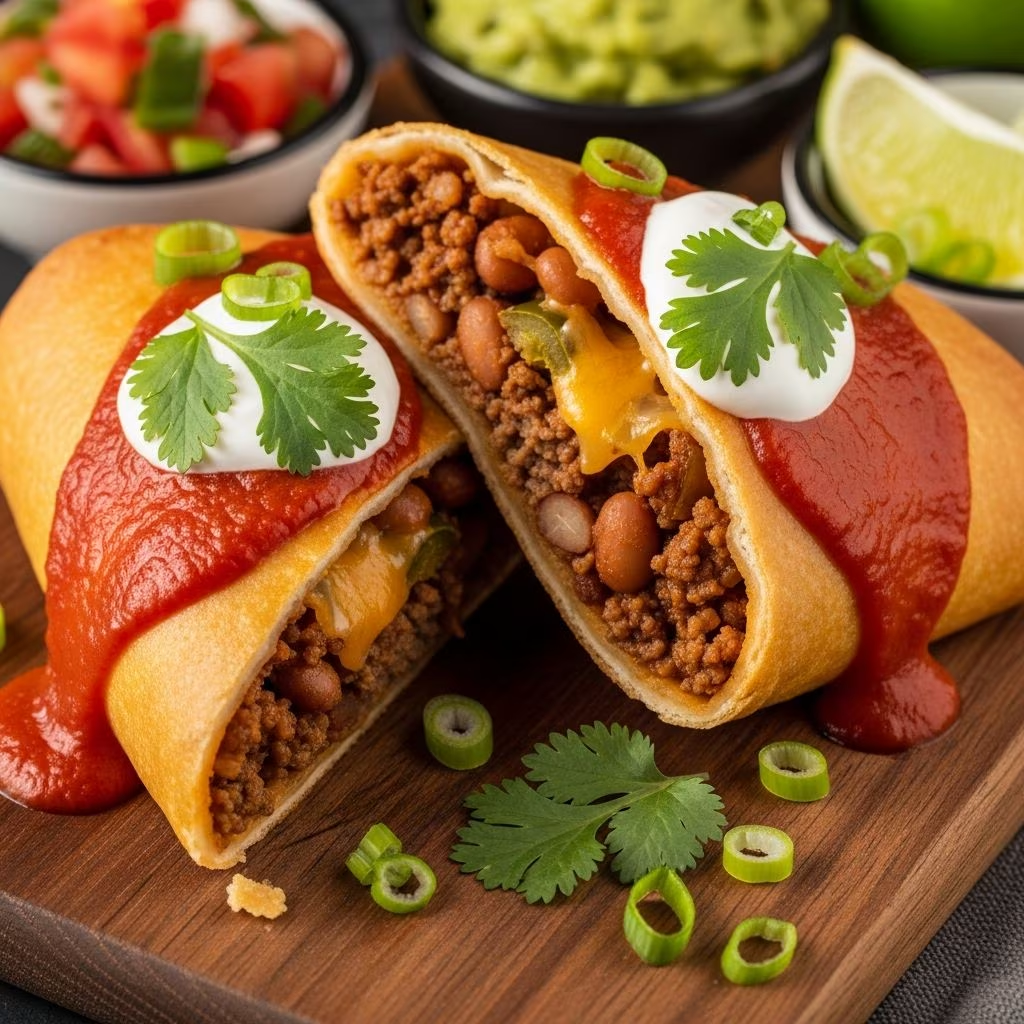
Breakfast burritos wrapped in flour tortillas contain chorizo, scrambled eggs, beans, cheese, and various toppings, creating portable meals perfect for busy mornings or meal prep situations. The sausage’s bold flavors anchor the construction while complementing other components seamlessly.
Soups, Stews, and Slow-Cooked Preparations
Chorizo elevates soup applications through its concentrated flavors and fat content. Chickpea and chorizo soup combines legumes with sausage for a hearty, protein-rich option. The chorizo flavors permeate the broth while maintaining textural distinction. Clam chowder incorporating chorizo creates an unexpected fusion that marries traditional seafood preparation with Spanish influences.
Chorizo shakshuka presents Middle Eastern and Spanish traditions merging through eggs poached in a chorizo-and-tomato sauce. This flexible dish accommodates various vegetables and spice levels based on available ingredients and personal preferences.
Flavor Combinations and Ingredient Pairings
Successful chorizo applications typically combine the sausage with complementary ingredients that either balance or enhance its bold character. Dairy products including cheese, cream cheese, and sour cream temper heat while adding richness. Mexican oregano, cumin, and chili powder echo the sausage’s existing seasonings and create cohesive flavor profiles.
Fresh vegetables including onions, tomatoes, and peppers provide textural contrast and brightness. Acidic components like vinegar, lime juice, and wine cut through richness and prevent monotone richness. Legumes including beans and chickpeas add substance and create satisfying combinations that feel complete without excessive meat quantities.
The following table illustrates common pairing combinations:
| Primary Application | Complementary Ingredients | Best Cooking Method |
|---|---|---|
| Rice Dishes | Peppers, onions, tomatoes, broth | Skillet cooking or oven baking |
| Pasta Preparations | Garlic, fresh herbs, white wine, seafood | Pan-frying with simmering |
| Breakfast Items | Eggs, cheese, peppers, tortillas | Skillet cooking or baking |
| Appetizers | Bread, cheese, fresh herbs | Roasting or pan-frying |
| Soups and Stews | Beans, vegetables, broth, spices | Simmering or slow cooking |
Nutritional Considerations and Dietary Modifications
Chorizo delivers significant protein and fat, making it calorie-dense but highly satiating. One ounce of chorizo typically contains approximately 120 calories with substantial protein content. The sausage’s fat profile includes both saturated and unsaturated fats, with the balance depending on meat composition and processing methods.
Home cooks watching fat intake can select leaner ground chorizo varieties or drain excess fat after cooking. Using smaller quantities while incorporating additional vegetables maintains flavor while reducing overall caloric density. Ground chicken chorizo offers a lighter alternative maintaining authentic flavoring.
Those following specific dietary protocols should verify ingredients, as some commercial varieties contain additives or sugar. Purchasing from trusted sources or making chorizo at home ensures complete ingredient transparency and control.
Frequently Asked Questions
How do you know when chorizo is fully cooked?
Properly cooked chorizo reaches an internal temperature of 160°F (71°C). The exterior should display caramelized browning, and no pink remains visible in the interior when sliced.
Can you eat chorizo without cooking it?
Cured chorizo can be eaten uncooked, similar to other cured sausages. Fresh chorizo must be cooked before consumption to eliminate potential foodborne pathogens.
What’s the difference between Mexican and Spanish chorizo?
Spanish chorizo emphasizes smoked paprika and often remains uncased as a firmer preparation. Mexican chorizo incorporates fresh chiles and vinegar, typically comes in casings, and features a fresher, spicier profile.
How long does homemade chorizo last?
Fresh homemade chorizo keeps three to five days refrigerated or several months frozen. Proper storage in airtight containers prevents freezer burn and oxidation.
Can you substitute chorizo in recipes calling for other sausages?
Chorizo’s distinctive flavor makes direct substitution inappropriate for most applications. Its bold character dominates dishes designed for milder sausages, potentially overwhelming delicate flavors.
Tips for Maximizing Flavor and Success
Proper heat management prevents chorizo from burning while ensuring adequate cooking. Medium to medium-high temperatures allow gradual rendering of fat and thorough interior cooking without exterior charring. Allowing cooked chorizo to rest briefly before serving distributes juices evenly throughout the meat.
Don’t drain all rendered fat when preparing ground chorizo applications—this flavored oil enhances subsequent components and shouldn’t be discarded entirely. Balance richness with acidic or fresh elements preventing heavy, monotone results. Taste dishes before aggressive seasoning, as chorizo contributes substantial salt and spice.
Quality sourcing matters significantly. Purchase from reputable suppliers who can describe their products’ specific origins and ingredient compositions. Fresh chorizo should smell pleasantly spiced without off-odors, while properly cured varieties display uniform color and intact casings.
Conclusion
Chorizo represents an exceptional ingredient deserving regular attention in home cooking. Its versatility spans multiple cuisines and cooking techniques, adapting to countless applications from simple preparations to impressive entertaining dishes. By understanding fundamental selection and cooking principles while exploring proven recipes and creative combinations, home cooks can confidently incorporate this flavorful sausage into their regular rotation. Whether creating weeknight comfort meals or sophisticated dinner party centerpieces, chorizo delivers reliable satisfaction and memorable taste that justifies its prominent place in contemporary kitchens.
References
- 10 Unique Chorizo Recipes — Premio Foods. https://www.premiofoods.com/10-unique-chorizo-recipes/
- Best Recipes Using Chorizo Sausage — This Is How I Cook. https://thisishowicook.com/best-recipes-using-chorizo-sausage/
- 12 Chorizo Recipes You Need to Try — Always Order Dessert. https://www.alwaysorderdessert.com/2018/03/12-chorizo-recipes-you-need-to-try.html
- Chorizo Rice Skillet Dinner — 5 Dollar Dinners. https://www.5dollardinners.com/chorizo-rice-skillet-dinner/