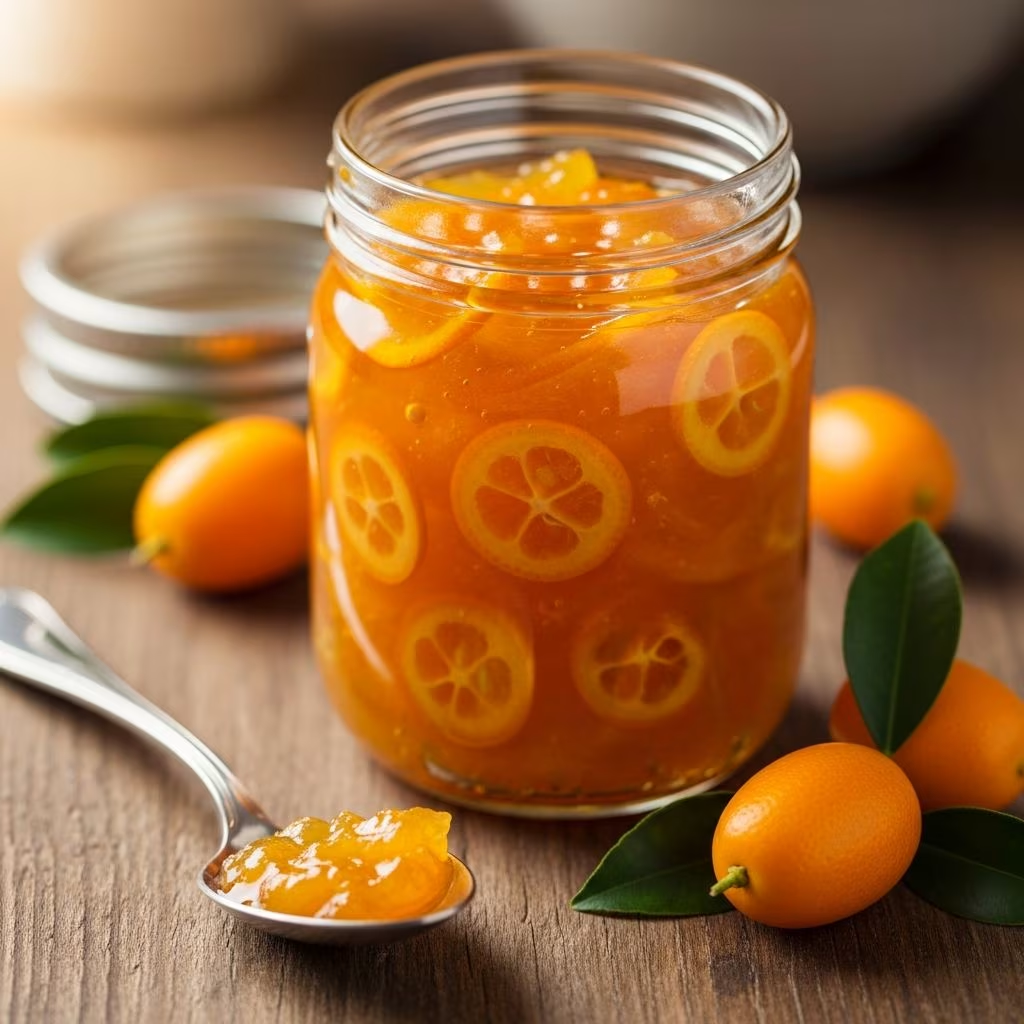
Transform humble kumquats into a radiant, flavorful marmalade that captures the essence of winter citrus. This preserve boasts an intense orange hue, a symphony of sweet-tart notes, and tiny fruit slices suspended in a glossy gel—ideal for slathering on toast, glazing meats, or gifting to friends.
The Allure of Kumquats in Preserving
Kumquats stand out among citrus fruits because their thin, edible skin delivers a burst of essential oils, blending sweetness from the flesh with a gentle bitterness from the rind. Unlike larger oranges or lemons, these petite gems require no peeling, making them perfect for marmalade where texture and flavor intensity matter most.
Seasonal availability peaks from late fall through early spring, offering home cooks a chance to experiment with this underappreciated fruit. The result? A versatile condiment that elevates everyday meals and adds sophistication to baked goods.
Selecting and Preparing Perfect Kumquats
Choose firm, brightly colored kumquats without soft spots or blemishes. Rinse them thoroughly under cool water to remove any residue. The prep work is the most time-intensive part, but it’s crucial for seed-free, evenly textured marmalade.
- Wash kumquats and pat dry.
- Roll each fruit gently on a cutting board to release oils.
- Quarter lengthwise, flick out seeds with a knife tip.
- Slice quarters into thin pieces—aim for 2 generous cups prepared fruit.
This meticulous seeding prevents gritty bits in the final product while allowing natural pectins from the seeds to aid setting if desired.
Essential Ingredients for Balanced Flavor
A classic recipe hinges on simplicity: prepared kumquats, lemon for brightness, sugar for sweetness and gelling, and water to create the syrup base. Optional additions like a pinch of cayenne or star anise introduce subtle warmth or spice.
| Ingredient | Quantity | Purpose |
|---|---|---|
| Prepared kumquats | 2 cups | Main flavor and texture base |
| Lemon zest & juice | From 1 lemon | Acidity and aroma boost |
| White sugar | 1 cup | Sweetness and thickening agent |
| Cold water | 1 cup | Syrup formation |
| Optional: Cayenne or star anise | Pinch or 1 pod | Depth and intrigue |
Step-by-Step Cooking Guide
Combine prepared kumquats, lemon zest, juice, sugar, water, and spices in a saucepan. Let the mixture rest for 2-4 hours (or overnight) at room temperature. This maceration draws out juices and begins breaking down the fruit.
- Bring to a simmer over medium-high heat, stirring occasionally.
- Reduce to medium heat; cook 30-45 minutes until thickened, stirring to prevent sticking.
- Test doneness: Spoon a bit onto a chilled plate; it should wrinkle when nudged after freezer time. Or aim for 215-220°F (102-104°C).
- Remove star anise if used; ladle into sterilized jars.
Yield: About 2 cups or two half-pint jars. Process in a boiling water bath for 10 minutes for shelf stability.
Advanced Techniques for Pro Results
For deeper flavor, blanch kumquat slices first: boil briefly, drain, and repeat to soften rinds. Incorporate reserved seeds tied in cheesecloth during cooking to extract natural pectin, squeezing them out at the end.
Adjust sugar based on fruit sweetness—taste the raw mix and add incrementally. A splash of kirsch or ginger pulp post-cook enhances complexity without overpowering the citrus profile.
Flavor Variations to Explore
- Ginger Twist: Grate 1 tablespoon fresh ginger; simmer with 1¾ pounds kumquats, ⅓ cup water, 1¼ cups sugar for 40 minutes.
- Lemon-Infused: Thinly slice 2 lemons, blanch, and combine with 1 pound kumquats, 5½ cups water, 2 cups sugar; steep 24 hours.
- Spiced Edition: Add thyme leaves or a cinnamon stick during simmering for herbal notes.
- Low-Sugar Option: Use half sugar, half honey; extend cooking for natural set.
Storage and Shelf Life Tips
Cool jars completely before sealing. Refrigerate for up to 3 months or store in a cool, dark pantry for 1 year if properly canned. Check seals: lids should not flex. Always inspect for spoilage before use—discard if moldy or off-smelling.
Creative Ways to Enjoy Your Marmalade
Beyond toast, pair with cheese boards, swirl into yogurt, or brush on roasted chicken. In baking, it glazes scones or fills thumbprint cookies. For cocktails, rim glasses or muddle into drinks for citrus zing.
Common Pitfalls and Fixes
| Issue | Cause | Solution |
|---|---|---|
| Runny texture | Undercooked or low pectin | Reboil with lemon juice; use seed bag next time |
| Bitter taste | Overripe fruit or thick rinds | Blanch rinds; balance with more sugar |
| Separated fruit | Insufficient stirring | Cook low and slow, stir frequently |
| Cloudy color | Impure water or seeds | Use filtered water; seed meticulously |
Frequently Asked Questions
Can I use frozen kumquats?
Yes, thaw and drain excess liquid to avoid watery marmalade. Prep as usual.
Is canning necessary?
Not for short-term fridge storage, but water bath canning ensures safety for pantry stocking.
How do I know when it’s set?
Chilled plate test or thermometer at 220°F. Wrinkles indicate perfect gel.
Can I double the recipe?
Best in small batches for even cooking; scale up cautiously.
Vegetarian/vegan friendly?
Fully plant-based as is.
Nutritional Snapshot
Per tablespoon: ~50 calories, 12g carbs (mostly sugar), trace fiber from fruit rinds. Rich in vitamin C from citrus.
References
- Kumquat Marmalade — David Lebovitz. 2010-01-15. https://www.davidlebovitz.com/kumquat-marmalade-recipe/
- Kumquat Marmalade – Beautiful, Delicious, and Almost Easy to Make — Food Wishes (Chef John). 2016-04-01. https://foodwishes.blogspot.com/2016/04/kumquat-marmalade-beautiful-delicious.html
- Kumquat Marmalade with Ginger — Cooking on the Weekends. 2020-12-04. https://cookingontheweekends.com/friday-flowers-santa-barbara-daisies-and-kumquat-ginger-preserves/