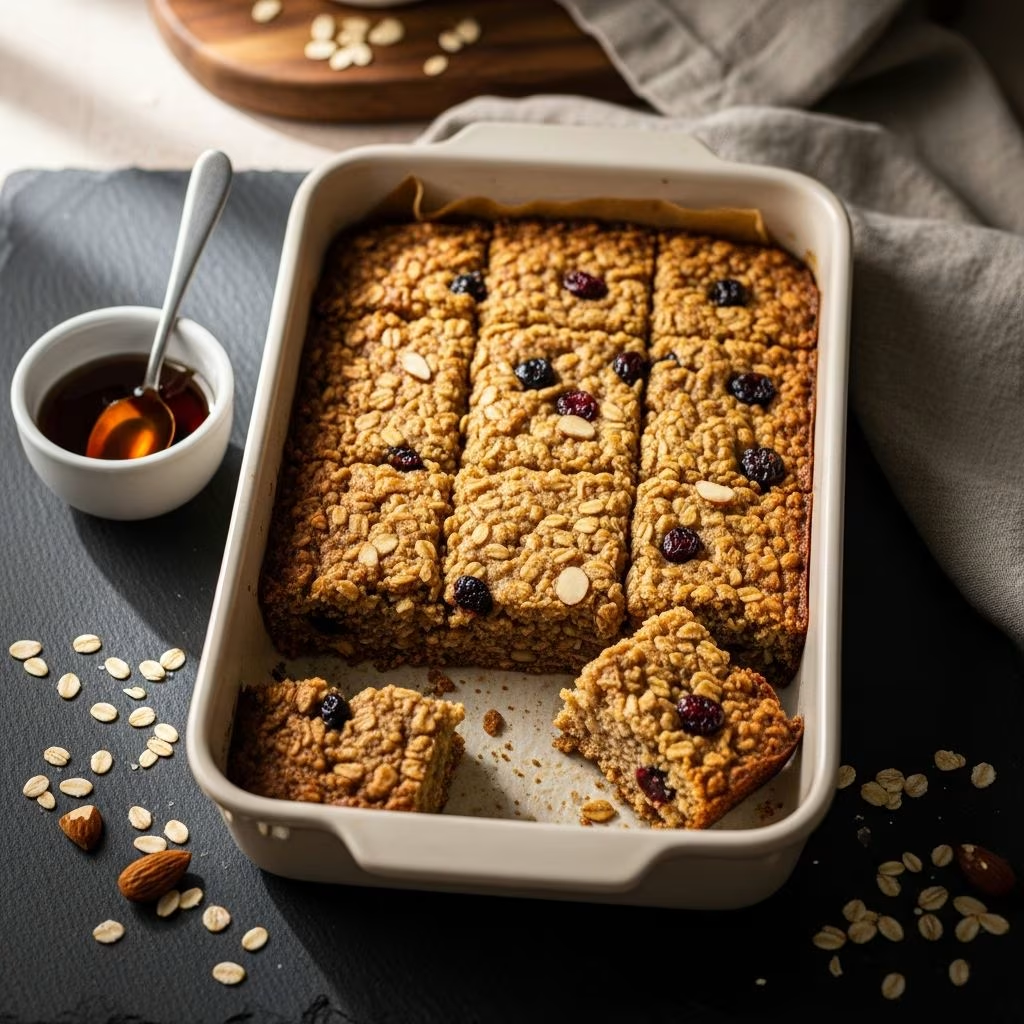
Mornings can be hectic, and finding time to prepare a nutritious breakfast often takes a backseat to other priorities. However, with the right approach, you can establish a convenient solution that works throughout your entire week. Baked oatmeal bars offer the perfect answer—a wholesome, portable breakfast option that combines simplicity with nutrition. These bars can be prepared in advance, stored in your refrigerator, and grabbed whenever you need a quick morning meal.
Understanding the Appeal of Baked Breakfast Oatmeal Bars
The popularity of baked oatmeal bars has grown significantly among individuals seeking practical breakfast solutions. Unlike traditional oatmeal that requires cooking each morning, these bars are prepared once and portioned into individual servings. This make-ahead approach eliminates daily cooking stress while ensuring you maintain consistent nutrition throughout your week.
The beauty of this breakfast format lies in its versatility and accessibility. Whether you follow a vegan diet, prefer dairy-based recipes, or have specific ingredient preferences, you can customize the bars to align with your nutritional goals. The recipe accommodates various dietary patterns without sacrificing flavor or texture.
Core Ingredients That Form Your Base
Creating quality baked oatmeal bars begins with understanding the essential components that contribute to their structure and taste. The foundation consists of rolled oats, which provide dietary fiber and create the characteristic texture these bars are known for.
- Rolled Oats – The primary ingredient that forms the structure of your bars, typically requiring between 1.5 to 3 cups depending on your recipe ratio
- Binding Agents – Eggs serve as natural binders that help hold ingredients together, creating a cohesive bar texture
- Liquid Components – Milk (dairy or plant-based), applesauce, or yogurt add moisture and contribute to the overall consistency
- Natural Sweeteners – Options include honey, maple syrup, or granulated sugar, with each offering distinct flavor profiles
- Flavor Enhancers – Cinnamon, vanilla extract, and salt create depth and balance in your final product
- Optional Mix-Ins – Nuts, dried fruits, chocolate chips, and seeds allow for personalization and added nutrition
Preparation Steps for Optimal Results
Successful baked oatmeal bars require attention to the preparation process. Following these steps ensures consistent results and proper texture development.
Setting Up Your Workspace
Begin by preheating your oven to 350°F. This temperature has proven effective across numerous recipes and variations, though some recipes suggest 325°F for gentler baking. While your oven reaches the desired temperature, prepare your baking vessel by lining an 8-inch square pan with parchment paper. This step simplifies removal and prevents sticking. Ensure the parchment extends beyond the pan edges—this allows you to lift the entire batch out as one block before slicing.
Combining Wet Ingredients
In a large mixing bowl, whisk together your wet ingredients until thoroughly combined. This typically includes mashed banana, eggs, milk, sweetener, and vanilla extract. Using an immersion blender or standing mixer creates a smoother consistency that distributes more evenly throughout your dry ingredients. The texture should appear uniform before proceeding to the next step.
Integrating Dry Components
In a separate bowl, combine rolled oats, flour (if using), cinnamon, baking powder, and salt. Some recipes call for adding nuts and dried fruit at this stage, while others suggest reserving these for topping. Decide your approach based on personal preference—incorporating mix-ins throughout creates more even distribution, while topping creates textural contrast.
Bringing Everything Together
Pour your wet mixture into the dry ingredients and fold until just combined. Overmixing can result in tough, dense bars, so gentle folding proves preferable to vigorous stirring. Transfer the batter to your prepared pan and smooth the surface evenly.
Baking Guidelines and Timing
The baking duration typically ranges from 22 to 45 minutes depending on your recipe formulation and oven characteristics. Recipes with higher moisture content may require extended baking time. Insert a toothpick into the center—it should come out clean or with just a few moist crumbs when properly baked.
Watch for visual cues during the final minutes. The edges should appear lightly golden, and the center should feel set when gently pressed. If your bars still jiggle noticeably in the middle, continue baking for an additional 5 minutes before checking again.
Cooling and Storage Techniques
After removing your pan from the oven, resist the urge to slice immediately. Allowing the bars to cool in the pan for 10 minutes helps them set properly and develop cleaner edges when cut. During this resting period, the internal structure continues to stabilize, preventing crumbling when you slice.
Once initial cooling completes, transfer the entire block to a cooling rack if possible, or simply let it cool completely in the pan. Fully cooled bars slice much more cleanly than warm ones. Use a sharp knife and wipe it between cuts for the neatest presentation.
Storage recommendations include keeping your bars in an airtight container within your refrigerator for up to five days. You can also freeze individual bars for longer preservation—simply wrap each bar in plastic wrap and place in a freezer-safe container. Frozen bars thaw at room temperature within 30 minutes or heat individually in the microwave for 45 seconds.
Customization Options and Variations
The flexibility of this recipe allows countless variations to suit different preferences and dietary needs. Consider these popular modifications:
| Variation Type | Ingredient Swaps | Flavor Profile |
|---|---|---|
| Nut-Based | Replace half the oats with almond flour; add chopped walnuts or almonds | Richer, nutty undertone |
| Fruit-Forward | Mix dried cranberries, raisins, dates, or figs throughout | Naturally sweet, slightly tart |
| Chocolate Lover | Fold in semi-sweet or dark chocolate chips before baking | Indulgent, slightly sweet |
| Protein-Enhanced | Use Greek yogurt for liquid component; add hemp seeds | Creamy, nutritionally dense |
| Banana-Centric | Use mashed banana as primary liquid; add peanut butter | Classic, familiar warmth |
Nutritional Considerations
Baked oatmeal bars provide substantial nutritional benefits when formulated thoughtfully. Oats contribute significant amounts of soluble fiber, which supports digestive health and provides prolonged satiety. Eggs deliver complete proteins containing all nine essential amino acids.
The inclusion of nuts and seeds adds healthy fats and additional micronutrients including magnesium, zinc, and omega-3 fatty acids. When using natural sweeteners like honey or maple syrup instead of refined sugar, you reduce rapid blood sugar spikes that can impact sustained energy levels throughout your morning.
A typical serving of homemade baked oatmeal bars contains approximately 150-200 calories, though this varies based on specific ingredients and portion size. The macronutrient balance typically includes 4-8 grams of protein, 25-35 grams of carbohydrates, and 5-10 grams of fat per bar.
Troubleshooting Common Issues
Bars turning out too dense: This often results from overmixing the batter or using old baking powder that has lost potency. Mix gently and ensure your leavening agents are fresh.
Uneven baking with dry edges: Lower your oven temperature by 25 degrees and extend the baking time accordingly. Some ovens run hot, causing faster exterior cooking before the center sets.
Bars falling apart when sliced: The mixture likely needs additional binding. Increase your egg quantity by one-quarter to one-half egg, or reduce the dry ingredient proportion slightly.
Insufficient sweetness: Rather than adding more sweetener, which can impact texture, incorporate sweeter mix-ins like dates, raisins, or chocolate chips.
Frequently Asked Questions
Can I make these bars vegan?
Yes, replace eggs with flax eggs (one tablespoon ground flaxseed plus three tablespoons water per egg) and use plant-based milk. Applesauce also serves as an excellent egg substitute.
How long do baked oatmeal bars stay fresh?
Refrigerated bars maintain quality for four to five days. Frozen bars remain good for up to three months when properly wrapped.
Can I prepare the batter the night before?
Yes, mix your batter in a covered container and refrigerate overnight. Add five to ten additional minutes to your baking time if baking directly from cold.
What gluten-free modifications work best?
Use certified gluten-free rolled oats and replace any wheat flour with a gluten-free flour blend. Ensure all other ingredients lack hidden gluten.
Can I double this recipe?
Doubling works well—simply use a 9×13-inch pan and increase baking time by 10-15 minutes, checking for doneness periodically.
Serving Suggestions and Pairings
While these bars work wonderfully on their own, thoughtful pairings enhance the breakfast experience. Pair your bars with Greek yogurt for additional protein and creaminess. Fresh fruit—particularly berries or sliced bananas—provides vitamins and creates pleasant textural contrast against the chewy bar texture.
A warm beverage complements the bars perfectly. Coffee, herbal tea, or warm milk all pair naturally with this breakfast format. For families with younger members, pairing bars with a glass of milk or fortified plant-based alternative ensures complete breakfast nutrition.
Conclusion
Baked oatmeal breakfast bars represent an intelligent solution for individuals seeking convenient, nutritious morning meals without sacrificing flavor or quality. By understanding the fundamental ingredients, following proper preparation techniques, and exploring customization options, you can create bars that perfectly align with your taste preferences and dietary objectives. The time investment required for preparation pays dividends throughout your week as you enjoy grab-and-go breakfasts that support sustained energy and nutritional goals.
References
- Rolled Oats: Nutritional Composition and Health Benefits — Harvard School of Public Health. 2024. https://www.hsph.harvard.edu/nutritionsource/food-features/oats/
- Dietary Fiber and Digestive Health — Mayo Clinic. 2023. https://www.mayoclinic.org/healthy-lifestyle/nutrition-and-healthy-eating/in-depth/fiber/art-20043983
- Complete Proteins and Essential Amino Acids in Eggs — U.S. Department of Agriculture. 2024. https://fdc.nal.usda.gov/
- Food Safety and Proper Storage of Baked Goods — U.S. Food and Drug Administration. 2023. https://www.fda.gov/food/foodsafety/
- Baking Science: Leavening Agents and Temperature Control — America’s Test Kitchen. 2024. https://www.americastestkitchen.com/