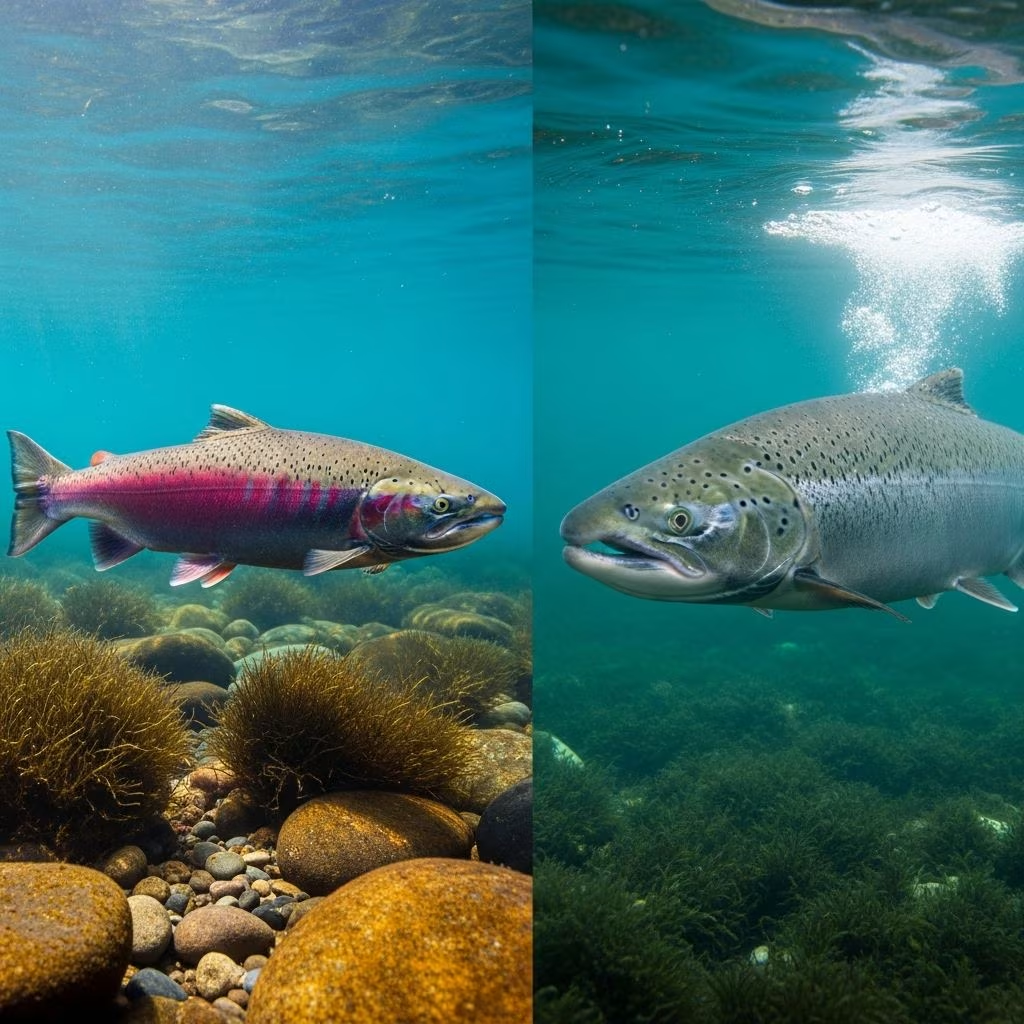
Salmon stands out as a powerhouse of nutrition, packed with omega-3 fatty acids essential for heart health and brain function. Yet, the choice between wild-caught and farmed varieties sparks debate among consumers, nutritionists, and environmentalists. Wild salmon thrives in natural ocean environments, feeding on a diverse diet that shapes its nutrient profile, while farmed salmon grows in controlled pens with formulated feeds. This article delves into their distinctions across nutrition, safety, flavor, sustainability, and affordability to empower your purchasing decisions.
Understanding the Origins of Salmon Varieties
Wild salmon, primarily Pacific species like sockeye, chinook, and coho, migrate vast distances in open waters, consuming krill, shrimp, and small fish. This natural foraging leads to leaner bodies and vibrant flesh colors from astaxanthin in their prey. In contrast, farmed salmon—mostly Atlantic—resides in coastal net pens, fed pellets of fishmeal, oils, and grains to accelerate growth. These systems aim for efficiency but alter the fish’s biology. Globally, farmed production dominates, supplying over 70% of market salmon, driven by demand for consistent supply.
Nutritional Breakdown: A Side-by-Side Analysis
Both types deliver high-quality protein and beneficial fats, but their compositions differ notably. Wild salmon tends to be leaner, offering fewer calories per serving, ideal for weight management. Farmed salmon, with higher fat content, provides more total omega-3s, though the balance shifts toward omega-6s from plant-based feeds.
| Nutrient (per 113g serving) | Wild Salmon | Farmed Salmon |
|---|---|---|
| Calories | ~140 | ~200 |
| Protein | 22g | 23g |
| Total Fat | 5g | 15g |
| Omega-3s | High (balanced ratio) | Higher total, but more omega-6 |
| Calcium | 39mg (4% DV) | 10mg (1% DV) |
| Iron | 1mg (6% DV) | 0.4mg (2% DV) |
Data adapted from comparative studies; wild varieties excel in minerals like calcium and iron from natural diets. The omega-3 to omega-6 ratio in wild salmon aligns closer to ancestral human diets (ideally under 5:1), potentially reducing inflammation risks. Farmed salmon’s elevated omega-6s may dilute these benefits, though overall omega-3 intake remains substantial.
Contaminant Concerns: Safety in Every Bite
Water pollution affects both, but farmed salmon often shows higher levels of persistent organic pollutants (POPs) like PCBs and dioxins from concentrated feeds and waste. One analysis found PCBs 5-10 times higher in farmed than wild salmon, linked to risks like diabetes, obesity, and stroke. Dioxins, neurotoxic at high exposures, appear lowest in wild Pacific salmon.
- PCBs and Dioxins: Farmed fillets tested positive in 70% of U.S. samples, per Environmental Working Group data.
- Antibiotics: Routine use in farms combats infections in crowded pens, fostering resistant bacteria.
- Mercury and Pesticides: Wild salmon generally lower, but varies by region.
Regulatory improvements, like Washington’s feed restrictions, have reduced contaminants in farmed fish recently. Still, experts recommend wild for vulnerable groups—pregnant women, children—due to lower POPs. Removing skin mitigates exposure for both. Health benefits from omega-3s outweigh minimal risks when consumed moderately.
Taste, Texture, and Culinary Appeal
Flavor profiles diverge sharply. Wild salmon boasts a robust, oceanic taste with firm, flaky texture from active lifestyles and natural diets. Its deep red hue signals authenticity, derived from prey carotenoids—no dyes needed. Farmed salmon offers milder, buttery richness from higher fats, appealing to beginners, but can taste “fishy” if feed quality dips.
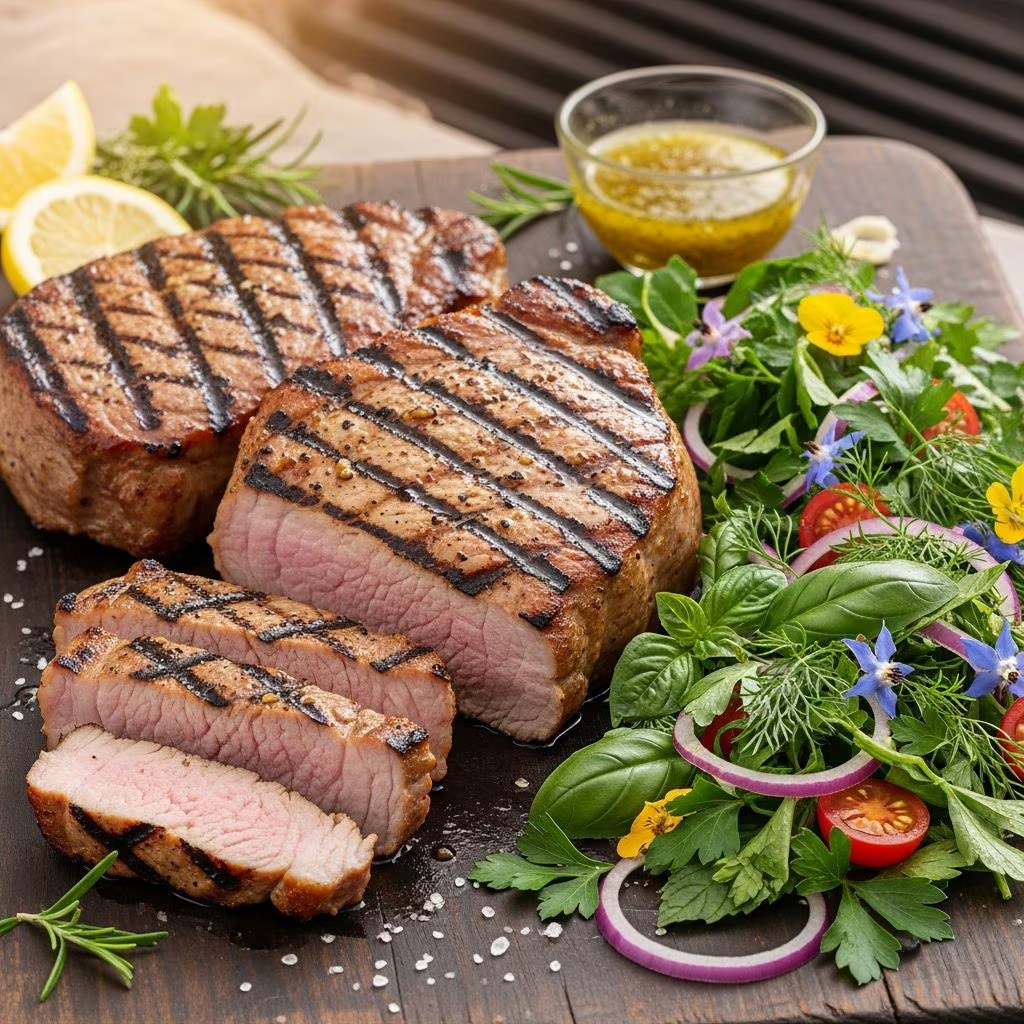
- Wild: Bold flavor, lean texture, ideal for grilling or raw preparations like poke.
- Farmed: Creamy mouthfeel, suits baking or creamy sauces.
Chefs often prefer wild for its complexity, but farmed’s consistency aids large-scale cooking. Synthetic astaxanthin dyes farmed flesh pink; without it, it appears gray.
Sustainability and Environmental Footprint
Wild salmon fisheries, especially Alaskan, employ strict quotas to prevent overfishing, promoting long-term stocks. However, habitat loss from dams and climate change threatens populations. Farmed operations scale supply without depleting wild stocks but raise concerns: escaped fish hybridize with wild, spreading diseases, and pens pollute with waste, harming ecosystems.
Open-net farms contribute to sea lice outbreaks affecting wild juveniles. Land-based or closed-system aquaculture emerges as sustainable alternatives, minimizing impacts. Certifications like ASC or MSC guide eco-conscious buys—look for them on labels.
Price Points and Accessibility
Wild salmon commands premiums—often 2-3 times farmed prices—due to seasonal availability and labor-intensive harvest. Farmed offers year-round affordability, larger fillets, making it practical for families. Budget tip: Frozen wild Alaskan holds quality and value.
| Factor | Wild Salmon | Farmed Salmon |
|---|---|---|
| Price per lb | $20-40 | $8-15 |
| Availability | Seasonal | Year-round |
| Portion Size | Smaller | Larger |
Health Recommendations for Smart Consumption
Aim for 2-3 servings weekly of either, prioritizing variety in seafood intake. Wild edges out for purity and leanness; farmed suits omega-3 boosts on budgets. Vulnerable populations favor wild or low-mercury alternatives like sardines. Pair with veggies for balanced plates.
Frequently Asked Questions
Is farmed salmon safe to eat?
Yes, under FDA guidelines, benefits surpass risks with moderation.
Which has more omega-3s?
Farmed has higher totals, but wild offers superior ratio.
Can farmed salmon be sustainable?
Certified farms reduce impacts; check ASC labels.
How to spot real wild salmon?
Vivid color, firm texture, USDA label verification.
Best cooking methods?
Wild: High-heat sear; Farmed: Gentle poach.
References
- Farm Raised vs. Wild Salmon: Which Is Better & Why — Wild Alaskan Company. 2023. https://wildalaskancompany.com/blog/the-health-profile-of-wild-salmon-vs-farmed-salmon
- Difference Between Wild and Farm-Raised Salmon — WebMD. 2023. https://www.webmd.com/diet/difference-between-wild-and-farmed-salmon
- Which is Better: Wild Salmon or Farmed Salmon? — Healthline. 2023. https://www.healthline.com/nutrition/wild-vs-farmed-salmon
- Wild Salmon vs. Farmed Salmon: What’s the Difference? — North Coast Seafoods. 2023. https://www.northcoastseafoods.com/blogs/know-seafood/farm-raised-vs-wild-caught-salmon
- Fish Faceoff: Wild Salmon vs. Farmed Salmon — Cleveland Clinic. 2023. https://health.clevelandclinic.org/fish-faceoff-wild-salmon-vs-farmed-salmon