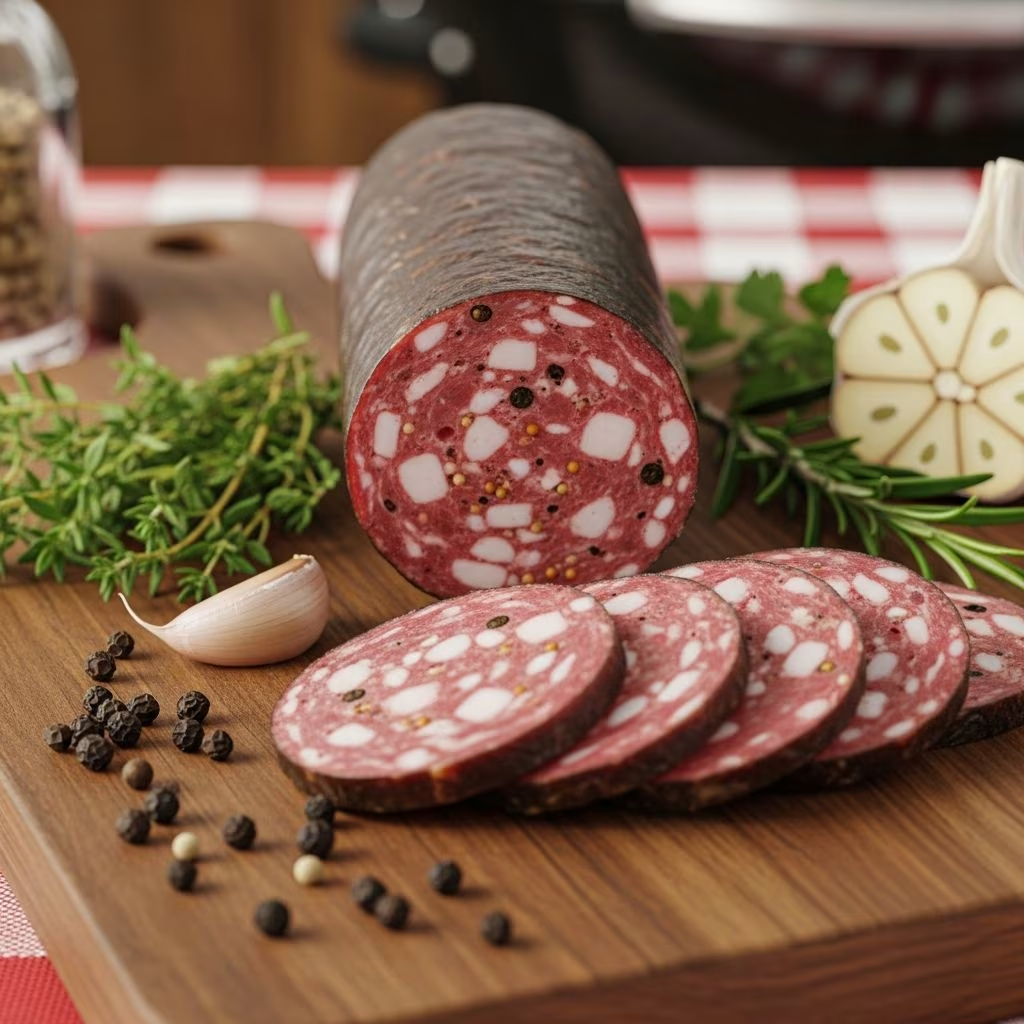
Venison summer sausage stands out as a timeless favorite among hunters and meat enthusiasts, transforming lean deer meat into a robust, flavorful snack that lasts. By blending venison with pork fat and precise seasonings, you create a product that’s smoky, tangy, and versatile for charcuterie boards or trail snacks. This guide draws from proven methods to help you produce professional-quality sausage without specialized equipment.
Why Choose Venison for Summer Sausage?
Deer meat’s naturally low fat content makes it ideal for sausage making when balanced properly. Unlike beef or pork alone, venison offers a wild, earthy taste that shines in cured products. Adding pork ensures moisture retention during curing and cooking, preventing dryness common in pure game meats. Hunters appreciate this recipe for using ground trimmings from the field, reducing waste while yielding high rewards.
Key advantages include extended shelf life through curing salts, customizable flavors with spices like mustard seed and garlic, and options for smoking or oven baking. Whether you’re a novice or seasoned processor, mastering this elevates your game meat preservation game.
Essential Ingredients Breakdown
Success hinges on quality ingredients and correct ratios. Start with fresh, chilled venison—trim away silver skin and sinew for smooth texture. Pork shoulder or trimmings provide necessary fat, typically at a 70-75% venison to 25-30% pork ratio.
| Ingredient | Amount (for 10 lbs meat) | Purpose |
|---|---|---|
| Ground Venison | 7-7.5 lbs | Flavor base, lean protein |
| Ground Pork (shoulder/trimmings) | 2.5-3 lbs | Fat for moisture and binding |
| Curing Salt (Morton Tender Quick or pink salt) | 5 Tbsp or 1 tsp per 5 lbs | Food safety, color, preservation |
| Kosher/Sea Salt | 1-3 Tbsp | Flavor enhancement |
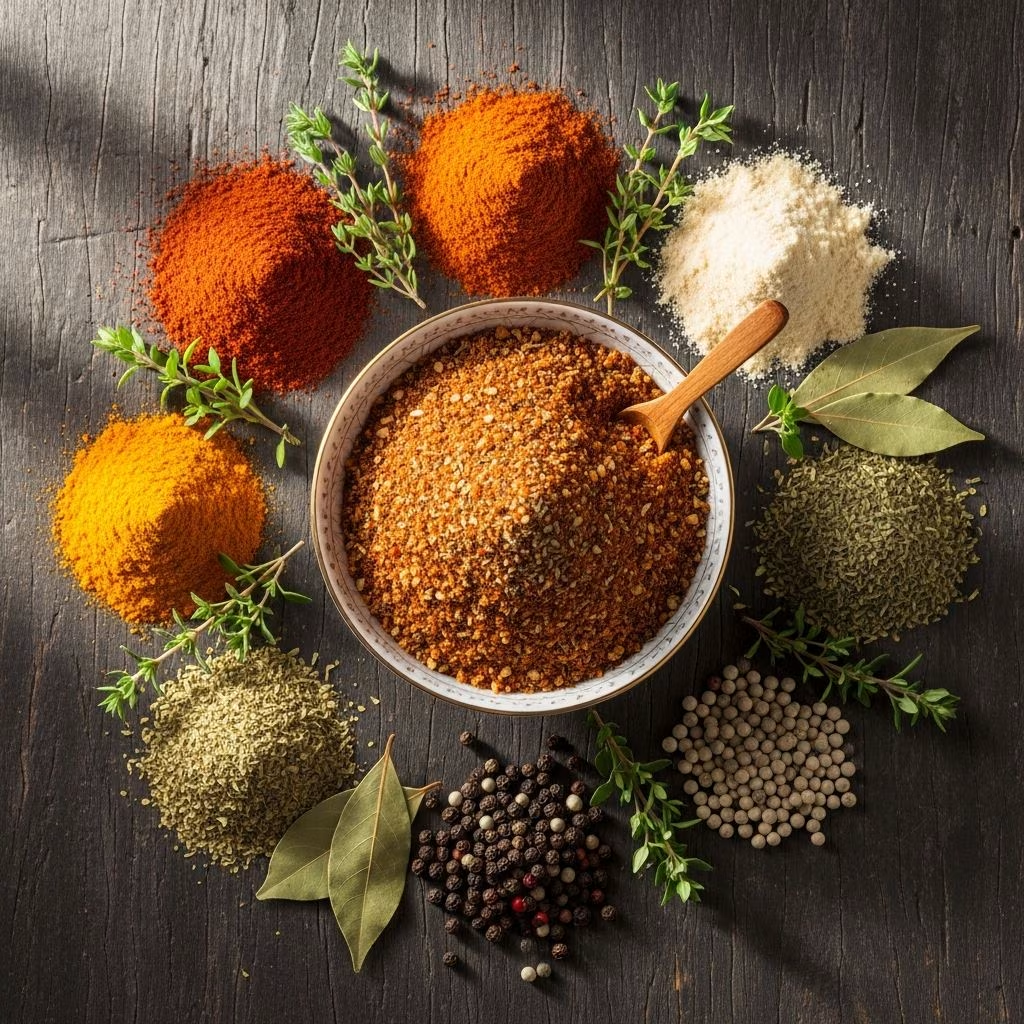
| Mustard Seed (whole) | ⅛ – ½ cup | Texture and mild spice |
| Black Pepper (coarse ground) | ⅛ – 1½ tsp | Heat and aroma |
| Garlic Powder | 1½ Tbsp | Savory depth |
| Sugar or Dextrose | ⅛ – 2 Tbsp | Balances saltiness, fermentation aid |
| Cold Water | 1 cup | Binds seasonings |
| Optional: High-temp cheese, jalapeños | 1-2 cups diced | Flavor variations |
These proportions ensure safety and taste. Curing salts like Tender Quick are crucial for preventing bacterial growth, especially in home processing. Use fermented additives like Fermento for tang without live cultures.
Step-by-Step Preparation Process
Keep everything ice-cold to inhibit bacteria—partially freeze meat for grinding. Here’s a reliable workflow:
- Prep Meat: Cube venison and pork, chill to near-freezing. Grind separately through a coarse plate (⅜-inch), then combine and regrind for even distribution.
- Mix Seasonings: Dissolve curing salt, spices, and sugar in ice water to form a slurry. Incorporate into meat using a stand mixer or hands for 2 minutes until sticky.
- Add Fat/Extras: Fold in diced bacon or back fat last. For cheese varieties, use heat-stable cubes that melt without bursting.
- Rest Phase: Pack mixture into casings or logs, refrigerate 24-48 hours. This allows cure penetration and flavor melding.
Humidity control during rest prevents case hardening. Use fibrous casings (2½-3 inches) for classic shape—they’re sturdy for smoking.
Smoking vs. Oven Baking: Choose Your Method
Traditional smoking imparts authentic flavor, but oven baking suits beginners without smokers.
Smoking Technique
Preheat smoker to 130°F. Hang sausages vertically, introduce smoke (hickory or applewood) gradually. Ramp to 150°F for 1 hour, then 170°F until internal temperature hits 152°F (about 4 hours total). Cold smoke first if fermenting for extra tang.
- Monitor with a probe thermometer—time varies by thickness.
- Shower with cool water post-smoke to set the casing.
Oven Baking Alternative
Form logs (12 inches), place on a foil-lined rack over a sheet pan. Bake at 300°F for 3 hours until 150-165°F internal. No casings needed; wrap in parchment for shape.
Both methods yield safe, sliceable sausage. Smoking adds depth, while baking is foolproof and cleanup-friendly.
Safety First: Best Practices for Home Sausage Making
Game meat can carry parasites, so curing salts are non-negotiable. Maintain temperatures below 40°F during grinding/mixing. Sanitize all surfaces and tools with a 1:10 bleach solution.
- Use a digital thermometer—aim for 152°F minimum internal to kill pathogens.
- Store finished sausage refrigerated (up to 2 weeks) or frozen (6 months).
- Avoid cross-contamination; process one batch at a time.
For high-altitude or humid areas, extend resting by 12 hours. Test small batches first to dial in your setup.
Flavor Variations to Elevate Your Batch
Customize beyond basics:
- Spicy Jalapeño: Add 1 cup diced fresh peppers and extra pepper.
- Cheesy Delight: Mix in 1 lb high-temperature cheddar before stuffing.
- Herb-Infused: Incorporate thyme, basil, or coriander for Mediterranean twist.
- Maple Sweet: Swap sugar for maple syrup, pair with milder smoke.
Experiment post-mastering the base recipe. Grind finer for smoother texture in finer casings.
Equipment You’ll Need
Minimal gear gets you started:
- Meat grinder (manual or electric).
- Sausage stuffer (horn attachment works).
- Digital thermometer.
- Fibrous casings, smoker or oven rack.
- Butcher paper for wrapping logs.
Invest in a vacuum sealer for long-term storage—slices freeze beautifully for quick access.
Storage, Serving, and Pairing Ideas
Cool sausages fully before slicing thin. Vacuum-seal portions for fridge (1-2 months) or freezer (1 year). Serve on crackers with mustard, in sandwiches, or as charcuterie with cheeses and pickles.
Pair with craft beer, red wine, or hearty ales to complement the gamey notes. Grill slices for extra smokiness.
Frequently Asked Questions (FAQs)
What’s the ideal venison-to-pork ratio?
A 75/25 split prevents dryness while preserving wild flavor.
Can I make this without a smoker?
Yes, oven-bake at 300°F to 150°F internal for comparable results.
How long does it rest before eating?
24-48 hours in fridge for curing, plus cool-down post-cook.
Is curing salt necessary?
Absolutely—for botulism prevention and proper color/texture.
Can I use beef instead of pork?
Possible, but pork’s fat content is superior; aim for 80/20 ground beef.
Troubleshooting Common Issues
| Problem | Cause | Solution |
|---|---|---|
| Dry Texture | Too lean | Increase pork/fat to 30% |
| Pale Color | Insufficient cure | Verify measurements, extend rest |
| Case Shrinkage | Overstuffing | Fill firmly but not bursting |
| Off Flavors | Warm meat | Keep under 40°F always |
With practice, these resolve quickly. Log your batches for refinement.
Venison summer sausage rewards patience with endless enjoyment. From hunt to table, this process connects you to tradition while stocking your pantry with premium eats.
References
- The Best Homemade Smoked Venison Summer Sausage Recipe — The Wild Game Gourmet. N/A. https://thewildgamegourmet.com/post/venison-summer-sausage/
- Homemade Venison Summer Sausage Recipe (Smoked & Savory) — The Rustic Elk. N/A. https://www.therusticelk.com/venison-summer-sausage/
- Venison Summer Sausage Recipe in the oven — A Ranch Mom. N/A. https://aranchmom.com/venison-summer-sausage-recipe-in-the-oven/