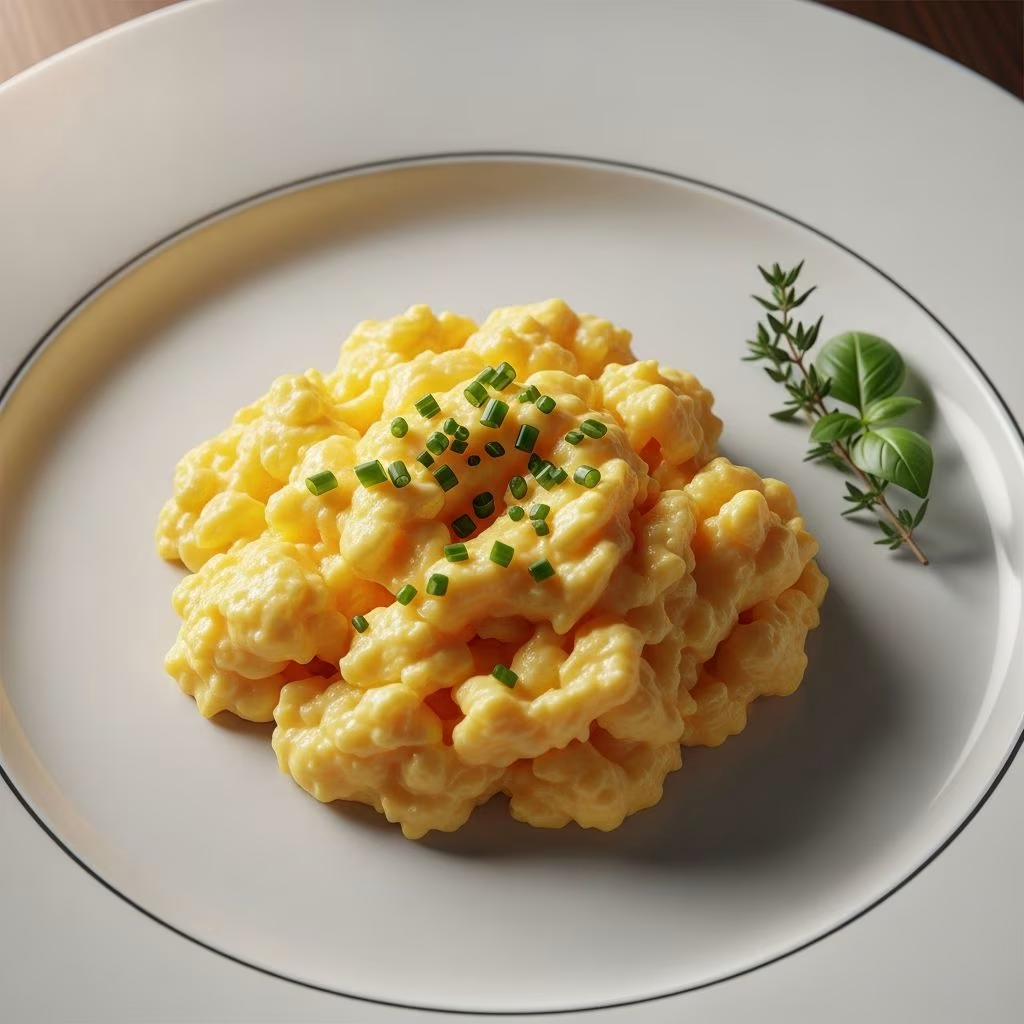
Scrambled eggs stand as a cornerstone of breakfast cuisine, prized for their versatility and ease. Yet achieving the ideal texture—soft, fluffy, and creamy—demands attention to detail. This guide draws from proven culinary approaches to help you create scrambled eggs that impress, whether you’re aiming for delicate curds or velvety smoothness.
Why Technique Matters More Than Ingredients
The foundation of great scrambled eggs lies not in fancy add-ins but in precise execution. Heat control, stirring method, and timing dictate the outcome. Low-and-slow cooking yields tender, custard-like results, while quick high-heat methods produce airy fluffiness. Understanding these principles elevates a basic dish to gourmet status.
Essential Ingredients for Success
Start with quality basics:
- Fresh eggs: Large, room-temperature eggs whisk evenly and cook uniformly.
- Fat: Butter for richness or oil for neutrality; about 1 tablespoon per 3-4 eggs.
- Seasoning: Salt and pepper; season early to distribute flavor.
- Liquid add-ins (optional): A splash of water, cream, or half-and-half for moisture without heaviness.
A unique twist involves a cornstarch slurry—1 teaspoon cornstarch mixed with 1 tablespoon water—to lock in moisture and prevent overcooking.
Core Cooking Methods Compared
Different chefs advocate varied approaches. Here’s a breakdown:
| Method | Heat Level | Key Technique | Result | Source Inspiration |
|---|---|---|---|---|
| Custardy Low-and-Slow | Low | Gentle scraping with spatula | Soft, shiny curds | |
| High-Heat Fluffy | Medium-High | Quick pushing/folding | Airy layers | |
| Simple Splash | Medium | Initial sit, then fold | Light and tender | |
| High-Heat Stir | High | Constant scraping | Creamy and fast |
Choose based on your preferred texture: custardy for indulgence, fluffy for volume.
Step-by-Step: Low-and-Slow Custardy Scrambled Eggs
This reliable method produces eggs with a luxurious, almost pudding-like quality.
- Prepare eggs: Crack 3 large eggs into a bowl on a flat surface to avoid shell fragments. Whisk gently with a fork until yolks and whites blend without excess air.
- Add liquid: Stir in 2 teaspoons half-and-half or cream. Season with salt and pepper.
- Heat pan: Melt 1 tablespoon butter in a nonstick skillet over low-medium heat. Coat the surface evenly.
- Cook gently: Pour in eggs. Use a rubber spatula to slowly scrape the bottom as curds form. Fold rather than stir vigorously to build large, silky pieces.
- Finish: Remove from heat when eggs are mostly set but still glossy—residual heat completes cooking.
Serves 1-2; total time: 10 minutes.
High-Heat Fluffy Variation
For restaurant-style fluff, embrace speed and science.
- Beat 4 eggs with salt and pepper until bubbly.
- Mix 1 teaspoon cornstarch with 1 tablespoon water.
- Heat 1 tablespoon oil in a skillet over medium-high until shimmering.
- Stir slurry into eggs, add to pan. Immediately push eggs around with spatula, folding layers as they set.
- Turn off heat when mostly cooked but wobbly; stir once more.
This creates height and uniformity without dairy.
Pro Tips to Avoid Common Pitfalls
- Don’t overmix: Whisk just enough; aggressive beating incorporates air, leading to tough eggs.
- Crack properly: Tap on a flat counter, not bowl edge, to keep shells out.
- Heat management: Low heat prevents rubberiness; high heat risks browning if unstirred.
- Timing is key: Stop cooking early—eggs continue setting off-heat.
- Tools matter: Nonstick pan and silicone spatula for clean release and control.
Flavor Elevations and Add-Ins
Customize without complicating:
- Cheesy bliss: Fold in ½ cup shredded cheese midway.
- Herbaceous: Chopped chives, parsley, or dill stirred in at end.
- Decadent: A dollop of crème fraîche or goat cheese for creaminess.
- Spicy kick: Diced jalapeños or hot sauce.
- Protein boost: Crumbled bacon or smoked salmon post-cook.
For vegan options, substitute eggs with tofu scrambled similarly.
Advanced Techniques from the Pros
Renowned cooks refine basics:
- A splash of water over cream keeps eggs light.
- Cold eggs straight from fridge work for high-heat methods, adding butter directly to pan.
- Constant bottom-scraping ensures even cooking in deeper pans.
Experiment to match your style.
Frequently Asked Questions (FAQs)
Should I add milk to scrambled eggs?
A small amount of cream or water enhances texture, but too much makes them watery. Skip for fluffier results.
Why are my scrambled eggs tough?
High heat or overcooking is usual culprit. Use low heat and remove early.
Best pan for scrambled eggs?
Nonstick for ease; cast iron if well-seasoned.
How many eggs per person?
2-3 large eggs serve one generously.
Can I make scrambled eggs ahead?
Best fresh, but hold briefly off-heat covered.
Troubleshooting Table
| Problem | Cause | Solution |
|---|---|---|
| Watery eggs | Too much liquid | Use less or none next time |
| Browned bits | High heat delay | Stir immediately |
| Tiny curds | Over-stirring | Fold gently with spatula |
| Dry texture | Overcooked | Stop at 90% done |
Pairing Suggestions
Elevate your plate:
- Classic: Toast, avocado, fresh fruit.
- Hearty: Hash browns, sausage.
- Light: Salad greens, yogurt.
Scrambled eggs shine solo or as a canvas.
References
- Perfect Scrambled Eggs — Robert St. John. Accessed 2026. https://robertstjohn.com/recipe/perfect-scrambled-eggs/
- How to Make Perfect Scrambled Eggs — The Woks of Life. Accessed 2026. https://thewoksoflife.com/how-to-make-perfect-scrambled-eggs/
- How to Make Perfect Scrambled Eggs + Common Mistakes — Alex Guarnaschelli via YouTube. Accessed 2026. https://www.youtube.com/watch?v=7Vd_VctdtLs
- Perfect Scrambled Eggs — Southern Bite. Accessed 2026. https://southernbite.com/perfect-scrambled-eggs/
- Scrambled Eggs — Gordon Ramsay Restaurants. Accessed 2026. https://www.gordonramsayrestaurants.com/recipes/scrambled-eggs/