Creating the perfect sweet and sour dipping sauce at home is simpler than many home cooks realize. Unlike store-bought versions that often contain artificial preservatives and excessive sodium, a homemade rendition allows you to control the flavor profile, sweetness level, and texture to match your preferences exactly. This versatile condiment serves as an ideal accompaniment to countless dishes, from crispy appetizers to fresh spring rolls, making it an essential addition to any cook’s repertoire.
Understanding the Flavor Components of Sweet and Sour Sauce
A well-balanced sweet and sour sauce relies on the interplay of several fundamental taste elements working in harmony. The foundational concept centers on achieving equilibrium between contrasting flavors that complement rather than overpower each other.
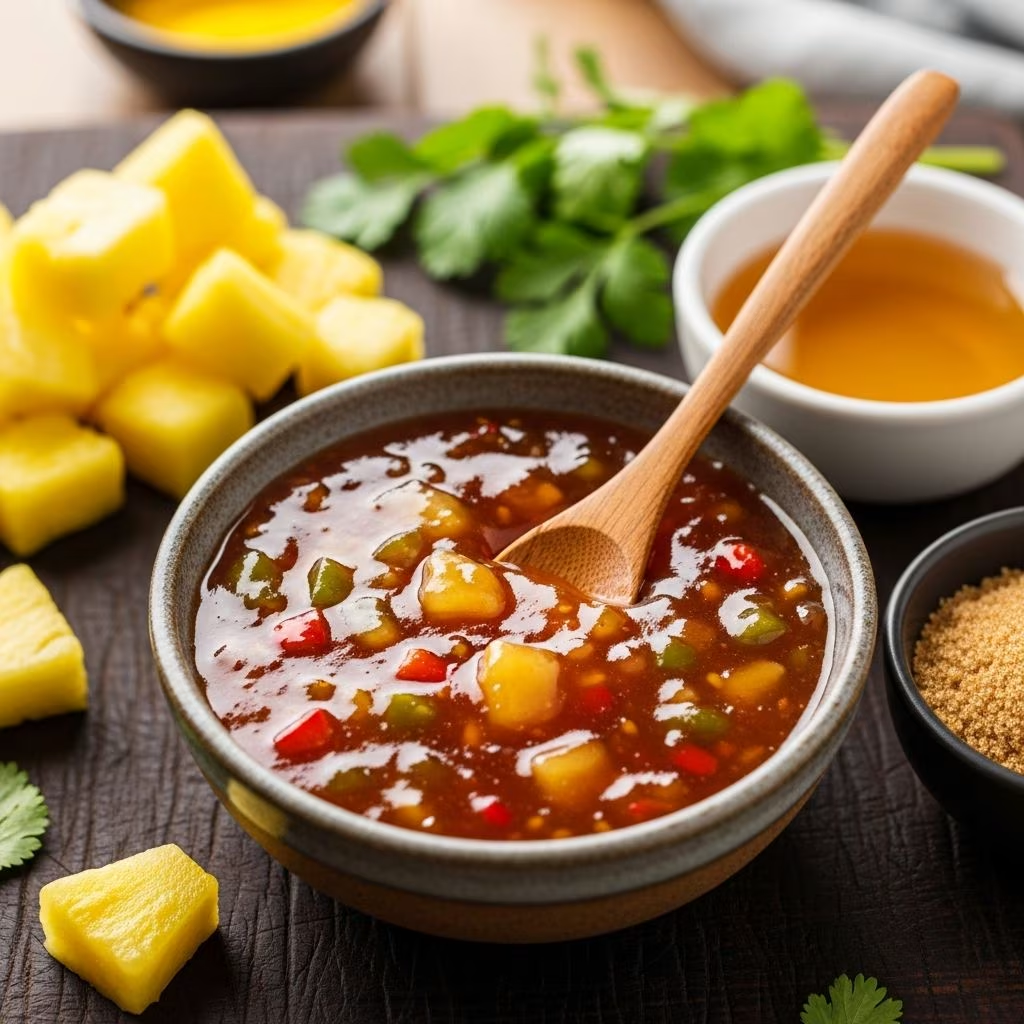
The sweetness in this sauce typically comes from multiple sources, creating depth rather than one-dimensional sugar flavor. Pineapple juice contributes natural fruit sweetness along with tropical notes, while brown sugar or honey adds caramel undertones. Some variations incorporate fruit preserves like apricot or pineapple jam, which introduce additional complexity to the flavor profile. The sweetness serves to balance the sharp, acidic components while creating an approachable taste that appeals to various palates.
The sour or acidic element provides essential contrast and brightness. Rice vinegar offers a mild, refined tanginess, while apple cider vinegar delivers earthier notes. White vinegar provides a sharper, more straightforward acidity. This acidic component cuts through richness in fried foods and prevents the sauce from becoming cloying or overly sweet. The acid also aids in flavor preservation and adds complexity that keeps the sauce interesting rather than one-note.
The savory component introduces umami, the fifth taste that grounds the sauce and prevents it from tasting purely like a dessert condiment. Soy sauce contributes saltiness, depth, and the characteristic umami flavor that Asian cuisines are known for. Ketchup adds not just sweetness but also umami from tomatoes, along with subtle spice notes that enhance the overall profile.
Additional flavor enhancements may include minced garlic for pungency, fresh ginger for warmth and slight spice, and red pepper flakes for heat. Some preparations incorporate sesame oil for nuttiness or orange marmalade for citrus brightness. These optional additions allow you to customize the sauce to your taste preferences and the specific dishes you plan to serve it with.
Essential Ingredients for Your Pantry
The beauty of homemade sweet and sour sauce lies in its reliance on common pantry staples. Most home kitchens already contain the primary components needed for this recipe, eliminating the need for specialty shopping trips.
Base Ingredients
- Pineapple juice – Provides sweetness and tropical flavor complexity. Fresh juice offers superior taste compared to canned versions, though both work effectively.
- Vinegar – Choose rice vinegar for subtle tanginess, apple cider vinegar for earthiness, or white vinegar for sharp acidity. Each creates slightly different results.
- Ketchup – Contributes sweetness, umami depth, and color while binding ingredients together.
- Sugar or honey – Brown sugar adds caramel notes, while white sugar provides clean sweetness. Honey offers additional complexity and slight thickness.
- Soy sauce or tamari – Introduces saltiness and savory umami. Tamari works for gluten-free preparations.
Thickening Agents
- Cornstarch – Creates a glossy, slightly thick consistency without cloudiness. Mix with cold water before adding to prevent lumps.
- Water – Used to create the cornstarch slurry and adjust sauce consistency.
Optional Flavor Boosters
- Minced garlic – Adds pungency and depth
- Fresh ginger – Contributes warmth and slight spice
- Red pepper flakes – Introduces heat and complexity
- Sesame oil – Provides nutty aroma and richness
- Fruit jam – Pineapple or apricot varieties add sweetness and texture
- Orange marmalade – Brings citrus brightness and slight bitterness
Step-by-Step Preparation Method
Preparation Phase
Begin by gathering all ingredients and measuring them into separate containers before cooking begins. This mise en place approach ensures smooth preparation without interruptions. Prepare your cornstarch slurry by whisking cornstarch together with cold water in a small bowl until completely smooth, with no lumps remaining. Set this mixture aside, as adding it later prevents curdling and ensures even thickening.
Initial Combination
Pour pineapple juice, vinegar, ketchup, sugar, and soy sauce into a small saucepan while the heat remains off. This important step prevents splattering and allows ingredients to meld. Using a whisk or spatula, stir the mixture thoroughly until well combined and the sugar begins dissolving. The goal is creating a homogeneous base before applying heat.
Heating Process
Turn the heat to medium and continue stirring as the sauce gradually warms. Watch carefully for the mixture to reach a gentle simmer, characterized by small bubbles rising slowly from the bottom and sides. This typically requires 3-5 minutes of heating. Do not allow the sauce to boil vigorously, as intense heat can cause scorching or uneven cooking.
Thickening Stage
Once the sauce reaches a gentle simmer, slowly pour the cornstarch slurry into the center while stirring constantly. Continue stirring for 2-3 minutes until the sauce thickens noticeably and develops a glossy appearance. The sauce should reach the consistency of maple syrup—still pourable but noticeably thicker than when you started. Remember that the sauce continues thickening as it cools, so slightly undercook rather than overcook at this stage.
Optional Finishing Touches
If using fresh garlic, ginger, or red pepper flakes, add these after thickening to preserve their fresh qualities. Stir well to distribute evenly throughout the sauce. For a smoother texture, strain the finished sauce through a fine-mesh strainer to remove any jam bits or spice particles, though this step is entirely optional.
Recipe Variations and Customization Options
The fundamental formula allows endless adaptations depending on your preferences and intended use. Understanding these variations empowers you to create custom versions tailored to specific applications.
| Variation Type | Modifications | Best Use Cases |
|---|---|---|
| Traditional Asian-Inspired | Add sesame oil, minced garlic, fresh ginger, and red pepper flakes | Dumplings, spring rolls, egg rolls |
| Fruity and Bright | Substitute orange juice or mandarin juice for pineapple juice; add orange marmalade | Chicken wings, pork ribs, appetizers |
| Heat-Focused Version | Increase red pepper flakes significantly; add jalapeño slices | Spice-loving audiences, fusion dishes |
| Lighter Option | Increase vinegar and water ratios; reduce sugar and honey | Health-conscious diners, vegetable-focused dishes |
| Thick Coating Sauce | Increase cornstarch ratio; reduce liquid ingredients | Meatballs, stir-fries, baked chicken |
Serving Suggestions and Pairing Ideas
Sweet and sour sauce’s versatility extends across numerous dishes and cuisines. Serve it alongside crispy fried chicken nuggets or wings for dipping. The sauce complements spring rolls, egg rolls, and fried wontons beautifully, cutting through the oil while enhancing natural flavors. Use it as a glaze for meatballs, either baking them in the sauce or serving it separately for dipping. The sauce works exceptionally well with pork—both in stir-fries and as a dipping accompaniment to pork ribs or pulled pork sliders.
Asian-inspired applications include pouring the sauce over fried rice, drizzling it onto noodle bowls, or using it as a dipping sauce for dumplings and potstickers. Vegetarian options expand to include mushroom fritters, vegetable spring rolls, or tempura vegetables. For creative fusion applications, try the sauce on fish tacos, as a glaze for grilled vegetables, or even as an accompaniment to cured charcuterie boards seeking an unexpected element.
Storage and Preservation Guidelines
Homemade sweet and sour sauce stores exceptionally well, making it ideal for advance preparation. Allow the finished sauce to cool to room temperature, then transfer it to a clean glass jar with a tight-fitting lid. Refrigerated sauce maintains optimal quality for 7-10 days, though it remains safe longer if properly sealed. The sauce naturally thickens further during refrigeration due to cornstarch solidification; simply reheat gently or add a small amount of water to restore desired consistency.
For longer storage, freeze the sauce in ice cube trays, then transfer frozen cubes to freezer bags for convenient portioning. Frozen sauce maintains quality for 2-3 months. Thaw in the refrigerator overnight before reheating. Avoid storing sauce in metal containers or allowing it to sit in warm environments, as these conditions can affect both flavor and texture over time.
Troubleshooting Common Issues
Sauce Too Thin
If your finished sauce lacks sufficient thickness, create an additional cornstarch slurry using equal parts cornstarch and cold water. Add this gradually to the sauce over medium heat, stirring constantly until reaching desired consistency. Avoid adding too much at once, as cornstarch thickens significantly and cannot be easily thinned afterward.
Sauce Too Thick
An overly thick sauce can be thinned by adding water, pineapple juice, or vinegar one tablespoon at a time while stirring. Add liquid gradually to prevent overcorrection. Consider that the sauce continues thickening as it cools, so slight undercooking prevents this issue entirely.
Lumpy Texture
Lumps typically result from adding cornstarch directly to hot liquid without first creating a slurry. Always mix cornstarch with cold water beforehand. If lumps form, strain the sauce through a fine-mesh strainer for smooth results.
Burnt or Scorched Flavor
Burnt sauce results from excessively high heat or lack of stirring. Always use medium heat and stir frequently. If mild scorching occurs, the sauce may be salvageable by transferring it to a clean pot immediately and continuing cooking over low heat.
Overly Sweet Taste
Balance excess sweetness by adding more vinegar gradually, one teaspoon at a time. Soy sauce also helps by introducing savory umami that counteracts sweetness. Adding fresh ginger or red pepper flakes provides additional complexity that distracts from cloying sweetness.
Frequently Asked Questions
Can I make this sauce without pineapple juice?
Yes, substitute with apple juice, orange juice, or additional water combined with honey. Maraschino cherry juice offers an interesting alternative. Each substitution creates slightly different flavor profiles while maintaining the sauce’s fundamental character.
Is this sauce gluten-free?
It can be, with careful ingredient selection. Use tamari instead of regular soy sauce, ensure ketchup contains no gluten-derived ingredients, and verify cornstarch source. Most commercial cornstarch is naturally gluten-free.
How much sauce does this recipe yield?
Standard recipes produce approximately 1 to 1.5 cups of finished sauce, sufficient for serving 4-6 people as a dipping sauce or 2-3 people if used as a coating.
Can I double this recipe?
Yes, doubling works well with slight adjustments. Increase all ingredients proportionally but monitor cooking time, as larger quantities may require additional simmering for proper flavor development and thickening.
What if I prefer a spicier version?
Increase red pepper flakes to ¾ teaspoon or add minced fresh jalapeño. Incorporate a teaspoon of sriracha or other hot sauce for heat combined with additional flavor complexity.
References
- Sweet and Sour Dipping Sauce Recipe — Simple Home Edit. 2024. https://simplehomeedit.com/recipe/sweet-and-sour-dipping-sauce/
- Easy-Peasy, Inexpensive Sweet & Sour Dipping Sauce — Stuffed at the Gills. 2023. https://www.stuffedatthegills.ca/2023/04/easy-peasy-inexpensive-sweet-sour.html
- EASY 4 Ingredient Sweet and Sour Sauce — The Buttery Fairytale. 2024. https://thebutteryfairytale.com/4-ingredient-sweet-and-sour-sauce/
- Sweet and Sour Dipping Sauce — I Heart Umami. 2024. https://iheartumami.com/sweet-and-sour-dipping-sauce/
- Sweet and Sour Sauce — Crunchy Creamy Sweet. 2024. https://www.crunchycreamysweet.com/sweet-and-sour-sauce/
- BEST Sweet and Sour Sauce — The Daring Gourmet. 2024. https://www.daringgourmet.com/best-sweet-and-sour-sauce/