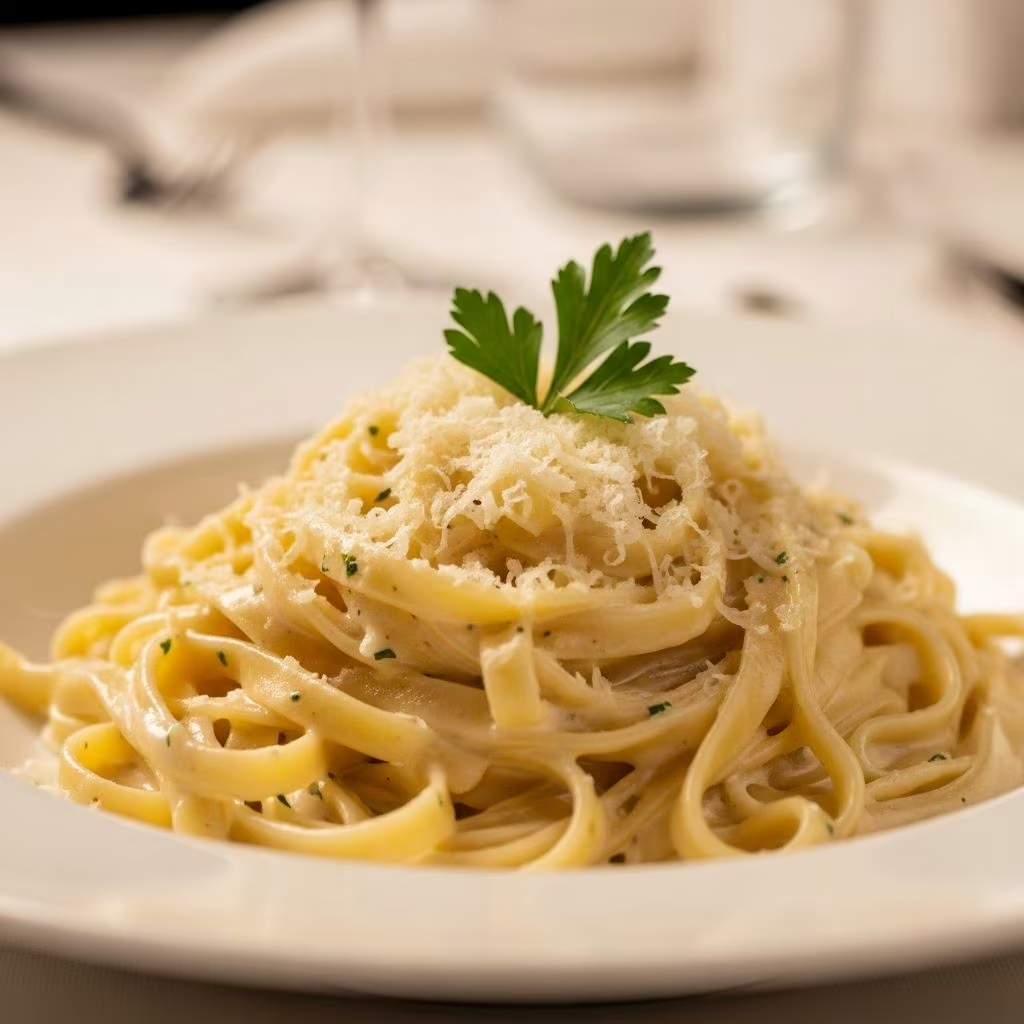
There’s something undeniably satisfying about creating a sophisticated pasta sauce entirely from scratch using ingredients you likely already have in your kitchen. The beauty of traditional Alfredo sauce lies in its elegant simplicity—a combination of just a few foundational components that, when handled with proper technique, transforms into a luxurious coating for pasta that rivals any restaurant offering. This approach eliminates the need for jarred alternatives, allowing you to control the flavor profile, texture, and quality of every element that reaches your plate.
Understanding the Foundation: Essential Components
Before diving into the cooking process, it’s important to understand what makes Alfredo sauce work. The sauce relies on three primary components that work together to create its characteristic smooth, creamy texture and rich flavor. Each ingredient plays a specific role in achieving the final product.
The Role of Quality Butter
Butter serves as the foundational fat that carries flavor and creates richness in your sauce. When selecting butter, unsalted varieties offer the best control over the final seasoning level, allowing you to adjust salt content precisely to your preference. The amount of butter matters—typically four tablespoons provides sufficient fat content to emulsify properly with cream and cheese. When melting butter, using medium or medium-low heat prevents it from browning, which would alter the sauce’s delicate flavor profile and pristine appearance.
Heavy Cream as the Textural Base
Heavy whipping cream serves as the primary liquid component, providing both richness and the foundation for proper sauce consistency. Unlike milk-based alternatives that may produce a thinner result, heavy cream contains sufficient fat content to support the cheese and create that signature silky mouthfeel. Most recipes call for approximately one cup of heavy cream, which when combined with butter and cheese, creates the optimal balance of richness without overwhelming the palate.
Parmesan Cheese: The Flavor Anchor
Freshly grated Parmesan cheese represents perhaps the most critical ingredient in authentic Alfredo sauce. The difference between pre-grated cheese and freshly grated varieties is substantial—fresh cheese melts smoothly into the sauce, while pre-grated versions contain anti-caking agents that can create a grainy, uneven texture. Aim for approximately one and a half to two cups of freshly grated cheese, depending on your preferred intensity and sauce thickness. The cheese not only provides bold, slightly salty flavor but also acts as a thickening agent through its natural properties.
Building Flavor Through Technique
Beyond the basic ingredients, several optional components can elevate your Alfredo sauce from simple to sophisticated. These additions introduce complexity and depth that distinguish homemade versions from their commercial counterparts.
Garlic: Adding Aromatic Depth
Minced fresh garlic introduces an aromatic quality that transforms the sauce from purely rich to more complex and flavorful. One to three cloves of fresh garlic, minced finely, provides flavor without overwhelming the delicate cream base. The garlic should be added early in the cooking process, sautéed briefly in the melted butter for approximately one minute until fragrant. This technique allows the garlic flavor to infuse throughout the sauce rather than remaining as sharp, raw bursts. For a more subtle approach or if fresh garlic isn’t available, garlic powder offers a convenient alternative at approximately one-half to one teaspoon.
Seasoning Enhancements
Italian seasoning blends, when used sparingly at roughly one-half teaspoon, provide herbal undertones that complement the richness of the sauce. Freshly ground black pepper and kosher salt allow for personalized flavor adjustment, with approximately one-quarter to one-half teaspoon of each providing balanced seasoning without overpowering other flavors. Some recipes incorporate a subtle hint of nutmeg—just a pinch—which adds unexpected warmth and complexity that sophisticated palates will appreciate.
The Method: Step-by-Step Sauce Construction
Creating properly textured Alfredo sauce requires attention to temperature control and timing. The following process ensures consistent, restaurant-quality results.
Initiating the Sauce Base
Begin by placing a large skillet or saucepan over medium or medium-low heat. Add your measured butter and allow it to melt completely, approximately one to two minutes. The lower heat setting prevents browning while ensuring even melting. Once melted, if using fresh garlic, add your minced cloves and stir continuously for about one minute until the kitchen fills with garlic aroma, indicating the flavor has properly developed. This aromatic step, though brief, establishes the flavor foundation for the entire sauce.
Incorporating the Cream
Slowly pour in your heavy cream while whisking constantly to ensure proper incorporation and prevent any separation. The whisking action promotes emulsification and creates initial smoothness. Bring the mixture to a gentle simmer—not a rolling boil, which can cause the sauce to break or become grainy. Allow the cream and butter combination to cook for three to four minutes, whisking occasionally, until it shows visible signs of slight thickening. This step develops the sauce body and prepares it for the cheese addition.
Adding and Melting the Cheese
The final crucial step involves gradually adding your freshly grated Parmesan while stirring constantly and maintaining low heat. Add the cheese in increments rather than all at once, allowing each portion to melt completely before adding more. This controlled process prevents clumping and ensures smooth incorporation. Continue stirring until the cheese fully melts into the sauce, creating a uniform, creamy consistency. If desired for extra thickness, additional cheese can be whisked in after the initial addition reaches the desired flavor intensity.
Taste Adjustment and Finishing
Before serving, taste your sauce and make final seasoning adjustments. Add additional salt, pepper, or Italian seasoning as needed to suit your preferences. The sauce should coat the back of a spoon and cling to pasta strands when properly prepared. If the consistency seems too thick, thin it with additional warm cream; if too thin, additional cheese will increase thickness while enhancing flavor.
Ingredient Comparison Table
| Ingredient | Amount (Standard Recipe) | Function | Notes |
|---|---|---|---|
| Unsalted Butter | 4 tablespoons | Fat base and flavor carrier | Use unsalted for better seasoning control |
| Heavy Whipping Cream | 1 cup | Liquid base and richness | Provides essential fat content for proper texture |
| Fresh Parmesan Cheese | 1.5-2 cups grated | Primary flavoring and thickening agent | Must be freshly grated, not pre-grated |
| Fresh Garlic | 1-3 cloves minced | Aromatic flavor enhancement | Optional; can substitute with garlic powder |
| Italian Seasoning | 0.5 teaspoon | Herbal complexity | Optional; use sparingly to avoid overpowering |
| Kosher Salt | To taste | Flavor enhancement and balance | Add gradually for proper control |
| Black Pepper | To taste | Subtle heat and pungency | Use freshly ground for better flavor |
Practical Applications and Serving Suggestions
Your freshly prepared Alfredo sauce serves multiple culinary purposes beyond traditional pasta applications. This versatile sauce works beautifully tossed with fettuccine, penne, or any pasta shape that captures and clings to the creamy coating. For a lighter presentation, serve it with gnocchi, which pairs exceptionally well with rich cream sauces. The sauce also works as a topping for grilled chicken, roasted vegetables, or baked fish, adding sophistication to simple proteins. Some cooks use it as a base layer in casseroles, combining it with vegetables, proteins, and pasta for complete one-dish meals.
Storage and Make-Ahead Considerations
Alfredo sauce is best served immediately after preparation when the texture remains silky and the flavors are most vibrant. However, if you need to prepare it ahead, the sauce can be cooled and refrigerated in an airtight container for up to three days. When reheating, place the sauce in a saucepan over low heat, stirring frequently and adding small amounts of warm cream to restore the smooth consistency that may have thickened during storage. Avoid using high heat during reheating, which can cause the sauce to separate or become grainy.
Frequently Asked Questions
Why is my Alfredo sauce grainy?
Grainy texture typically results from using pre-grated cheese with anti-caking agents, cooking at excessively high temperatures, or adding cheese too quickly without proper stirring. Always use freshly grated cheese, maintain medium or low heat throughout cooking, and add cheese gradually while whisking constantly.
Can I substitute ingredients in the basic recipe?
While modifications are possible, they affect the final result. Olive oil can replace butter for a lighter version, though the flavor profile changes noticeably. Milk can supplement heavy cream for reduced richness, but using only milk produces thinner results. Pecorino Romano can replace Parmesan for a sharper flavor.
What if my sauce is too thick?
Thin overly thick sauce by whisking in warm heavy cream, a small amount at a time, until reaching desired consistency. Alternatively, reserve pasta water when cooking—a tablespoon or two of starchy pasta water helps thin and slightly emulsify the sauce while improving its coating ability on pasta.
How far in advance can I prepare Alfredo sauce?
Prepare sauce no more than a few hours before serving, keeping it warm in a very low oven or on the stovetop over the lowest heat setting, stirring occasionally. For longer storage, cool and refrigerate for up to three days, though the texture may thicken slightly.
Is there a dairy-free version of Alfredo sauce?
Dairy-free versions substitute plant-based cream and dairy-free cheese alternatives, though the results differ noticeably from traditional versions. Success depends on using high-quality alternatives specifically designed for cooking rather than standard plant-based milk.
Why should I use fresh garlic instead of jarred?
Fresh garlic provides cleaner, more vibrant flavor compared to jarred varieties, which can taste musty or overly acidic. Fresh garlic also provides better control over flavor intensity and allows for more nuanced seasoning adjustments.
Troubleshooting Common Issues
Understanding potential problems and their solutions ensures success even when deviations occur during cooking. If your sauce breaks and becomes separated or watery, the most likely cause is excessive heat during cooking or cheese addition. To rescue the sauce, remove it from heat, slowly whisk in an additional egg yolk (if serving immediately and eggs are safe), or gradually add more heavy cream while whisking continuously. If your sauce fails to thicken properly despite containing adequate cheese, the cheese may be pre-grated with anti-caking agents; strain out what you can and start fresh with genuinely fresh cheese. Should your sauce taste flat or one-dimensional despite proper cooking technique, you’ve likely under-seasoned it—add salt, pepper, and garlic gradually, tasting frequently until flavor reaches your preference.
Elevating Your Alfredo Experience
Once comfortable with the basic sauce preparation, consider subtle variations that maintain the classic profile while introducing new dimensions. A pinch of freshly grated nutmeg adds sophisticated warmth. Fresh cracked black pepper contributes visual appeal and subtle heat. A splash of dry white wine whisked in before adding cream introduces subtle acidity that brightens the richness. For adventurous cooks, adding freshly chopped herbs like parsley or basil just before serving provides color and fresh flavor notes that complement the creamy base.
References
- Parmesan Cheese Composition and Melting Properties — University of Wisconsin-Madison Dairy Research Center. 2023. https://www.wisc.edu/
- Culinary Science: Emulsification in Cream-Based Sauces — The Culinary Institute of America. 2024. https://www.ciachef.edu/
- Food Safety Guidelines for Dairy Products — U.S. Food and Drug Administration. 2025. https://www.fda.gov/
- Butter and Cream Chemistry in Cooking — International Dairy Foods Association Technical Resources. 2024. https://www.idfa.org/
- Texture and Consistency in Cream Sauces — Journal of Culinary Science & Technology. 2023. https://www.tandfonline.com/