Cranberry sauce represents one of the most recognizable accompaniments to festive meals throughout North America, yet many home cooks default to canned varieties rather than exploring the remarkable simplicity of homemade versions. The transformation from tart, fresh berries into a glossy, jewel-toned condiment requires minimal time and effort, while the addition of carefully selected spices elevates this traditional side dish from ordinary to extraordinary. This comprehensive guide walks you through every aspect of creating a spiced cranberry sauce that will become a standout element of your holiday table.
Understanding the Foundation of Spiced Cranberry Sauce
The beauty of cranberry sauce lies in its fundamental simplicity. Fresh cranberries naturally contain pectin, a soluble fiber that enables the sauce to thicken as it cooks without requiring additional thickening agents. When heat causes the cranberry skins to burst, the fruit releases its juices, creating a naturally thick consistency that concentrates in flavor as moisture reduces. This straightforward chemistry means even novice cooks can achieve professional-quality results with basic ingredients and fundamental cooking techniques.
Traditional cranberry sauce typically relies on four core components: fresh cranberries, sugar, liquid, and heat. From this basic framework, countless variations emerge through the strategic use of spices, citrus, and complementary flavoring elements. The aromatic compounds in warming spices like cinnamon, nutmeg, and cloves work synergistically with cranberries’ natural tartness, creating depth and complexity that transforms a simple berry condiment into something truly memorable.
Essential Components and Their Roles
Fresh Cranberries: These tart berries form the foundation of any cranberry sauce. One pound of fresh cranberries typically yields approximately two cups of finished sauce, depending on your preferred consistency. Always select firm, glossy berries without soft spots or blemishes. Wash them thoroughly under cool running water before use to remove any debris or coating.
Sweetening Agents: Granulated white sugar represents the most common choice, offering straightforward sweetness without competing flavors. However, brown sugar contributes subtle molasses notes that complement spiced variations beautifully. Honey and maple syrup introduce floral and earthy dimensions, respectively, though they may require slight adjustments to cooking times due to their varying moisture content. Most recipes call for three-quarters to one cup of sugar per pound of cranberries, though personal preference for tartness should guide your specific ratio.
Liquid Base: Water serves as the standard liquid component, though innovative cooks frequently substitute red wine, bourbon, or fruit juices. These alternatives introduce complexity without overwhelming the cranberry flavor. Approximately one-quarter to one-half cup of liquid typically suffices, though more may be needed if using alcohol, which can affect evaporation rates.
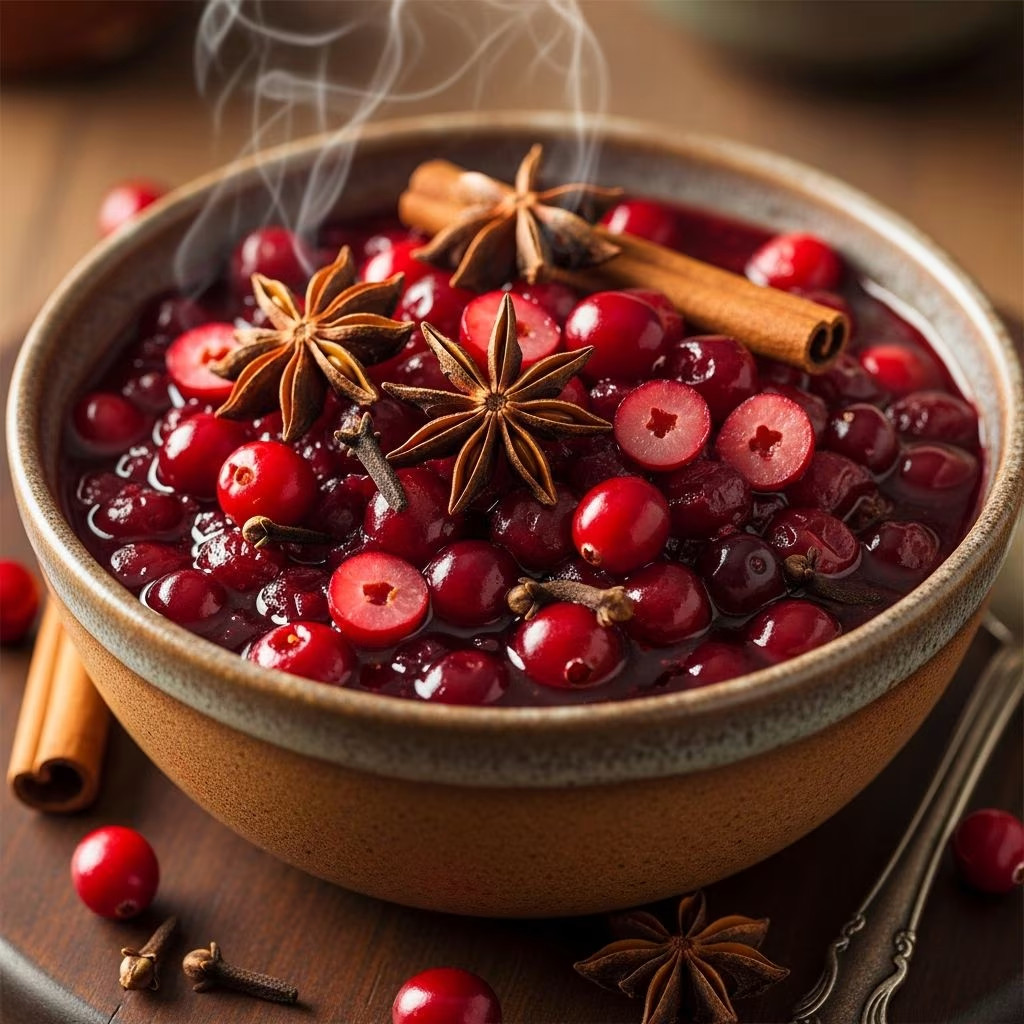
Aromatic Spices: Cinnamon, whether in stick or ground form, provides warm, slightly sweet undertones. Nutmeg adds earthiness and subtle warmth. Cloves contribute bold, almost peppery notes that require judicious use to avoid overpowering the sauce. Star anise lends licorice-like complexity, while cardamom introduces distinctive floral and slightly minty characteristics. Most recipes employ one to three spice varieties to maintain balance and prevent muddled flavors.
The Cooking Process: Step-by-Step Execution
Begin by combining your cranberries, sugar, and chosen liquid in a medium to large saucepan. Place the pot over medium to medium-high heat and stir occasionally until the mixture reaches a rolling boil. This initial heating phase typically requires five to ten minutes. The boiling action ruptures cranberry skins and begins extracting their natural pectin and color into the cooking liquid.
Once the mixture achieves a boil, reduce the heat to medium or medium-low to establish a gentle simmer. This controlled heat allows the cranberries to continue bursting gradually while preventing excessive evaporation or scorching on the pot’s bottom. Whole spices like cinnamon sticks, star anise, or cloves should be added at this point, allowing their flavors to infuse gradually throughout the cooking process. Some cooks prefer bundling whole aromatics in cheesecloth or a mesh tea ball, enabling easy removal without pieces becoming scattered throughout the finished sauce.
The simmering phase typically lasts between fifteen and thirty minutes, depending on your preferred texture and the specific recipe. Most cranberries will have burst open within fifteen to twenty minutes, creating a slightly chunky sauce with some whole berries remaining. If you prefer a smoother consistency, continue simmering and occasionally crush some berries against the pot’s side with a wooden spoon. Ground spices should be added during the final few minutes of cooking, stirred thoroughly to distribute evenly, preventing clumping or uneven distribution.
The sauce will continue thickening as it cools, often achieving its final consistency only after reaching room temperature or being refrigerated overnight. This delayed thickening surprises many first-time cooks, leading them to overcook the sauce unnecessarily. Err on the side of slightly thin sauce when it’s still warm, knowing it will firm considerably during cooling.
Flavor Variations and Creative Adaptations
While traditional spiced cranberry sauce follows established conventions, numerous variations allow for personalization and experimentation. Adding orange zest and juice introduces bright citrus notes that complement cranberries’ tartness beautifully while adding moisture and subtle floral complexity. Fresh ginger slices contribute warmth and slight spiciness that pairs exceptionally well with bourbon or brandy variations.
For those seeking adventurous flavor profiles, incorporating jalapeño peppers or other chili varieties creates savory-spicy complexity perfect for accompanying savory dishes or unconventional pairings. Vanilla extract adds subtle sweetness and depth, while fresh rosemary introduces herbaceous notes that create interesting contrasts with the fruit’s natural tartness. Some creative cooks incorporate pomegranate juice or other berry juices to deepen color and add additional flavor layers.
Alcoholic additions ranging from red wine to bourbon, brandy, or rum introduce warmth and sophistication. These spirits should typically comprise one-quarter to one-half cup of the total liquid, allowing cranberry and spice flavors to remain prominent while alcohol provides subtle complexity.
Practical Cooking Considerations
| Variable | Impact on Final Product | Recommended Adjustments |
|---|---|---|
| Cooking Time | Longer cooking reduces tartness and increases thickness | Extend simmering to 25-30 minutes for deeper, less tart flavor |
| Sugar Quantity | Affects sweetness and balance with cranberry tartness | Use less sugar for tarter profile; increase for sweeter preference |
| Spice Amount | Determines intensity of aromatic qualities | Start conservatively; add more after tasting cooled sauce |
| Liquid Ratio | Influences final consistency and concentration of flavors | More liquid yields thinner sauce; less liquid creates thicker result |
Temperature control represents perhaps the most critical factor in achieving desired results. Excessive heat can cause the bottom of the sauce to scorch while the top remains undercooked. A gentle simmer allows even heat distribution and gradual flavor development. If your stove runs hot, use a lower heat setting and extend the cooking time slightly to compensate.
Stirring frequency affects how evenly the sauce cooks and develops. Occasional stirring during the simmering phase prevents sticking while allowing sufficient time for cranberries to burst naturally. Constant stirring can prematurely break down berries, creating overly smooth sauce if you prefer some texture.
Storage and Make-Ahead Strategies
One of spiced cranberry sauce’s greatest advantages is its excellent shelf stability. Allow the cooled sauce to rest at room temperature for five to ten minutes before transferring to glass containers or other storage vessels. Refrigerated in airtight containers, properly prepared cranberry sauce maintains excellent quality for up to two weeks. The sauce can be frozen successfully for up to three months, making it ideal for advance preparation. Allow frozen sauce to thaw in the refrigerator overnight before gently reheating if desired, as freezing does not significantly impact texture or flavor.
For those seeking maximum convenience, preparing spiced cranberry sauce several days or even weeks in advance removes last-minute pressure during busy holiday periods. Many cooks find that flavors actually deepen and mature during refrigeration, improving the finished product. Allow the sauce to sit at room temperature for approximately thirty minutes before serving to optimize flavor intensity and achieve ideal consistency.
Common Questions About Spiced Cranberry Sauce
Why does my cranberry sauce remain too thin after cooking?
This commonly occurs when insufficient cooking time has elapsed or when the liquid-to-cranberry ratio is too high. Remember that sauce continues thickening dramatically as it cools; what appears thin while warm will likely achieve proper consistency once cooled. If your fully cooled sauce remains too thin, briefly reheat it, simmering gently for an additional five to ten minutes until the desired thickness is achieved.
Can I use frozen cranberries instead of fresh ones?
Yes, frozen cranberries work exceptionally well and require no thawing before use. They may cook slightly more quickly than fresh berries since the freezing process partially ruptures cell walls, potentially reducing cooking time by a few minutes. The final product quality remains essentially identical to that made with fresh cranberries.
How can I adjust the spice intensity of my sauce?
If your finished sauce tastes too spicy or aromatic, the best solution involves using it in smaller quantities with milder accompaniments or incorporating it into other dishes. Unfortunately, you cannot easily remove spices after cooking. For future batches, reduce spice quantities by approximately twenty-five to fifty percent and taste the cooled sauce before serving, adding additional spices if desired.
Should I use whole spices or ground spices?
Both work well, though they offer different advantages. Whole spices can be easily removed before serving, providing flexibility if some guests prefer less intense flavor. Ground spices integrate completely into the sauce, creating uniform flavor distribution. Using both varieties—whole spices during cooking for infusion, ground spices near the end for intensity—allows optimal flavor development.
What’s the best way to serve spiced cranberry sauce?
Allow the sauce to reach room temperature, which optimizes flavor perception. Serve in a small bowl or sauce boat alongside your main dishes. Some cooks prefer slightly warming the sauce before serving, heating it gently in a small saucepan over low heat for a few minutes to improve consistency and intensify flavors.
Advancing Your Cranberry Sauce Skills
Once you’ve mastered the basic spiced cranberry sauce, numerous opportunities exist for developing your technique and exploring creative variations. Experimenting with different spice combinations helps identify your personal preferences. Try replacing traditional cinnamon with Vietnamese or Ceylon varieties, each offering distinct aromatic qualities. Sample different types of cloves or substitute cardamom for traditional choices to discover how individual spices contribute unique characteristics.
Consider how your spiced cranberry sauce might complement non-traditional dishes. Beyond the expected pairing with turkey or ham, this versatile condiment works beautifully alongside pork tenderloin, duck breast, or even grilled salmon. Its tartness and spice balance richness in savory applications while adding interest to cheese boards and charcuterie platters. Creative dessert applications include swirling spiced cranberry sauce into cheesecake batter, topping vanilla ice cream, or incorporating it into thumbprint cookies.
Developing consistency and quality through repeated preparation allows you to refine techniques, adjust seasonings to match your preferences precisely, and gain confidence in your abilities. Keep notes about what works particularly well, which spice combinations resonate most strongly with your palate, and how cooking time affects your preferred texture, building a personal archive of insights that improves subsequent batches.
Conclusion: Mastering a Kitchen Essential
Creating spiced cranberry sauce from fresh ingredients represents one of the most rewarding and straightforward culinary projects available to home cooks. The combination of simplicity, reliability, and flexibility makes this condiment accessible to cooks of all skill levels while offering ample opportunity for personalization and creativity. By understanding the fundamental cooking principles, respecting the quality of fresh ingredients, and thoughtfully selecting complementary spices, you’ll develop the ability to produce consistently excellent results that elevate any meal they accompany.
References
- Culinary Uses and Nutritional Composition of Cranberries — University of Massachusetts Amherst Cranberry Station. https://www.umass.edu/cranberry
- Food Safety Guidelines for Home Food Preservation — United States Department of Agriculture. https://www.usda.gov/topics/food-safety
- Pectin Functionality in Fruit Preservation — Oregon State University Extension. https://extension.oregonstate.edu