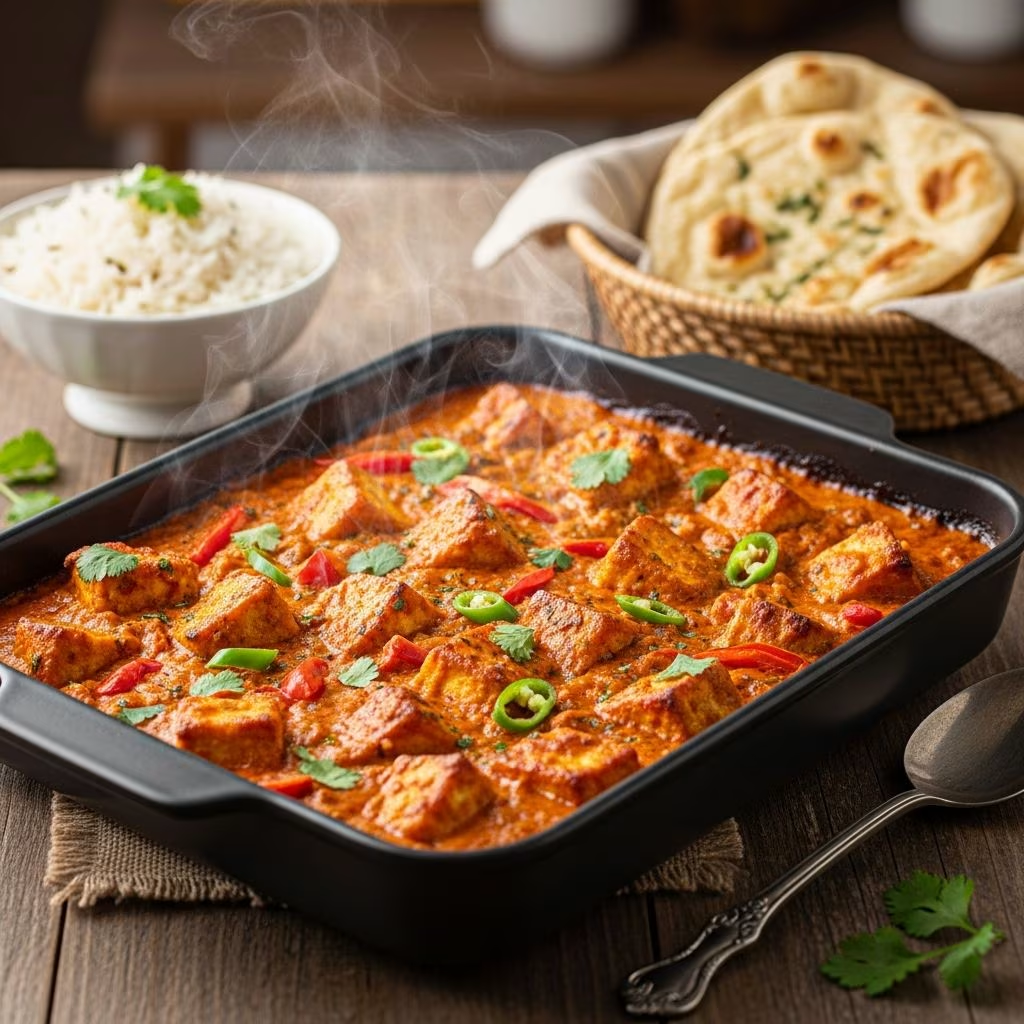
Baked butter paneer stands as one of the most beloved dishes in North Indian cuisine, combining tender paneer cheese with a luxurious, aromatic sauce that captures the essence of traditional cooking methods. This dish represents a perfect marriage of simplicity and sophistication, requiring minimal hands-on work while delivering restaurant-quality results. Whether you are a seasoned cook or someone new to Indian cuisine, understanding the fundamentals of this dish will elevate your cooking repertoire significantly.
Understanding Paneer and Its Role in This Dish
Paneer, a fresh cheese commonly used throughout Indian cooking, serves as the foundation of this delicious preparation. Unlike aged cheeses that melt completely, paneer maintains its shape and texture when heated, making it ideal for baking. The cheese develops a slightly crispy exterior when baked at high temperatures while maintaining a tender, creamy interior. This textural contrast becomes central to the overall eating experience, providing substance and nutritional value to the dish.
When selecting paneer, choose firm varieties that hold their shape during cooking. The quality of your cheese directly impacts the final dish, so sourcing from reliable suppliers matters considerably. Fresh paneer purchased from specialty stores or markets typically offers superior flavor and texture compared to pre-packaged options that may have been sitting on shelves for extended periods.
Essential Ingredients and Their Contributions
Creating authentic baked butter paneer requires a thoughtfully selected array of ingredients, each contributing unique flavors and textures:
| Ingredient | Amount | Role and Contribution |
|---|---|---|
| Paneer | 500-550g | Primary protein source, provides structure and mild flavor |
| Yogurt | 75-80g | Tenderizes paneer, adds tanginess, aids marinade adhesion |
| Tomatoes | 800g (canned or fresh) | Forms sauce base, provides acidity and body |
| Cream | 150ml | Creates richness, balances spices, smooths sauce texture |
| Oil or Ghee | 3-4 tablespoons | Cooking medium, carries flavors, adds richness |
| Garlic | 6 cloves | Aromatic foundation, provides pungency and depth |
| Ginger | 2cm piece | Aromatic element, adds warmth and digestive properties |
| Garam Masala | 1 teaspoon | Complex spice blend, provides warmth and complexity |
| Kasuri Methi | 1.5 tablespoons | Dried fenugreek leaves, adds distinctive herbal nuttiness |
| Cardamom | 1 teaspoon ground | Floral notes, complements other spices |
| Chilli Powder | 2 teaspoons Kashmiri variety | Heat and color without overpowering |
| Honey | 2 tablespoons | Sweetness, balances spices and acidity |
Preparation Techniques for Success
The preparation phase establishes the foundation for the entire dish. Begin by cutting paneer into uniform cubes approximately 2.5 centimeters on each side. This size ensures even cooking and allows the surface to develop the desired golden-brown edges while the interior remains creamy.
Creating the initial marinade involves combining the paneer cubes with half the crushed garlic, half the grated ginger, chilli powder, fresh lemon juice, salt, turmeric, and Greek yogurt. This mixture should be stirred gently but thoroughly, ensuring every piece of cheese receives an even coating. The marinade serves multiple purposes: it infuses the paneer with flavor, begins the tenderizing process through the yogurt’s lactic acid, and helps develop a flavorful crust during the initial baking phase.
The Two-Stage Baking Process
Initial Baking Phase
Preheat your oven to 200°C fan setting or 220°C conventional temperature. Line a deep baking tray (approximately 20 by 30 centimeters) with non-stick baking paper and brush lightly with oil to prevent sticking. Spread the marinated paneer cubes evenly across the prepared tray in a single layer.
Bake for 25 minutes until the paneer develops a crispy exterior with slight charring at the edges. This initial phase caramelizes the yogurt coating and creates textural complexity. The paneer should appear golden-brown, indicating proper color development without burning.
Sauce Development Phase
Remove the tray carefully and, once slightly cooled, peel away the baking paper while leaving the paneer in the tray. This step requires patience to avoid breaking the delicate cheese pieces. Add three tablespoons of oil and incorporate the remaining garlic and ginger, stirring gently to coat the baked paneer in this aromatic oil mixture.
Combine all the spices for the butter sauce—garam masala, cardamom, and additional chilli powder—along with salt and honey. Mix these with the garlicky oil and paneer. Pour the tomatoes slowly over the mixture, ensuring the paneer pieces become completely covered by the sauce. Return to the oven for 30 minutes, during which the sauce reduces and intensifies.
After this interval, remove from the oven and stir in the cream and crumbled kasuri methi. The dried fenugreek leaves add a distinctive savory-nutty undertone that distinguishes this dish from standard paneer curries. Return to the oven for a final 10 minutes, allowing the flavors to marry and the sauce to achieve the desired consistency.
Flavor Complexity Through Spices
The spice selection in this dish creates layers of flavor rather than simple heat. Kashmiri chilli powder provides warm color and gentle warmth without the aggressive burn of other varieties. Garam masala contributes warmth and complexity through its blend of cinnamon, cardamom, cloves, and other spices. Cardamom adds floral, slightly citrusy notes that elevate the dish beyond ordinary preparations.
Turmeric, included in the initial marinade, provides earthy undertones and traditional color while offering anti-inflammatory properties. The combination of these spices creates a balanced profile where no single flavor dominates, instead creating a harmonious whole that appeals to diverse palates.
Ingredient Selection and Sourcing
Quality ingredients dramatically influence the final result. Fresh paneer should be firm enough to hold its shape but tender enough to absorb flavors readily. If your local grocery store does not carry paneer, making it at home requires only milk, lemon juice, and basic kitchen equipment—a project that yields superior results compared to older pre-packaged varieties.
Choose high-quality yogurt without added stabilizers or modified starches, as these can interfere with the marinade’s tenderizing effects. For the tomatoes, canned San Marzano varieties offer consistent flavor and acidity superior to many fresh tomatoes outside their peak season.
Kasuri methi distinguishes this preparation from standard paneer butter masala and deserves sourcing from Indian grocery suppliers rather than settling for dried herbs of questionable age. Similarly, source cardamom pods and grind them fresh rather than relying on pre-ground versions that lose their volatile oils over time.
Serving Suggestions and Accompaniments
Baked butter paneer shines when served alongside warm naan bread, which provides textural contrast and absorbs the luxurious sauce. The pairing of soft, pillowy naan with creamy paneer sauce creates a complete eating experience. Alternatively, serve with basmati rice, jeera rice, or wholegrain roti depending on preference and dietary considerations.
A simple cucumber and tomato salad provides refreshing contrast to the rich curry. Lightly dressed greens or a raita made with yogurt and cucumber offer cooling accompaniments that balance the warming spices.
Customization and Variations
While the traditional preparation stands on its own merits, personal preferences may suggest modifications. Some cooks add cashew paste or coconut milk to create additional richness and creaminess. Others incorporate finely diced bell peppers or green peas during the final baking phase for textural variation and nutritional enhancement.
For those seeking deeper color and more pronounced spice, increasing the chilli powder slightly intensifies both heat and visual appeal. Conversely, reducing spice levels appeals to those with heat sensitivities without compromising flavor complexity.
Make-Ahead and Storage Considerations
This dish benefits from advance preparation, as flavors deepen and mellow over time. Prepare the complete dish several hours ahead, then gently reheat before serving. The baked paneer actually improves when allowed to sit, as the paneer absorbs surrounding flavors more thoroughly.
Store leftovers in airtight containers for up to three days in the refrigerator. Reheat gently over low heat on the stovetop, adding a splash of water or cream if the sauce has thickened excessively. Freezing is possible, though some texture changes may occur in the paneer after thawing.
Frequently Asked Questions
Can I use regular butter instead of oil?
Yes, butter adds traditional richness, though oil works equally well. Some cooks prefer combining both for optimal flavor. Use clarified butter or ghee to prevent burning at high oven temperatures.
What if my paneer breaks apart during cooking?
Paneer crumbles when overhandled or when using inferior-quality cheese. Cut gently, stir minimally, and handle with care. Using fresh, firm paneer from reliable sources prevents this issue entirely.
How can I achieve a glossy sauce finish?
The sauce naturally becomes glossy as cream is incorporated and the dish finishes cooking. If it appears dull, add a tablespoon more cream and stir gently before serving.
Is kasuri methi essential?
While not absolutely required, kasuri methi provides distinctive character difficult to replicate. Dried oregano or Italian herbs offer alternative herbaceous notes if kasuri methi is unavailable.
Can I reduce the cream content for a lighter version?
Reducing cream is possible, though the sauce becomes less luxurious. Using half cream and half yogurt maintains richness while reducing fat content.
References
- Meera Sodha’s Baked Butter Paneer Recipe — The Happy Foodie. 2024. https://thehappyfoodie.co.uk/recipes/meera-sodhas-baked-butter-paneer/
- Paneer Butter Masala Recipe – Restaurant Style — Indian Healthy Recipes. 2024. https://www.indianhealthyrecipes.com/paneer-butter-masala-restaurant-style/
- Creamy Cashew Indian Butter Paneer with Fried Paneer — Half Baked Harvest. 2024. https://www.halfbakedharvest.com/creamy-cashew-indian-butter-paneer-with-fried-paneer/