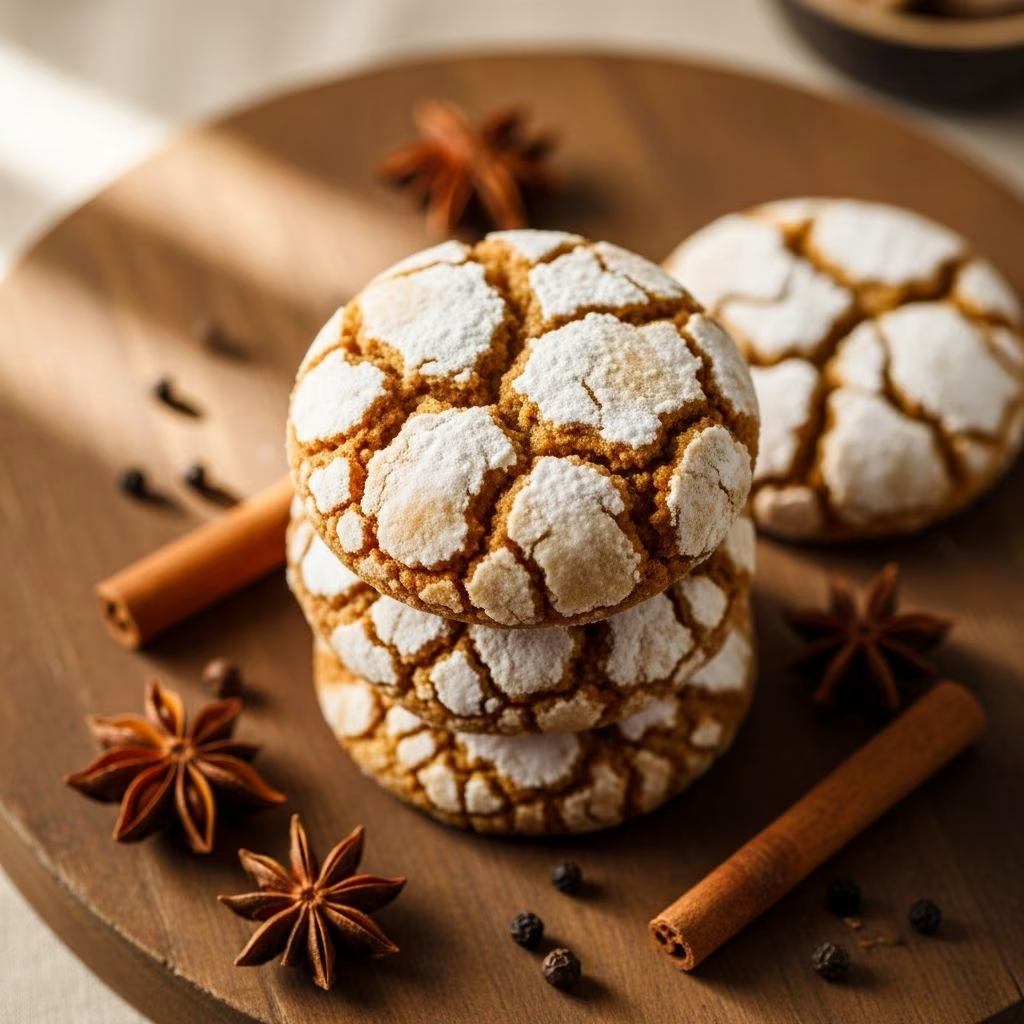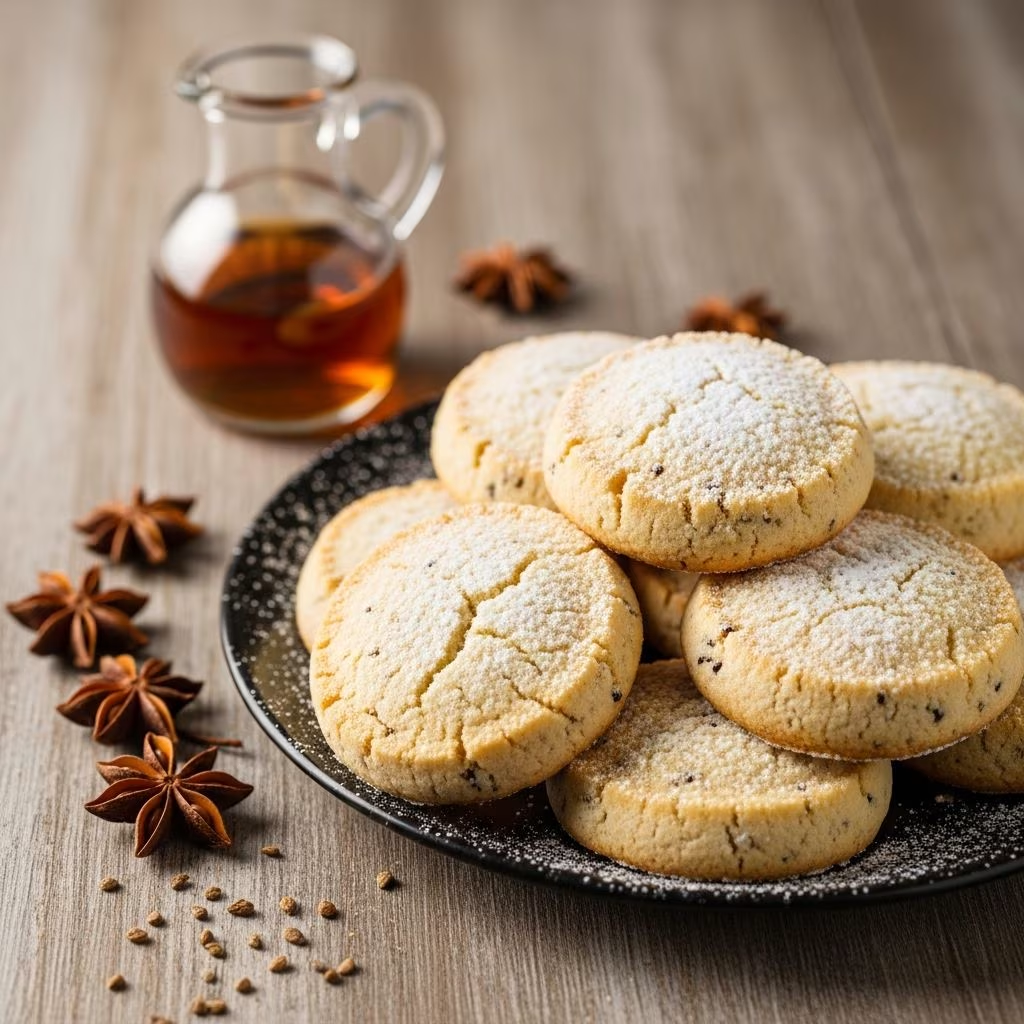
Spanish dessert traditions encompass a rich collection of baked goods that blend distinctive spice profiles with carefully selected spirits. Among these culinary treasures, anise seed borrachio cookies represent a fascinating intersection of flavor complexity and straightforward preparation methods. These butter-based confections showcase how simple pantry staples—when combined with intentional technique—create memorable treats that have sustained popularity across generations and geographical boundaries.
The term “borrachio” carries cultural significance in Spanish culinary terminology, referring to preparations that incorporate alcohol as a flavoring component. In this particular application, rum serves not merely as an intoxicating element but as a flavor carrier and tenderizing agent that penetrates the anise seeds through an extended marination process. This foundational technique distinguishes borrachio cookies from conventional sugar cookies and demonstrates how patience in preparation directly translates to enhanced final results.
Understanding the Core Ingredients and Their Contributions
The ingredient list for Spanish anise seed borrachio cookies follows a remarkably balanced formula that reflects centuries of culinary refinement. Each component plays a distinct role in achieving the desired flavor profile and textural outcome.
The Rum and Anise Foundation
The preparation begins with an unconventional step that separates these cookies from standard recipes: combining anise seeds with rum in a separate vessel for overnight marination. This infusion process allows the anise seeds to release their essential oils into the rum, creating a concentrated flavor base that distributes throughout the entire batch of dough. The anise plant produces compounds that become increasingly volatile when exposed to alcohol, intensifying the characteristic licorice-like notes that define these cookies.
Anise seeds contain anethole, the primary aromatic compound responsible for their distinctive taste profile. When submerged in rum overnight, these seeds undergo a flavor transformation that produces a more integrated, nuanced result compared to adding dry seeds directly to dough. The alcohol acts as a solvent, extracting and preserving these aromatic compounds for maximum impact during baking and consumption.
Butter and Sugar Composition
The recipe calls for unsalted butter and white granulated sugar in carefully measured proportions. Butter provides the structural foundation that creates the tender crumb associated with quality sugar cookies. The combination of one and one-quarter cups of butter with three-quarters cup of sugar establishes a ratio that favors richness while maintaining structural integrity throughout the baking process.
When butter and sugar undergo the creaming process, tiny air pockets become incorporated into the fat structure. This aeration contributes directly to the final texture, creating cookies with delicate, almost crumbly interiors contrasted against slightly crisp edges. The cream-colored appearance of properly creamed butter and sugar indicates successful incorporation of air, essential for achieving the desired cookie consistency.
Spice and Flavor Enhancers
Ground cloves introduce a warming spice element that complements the anise flavor without overpowering it. At one and one-half teaspoons per batch, cloves add complexity and depth to what might otherwise remain a single-note flavor experience. Vanilla extract contributes subtle sweetness and aromatic brightness that balances the more assertive spice components.
Structural and Binding Elements
All-purpose flour provides the protein structure necessary for cookie formation, while baking powder ensures adequate rise during the baking process. The inclusion of one whole egg serves multiple functions: contributing moisture, providing binding properties through its protein content, and adding richness to the final texture. Salt, though used sparingly at one-half teaspoon, amplifies the perception of other flavors and balances sweetness.
Preparation Sequence and Timing Considerations
The success of anise seed borrachio cookies depends significantly on following a logical preparation sequence that respects the chemical and physical changes occurring throughout the process.
The Overnight Infusion Stage
Initiating preparation by placing two tablespoons of anise seeds in a small bowl, then pouring three tablespoons of rum over them, requires patience but delivers superior results. Unlike shortcuts that might involve mixing these components with other ingredients immediately, the overnight marination allows for complete flavor integration. Cover the bowl to prevent alcohol evaporation, and store it at room temperature. By morning, the rum will have transformed into a fragrant, seed-speckled infusion ready for incorporation into the main dough.
Creaming the Fat Base
In a separate medium-sized bowl, combine softened butter, white sugar, and vanilla extract. Use an electric mixer or vigorous manual whisking to beat these ingredients until the mixture achieves a light, fluffy consistency. This stage typically requires three to five minutes of continuous beating, depending on the butter’s initial temperature and the vigor applied during mixing. The transformation from grainy, dense mixture to smooth, pale cream indicates successful aeration.
Incorporating Wet and Flavored Elements
After achieving the desired creamed texture, introduce the rum-infused anise seeds, stirring thoroughly to ensure even distribution throughout the butter mixture. The seeds and their alcohol medium should integrate completely, creating a homogeneous mass. Follow this step by adding the single egg, mixing only until just combined. Overmixing at this stage can incorporate excess air that produces cookies with undesirable texture in the final bake.
Combining Dry Ingredients
In a separate bowl, whisk together the flour, baking powder, salt, and ground cloves. This preliminary combination ensures that the leavening agent and spices distribute evenly throughout the flour, preventing concentrated pockets of flavor or inconsistent rise during baking. Gradually add this dry mixture to the wet mixture, stirring gently until just combined. Premature or incomplete combination will result in dry spots, while excessive mixing develops gluten networks that produce tough, dense cookies rather than the desired tender crumb.
Refrigeration and Dough Conditioning
Transfer the combined dough to a container, cover tightly with plastic wrap, and refrigerate for a minimum of one hour, though longer resting periods yield superior results. During refrigeration, the gluten network relaxes, and the flavors meld together more completely. Cold dough also handles more easily during the shaping phase and spreads less aggressively in the oven, resulting in more uniform cookie sizes and shapes.
Shaping, Cutting, and Preparation for Baking
Once the dough has thoroughly chilled, remove it from the refrigerator and allow it to rest at room temperature for five to ten minutes. This brief warming period makes rolling and cutting significantly easier without compromising the structural benefits of cold dough.
Dust a clean work surface lightly with flour and, using a rolling pin, carefully roll the dough to approximately one-eighth inch thickness. This relatively thin profile ensures that cookies will bake evenly without developing thick, doughy centers while the edges brown too intensely. Cookie cutters of any desired shape work perfectly; traditional Spanish recipes often feature round shapes or simple geometric patterns.
Place shaped cookies on a lightly greased baking sheet, spacing them approximately one-half inch apart to allow for slight expansion during baking without cookies touching or overlapping. Alternatively, parchment paper lines simplify cleanup and ensure more consistent browning across the entire batch.
Baking Process and Doneness Indicators
Preheat the oven to 350 degrees Fahrenheit (175 degrees Celsius) before the dough is completely ready. Accurate oven temperature proves critical for achieving properly baked cookies; use an oven thermometer to verify temperature accuracy, as many household ovens deviate by ten to twenty-five degrees.
Place the prepared baking sheet in the preheated oven and bake for approximately ten minutes. The cookies will transition from pale to lightly golden, with edges achieving a slightly darker shade indicating proper doneness. Several minutes before the anticipated completion time, open the oven and visually inspect the cookies. They should appear set but not overly browned; the centers may still feel slightly soft to light finger pressure, which indicates they will continue cooking and firming during the cooling phase.
Remove the baking sheet from the oven and allow cookies to cool on the sheet for two to three minutes. This resting period allows the structure to set while the cookies remain warm enough to transfer easily. Using a thin spatula, carefully lift each cookie and transfer it to a wire cooling rack where air circulation ensures complete cooling and texture setting.
Flavor Profile and Tasting Notes
The completed anise seed borrachio cookies deliver a multidimensional sensory experience that unfolds gradually across the palate. Initial impressions feature prominent anise and rum notes, followed by warming spice sensations from the cloves. Vanilla undertones provide sweetness and aromatic brightness, while the butter foundation creates a luxuriously tender crumb that dissolves smoothly during consumption.
These cookies pair exceptionally well with hot beverages, particularly strong coffee or traditional Spanish chocolate preparations. The cookies’ flavor complexity complements rather than competes with beverage accompaniments, creating harmonious taste combinations that have sustained their popularity in Spanish culinary traditions.
Storage and Preservation Methods
Properly stored anise seed borrachio cookies maintain their quality and flavor for extended periods. Once completely cooled, place them in an airtight container with parchment paper separating layers to prevent sticking. Store at room temperature for up to one week, or refrigerate for longer preservation extending to two weeks. The butter content and absence of moisture-rich components prevent spoilage common in other baked goods, while the airtight container prevents staling through moisture loss.
Frequently Asked Questions
Can I make the anise-rum infusion shorter than overnight?
While overnight infusion produces optimal results, marinating for a minimum of four to six hours provides acceptable flavor development. However, overnight preparation remains the recommended approach as it allows complete flavor extraction and integration.
What type of rum works best for this recipe?
Light or white rum produces subtle, refined flavor contributions that allow the anise and other spices to remain prominent. Dark rum imparts stronger molasses notes that may dominate the flavor profile. Experiment with your preferred rum style to determine your optimal balance.
Can I substitute the rum with another ingredient?
While not traditional, brandy or water infusions with additional anise extract can substitute for rum if alcohol is unavailable or undesired. However, the traditional rum component contributes distinct flavor complexity that alternatives cannot fully replicate.
How should I adjust baking time for different oven types?
Convection ovens may require reducing baking time by one to two minutes due to increased air circulation. Monitor cookies closely during initial attempts in your specific oven to establish accurate timing. An oven thermometer ensures accurate temperature regardless of oven type.
Can these cookies be frozen for long-term storage?
Yes, properly cooled cookies can be frozen in airtight containers for up to three months. Thaw at room temperature before serving to restore optimal texture and flavor characteristics.
Troubleshooting Common Baking Challenges
Cookies spreading excessively: This typically indicates insufficient dough chilling or oven temperature too low. Ensure complete refrigeration and verify oven temperature accuracy.
Cookies remain too soft after baking: Extend baking time by one to two minutes, watching carefully to prevent excessive browning. Cookies continue firming during cooling, so slight underbaking is preferable to overbaking.
Anise flavor insufficiently pronounced: Extend the marination period or increase anise seed quantity by one-half tablespoon. Additionally, toasting the seeds before marinating intensifies their aromatic compounds.
Cookies taste too strongly of rum: Reduce rum quantity by one tablespoon or extend marination time, allowing more alcohol to evaporate. Alternatively, use a milder rum variety.
Serving Suggestions and Pairings
Spanish anise seed borrachio cookies adapt remarkably well to various serving occasions. Traditional afternoon tea service pairs these cookies with hot beverages and light refreshments. Their sophisticated flavor profile also makes them appropriate for holiday gift giving or special occasion entertaining. Consider presenting them in decorative boxes or ribboned packages as homemade gifts that showcase baking skill and cultural appreciation.
These cookies complement dessert platters featuring other Spanish or Mediterranean specialties, creating cohesive flavor experiences that transport diners to specific culinary traditions. Their shelf-stability and transportability make them ideal candidates for potluck contributions or picnic accompaniments.
References
- Anise Seed Borrachio Cookies — PantryLink Recipes. Retrieved April 10, 2026. https://pantrylink.app/recipes/anise-seed-borrachio-cookies
- Recipe for Anise Seed Borrachio Cookies — WisdomLib. Retrieved April 10, 2026. https://www.wisdomlib.org/recipes/anise-seed-borrachio-cookies-56938
- Anise Seed Borrachio Cookies Recipe — Food.com. Retrieved April 10, 2026. https://www.food.com/recipe/anise-seed-borrachio-cookies-170342