Understanding the Appeal of Air-Fried Catfish
Catfish has long been a beloved staple in Southern cuisine, cherished for its mild flavor and tender texture. The traditional method of deep-frying this fish in large quantities of oil creates an indulgent dish that many find difficult to enjoy regularly due to health considerations. The advent of air fryer technology has revolutionized how home cooks can prepare this classic comfort food. Air frying offers a solution that maintains the desirable crispy exterior and juicy interior without the excessive oil and associated calories of traditional frying methods.
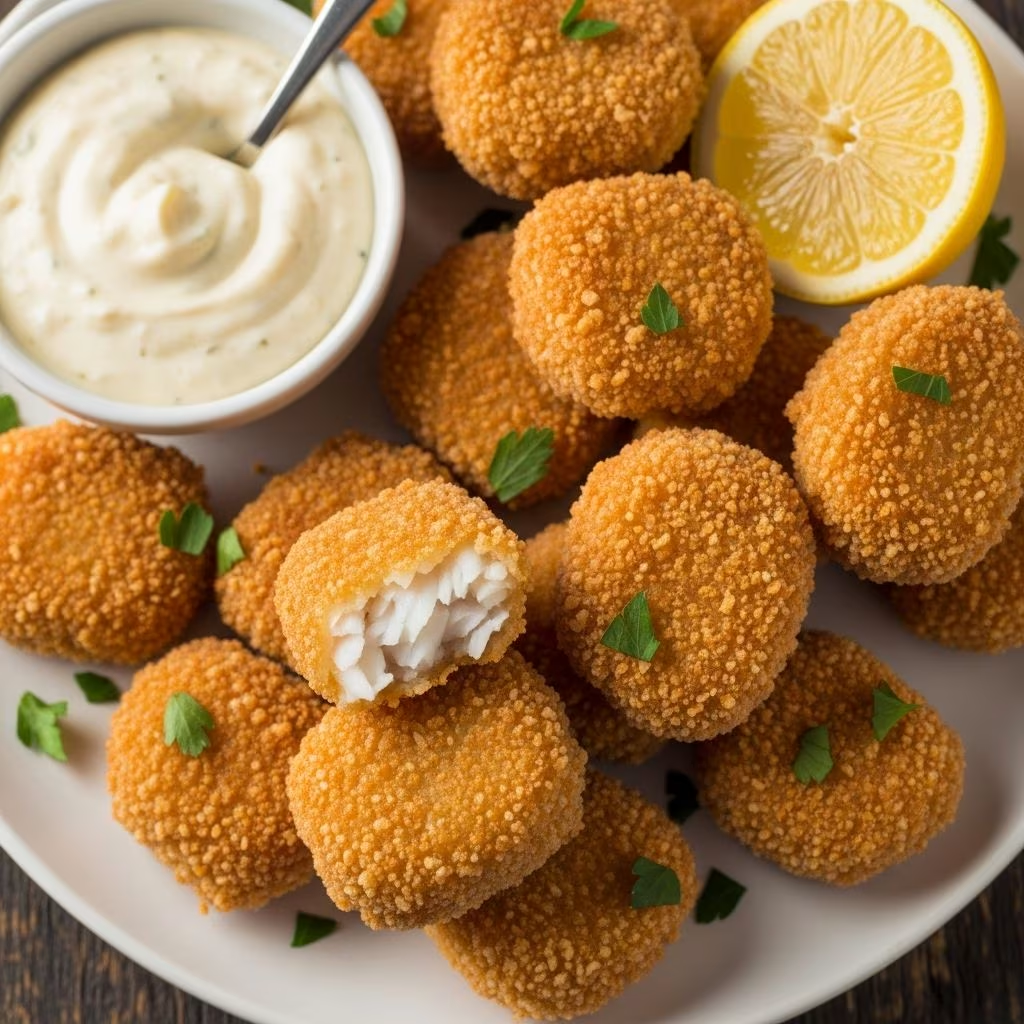
The air fryer works by circulating hot air at high velocity around food, creating a Maillard reaction that produces the characteristic golden crust. When applied to catfish nuggets, this technique delivers exceptional results that rival traditional frying while using minimal oil. The cooking method is faster, cleaner, and produces less odor than conventional frying, making it an attractive option for weeknight dinners and entertaining guests alike.
Selecting and Preparing Your Catfish
The foundation of an excellent catfish nugget dish begins with quality fish selection. Whether you choose fresh or frozen catfish, ensure that it comes from a reputable source and has been handled properly. Fresh catfish should have a mild aroma and firm flesh, while frozen varieties should be vacuum-sealed to prevent freezer burn and oxidation.
Preparation begins with proper thawing if using frozen catfish. Rather than thawing at room temperature, which can promote bacterial growth, place frozen catfish in a bowl of cold water. This method safely defrosts the fish while maintaining its texture and quality. Change the water periodically to accelerate the process. Once thawed or if using fresh catfish, pat the fillets thoroughly dry with paper towels. Moisture on the surface interferes with breading adhesion and prevents proper browning, so this step is critical for achieving the desired crispy coating.
Cut your catfish into uniform one-inch pieces to ensure even cooking throughout the batch. Consistency in size prevents some pieces from cooking faster than others, resulting in a batch where all nuggets are simultaneously tender and properly cooked through.
Breading Options and Flavor Customization
Several breading approaches can yield excellent results with air-fried catfish nuggets. The most straightforward method involves using pre-made fish fry mixes, which offer convenience and tested flavor profiles. These commercial blends typically contain cornmeal, seasonings, and flour that create an authentic fried fish coating.
Alternatively, you can create a custom breading mixture by combining the following components:
- One cup of cornmeal as the primary coating ingredient
- One tablespoon of Cajun or Creole seasoning for warm, layered spice
- One and one-half teaspoons of garlic powder for depth
- One-half teaspoon of salt to enhance overall flavor
- One-half teaspoon of black pepper for pungency
For those seeking additional flavor dimensions, consider incorporating Old Bay seasoning, paprika, cayenne pepper, or onion powder into your breading mixture. Some home cooks add a tablespoon of mustard to the breading for subtle tanginess, while others include fish sauce for umami complexity. The beauty of preparing catfish nuggets at home lies in your ability to customize seasonings to personal preferences.
For enhanced tenderness and to eliminate any strong fish flavors, consider soaking prepared catfish pieces in buttermilk for thirty minutes before breading. This optional step tenderizes the flesh and imparts a subtle richness that complements the crispy exterior beautifully.
The Breading Process Explained
Proper breading technique ensures even coverage and maximum crispiness. Pour your selected breading mixture into a shallow bowl or directly into a large Ziploc bag. If using the bowl method, place catfish pieces one at a time into the breading, ensuring full coverage on all sides. The bag method offers convenience and minimal cleanup—simply add catfish and seasoning mixture, seal, and shake thoroughly until all pieces are evenly coated.
After breading, transfer nuggets to a large plate or tray. Shake off excess breading before placing pieces into the air fryer basket. Loose breading particles can fall to the bottom of the air fryer basket and potentially burn, creating unpleasant flavors and smoke. This preparatory step ensures optimal cooking results and equipment longevity.
Air Fryer Setup and Temperature Management
Successful air-fried catfish begins with proper equipment preparation. Preheat your air fryer to 400°F, allowing three to five minutes for it to reach the target temperature. This preheating ensures consistent cooking and optimal browning from the moment nuggets enter the basket.
While your air fryer heats, prepare the basket by lightly coating it with nonstick spray. This prevents sticking and facilitates easy removal of finished nuggets. Arrange breaded catfish pieces in a single layer within the basket, ensuring they do not overlap. If your air fryer has limited capacity, cook in multiple batches rather than overcrowding. Overcrowded baskets result in uneven cooking and insufficient air circulation, compromising texture and cooking consistency.
The strategic application of oil spray significantly impacts the final product. Lightly mist the tops of breaded nuggets with cooking oil or olive oil spray before cooking begins. This modest oil application promotes browning and crispiness without the health drawbacks associated with deep frying. If using a pre-seasoned air fryer-specific fish mix, oil application becomes optional.
Cooking Process and Timing Guidelines
Place prepared catfish nuggets into the preheated air fryer basket and begin cooking at 400°F. The initial cooking phase lasts five minutes. At this point, carefully open the air fryer basket and flip each nugget to the opposite side. This flipping ensures even browning on both the bottom and top surfaces. Reapply a light coating of oil spray to the newly exposed tops.
Continue cooking for an additional five to seven minutes, monitoring the nuggets toward the end of cooking. The total cooking duration typically ranges from ten to twelve minutes, depending on nugget size and your specific air fryer model. Variations in air fryer models mean cooking times may require minor adjustment. Nuggets are finished when the breading achieves a golden-brown color and the internal fish temperature reaches 145°F, the safe minimum temperature for cooked fish according to food safety guidelines.
Some recipes suggest cooking without flipping and extending the total cooking time to approximately ten minutes. This method works when the air fryer basket allows adequate air circulation underneath the nuggets. Experimentation with your particular equipment will reveal the approach that yields your preferred results.
Complementary Sauces and Serving Suggestions
Freshly cooked catfish nuggets pair beautifully with an array of accompaniments. Classic lemon wedges provide bright acidity that cuts through the richness of the coating and enhances the delicate fish flavor. Simple squeeze bottles of fresh lemon juice offer convenient application.
Consider these sauce pairings:
- Tartar sauce with pickles and mayonnaise for traditional Southern flavor
- Remoulade sauce blending mayonnaise, mustard, and Creole seasonings
- Hot sauce varieties for those preferring heat and spice
- Cocktail sauce combining ketchup and horseradish for bold complexity
- Simple ranch dressing for milder palates
- Asian-inspired sweet and sour sauce for fusion dining
Catfish nuggets transform into satisfying sandwiches when served on toasted buns with lettuce, tomato, pickles, and your preferred sauce. They also work beautifully as appetizers for gatherings, offering elegant finger food that appeals to diverse guests. Serve over rice with vegetables for complete meals, or pair with salads for lighter dining.
Storage and Make-Ahead Strategies
Cooked catfish nuggets can be refrigerated in airtight containers for up to three days. Reheat in the air fryer at 350°F for three to five minutes to restore crispiness before serving. Alternatively, place nuggets on a wire rack over a baking sheet and reheat in a conventional oven at 375°F for approximately five minutes.
For longer storage, freeze cooked nuggets in freezer-safe containers or bags for up to two months. When ready to enjoy, reheat directly from frozen in the air fryer at 375°F for eight to ten minutes, or thaw overnight in the refrigerator and reheat as described above.
Uncooked, breaded catfish nuggets can be frozen before cooking. Arrange breaded pieces on a baking sheet, freeze until solid (approximately two hours), then transfer to freezer bags. Cook directly from frozen, adding two to three minutes to the cooking time. This make-ahead approach simplifies meal preparation on busy weeknights.
Troubleshooting Common Issues
If your catfish nuggets emerge from the air fryer with pale, incomplete browning, ensure adequate oil has been applied to both sides of the breading. Additionally, verify that your air fryer basket was preheated along with the unit, and confirm that 400°F represents the correct temperature for your model. Some air fryers run hotter or cooler than displayed, so temperature verification with an independent thermometer may prove helpful.
Conversely, if nuggets exhibit excessive browning or burnt spots, reduce the cooking time by one to two minutes and lower the temperature to 390°F. Dark spots may also result from loose breading fragments burning in the basket—ensuring thorough removal of excess breading before cooking prevents this issue.
If cooked catfish appears dry, the nuggets likely exceeded their ideal cooking duration. Reduce cooking time incrementally until you identify the sweet spot where interiors remain moist while exteriors achieve desirable crispiness. Remember that carryover cooking continues briefly after removal from the air fryer, so removing nuggets when they reach 140°F internally accounts for this additional heat.
Nutritional Considerations and Health Benefits
Air frying catfish nuggets offers significant nutritional advantages over traditional deep-frying methods. The reduction in oil usage substantially decreases total fat and calorie content while maintaining the satisfying flavors and textures associated with fried fish. Catfish itself provides valuable protein, omega-3 fatty acids, and essential vitamins and minerals including vitamin D and selenium.
The cooking method preserves these nutritional benefits while producing a lighter final product. Those managing dietary restrictions or health goals can enjoy beloved catfish dishes more regularly when prepared through air frying rather than traditional oil-based cooking.
Equipment Recommendations
Quality air fryers vary in capacity, temperature range, and air circulation patterns. Basket-style air fryers ranging from three to six quarts suit most household needs. Models featuring consistent temperature display, timer functions, and removable baskets simplify the cooking process. Ensure your selected air fryer reaches temperatures of at least 400°F to properly prepare catfish nuggets.
Essential accessories include nonstick spray for basket preparation, a reliable kitchen thermometer for verifying internal fish temperature, and a shallow bowl or baking dish for breading application. Paper towels, measuring cups, and cutting boards complete the basic equipment needed for success.
Frequently Asked Questions
Can I prepare catfish nuggets without soaking in buttermilk?
Yes, buttermilk soaking is optional. While it enhances tenderness and reduces fishy flavors, excellent results occur without this step. Simply ensure your catfish is properly dried before breading for optimal coating adhesion.
What temperature ensures food safety for catfish?
The USDA recommends cooking fish to an internal temperature of 145°F. Use a meat thermometer to verify this temperature at the thickest part of the nugget for food safety assurance.
How do I prevent breading from falling off during cooking?
Thoroughly dry catfish before breading, shake off excess breading before air frying, and ensure pieces don’t overlap in the basket. These practices maintain breading adhesion throughout the cooking process.
Can I cook frozen breaded catfish nuggets directly without thawing?
Yes, frozen breaded nuggets can cook directly from frozen. Add two to three minutes to the cooking time and monitor for desired browning.
What’s the best way to reheat leftover catfish nuggets?
Air frying at 350°F for three to five minutes restores crispiness effectively. This method outperforms microwave reheating, which can make nuggets soggy.
References
- Fish and Fishery Products Hazards and Controls Guide — U.S. Food and Drug Administration. 2022. https://www.fda.gov/food/seafood/fish-and-fishery-products-hazards-and-controls-guide
- Catfish Handling and Storage — National Catfish Information Center, Mississippi State University. 2023. https://www.catfishinstitute.com
- Food Safety Guidelines for Cooking Fish to Proper Temperatures — Centers for Disease Control and Prevention. 2024. https://www.cdc.gov/foodsafety/communication/cooking-temperatures.html
- Air Frying Technology and Maillard Reaction in Cooking — Journal of Culinary Science & Technology. 2023. https://www.tandfonline.com/toc/rcst20
- Nutritional Composition of Catfish and Omega-3 Content — U.S. Department of Agriculture Nutrient Database. 2024. https://fdc.nal.usda.gov