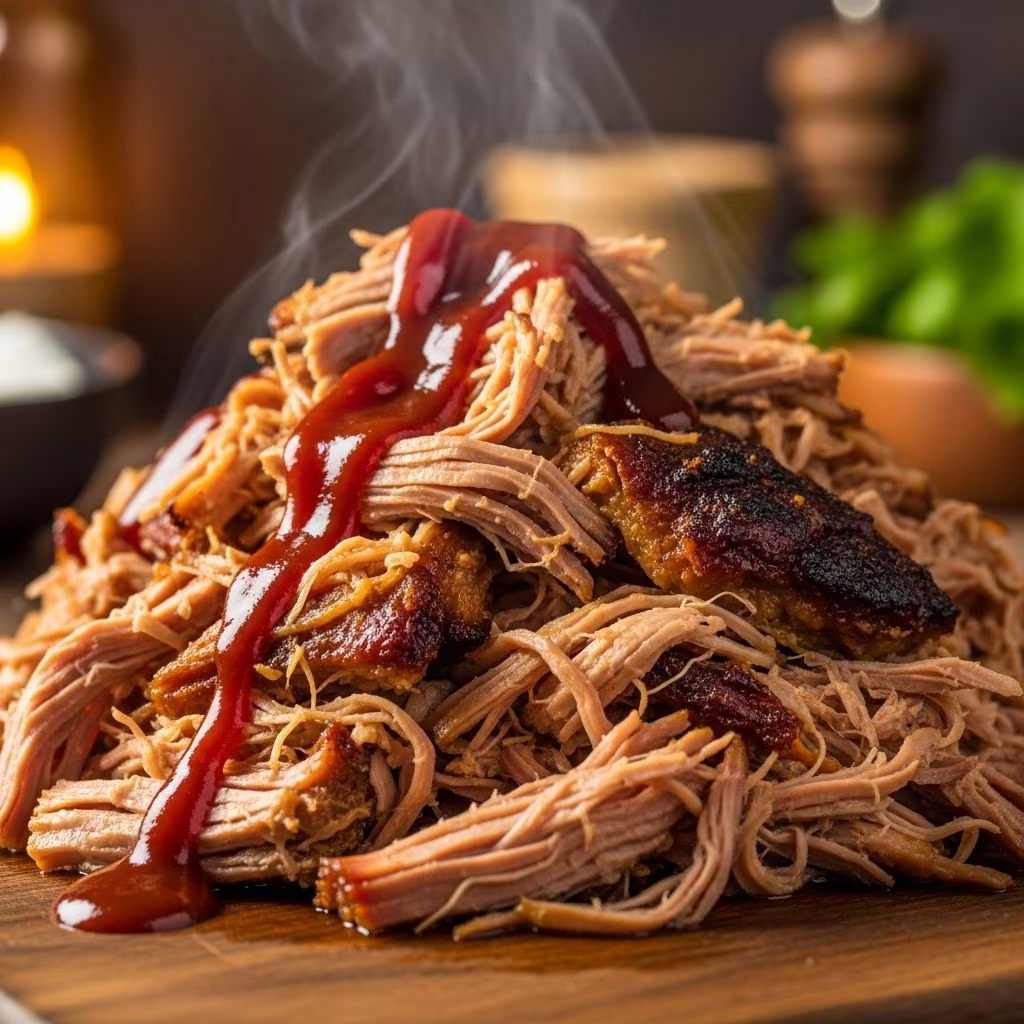
Slow-cooked pulled pork loin stands out as one of the most rewarding dishes a home cook can prepare, combining minimal active preparation with maximum flavor development. This cooking method transforms a lean cut of meat into a succulent, shredded dish that works beautifully in sandwiches, tacos, salads, and grain bowls. The slow cooker does the heavy lifting, allowing collagen and connective tissues to break down gradually, resulting in meat so tender it pulls apart effortlessly with a fork.
Understanding Pulled Pork Cuts and Selection
When preparing slow-cooked pulled pork loin, understanding your protein selection matters significantly. While pork shoulder and pork butt are traditional choices for pulled pork due to their higher fat content, pork loin offers a leaner alternative that still delivers excellent results when prepared correctly. Pork loin typically weighs between 2 to 4 pounds, making it suitable for smaller gatherings or family meals.
When shopping for your pork loin, look for cuts with a thin layer of fat on the exterior. This fat cap protects the meat during the long cooking process and adds flavor to the finished dish. The meat should have a pinkish color and feel firm to the touch. Avoid cuts that appear pale or have a sticky surface, as these may indicate improper storage or handling.
- Pork loin cuts are leaner than shoulder options, reducing overall fat content
- A 3 to 4-pound loin typically feeds 6 to 8 people as a main course
- The fat cap should be at least 1/4 inch thick for optimal moisture retention
- Fresh pork generally produces better results than previously frozen options
Building Layers of Flavor Through Dry Rubs
The foundation of exceptional pulled pork begins with a well-balanced dry rub that combines sweet, smoky, and savory elements. The rub creates a flavorful crust and penetrates the meat during the extended cooking process, ensuring every bite contains complex seasoning throughout.
A traditional pulled pork dry rub typically incorporates brown sugar for sweetness, smoked paprika for deep smokiness, chili powder for mild heat, and garlic powder for umami depth. Additional components like mustard powder, onion powder, and cayenne pepper can be adjusted based on personal preferences regarding spice levels and flavor intensity.
Essential Dry Rub Components
| Ingredient | Amount | Function |
|---|---|---|
| Brown Sugar | 2-3 tablespoons | Provides sweetness and encourages caramelization |
| Smoked Paprika | 1-2 tablespoons | Delivers smoky depth without actual smoking |
| Chili Powder | 1 tablespoon | Adds mild heat and earthiness |
| Garlic Powder | 1-2 teaspoons | Provides savory backbone and umami |
| Kosher Salt | 1-2 teaspoons | Enhances all flavors and seasons the meat |
| Black Pepper | 1 teaspoon | Adds pungency and warmth |
Preparation begins by combining all dry ingredients in a small bowl, whisking thoroughly to distribute seasonings evenly. Some recipes recommend adding honey or apple cider vinegar to the rub mixture, creating a paste-like consistency that adheres better to the meat surface. This wet rub variation intensifies flavor penetration and prevents seasonings from settling at the bottom of the slow cooker.
Preparing Your Pork Loin for Slow Cooking
Proper preparation ensures even cooking and optimal flavor development throughout the pork loin. Begin by rinsing the meat under cool water and patting it completely dry with paper towels. Moisture on the surface can interfere with browning and seasoning adherence, so thorough drying is essential.
Next, trim excess fat from the top of the loin, leaving approximately 1/4 inch to protect the meat and add flavor during cooking. Some recipes recommend searing the pork in a hot skillet before transferring it to the slow cooker. This additional step creates a flavorful brown crust through the Maillard reaction, though it is optional and the dish will still be delicious without searing.
Step-by-Step Preparation Process
- Rinse the pork loin and pat dry completely with paper towels
- Trim the fat cap to approximately 1/4 inch thickness
- Coat the entire surface with a thin layer of vegetable oil to help the rub adhere
- Apply the dry rub generously to all sides of the meat, pressing gently to ensure coverage
- Place prepared vegetables such as sliced onions or carrots at the bottom of the slow cooker
- Position the seasoned pork on top of the vegetables, fat-side up
Creating the Cooking Liquid
The liquid surrounding the pork during slow cooking serves multiple critical functions: it maintains moisture, creates steam that keeps the meat tender, and combines with seasonings to develop the braising liquid that will eventually sauce the finished dish. Traditional pulled pork cooking liquids incorporate vinegar-based elements, liquid smoke, and sometimes broth or cola.
A well-balanced cooking liquid should include acidic components like apple cider vinegar or white vinegar to tenderize the meat and cut through richness, liquid smoke to enhance the smoky profile developed by the dry rub, and optional Worcestershire sauce or mustard for complexity. Some recipes add beef or chicken broth to extend the liquid and create a more substantial braising environment.
Recommended Cooking Liquid Combinations
- Apple cider vinegar base: 1/2 cup vinegar mixed with 1/4 cup water and 2 tablespoons liquid smoke
- Worcestershire approach: 1/3 cup Worcestershire sauce combined with 1/3 cup apple cider vinegar and 1/4 cup water
- Broth-enhanced method: 1 cup beef broth with 1/4 cup vinegar and 1 tablespoon liquid smoke
- Cola variation: One 12-ounce cola combined with 1/4 cup vinegar and liquid smoke to taste
Slow Cooking Guidelines and Temperature Management
Cooking temperature and duration directly impact the texture and moisture content of the finished pulled pork. Low and slow cooking breaks down collagen and gelatin gradually, producing the desired fall-apart consistency without drying out the meat. Most pulled pork loin recipes recommend cooking on low for 6 to 8 hours or on high for 4 to 5 hours.
The choice between low and high settings depends on your schedule and equipment. Low settings produce more tender results with superior moisture retention, while high settings accommodate busier schedules. Modern slow cookers vary in heating power, so initial cooking times should be treated as guidelines rather than absolutes.
The pork is properly cooked when it shreds easily with a fork and a meat thermometer inserted into the thickest portion reads 190°F or higher. At this temperature, connective tissues have fully broken down, allowing the muscle fibers to separate readily. Undercooked pork may still be tough, while overcooking can result in dryness despite the moist cooking environment.
Crafting Homemade Barbecue Sauce
While pre-made barbecue sauces offer convenience, homemade versions allow customization of sweetness, spice, and tang levels to complement your preferences and the slow-cooked meat perfectly. A quality barbecue sauce should balance sweet notes from brown sugar or honey, acidic components from vinegar, savory elements from mustard and spices, and occasional umami depth from Worcestershire sauce.
Simmering sauce ingredients for 20 to 30 minutes before serving mellows harsh vinegar notes and allows flavors to integrate more cohesively. This short cooking step is well worth the minimal effort, as it prevents the sauce from tasting one-dimensional or aggressively acidic.
Balanced Barbecue Sauce Formula
A foolproof sauce begins with one cup of ketchup as the base, providing tomato flavor and natural sweetness. Add 1/2 cup apple cider vinegar for tang and tenderizing properties, 1/3 cup brown sugar for depth and caramelization potential, 2 tablespoons honey for complexity and richness, 1 tablespoon yellow mustard for bite and savory notes, and 1 to 2 teaspoons smoked paprika for smokiness that echoes the dry rub. Season with salt and pepper to taste after simmering.
Shredding and Finishing Techniques
Once the pork loin reaches full tenderness, carefully remove it to a cutting board and allow it to rest for 5 to 10 minutes before shredding. This resting period allows juices to redistribute, resulting in moister meat. Using two forks or meat shredders, pull the meat apart into bite-sized pieces, discarding any large pieces of fat that did not render during cooking.
Return the shredded pork to the slow cooker and stir it into the cooking liquid and rendered fat. This step ensures every piece becomes coated with the flavorful braising liquid, which can be used as-is or combined with prepared barbecue sauce. Some cooks prefer returning the slow cooker to the warm setting for 15 to 20 minutes to allow flavors to integrate further.
Serving Suggestions and Presentation Ideas
Pulled pork loin’s versatility makes it suitable for numerous applications beyond traditional sandwiches. Serve it on toasted brioche buns with coleslaw and pickled jalapeños for a classic presentation, or incorporate it into tacos with fresh cilantro and lime crema. For lighter applications, pile it onto salads with vinaigrette, serve it over rice and beans, or use it as a topping for baked sweet potatoes.
- Classic sandwich: brioche bun with coleslaw, pickled onions, and BBQ sauce
- Taco filling: corn or flour tortillas with cilantro, lime crema, and diced onion
- Grain bowl base: served over rice, quinoa, or farro with roasted vegetables
- Loaded sweet potato: topped with pork, cheese, and sour cream
- Salad protein: mixed greens with ranch dressing and crispy onions
- Appetizer cups: mini phyllo or wonton cups filled with pulled pork and sauce
Storage and Make-Ahead Considerations
One of pulled pork’s greatest advantages is its excellent storage properties. Refrigerate cooled pulled pork in an airtight container for up to 4 days, or freeze for up to 3 months. The dish actually improves as flavors meld during storage, making it perfect for advance preparation.
To reheat refrigerated pulled pork, warm it gently in a covered skillet over low heat with a splash of water or broth to restore moisture, or heat it in a microwave-safe container at 50% power, stirring occasionally. Thaw frozen portions in the refrigerator overnight before reheating using the same gentle methods.
Troubleshooting Common Pulled Pork Issues
Even when following recipes carefully, variables in slow cooker performance and ingredient variations can occasionally produce less-than-ideal results. Understanding potential issues and their solutions ensures consistent success.
Tough, Stringy Meat: This indicates insufficient cooking time. Return the pork to the slow cooker and continue cooking for an additional 1 to 2 hours until it shreds easily.
Dry, Flavorless Finished Dish: Ensure adequate cooking liquid and verify that you are not cooking on high temperature for extended periods. The liquid should partially cover the pork to create a braising environment.
Overly Fatty Results: After cooking, skim excess fat from the surface of the cooking liquid before returning the shredded pork to the slow cooker. Some fat adds flavor and moisture, but excessive amounts can create undesirable textures.
Frequently Asked Questions
Can I use pork loin instead of pork shoulder for pulled pork? Yes, pork loin works well for pulled pork, though it produces leaner results. Ensure adequate cooking liquid and avoid overcooking to prevent dryness.
How much pulled pork should I prepare per serving? Plan for 1/4 to 1/3 pound of cooked pulled pork per person as a main course serving, depending on accompanying dishes.
Is it necessary to sear the pork before slow cooking? Searing adds flavor through browning but is optional. The pork will still be delicious without this step if time is limited.
What can I do with the cooking liquid after shredding the meat? This flavorful liquid can be reduced on the stovetop to create a concentrated sauce, or thinned with broth to serve as a gravy.
Can I double this recipe? Most slow cookers handle double quantities adequately, though you may need to increase cooking time slightly since the cooker will be fuller.
References
- Slow Cooker Smoky Pulled Pork — Spicy Southern Kitchen. Accessed April 2026. https://spicysouthernkitchen.com/slow-cooker-smoky-pulled-pork/
- Slow Cooker Pulled Pork (Sweet and Smoky) — Real Food Whole Life. Accessed April 2026. https://realfoodwholelife.com/recipes/pulled-pork/
- Easy Slow Cooker Barbecue Pulled Pork Loin Recipe — The Mom 100. Accessed April 2026. https://themom100.com/recipe/slow-cooker-barbecue-pulled-pork-loin/
- Slow Cooker Sweet and Spicy Pulled Pork — NeighborFood. Accessed April 2026. https://neighborfoodblog.com/easy-slow-cooker-sweet-and-spicy-pulled-pork/
- Perfect Slow Cooker Pulled Pork {Texas Style} — House of Yumm. Accessed April 2026. https://houseofyumm.com/perfect-slow-cooker-pulled-pork/