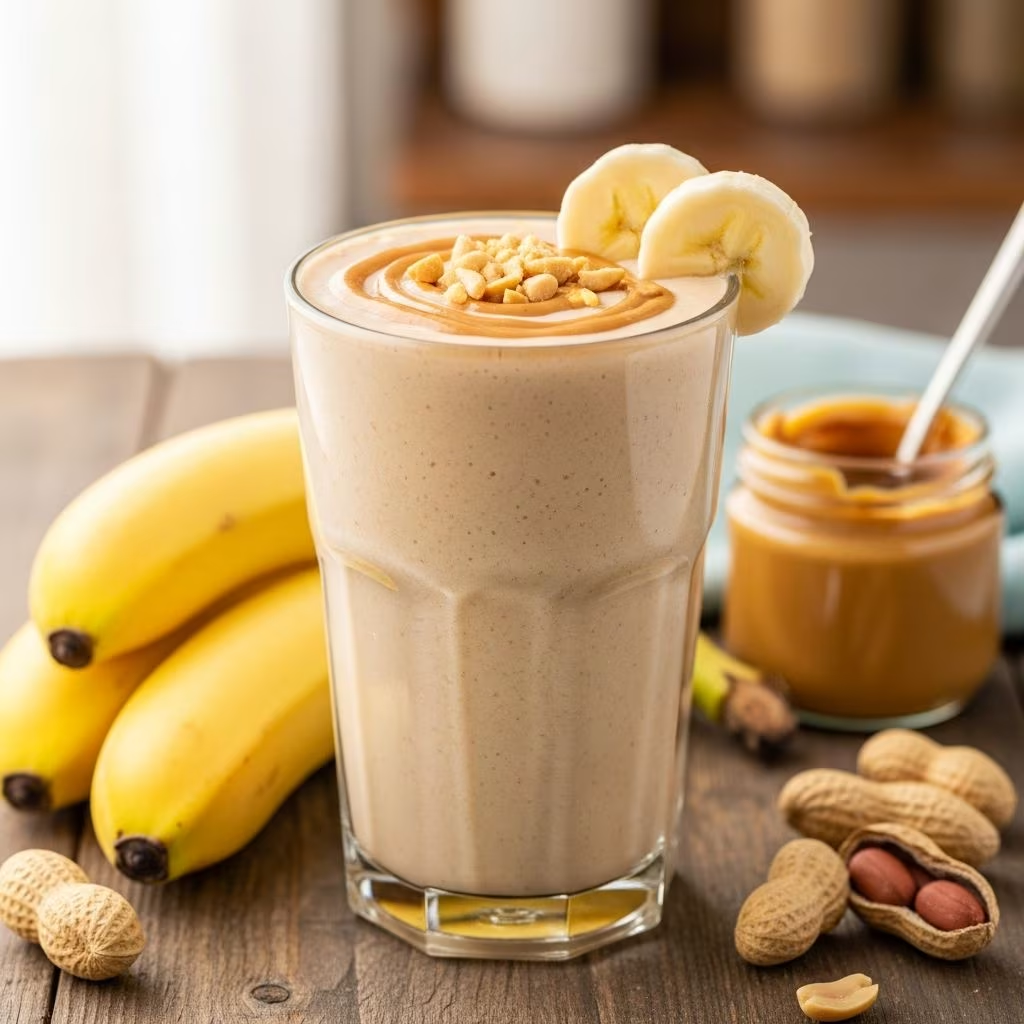
When you need a meal that combines convenience with genuine nutritional value, few options rival the appeal of a well-crafted smoothie. A peanut butter and banana smoothie represents one of the most versatile and satisfying beverages you can prepare at home, requiring minimal preparation time while delivering substantial nutritional benefits. This combination has become a staple for individuals seeking quick nutrition, whether they’re rushing out the door in the morning or looking for a post-workout recovery drink.
The beauty of this particular smoothie lies in its simplicity and adaptability. The creamy texture derived from both the fruit and the peanut butter creates a drink that feels indulgent despite being genuinely wholesome. Whether you prefer your smoothie thick enough to eat with a spoon or more liquid and drinkable, this recipe accommodates various preferences with straightforward adjustments.
Understanding the Core Components
Every successful smoothie begins with understanding what each ingredient contributes to the final product. The foundation of this smoothie rests on three primary elements that work in concert to create both flavor and texture.
The Banana: Nature’s Perfect Smoothie Base
Bananas serve as the primary structural component of this smoothie, and their selection matters significantly. Frozen bananas are particularly valuable because they naturally thicken the beverage without requiring excessive ice, which can dilute the flavor profile. The freezing process concentrates the banana’s natural sugars, actually intensifying the sweetness you experience when blended.
To prepare bananas for freezing, peel them completely, slice them into chunks roughly an inch thick, and arrange them on a baking sheet before placing them in your freezer. Once solidly frozen, transfer them to a freezer bag where they’ll keep for several weeks. This preparation method ensures you always have smoothie-ready bananas available, reducing preparation time when you actually make the beverage.
Fresh bananas work adequately if you lack frozen alternatives, though you’ll need to compensate by adding more ice to achieve the desired consistency. A single large banana, measuring approximately one cup when sliced, provides the appropriate volume for a standard smoothie serving.
Peanut Butter: The Protein and Flavor Engine
Peanut butter transforms this drink from a simple fruit smoothie into a complete nutritional package. Natural peanut butter represents the optimal choice, containing only peanuts and salt as ingredients. This quality matters because commercial peanut butters often include added sugars, hydrogenated oils, and emulsifiers that undermine the smoothie’s nutritional profile.
The amount of peanut butter dramatically influences both texture and taste. Two to three tablespoons creates a smoothie with noticeable peanut flavor without overwhelming the banana. Some people prefer increasing this to a full quarter cup for a more pronounced nutty taste. Conversely, reducing the peanut butter produces a lighter beverage that emphasizes the fruit component.
One consideration: peanut butter can make blending more challenging, particularly if you start with cold ingredients. Adding the liquid first, then peanut butter, then solid ingredients helps ensure everything combines smoothly. Starting your blender on low speed and gradually increasing power prevents the motor from struggling with thick, sticky components.
Dairy and Non-Dairy Milk Options
The liquid component binds everything together while controlling the smoothie’s final consistency. You have considerable flexibility here, with options including traditional dairy milk, almond milk, oat milk, and coconut milk all performing admirably.
Unsweetened varieties work best if you’re monitoring sugar intake, as the banana already provides natural sweetness. Start with approximately one-half cup of milk and adjust upward if the mixture seems too thick. This conservative approach prevents you from accidentally creating a beverage that’s too thin to feel substantial.
Enhancement Ingredients Worth Considering
While the three primary components create a satisfying smoothie independently, several additions elevate the experience further.
Greek Yogurt for Added Creaminess
Incorporating Greek yogurt fundamentally changes the smoothie’s character. Half a cup of plain Greek yogurt dramatically increases the smoothie’s protein content while creating an exceptionally creamy texture. The thickness you achieve rivals that of soft-serve ice cream, making this particularly appealing if you prefer eating your smoothie over drinking it.
Plain yogurt maintains the drink’s clean flavor profile, allowing the peanut butter and banana to remain prominent. Should you desire additional sweetness, vanilla yogurt provides a subtle flavor enhancement without overwhelming the mixture.
Protein Powder for Maximum Nutritional Impact
Adding a single scoop of quality protein powder transforms this into an exceptionally muscle-supportive meal. Vanilla and chocolate varieties integrate seamlessly into the existing flavor profile. A scoop of vanilla protein powder virtually disappears flavor-wise while boosting the protein content substantially. Chocolate protein powder creates an unexpected but delightful chocolate-peanut-banana combination reminiscent of classic candy pairings.
Flavor Depth Through Cocoa and Spices
A tablespoon of unsweetened cocoa powder adds sophisticated depth without excessive sugar. The cocoa combines beautifully with peanut butter, creating a flavor experience similar to peanut butter cups.
Ground cinnamon, even just a half teaspoon, contributes warmth and complexity that most people don’t consciously identify but clearly appreciate. Vanilla extract, used sparingly at about half a teaspoon, adds subtle sweetness and aroma.
Building Your Smoothie: A Step-by-Step Process
The order in which you add ingredients to your blender significantly impacts blending efficiency and final texture quality.
The Optimal Assembly Method
- Start by adding your chosen milk to the blender’s bottom, creating a liquid base that helps everything blend evenly
- Layer in your solid ingredients next: frozen or fresh banana chunks, peanut butter, yogurt if using, and any protein powder
- Top with ice cubes if you’ve chosen fresh bananas rather than frozen ones
- Secure the lid firmly and begin blending on the lowest speed setting
- Gradually increase speed over approximately thirty seconds as ingredients begin combining
- Blend at medium-high speed for another thirty to sixty seconds until completely smooth and creamy
Consistency Customization
The thickness of your finished smoothie depends entirely on personal preference and circumstances. For a thicker consistency that requires a spoon, use frozen bananas, Greek yogurt, and minimal milk. For a more drinkable consistency, increase milk gradually until you reach your target thickness.
A useful technique involves starting with slightly less milk than you think you’ll need, then adding milk gradually while blending until you achieve exactly the consistency you want. This prevents the common problem of accidentally creating something too thin.
Nutritional Benefits Explained
Understanding what makes this smoothie nutritionally valuable helps you appreciate why it has become such a popular choice among health-conscious individuals.
Protein Content and Satiety
Peanut butter contributes approximately eight grams of protein per two-tablespoon serving. When combined with Greek yogurt’s fifteen to twenty grams of protein per half-cup serving, or protein powder’s twenty-five grams per scoop, this smoothie easily rivals many conventional breakfast options in protein delivery. This protein content promotes sustained fullness, making the smoothie suitable as a genuine meal rather than merely a snack.
Micronutrients and Healthy Fats
Bananas provide potassium, an essential mineral for heart health and muscle function. The peanut butter supplies monounsaturated fats, the type associated with cardiovascular health benefits. These healthy fats also enhance the smoothie’s satiety factor, helping you feel satisfied for extended periods after consumption.
Fiber and Digestive Health
The combination of fruit and peanut butter provides dietary fiber, supporting healthy digestion. This fiber content also contributes to the sustained energy release that makes this smoothie preferable to sugary beverages that create energy spikes and crashes.
Creative Variations and Substitutions
The foundational recipe adapts beautifully to accommodate different preferences and dietary restrictions.
Alternative Nut and Seed Butters
Almond butter provides an excellent peanut butter substitute, offering slightly different flavor characteristics while maintaining the same nutritional profile benefits. Sunflower seed butter works particularly well for those with peanut allergies, delivering similar nutritional value and a surprisingly compatible taste.
Sweetener Adjustments
Most people find the natural banana sweetness completely satisfactory. However, if you prefer additional sweetness, honey or maple syrup integrate smoothly at approximately one tablespoon per serving. Those monitoring sugar intake can skip sweeteners entirely or explore sugar-free alternatives.
Seasonal and Flavor Variations
Adding a handful of spinach creates a nutrient-dense green smoothie without significantly altering the flavor. Frozen berries, especially blueberries or strawberries, add flavor complexity and additional antioxidants. A pinch of nutmeg complements the banana beautifully, while cocoa powder transforms the drink into something dessert-like.
Equipment Recommendations
While any functioning blender can process smoothie ingredients, certain features make the job easier and produce superior results.
High-powered blenders handle thick combinations of frozen fruit and nut butter with minimal effort, often featuring variable speed controls and preset smoothie buttons. Mid-range blenders work adequately, though they may require longer processing times and more manual speed adjustments. If using a basic blender, ensure it has at least 500 watts of power, and consider starting with slightly more milk than you ultimately want, as you can blend longer without building excessive heat.
A blender with a tamper—a tool that pushes ingredients toward the blade while the motor runs—helps tremendously when working with thick components like peanut butter, ensuring even distribution and smooth blending without requiring additional liquid.
Storage and Make-Ahead Strategies
Because these smoothies taste best immediately after blending, fresh preparation remains ideal. However, you can prepare components ahead for convenient morning assembly.
Pre-portioned frozen banana chunks stored in labeled freezer bags mean you can grab exactly what you need. Dividing peanut butter into small containers or even ice-cube trays frozen solid creates convenient portions. With these components prepared, actual smoothie assembly takes merely minutes.
If you must prepare smoothies ahead, refrigerate them in airtight containers for up to twenty-four hours. Separation typically occurs, so shake or restir before serving. The flavor and texture degrade noticeably after this period, so aim for same-day consumption whenever possible.
Frequently Asked Questions
Can I use powdered peanut butter instead of regular peanut butter?
Yes, powdered peanut butter works, though it produces a thinner consistency since most of the fat has been removed. Use approximately three tablespoons of powdered peanut butter to approximate the texture and taste of two tablespoons of regular peanut butter. The nutritional profile changes significantly—you’ll get less fat and fewer calories but also less protein.
What should I do if my smoothie is too thick?
Add milk gradually while blending until you reach your preferred consistency. Even small amounts of additional milk substantially affect thickness, so add slowly and blend between additions.
Is this smoothie suitable for people with nut allergies?
Those with peanut allergies should absolutely avoid this recipe as presented. However, seed butters like sunflower or tahini provide excellent substitutes, creating smoothies with similar nutritional profiles and surprisingly compatible flavors.
Can I make this smoothie without a blender?
Technically yes, though results suffer significantly. Mashing ingredients with a fork or potato masher and stirring vigorously won’t achieve the creamy consistency that makes this smoothie appealing. A basic blender is truly a necessary tool for this recipe.
How many calories does this smoothie contain?
A basic version with frozen banana, peanut butter, milk, and yogurt contains approximately 350-400 calories. Adding protein powder increases this to roughly 400-450 calories. The exact amount varies based on specific ingredient brands and quantities used.
Timing and Practical Applications
This smoothie proves particularly valuable in several specific contexts. For rushed mornings when breakfast seems impossible, a five-minute smoothie preparation provides legitimate nutrition without requiring cooking. Post-workout recovery scenarios benefit tremendously from the protein and carbohydrate combination this smoothie offers. Afternoon slumps respond well to the sustained energy these ingredients provide, making this superior to energy drinks or sugary snacks.
The versatility and genuine nutritional value of a peanut butter and banana smoothie explain why this combination has achieved such enduring popularity. Simple enough for beginners yet sophisticated enough for enthusiasts to customize endlessly, this smoothie represents one of the most practically useful recipes anyone can master.
References
- Nutrition and Athletic Performance — Academy of Nutrition and Dietetics. 2016. https://www.eatrightpro.org/practice/practice-resources/practice-papers-and-position-statements
- Potassium and Cardiovascular Health — American Heart Association. 2023. https://www.heart.org/en/healthy-living/healthy-eating/eat-smart/sodium/potassium
- Monounsaturated Fats and Heart Health — Harvard T.H. Chan School of Public Health. 2024. https://www.hsph.harvard.edu/nutritionsource/types-of-fat/monounsaturated-fats/
- Dietary Fiber: Essential for a Healthy Diet — U.S. Food and Drug Administration. 2020. https://www.fda.gov/food/nutrition-nutrition-facts-label/daily-value-nutrition-and-label
- Protein for Muscle Synthesis and Satiety — National Institute of Health. 2019. https://www.nih.gov/health