Smoking eggs transforms a simple, everyday ingredient into something extraordinary. What began as an experimental cooking technique has evolved into a beloved method for creating uniquely flavored appetizers and ingredients that elevate countless dishes. Whether you’re looking to impress guests at your next gathering or simply want to explore new culinary possibilities, smoking eggs offers surprising versatility and impressive results with minimal effort.
Understanding the Basics of Smoked Eggs
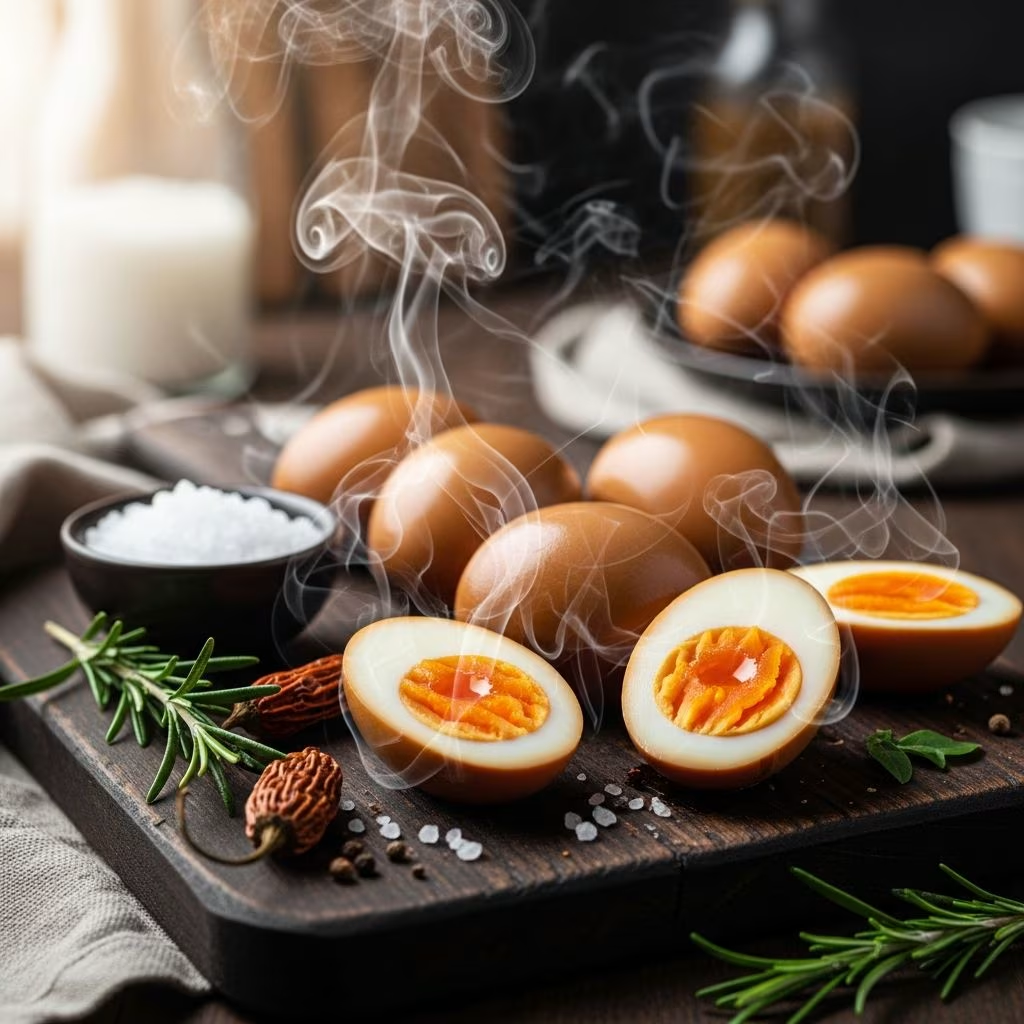
Smoked eggs are hard-boiled eggs that have been infused with smoke flavor from a smoker or grill. The process is remarkably straightforward, making it accessible even for beginners who have never experimented with smoking food before. The beauty of this technique lies in its simplicity combined with the impressive flavor transformation it delivers.
The appeal of smoked eggs extends beyond novelty. They serve multiple purposes in your kitchen: as standalone snacks with a sophisticated flavor profile, as the foundation for elevated deviled eggs, as salad toppings that add complexity and visual interest, or as components in various egg-based dishes. The mild flavor of eggs makes them an ideal canvas for absorbing smoke, allowing the chosen wood to shine through.
Equipment and Materials You’ll Need
Creating smoked eggs requires minimal equipment, most of which you likely already own:
- Smoker or grill: Electric, charcoal, propane, or pellet smokers all work equally well for this application. You can even use a traditional grill with smoking capability.
- Thermometer: Accurate temperature monitoring is crucial for consistent results.
- Wood chips or chunks: Your choice of smoking wood dramatically influences the final flavor profile.
- Ice bath setup: A bowl filled with ice water is essential for stopping the cooking process quickly.
- Grill grates or smoking racks: These hold your eggs safely in place during the smoking process.
Preparing Your Eggs for Smoking
The preparation method you choose significantly impacts the final product quality. Two primary approaches exist, each with distinct advantages:
Method One: Pre-Cooked Eggs
This is the most popular approach among smoking enthusiasts. Begin by hard-boiling your eggs using a steaming method rather than traditional boiling. Prepare a pot with a steamer basket containing one to two inches of water. Bring the water to a rolling boil before adding your whole raw eggs in a single layer, ensuring they’re suspended above the water level. Cook for approximately 12 minutes, then immediately transfer them to an ice bath for 15 minutes. This steaming method produces eggs that shell more easily and provides better smoke absorption compared to traditionally boiled eggs.
Method Two: Raw Egg Smoking
Some enthusiasts place raw eggs directly into the smoker at 325 degrees Fahrenheit for about 30 minutes, then transfer them to an ice bath and peel them. This method requires careful monitoring to ensure proper cooking while acquiring smoke flavor. While valid, this approach demands more attention and carries higher risk of inconsistent results.
Temperature Guidelines and Timing
Temperature selection affects both the smoking process and the intensity of flavor absorption. Different approaches yield different results:
| Temperature Range | Smoking Duration | Flavor Intensity | Best For |
|---|---|---|---|
| 170-200°F | 30-45 minutes | Mild to moderate | Subtle smoke flavor, general use |
| 225°F | 30-50 minutes | Moderate to strong | Balanced flavor for deviled eggs |
| 325°F | 30 minutes | Moderate | Raw egg smoking method |
| Cold smoking | 60+ minutes | Strong | Maximum smoke without heat |
Lower temperatures (170-200 degrees) minimize additional cooking while allowing smoke to penetrate the egg white and yolk. Most home smoking enthusiasts find that temperatures between 200 and 225 degrees provide an ideal balance, delivering noticeable smoke flavor without drying out the eggs. The longer you smoke the eggs, the more pronounced the smoky taste becomes.
Selecting the Right Smoking Wood
Your wood choice fundamentally shapes the flavor profile of your smoked eggs. Since eggs possess a naturally mild taste, they readily absorb and showcase different smoke characteristics:
- Pecan: Delivers a sweet, mild smoke with subtle nutty undertones. Excellent for those preferring delicate flavors.
- Cherry: Produces a slightly sweet, fruity smoke that complements eggs beautifully.
- Oak: Offers a strong, traditional smoky flavor that creates bold results.
- Hickory: Creates an assertive, bacon-like smoke that appeals to those enjoying robust flavors.
- Applewood: Produces a light, fruity smoke ideal for subtle applications.
Feel free to experiment with combinations of woods to develop your signature smoked egg flavor. The versatility of eggs as a smoking canvas means almost any quality smoking wood will produce delicious results.
Step-by-Step Smoking Process
Pre-Smoking Preparation
Begin by peeling your cooled, hard-boiled eggs. Arrange them in a single layer on your smoker grates, ensuring they don’t touch one another. Eggs placed directly on grates develop attractive grill marks that enhance their visual appeal. If your smoker has limited space, use a smoking rack designed for smaller items.
Setting Up Your Smoker
Preheat your smoker to your chosen temperature, typically between 170 and 225 degrees Fahrenheit. Add your selected smoking wood to the smoker according to your specific equipment’s instructions. Use enough wood to produce consistent smoke without creating excessive heat or bitter flavors. Allow your smoker to stabilize at the target temperature and produce steady, thin smoke before adding eggs.
The Smoking Stage
Place your peeled eggs directly on the grates and close the smoker lid. Smoke for 30 to 60 minutes depending on your desired smoke intensity. Eggs will gradually develop a light bronze coloration on their exterior as smoke penetrates the surface. Most home cooks smoke eggs for approximately 45 to 50 minutes to achieve a noticeable but not overpowering smoke flavor.
Cooling and Storage
Once the smoking time elapses, remove eggs from the smoker and immediately place them in an ice bath to stop any residual cooking. Once completely cooled, store them refrigerated in a tightly covered container. Smoked eggs benefit from refrigeration time, with some recipes recommending 8 to 24 hours of chilling before use to allow flavors to meld and develop fully.
Creating Smoked Deviled Eggs
Transforming your smoked eggs into deviled eggs represents one of the most popular applications. Begin by slicing cooled smoked eggs in half lengthwise and carefully scooping yolks into a mixing bowl. Mash yolks thoroughly with a fork until achieving a smooth consistency.
Building Your Filling Base
Combine mayonnaise, mustards (both yellow and Dijon varieties work beautifully), and pickle relish in your bowl of mashed yolks. Start with conservative amounts—approximately 1.5 tablespoons mayonnaise and 1 to 2 teaspoons each of mustard—then adjust according to personal preference. Add brine or juice from your pickle jar to enhance flavor complexity.
Flavor Customization Options
This is where creativity flourishes. Consider incorporating:
- Smoked paprika for visual appeal and additional smoke enhancement
- Chipotle in adobo sauce for heat and complexity
- Pepperoncini peppers for briny, spicy notes
- Hot sauce for additional kick
- Smoked cream cheese for richness and extra smoke flavor
- Fresh herbs like chives or dill for brightness
Assembly and Presentation
Transfer your prepared yolk mixture into a piping bag or ziplock bag with a corner cut off. Pipe the filling back into the egg white halves, creating an elegant presentation. Top with your choice of garnishes: pickled jalapeño slices, pulled pork, paprika, crispy bacon bits, or additional fresh herbs. The combination of smoked eggs with smoked cream cheese and traditional deviled egg ingredients creates particularly impressive results that will impress even the most discerning guests.
Alternative Preparation: Brined Smoked Eggs
For those seeking additional flavor dimensions, brining eggs before smoking creates remarkable depth. Simply prepare a brine solution using salt, water, and your preferred spices. Submerge hard-boiled eggs in this brine for 1.5 to 2 hours at room temperature—no need to refrigerate during this stage. The brining process infuses eggs with complementary flavors that combine beautifully with smoke, creating a more complex taste profile than smoking alone.
Innovative Serving Ideas
Beyond traditional deviled eggs, smoked eggs enhance numerous dishes:
- Salad topping: Slice smoked eggs over green salads, grain bowls, or potato salads for added protein and sophisticated flavor
- Sandwich ingredient: Layer smoked eggs in sandwiches or wraps for elevated lunch options
- Egg salad base: Use smoked eggs as your foundation for flavored egg salads
- Breakfast accompaniment: Serve alongside breakfast dishes for a smoky protein element
- Charcuterie board: Include smoked eggs as an unexpected, elegant component
- Appetizer platter: Display smoked deviled eggs as the centerpiece of appetizer spreads
Troubleshooting Common Issues
Insufficient Smoke Flavor
If your smoked eggs taste too mild, extend the smoking time during your next batch. Increase smoking duration to 60 minutes or use a stronger-flavored wood like hickory or oak. Alternatively, lower your smoking temperature slightly to 170-180 degrees, which slows the cooking process and allows more time for smoke absorption.
Overpowering Smokiness
Excessively bitter or acrid flavors indicate either excessive smoking time or inadequate smoke quality. Reduce smoking duration to 25-30 minutes and ensure your smoker is producing thin, blue smoke rather than thick, white smoke. Heavy smoke creates unpleasant bitter notes.
Uneven Smoking
If eggs develop uneven coloration, rotate them halfway through the smoking process. This ensures consistent smoke exposure across all eggs.
Frequently Asked Questions
How long can I store smoked eggs?
Properly stored smoked eggs remain fresh and delicious for up to 5 days when kept in a tightly covered container in your refrigerator. The cold temperature slows bacterial growth while the enclosed environment prevents flavor absorption from other foods.
Can I smoke eggs in a regular grill?
Yes. Any grill capable of maintaining low heat and producing smoke—including charcoal grills with smoking boxes or propane grills with smoker boxes—can successfully smoke eggs. The key is maintaining consistent low temperature and steady smoke production.
What’s the difference between hot smoking and cold smoking eggs?
Hot smoking (the standard method) occurs at temperatures between 170-325 degrees, with smoke and heat cooking the eggs simultaneously. Cold smoking happens at temperatures below 90 degrees, infusing smoke flavor without additional cooking. Cold smoking requires more specialized equipment and longer smoking times but produces exceptional results for those willing to invest the effort.
Do I need to peel eggs before smoking?
While you can smoke eggs in their shells, peeled eggs absorb smoke much more effectively and develop superior flavor. If smoking in shells, expect less pronounced smoke flavor and longer smoking times for comparable results.
Conclusion
Smoking eggs represents an accessible yet impressive technique that transforms ordinary ingredients into something extraordinary. Whether you’re preparing deviled eggs for an elegant dinner party, creating salad toppings that elevate everyday meals, or simply exploring new culinary possibilities, smoked eggs deliver consistent, delicious results. The straightforward process, minimal equipment requirements, and virtually unlimited customization options make this technique perfect for both experienced smoking enthusiasts and curious home cooks venturing into smoking foods for the first time. Experiment with different temperatures, wood types, and flavor combinations to discover your personal favorite approach to this surprisingly versatile cooking technique.
References
- Smoked Deviled Eggs: Cool Smoke for a Hot Appetizer — ThermoWorks Blog. 2024. https://blog.thermoworks.com/smoked-deviled-eggs/
- Smoked Deviled Eggs — Biscuits & Burlap. 2024. https://www.biscuitsandburlap.com/smoked-deviled-eggs/
- How to Make Tasty Smoked Eggs | A Quick Brine Recipe — Hearty Sol. 2024. https://heartysol.net/making-smoked-eggs-an-easy-brine-recipe/
- Smoked Eggs — Fox Valley Foodie. 2024. https://www.foxvalleyfoodie.com/smoked-eggs/
- How to Make Smoked Hard-Boiled Eggs — Gimme Some Grilling. 2024. https://gimmesomegrilling.com/how-to-make-smoked-hard-boiled-eggs/
- Smoked Eggs — Learn to Smoke Meat with Jeff Phillips. 2024. https://www.smoking-meat.com/smoked-eggs
- Fool Proof Hard Smoked Eggs on the Pellet Grill — Pellets and Pits. 2024. https://pelletsandpits.com/smoked-deviled-eggs/