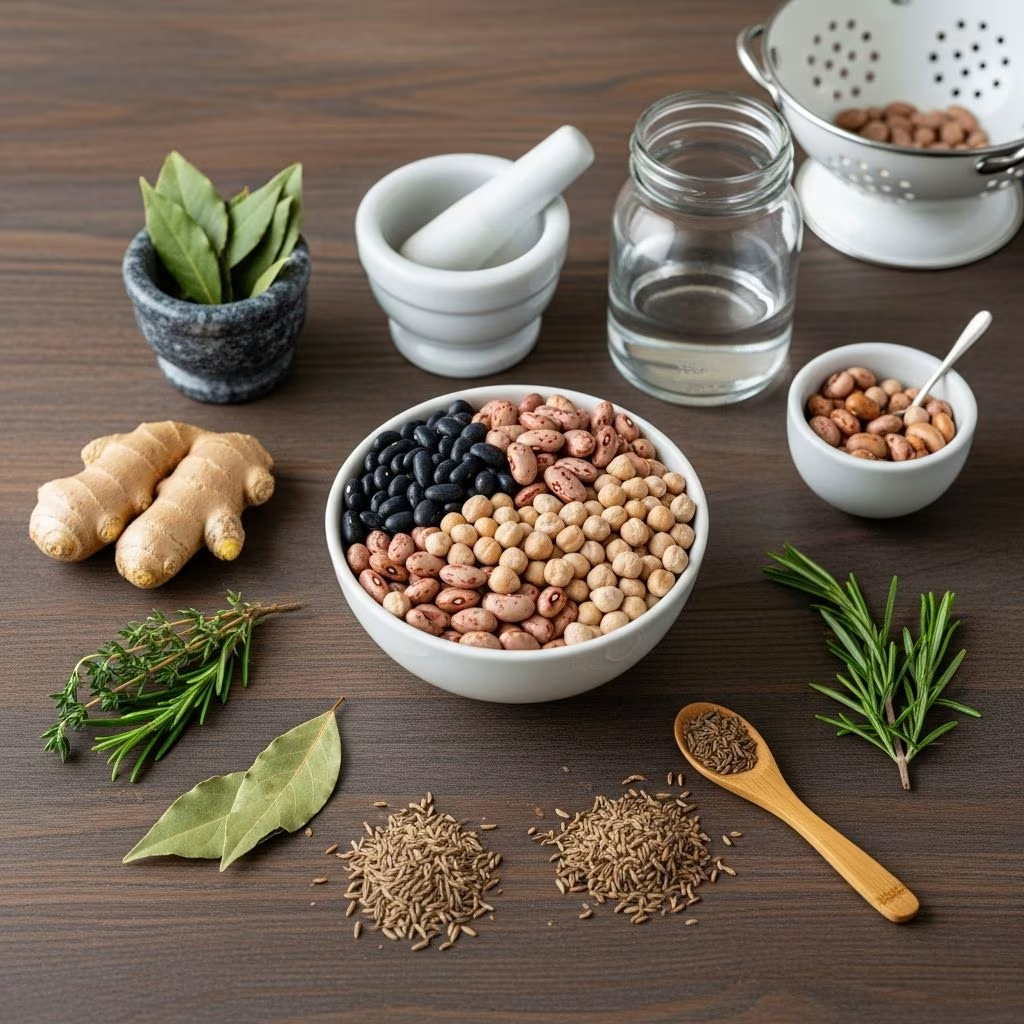
Beans stand out as a powerhouse of nutrition, packed with protein, fiber, and essential minerals that support overall health. Yet, many people avoid them due to the uncomfortable bloating and gas they can cause. The good news is that simple preparation changes can dramatically reduce these issues, allowing you to incorporate beans into your diet freely. This guide explores practical, science-backed strategies to make beans easier on your digestive system.
Understanding Why Beans Cause Gas
Gas from beans stems primarily from complex sugars called oligosaccharides, such as raffinose and stachyose, which humans lack the enzymes to break down fully. These sugars pass into the large intestine, where gut bacteria ferment them, producing hydrogen, carbon dioxide, and methane gases. Factors like bean variety, freshness, and individual gut microbiome influence the severity, but preparation techniques target these compounds directly.
Research shows that proper handling removes up to 75% of these gas-producing oligosaccharides, making beans far more tolerable. Starting with high-quality, fresh dried beans yields the best results, as older beans have tougher skins and higher indigestible content.
Essential Soaking Methods for Gas-Free Beans
Soaking is the cornerstone of gas reduction, as it allows beans to absorb water and release oligosaccharides into the discardable soaking liquid. Discard the soak water and rinse thoroughly before cooking to maximize benefits.
- Quick Soak (1 Hour): Cover beans with water, bring to a boil for 2-3 minutes, then let sit off heat for one hour. Ideal for time-crunched cooks.
- Hot Soak (4 Hours): Boil briefly, then soak covered for up to 4 hours. This method softens skins effectively without overnight waiting.
- Overnight Soak (8-12 Hours): Submerge in ample water in the fridge to prevent fermentation. Beans nearly double in size, with smoother, less cracked skins.
- Extended Soak (24-48 Hours): For maximum oligosaccharide removal, change water once or twice; best for sensitive digestions.
For canned beans, rinsing under running water for 30 seconds removes much of the canning liquid, which contains preservatives and gas inducers. Studies confirm soaking reduces raffinose by significant margins, directly correlating with less flatulence.
Brining and Additives: Boost Digestion During Soak
Elevate soaking by turning it into a brine with salt and baking soda. A recommended ratio is 1¾ teaspoons baking soda and 3 tablespoons kosher salt per 8½ cups water for one pound of beans. Baking soda raises pH, softening skins and accelerating oligosaccharide breakdown, while salt seasons evenly as beans plump.
Additional soak enhancers include fennel seeds in a tea ball—add one tablespoon to overnight water for natural digestive aid. Always discard the soak liquid to avoid reintroducing gases.
Cooking Techniques That Minimize Bloating
Once soaked and rinsed, cook beans gently to preserve tenderness and further reduce indigestibles. Simmer in fresh water covering beans by 3 inches, skimming foam periodically. Avoid rapid boils, which toughen skins.
- Cook until very soft—test by squeezing a bean; it should mash easily. Overcooking slightly helps break down fibers.
- Add aromatics: onion, garlic, carrot, celery, bay leaves, or kombu seaweed strip for umami and raffinose breakdown.
- Maintain a gentle sway in the pot, not a bounce, for even cooking.
For canned beans, simmer 20-30 minutes post-rinse to soften and infuse flavors.
Powerful Spices and Herbs for Digestive Relief
Certain spices contain enzymes or compounds that neutralize gas producers. Incorporate them during cooking for dual flavor and function benefits.
| Spice/Herb | Benefits | Usage Amount | Source Notes |
|---|---|---|---|
| Asafoetida (Hing) | Breaks down oligosaccharides; strong aroma mellows in cooking | ¼-½ tsp per 2 cans or 1 cup dry | Asian markets; pinch per cup beans |
| Epazote | Reduces gas production; earthy flavor | 1 tbsp per large pot | Mexican herb; add during simmer |
| Ajwain | Digestion aid; carminative properties | 1 tsp per pot | Indian spice; pairs with cumin |
| Ginger/Cumin | Stimulates enzymes; anti-bloating | 1-inch ginger or 1 tsp cumin | Fresh or ground; versatile |
| Kombu | Enzymes degrade raffinose; adds umami | 1-2 inch strip | Japanese seaweed |
These additives not only curb gas but enhance taste profiles, from Indian curries to Mexican stews.
Gradual Introduction and Eating Habits
Build tolerance by starting small: begin with 2-3 tablespoons daily, increasing weekly. This trains your gut microbiome to handle fibers better over time.
Chew thoroughly and eat slowly to minimize swallowed air, a common gas contributor. Pair beans with enzyme-rich foods like pineapple or papaya for extra breakdown.
Bean Varieties and Their Gas Potential
Not all beans are equal in gas production. Lentils, black-eyed peas, and black beans digest easiest with minimal or no soaking. Chickpeas, pintos, and navy beans benefit most from full prep.
- Low-Gas Options: Lentils, split peas, mung beans.
- Medium: Black beans, adzuki.
- Higher Effort: Kidney, chickpeas, soybeans.
Common Mistakes to Avoid
Reusing soak water reintroduces oligosaccharides. Cooking in hard water toughens beans—use filtered if possible. Skipping rinses on canned beans retains sodium and indigestibles. Overloading meals with unadapted beans overwhelms digestion.
Recipe Ideas Showcasing Gas-Free Beans
Spiced Black Bean Stew: Soak 1 cup black beans overnight with brine. Simmer with epazote, cumin, ginger, onion, and tomatoes for 90 minutes. Serves 4; fiber-rich without discomfort.
Kombu-Infused Chickpeas: Quick-soak chickpeas, cook with kombu strip, garlic, and rosemary. Mash for hummus or use in salads.
Hing-Roasted Pinto Beans: Rinse canned pintos, simmer 30 minutes with hing pinch, turmeric, and garlic. Roast for crispy snacks.
FAQs
Do canned beans cause less gas?
They cause less if rinsed well, but cooking further softens them more. Fresh prepared dried beans offer superior nutrition and texture.
How long to soak beans?
8-12 hours overnight is optimal; quick methods work for urgency. Always fridge-soak beyond 4 hours.
Does baking soda harm nutrition?
In small amounts during soaking, no; it softens without nutrient loss. Rinse before cooking.
Are there beans that never cause gas?
No bean is gas-free for everyone, but lentils and mung beans are closest with proper prep.
Can I soak in the fridge?
Yes, essential for long soaks to prevent bacterial growth.
Long-Term Benefits of Bean Consumption
Regularly prepared beans lower cholesterol, stabilize blood sugar, and promote gut health via prebiotic fibers. Overcoming gas barriers unlocks these perks, making plant-based eating sustainable.
References
- FIVE Ways to Avoid Gas with Beans — ESMMWeighless. Accessed 2026. https://esmmweighless.com/five-ways-avoid-gas-beans/
- How to Eat Beans without Gas – 60-Second Solutions — Prevention/YouTube. 2015. https://www.youtube.com/watch?v=iy91mdzKFdk
- Tooting Too Much? 3 Secret Ways How to Cook Beans + Stop Gas — YouTube (Mediterranean Diet channel). Accessed 2026. https://www.youtube.com/watch?v=wFFTx1onidQ