Basil, with its intoxicating aroma and versatile flavor, elevates dishes from simple salads to gourmet pastas. However, its delicate nature means it can wilt or blacken within days if not handled properly. This guide explores reliable strategies to extend the life of fresh basil, drawing on time-tested practices that prioritize the herb’s sensitivity to cold and moisture. Whether you’re growing your own or buying from the market, these methods ensure your basil remains potent and green.
Understanding Basil’s Unique Needs
Unlike hardier herbs like rosemary or thyme, basil hails from warm climates and reacts poorly to refrigeration. Cold temperatures cause cell damage, leading to black spots and limp leaves. Moisture buildup accelerates decay, while proper airflow and hydration mimic its natural environment. Selecting high-quality bunches—vibrant green, free of yellowing or bruising—is the first step. Trim stems upon purchase to encourage water uptake, setting the foundation for longevity.
Optimal Short-Term Storage: Countertop Method
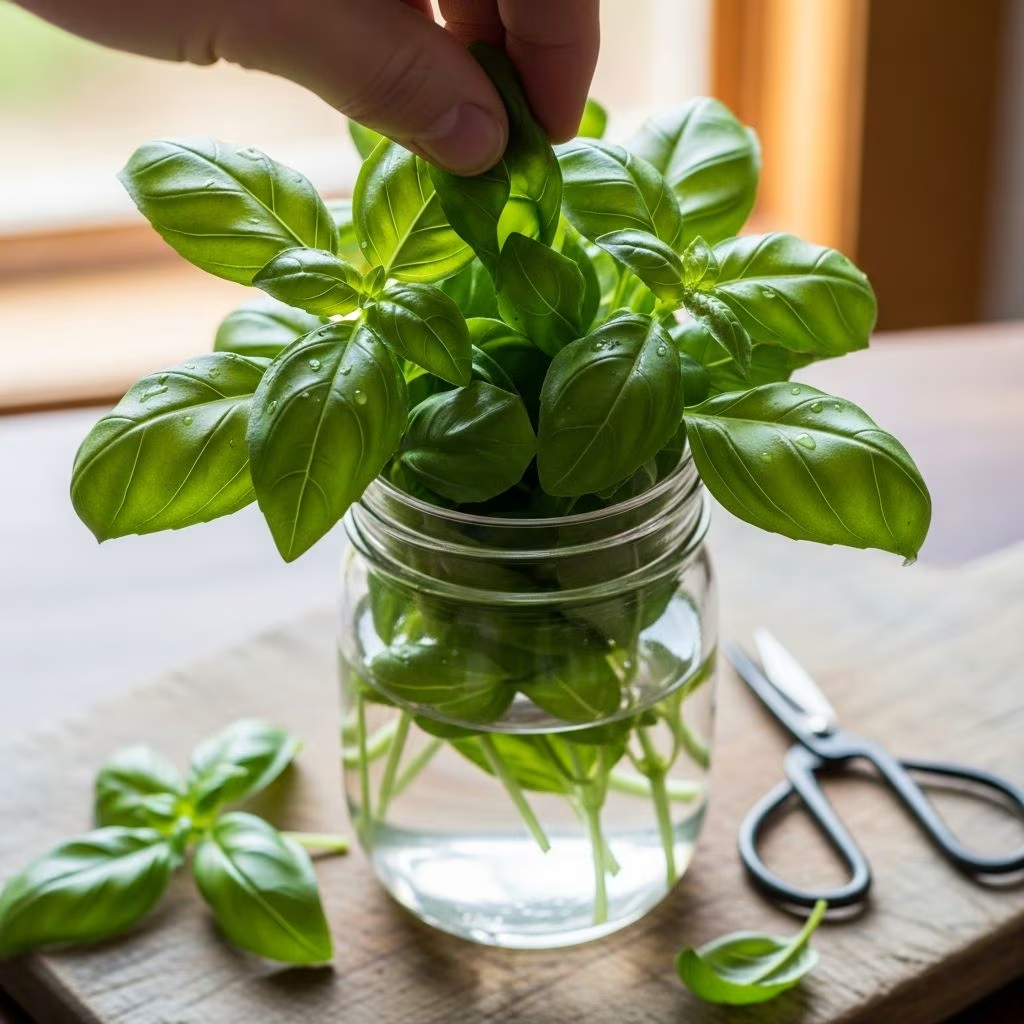
The most effective way to maintain basil’s freshness for up to a week involves treating it like a fresh bouquet. This approach leverages room temperature stability and controlled humidity.
- Prepare the stems: Snip half an inch off the bottom of each stem under running water to remove blockages and promote absorption.
- Choose a container: Use a tall glass jar or cup filled with cool, fresh water—enough to submerge stems by one inch.
- Position upright: Place the bunch in the jar, ensuring leaves don’t touch the water to prevent rot.
- Create a microclimate: Loosely drape a perforated plastic bag or beeswax wrap over the leaves, securing it without tightness around the jar. This traps humidity while allowing air exchange, simulating a greenhouse.
- Maintenance routine: Position in a cool, shaded kitchen spot away from direct sun or heat sources. Refresh water every 2-3 days, trimming stems again if needed.
This technique can sustain basil’s vibrancy for 5-7 days, outperforming fridge storage by preserving texture and scent.
Avoiding Refrigeration Pitfalls
While tempting for space-saving, the fridge often dooms basil. Chilling below 50°F (10°C) triggers cold injury, manifesting as darkened veins and slime. If short-term cooling is unavoidable, wrap dry leaves in paper towels to absorb excess moisture, then place in a breathable container. Even then, expect faster decline—use within 2-3 days. For Thai basil or other varieties, the same principles apply, though some tolerate mild chill better.
| Method | Duration | Pros | Cons |
|---|---|---|---|
| Room Temp Jar | 5-7 days | Maintains flavor, easy access | Requires counter space |
| Fridge Wrapped | 2-3 days | Space-efficient | Rapid wilting, flavor loss |
Long-Term Preservation: Freezing Techniques
For harvests or bulk buys, freezing captures basil’s essence for months. Two standout methods dominate: blanching for whole leaves and oil-pureeing for convenience.
Blanching and Freezing Whole Leaves
Blanching deactivates enzymes that cause browning, locking in color and taste.
- Boil water and prepare an ice bath.
- Dip clean leaves for 5-10 seconds, then plunge into ice water.
- Pat thoroughly dry to avoid crystals.
- Spread on a tray to flash-freeze, then transfer to airtight freezer bags.
Leaves soften upon thawing but excel in cooked applications like soups or stews.
Oil-Infused Puree for Effortless Use
This chef-favored hack transforms basil into portioned flavor bombs.
- Strip leaves, pulse in a processor to mince.
- Stream in neutral oil (olive or avocado) until a smooth paste forms—no water added.
- Spread thinly (1/3 inch) in zip-top freezer bags, flatten, and freeze flat for stacking.
- Break off sections directly into hot dishes; no thawing required.
Stored at 0°F (-18°C), it lasts 4-6 months, ideal for sauces and marinades.
Ice Cube Tray Innovation
Perfect for small batches:
- Chop blanched or fresh basil finely.
- Pack into trays with water or stock, covering lightly.
- Freeze solid, pop cubes into bags.
Drop into simmering pots for instant infusion.
Creative Alternatives to Freezing
Beyond ice and bags, consider vacuum-sealing purees post-freezing for extra protection against burn. Drying, though less ideal, works in arid climates: air-dry in bundles away from light, then crumble into jars. Flavor fades, suiting spice blends over fresh uses.
Recognizing and Handling Spoilage
Discard basil showing sliminess, musty smells, or fuzzy mold. Prevention trumps cure—consistent monitoring during storage minimizes waste. Compost viable scraps per local rules, or trash securely to curb pests.
Variety-Specific Tips
Sweet Basil (Ocimum basilicum): Standard methods apply; prioritize room temp.
Thai Basil: Slightly hardier; survives brief fridge stints if wrapped.
Lemon Basil: Oil puree enhances citrus notes.
Integrating Stored Basil into Recipes
Frozen basil shines in pesto (thaw and blend), tomato sauces (cubes melt seamlessly), or infused oils. Room-temp fresh elevates caprese salads and garnishes. Experiment with basil butter: puree thawed leaves with softened butter, roll, and freeze slices for steaks.
Frequently Asked Questions
Can I store basil in the fridge without it turning black?
Minimize risk by wrapping in paper towels and using the crisper drawer, but expect 2-3 days max. Countertop is superior.
How long does frozen basil last?
Up to 6 months in airtight packaging; label with dates.
Is blanching necessary for freezing?
Recommended for color retention, but oil purees skip it successfully.
What’s the best water for hydrating basil?
Room-temp or cool filtered water; change frequently.
Can I regrow store-bought basil?
Yes, root cuttings in water under bright indirect light.
Seasonal Strategies for Abundant Harvests
Summer surpluses demand bulk freezing. Scale up purees for year-round pesto kits. Pair with garlic and nuts pre-frozen for efficiency. In off-seasons, these stores bridge to fresh crops, maintaining culinary creativity.
Mastering basil storage empowers home cooks to harness this herb’s full potential. From jar-perched bouquets to freezer-ready pastes, these adaptable techniques minimize waste and maximize joy in every leaf.
References
- How to Store Fresh Basil — Glad. Accessed 2026. https://www.glad.com/articles/how-to-store-fresh-basil/
- The BEST Way to Save Fresh Basil — Robin Asbell, Chef and Author. 2020-08. https://robinasbell.com/2020/08/the-best-way-to-save-fresh-basil/
- Preserve Your Basil for Weeks! — Christopher Kimball’s Milk Street (YouTube). Accessed 2026. https://www.youtube.com/watch?v=NzZJhvZ1680