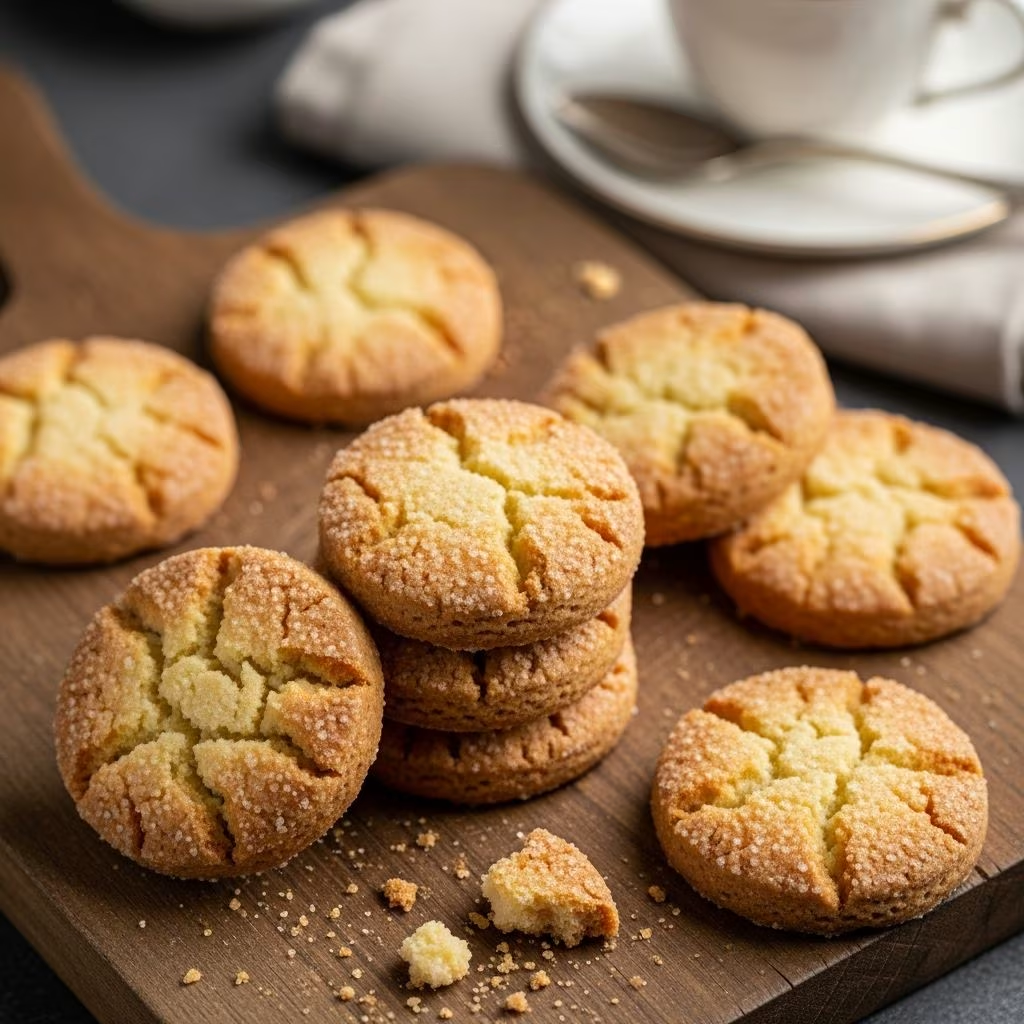
In the culinary landscape of France, few treats capture the essence of regional simplicity and elegance quite like palets bretons. These small, golden discs represent centuries of Breton tradition, embodying the philosophy that the finest baked goods require only the most fundamental ingredients combined with precision and care. The name itself tells a story—”palet” derives from the traditional game played in Brittany using small puck-shaped metallic objects, a reference that speaks to both the shape and cultural heritage of these beloved biscuits.
What distinguishes palets bretons from other French butter cookies is their commitment to salted butter as a defining characteristic. While many international baking traditions favor sweet cookies, these Breton treats celebrate the interplay between sweetness and salt, creating a sophisticated flavor profile that appeals to both adventurous palates and traditional bakers. The result is a biscuit that feels simultaneously indulgent and refined—buttery without being cloying, with just enough salt to keep the palate intrigued.
Historical Background and Cultural Significance
The origins of palets bretons extend back to the seventeenth century. According to regional lore, these biscuits were created in 1670 when they were presented to King Louis XIV by the Marquise de Sablé de Souvre. This aristocratic gesture transformed a simple regional treat into a delicacy worthy of royal recognition, a status it has maintained for over three centuries. The connection to nobility may explain the refined nature of these cookies—they were designed not merely as sustenance but as an expression of sophisticated taste.
In contemporary Brittany, palets bretons occupy a place of honor in both home kitchens and professional patisseries. While industrial versions now appear in supermarkets throughout France and beyond, many bakers still prefer the traditional homemade approach. The recipe serves as a foundation for countless French tart varieties, demonstrating its versatility beyond simple cookie consumption. This adaptability has allowed the tradition to evolve while maintaining its essential character.
Essential Ingredients and Quality Considerations
Creating authentic palets bretons requires careful attention to ingredient selection. The following components form the foundation of this recipe:
- Salted butter – The cornerstone of the biscuit, providing both flavor and texture
- Egg yolks – Contributing richness and binding properties
- Caster sugar – Providing sweetness and helping structure the dough
- Plain flour – The base that gives the biscuit its characteristic crumb
- Baking powder – A modest amount to provide subtle lift
- Vanilla extract – Optional but traditional, adding depth to the flavor profile
The type of butter used merits special consideration. In France, butter is classified into three distinct categories based on salt content. “Doux” represents unsalted butter, the standard product with no additional salt. “Demie-sel” indicates lightly salted butter containing between 0.5% and 3% salt by weight. “Salé” designates fully salted butter with more than 3% salt content. For authentic palets bretons, using French salted butter—preferably in the demie-sel range—provides the intended flavor balance. The salt in the butter integrates naturally during mixing, creating a harmonious seasoning throughout the biscuit rather than a sprinkled topping.
All ingredients should be at room temperature before beginning preparation. This seemingly minor detail significantly impacts the final texture, allowing the butter and egg yolks to incorporate smoothly and evenly throughout the mixture.
Ingredient Proportions and Variations
| Recipe Source | Butter (g) | Sugar (g) | Egg Yolks | Flour (g) | Baking Powder |
|---|---|---|---|---|---|
| Classic Breton | 80-100 | 80-100 | 2 | 140-150 | ½-1 tsp |
| Enriched Version | 180 | 150 | 5 | 230 | 1 tsp |
| Standard Recipe | 100 | 100 | 2 | 140 | ½ tsp |
The proportions above represent common variations found in traditional preparation. The classic Breton formula maintains a 1:1 ratio of butter to sugar, creating a dough with balanced richness. More enriched versions increase both the butter and egg yolk content, resulting in a denser, more decadent biscuit. The choice of variation depends on personal preference and the intended use—whether serving the cookies alone or using them as a foundation for tarts and other pastries.
Step-by-Step Preparation Method
Creating the Dough Base
Begin by combining egg yolks with caster sugar in a mixing bowl. Using an electric whisk or vigorous manual whisking, beat this mixture for approximately two minutes until it transforms into a pale, mousse-like consistency. This aeration process incorporates air into the egg yolks, which contributes to the biscuit’s eventual crumb structure and helps distribute moisture evenly throughout the dough.
Once the egg-sugar mixture reaches the correct consistency, add room-temperature salted butter. Incorporate it thoroughly, ensuring complete integration with the egg mixture. At this stage, add vanilla extract if desired, stirring until fully combined. The resulting mixture should appear homogeneous and creamy.
Gently fold in the flour and baking powder, stirring until a cohesive dough forms. Avoid overmixing, as excessive manipulation of the flour can develop gluten, leading to tough rather than tender biscuits. The goal is a soft, uniform dough that holds together while remaining crumbly in texture.
Shaping and Chilling
Transfer the dough to a work surface and shape it into a log approximately 5 centimeters in diameter and 12 centimeters in length. This cylindrical form makes slicing uniform biscuits straightforward and ensures consistent baking times. Wrap the dough log in parchment paper or plastic wrap, then refrigerate for a minimum of three hours. This chilling period allows the dough to set, making slicing cleaner and more precise. Many bakers prefer to chill overnight, which also allows flavors to develop more fully.
Baking Process
Preheat the oven to 150°C using the fan setting, or 180°C using a conventional gas oven. Line a baking tray with parchment paper to prevent sticking and ensure even browning. Remove the dough log from refrigeration and carefully slice it into rounds approximately 1 centimeter thick. Place these slices flat on the prepared baking tray, spacing them evenly to allow for slight expansion during baking.
Bake for 15 to 18 minutes, observing the biscuits carefully toward the end of the cooking time. They should achieve a light golden color on the surface while the interior remains pale and tender. Remove from the oven and allow them to cool completely on the baking tray before serving. This cooling period is essential, as the biscuits continue to set as they cool, achieving their final texture.
Texture and Flavor Profile
Properly prepared palets bretons exhibit several distinctive characteristics. The texture should be simultaneously crisp on the exterior and tender within—described by experienced bakers as “crumbly” or “sandy”. This particular quality stems from the ratio of butter to flour and the minimal gluten development achieved through gentle mixing. The biscuits should crumble pleasantly when bitten, releasing their buttery essence across the palate.
The flavor profile represents a carefully calibrated balance. The butter provides richness and warmth, while the sugar contributes sweetness without overwhelming. The defining element—the salt from the butter—creates a counterpoint that enhances both sweetness and butter flavor. Vanilla, when included, adds subtle floral notes that complement without dominating. The overall impression should be sophisticated rather than simple, elegant rather than indulgent.
Serving Suggestions and Pairings
Palets bretons adapt well to various serving contexts. They pair exceptionally well with tea, whether black, green, or herbal varieties. The biscuits’ moderate sweetness and textural interest make them ideal companions for afternoon tea service. Alternatively, they appeal to younger palates when served with cold milk, creating a wholesome snack option.
Beyond simple consumption, these biscuits serve as versatile components in more elaborate desserts. Their sturdy yet crumbly structure makes them excellent bases for individual tarts, providing structural support while contributing subtle butter and salt notes. Crushed palets bretons can be incorporated into cheesecake crusts, adding Breton character to otherwise international desserts. Some pastry chefs use them as garnish elements, crumbled atop chocolate mousse or fruit tarts for textural contrast.
For gift-giving, palets bretons present an elegant option. Their shelf stability—typically lasting one to two weeks in an airtight container—makes them practical for mailing or storing. When packaged attractively, they communicate thoughtfulness and culinary awareness to the recipient.
Storage and Shelf Life
Maintaining the quality of homemade palets bretons requires proper storage practices. After cooling completely, transfer them to an airtight container lined with parchment paper. Separate layers with additional parchment to prevent pieces from adhering to one another. Store at room temperature away from direct sunlight and heat sources. Under these conditions, the biscuits maintain their quality for approximately one to two weeks.
For extended storage, refrigeration can preserve the biscuits for up to four weeks. Freezing is also viable—well-wrapped biscuits maintain quality in the freezer for several months. When ready to serve frozen biscuits, allow them to reach room temperature in their wrapping to avoid condensation accumulation.
Common Variations and Contemporary Adaptations
While the traditional recipe requires only basic ingredients, contemporary bakers have developed variations that honor the original while introducing new elements. Some recipes incorporate honey—a modest tablespoon stirred into the dough adds subtle complexity without overwhelming the butter flavor. Others experiment with different salts, using fleur de sel for visual interest and slight textural variation.
Fleur de sel, when sprinkled atop the dough before baking, creates a more pronounced saltiness that contrasts with the sweet interior—an approach that appeals to those who particularly enjoy salt-sweet combinations. Some bakers substitute a portion of regular flour with other flours, though this deviates from the authentic recipe. The fundamental structure requires restraint; excessive variation risks compromising the essential character these biscuits have maintained for centuries.
Comparison with Related French Biscuits
| Biscuit Type | Key Characteristics | Primary Ingredients | Typical Use |
|---|---|---|---|
| Palets Bretons | Thick, crumbly, salted emphasis | Salted butter, egg yolks, sugar, flour | Served alone or as dessert base |
| Sablé Breton | Thin, more delicate, less salty | Unsalted butter, egg yolks, sugar, flour | Elegant tea biscuits |
| Tuiles | Thin, curved, crisp | Butter, sugar, flour, egg whites | Garnish element for desserts |
The distinction between palets bretons and their close relative, the Sablé Breton, merits clarification. Both are butter-based shortbread biscuits from Brittany, yet they maintain distinct identities. Palets bretons are notably thicker and more rustic, celebrating the salted butter element more prominently. Sablés tend to be thinner and more refined, typically made with unsalted butter and presenting a more delicate appearance. Palets bretons align with the philosophy of bold simplicity, while sablés represent refined elegance.
Frequently Asked Questions
Can I make palets bretons without a stand mixer?
Absolutely. No special equipment is required—manual mixing by hand is entirely appropriate and traditional. Vigorous whisking and stirring with a wooden spoon accomplish everything a stand mixer would. The process simply requires a bit more elbow effort.
What if I cannot find French salted butter?
Use the highest-quality salted butter available in your region. If only unsalted butter is accessible, add approximately ¼ teaspoon of fleur de sel or fine sea salt to compensate for the missing salt content.
Why are my biscuits spreading too much during baking?
Insufficient chilling time is the most common culprit. Ensure the dough log chills for at least three hours, and consider overnight chilling. Additionally, verify that your oven temperature is accurate using a dedicated oven thermometer.
Can I freeze the dough log before slicing?
Yes, this approach is actually advantageous. Freeze the wrapped dough log for up to three months. When ready to bake, slice the frozen dough directly onto the baking tray—add a few extra minutes to the baking time to account for the lower starting temperature.
Are palets bretons gluten-free?
Traditional recipes require wheat flour. However, gluten-free flour blends designed for cookies and shortbread may yield acceptable results, though the texture will differ from the authentic version. Experimentation is necessary to achieve satisfactory outcomes.
Conclusion: Embracing Breton Tradition
Palets bretons represent more than simply a recipe—they embody a baking philosophy emphasizing quality ingredients, restrained technique, and respect for tradition. Their creation requires no specialized equipment or advanced skills, yet their elegant simplicity demands attention to detail and commitment to proper procedure. In an era celebrating culinary complexity, these humble Breton biscuits stand as testament to the enduring appeal of honest, well-executed fundamentals.
Whether serving them alongside afternoon tea, incorporating them into more elaborate desserts, or gifting them to appreciative recipients, palets bretons communicate sophistication through restraint. They connect contemporary home bakers to centuries of Breton tradition while remaining accessible to anyone willing to invest modest time and attention. For those seeking to expand their baking repertoire or explore French culinary traditions, this recipe offers an ideal entry point—manageable in scope yet genuinely rewarding in its results.
References
- Manon Lagrève’s palets bretons — Delicious Magazine. September 2023. https://www.deliciousmagazine.co.uk/recipes/manon-lagreves-palets-bretons/
- How to make Palets Bretons – salt butter biscuits from Brittany — Salmon and Frogs. https://www.salmonandfrogs.com/palets-bretons-recipe/
- Palets bretons — Brittany Tourism. https://www.brittanytourism.com/matching-what-i-want/food-drink/recipes/palets-bretons/
- Breton-Style Palets: a recipe — Dorie Greenspan. https://doriegreenspan.substack.com/p/breton-style-palets-a-recipe-21-08-06
- French Butter Cookies (Palets Bretons) — Mad about Macarons. https://www.madaboutmacarons.com/palets-bretons-french-butter-biscuits/
- Palets bretons (Sweet and Salty Brittany Cookies) — With a Glass. https://www.withaglass.com/?p=14160