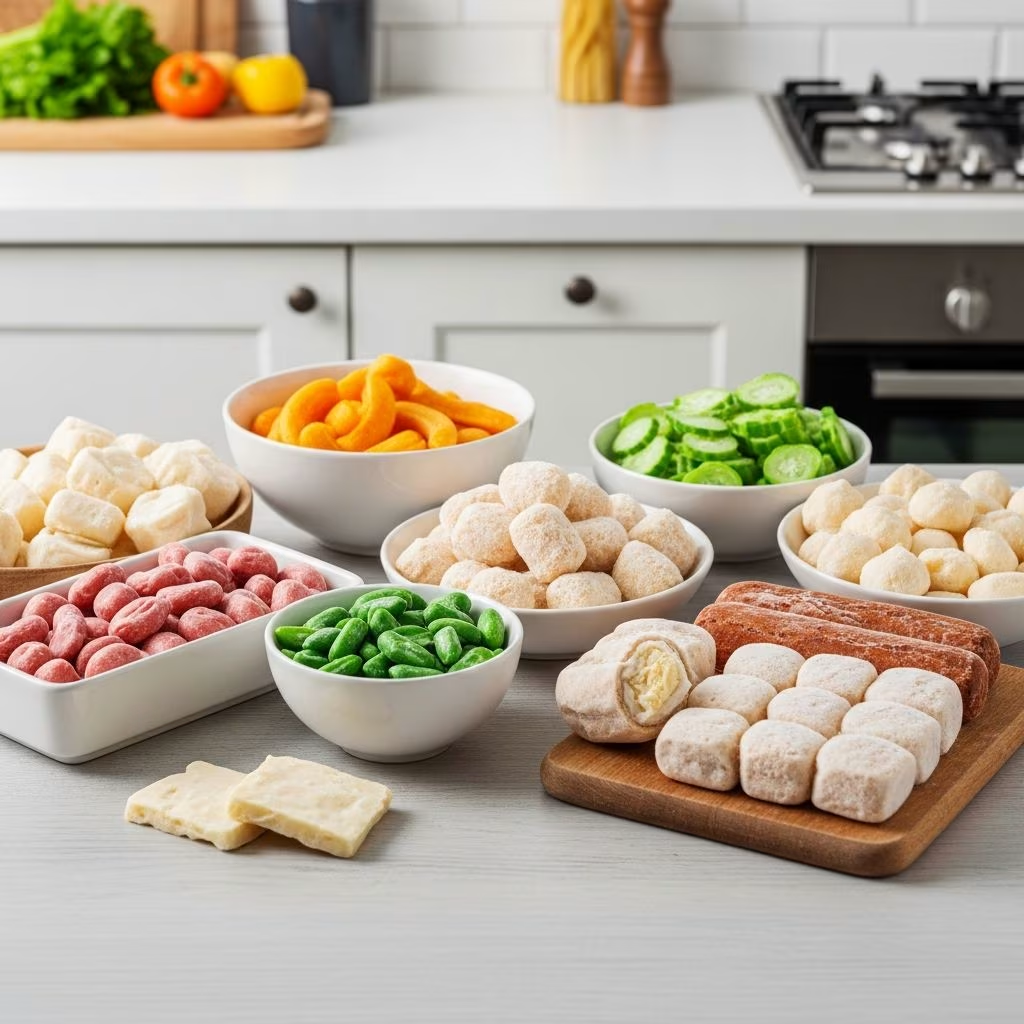
Stocking your freezer with the right items transforms it into a powerful ally for efficient cooking. These staples provide convenience, nutrition, and versatility, allowing you to whip up meals without last-minute shopping. From vibrant fruits to hearty proteins, a well-organized freezer minimizes waste and supports budget-friendly eating habits.
Why a Stocked Freezer Matters
Maintaining a freezer pantry saves time on busy days, preserves seasonal produce at peak freshness, and stretches your grocery budget. Frozen foods retain most nutrients when flash-frozen shortly after harvest, making them as healthy as fresh counterparts. They also reduce food waste by extending shelf life far beyond refrigerator storage.
Organize your freezer by category—use bins for fruits, veggies, proteins, and baked goods—to maximize space and accessibility. Label bags with dates to rotate stock and avoid freezer burn. Aim to use items within 8-12 months for optimal quality.
Fruit Powerhouses: Nature’s Sweet Additions
Frozen fruits are indispensable for smoothies, desserts, and breakfasts. Berries like blueberries, strawberries, and raspberries freeze beautifully, locking in antioxidants and vitamins. Mango chunks and pineapple pieces add tropical flair to yogurt parfaits or sorbets.
- Blueberries: Blend into smoothies or top oatmeal for a nutrient boost rich in fiber and vitamin C.
- Mixed Berries: Ideal for sauces, jams, or baking muffins when fresh are scarce.
- Bananas: Peel and slice overripe ones for ice cream bases or pancake add-ins.
- Avocado Slices: Perfect for guacamole or smoothies; thaw quickly for creamy texture.
Portion fruits into single-serve bags to prevent clumping. They’re also kid-friendly snacks straight from the freezer.
Vegetable Essentials: Nutrient-Dense Building Blocks
Frozen vegetables offer convenience without sacrificing nutrition. Harvested at peak ripeness, options like peas, broccoli, spinach, and edamame provide fiber, vitamins, and minerals for soups, stir-fries, and sides.
| Vegetable | Best Uses | Storage Tip |
|---|---|---|
| Peas | Snacks, salads, rice dishes | Bag in 1-cup portions |
| Broccoli | Stir-fries, casseroles | Steam before freezing homemade |
| Spinach | Smoothies, sauces, eggs | Portion for easy thawing |
| Cauliflower Rice | Grain bowls, low-carb bases | Flatten bags for stacking |
| Edamame | Snacks, salads, soups | Shell for quick use |
Incorporate mixed blends for variety. They’re budget-savvy and ready in minutes from frozen.
Protein Options: Fuel for the Family
Proteins form the backbone of satisfying meals. Stock ground meats, poultry, fish, and plant-based alternatives to cover all dietary needs.
- Ground Meats: Beef, turkey, or sausage for tacos, chili, or meatballs; portion into patties.
- Chicken Breasts or Shreds: Versatile for salads, stir-fries, or soups; shred cooked for ease.
- Fish Fillets: Salmon or white fish for omega-3 rich dinners; vacuum-seal for freshness.
- Plant-Based: Veggie burgers, tofu, tempeh, or beans for quick patties or curries.
- Cooked Beans/Lentils: Chickpeas or black beans for hummus, stews, or burritos.
Buy in bulk during sales, divide into meal-sized amounts, and freeze flat. This approach cuts costs significantly.
Grains and Breads: Quick Carbs Done Right
Frozen grains and breads streamline meal assembly. Pre-cooked rice, tortillas, and muffins thaw rapidly for wraps, bowls, or toast.
Rice varieties—jasmine, brown, or medleys—reheat perfectly in minutes, serving as bases for fried rice or bowls. Flatbreads and tortillas wrap fillings effortlessly. English muffins or bagels stock up for breakfast sandwiches.
- Freeze bread products double-bagged to fend off freezer burn.
- Portion rice in 2-cup servings for two people.
- Bake double batches of muffins and freeze individually.
Baked Goods and Treats: Comfort on Demand
Don’t overlook sweets and baked items. Cookie dough portions, muffins, and quick breads freeze well, offering homemade indulgence anytime.
- Muffins/Quick Breads: Thaw overnight for breakfast; mini loaves make great gifts.
- Cookie Dough: Scoop and freeze; bake fresh as needed.
- Pancakes/Waffles: Homemade stacks for lazy mornings.
Store nuts, seeds, and chocolate in the freezer to preserve freshness and prevent rancidity.
Meal Prep Hacks: Maximize Your Freezer
Batch-cook soups, chilis, or casseroles for grab-and-go dinners. Assemble burritos with beans, rice, and veggies; wrap individually. Smoothie packs with fruits, spinach, and yogurt save morning rushes.
Freeze herbs in oil cubes for flavor bursts. Leftover wine or broth in ice trays adds depth to sauces. Dairy like yogurt or cheese freezes for smoothies or gratins, though texture may soften.
Storage Best Practices
To maintain quality:
- Use airtight, freezer-safe bags or containers.
- Remove excess air to prevent burn.
- Label with contents and dates.
- Keep freezer at 0°F (-18°C) or below.
- Rotate stock: first in, first out.
A full freezer runs more efficiently, saving energy.
Quick Recipe Ideas
Berry Smoothie Bowl
Blend frozen berries, banana, yogurt, and spinach. Top with nuts for a complete breakfast.
Stir-Fry in Minutes
Sauté thawed veggies, edamame, rice, and protein with soy sauce.
Bean Chili
Combine frozen beans, tomatoes, spices, and ground meat for hearty warmth.
FAQs
Can I freeze dairy products?
Yes, yogurt and cheese freeze well; use in cooked dishes post-thaw as texture may change.
How long do frozen foods last?
Most items keep 8-12 months; fruits and veggies up to a year, meats 6-12 months.
Are frozen veggies as healthy as fresh?
Often more so, frozen at peak ripeness to retain nutrients.
What’s the best way to thaw proteins?
Refrigerator overnight or cold water bath for faster; cook from frozen if needed.
Can nuts go in the freezer?
Absolutely; it keeps oils fresh longer than pantry storage.
References
- USDA Freezing and Food Safety — United States Department of Agriculture. 2023-05-15. https://www.fsis.usda.gov/food-safety/safe-food-handling-and-preparation/food-safety-basics/freezing-and-food-safety
- Freezing Fruits and Vegetables — National Center for Home Food Preservation. 2022-10-01. https://nchfp.uga.edu/how/freeze.html
- Nutrient Retention in Frozen Foods — Harvard T.H. Chan School of Public Health. 2024-01-20. https://www.hsph.harvard.edu/nutritionsource/food-features/frozen-vegetables/
- Freezer Storage Times — FoodSafety.gov. 2025-03-10. https://www.foodsafety.gov/food-safety-charts/cold-food-storage-charts
- Plant-Based Protein Freezing Guide — Academy of Nutrition and Dietetics. 2023-11-05. https://www.eatright.org/food/food-storage-and-safety/freezing-foods