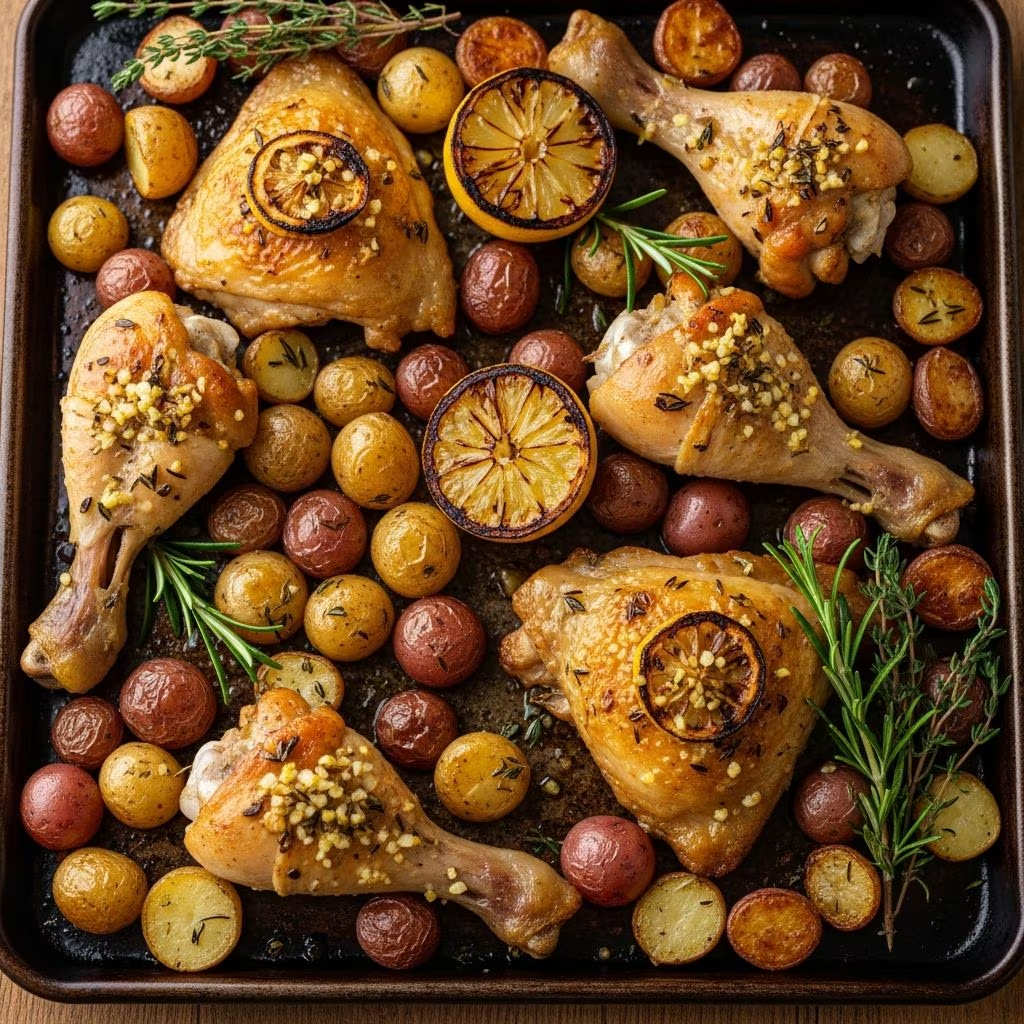
There’s something inherently appealing about a meal that requires only a single pan. Beyond the practical advantage of reduced cleanup, one-pan dinners offer a unique charm—flavors meld together as ingredients cook in close proximity, and the presentation arrives directly from the oven to the table. This lemon-forward chicken preparation exemplifies how simplicity and sophistication can coexist in the kitchen.
The foundation of this dish draws inspiration from the classic Italian piccata tradition, where thin-pounded proteins are bathed in bright, acidic sauces enriched with capers and fresh herbs. By adapting this technique to a sheet pan format and introducing roasted potatoes as a substantial side component, we create a complete meal that balances protein, vegetables, and starches without requiring multiple cooking vessels.
Understanding the Foundation: Chicken Selection and Preparation
The choice of chicken significantly influences both the final texture and cooking time. Traditional piccata recipes typically employ thin, boneless chicken breasts, which cook quickly and absorb sauce efficiently. However, bone-in, skin-on chicken thighs and drumsticks offer distinct advantages when preparing sheet pan variations. The bones conduct heat more evenly, while the skin renders to create textural contrast against the moist interior meat.
When selecting chicken, aim for pieces that are relatively uniform in thickness. If using bone-in chicken parts, pat them thoroughly dry with paper towels before seasoning. This simple step removes surface moisture that would otherwise create steam during cooking, preventing the development of that desirable golden-brown exterior. The dry surface allows for better seasoning adherence and promotes the Maillard reaction—the chemical process responsible for creating flavorful, caramelized surfaces.
For boneless chicken breasts, gentle pounding between two sheets of plastic wrap creates even thickness throughout each piece. This technique ensures uniform cooking times and prevents dry, overcooked sections adjacent to thicker areas. A thickness of approximately three-quarters of an inch works well for this preparation method.
Building the Sauce: The Heart of the Dish
The piccata sauce represents the dish’s most distinctive element. Composed of lemon juice, butter, capers, and chicken stock, this combination creates a complex flavor profile where tartness from citrus balances the richness of butter, while briny capers add umami depth. The sauce functions simultaneously as a cooking medium, seasoning agent, and finishing component.
The ratio between these components requires careful consideration. Approximately one-half to three-quarters cup of lemon juice mixed with one and one-half cups of chicken stock creates proper acidity without overwhelming the palate. White wine adds complexity and can substitute for a portion of the lemon juice, introducing subtle floral notes and body to the sauce. The inclusion of cornstarch transforms the liquid into a glossy, clinging sauce that coats the chicken and vegetables more effectively than a simple reduction.
Fresh parsley, added during the final cooking stages, brightens the finished dish and provides herbaceous notes that complement the lemon and capers. Garlic, when minced finely and added partway through cooking, becomes mellow and sweet, infusing the sauce without dominating it.
Potato Selection and Roasting Strategy
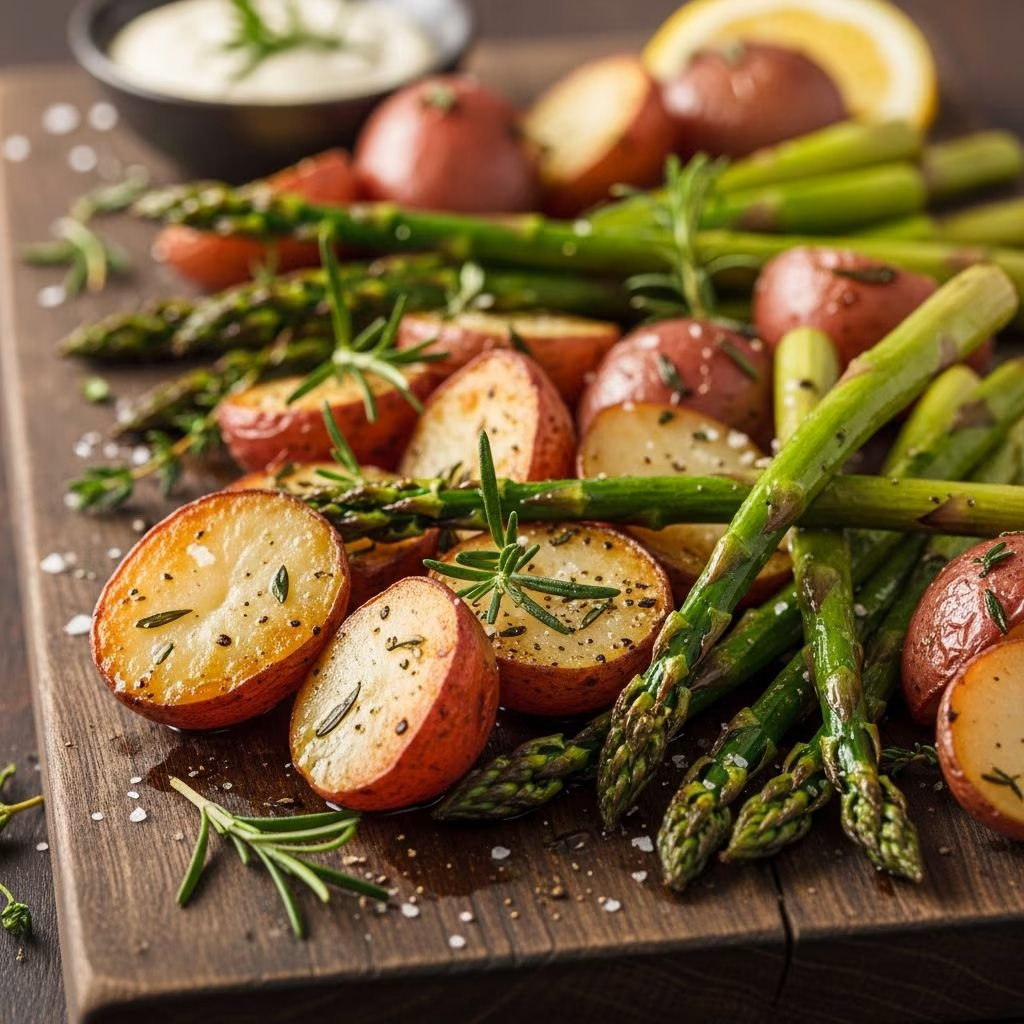
Potatoes represent the substantial component that transforms this dish from a light protein-and-sauce combination into a complete meal. Different potato varieties perform differently when roasted on a sheet pan. Waxy potatoes like fingerling and baby red potatoes maintain their shape and texture better than starchy varieties. Baby potatoes, particularly when halved or quartered, develop crispy exteriors while remaining creamy inside—the ideal textural outcome for sheet pan cooking.
The arrangement of potatoes requires strategic consideration. Placing them directly on the sheet pan rather than piling them creates surface area for caramelization. Tossing potatoes with olive oil, fresh or dried rosemary, and kosher salt before the chicken arrives creates a head start. Starting potatoes in the oven for approximately ten to fifteen minutes before introducing the chicken allows them to develop color and begin softening before the pan becomes crowded.
Coating potatoes with a combination of olive oil and aromatics (garlic, rosemary, or thyme) creates flavor integration during the roasting process. The rendered fat coats each potato piece, promoting browning while preventing sticking. Testing for doneness involves piercing the thickest piece with a fork; when resistance disappears, they’re ready.
Temperature Management and Timing
Oven temperature serves as the primary control mechanism for this one-pan preparation. Temperatures ranging from 400 to 450 degrees Fahrenheit accommodate different chicken cuts and desired outcomes. Higher temperatures (450°F) suit boneless, skinless chicken breasts due to their tendency to dry out if cooked slowly. Lower temperatures (400°F) work well for bone-in chicken parts, which benefit from gentler, more gradual cooking.
The initial baking phase typically requires twenty-five to thirty minutes. During this time, the chicken cooks through while the sauce reduces and concentrates, and potatoes develop golden surfaces. Halfway through cooking, stirring the potatoes ensures even browning on all sides.
An optional but recommended finishing step involves broiling the sheet pan for one to two minutes at the conclusion of baking. This high-heat exposure caramelizes the sauce, creates crispy spots on the chicken skin, and deepens the color of the potatoes without drying the chicken interior.
Ingredient Composition and Flavor Profile
| Component | Purpose | Flavor Contribution |
|---|---|---|
| Chicken (3-4 pounds) | Primary protein; provides structure | Neutral base that carries sauce flavors |
| Lemon juice (½-¾ cup) | Primary acidic element; sauce foundation | Bright, tangy, fresh citrus notes |
| Butter (4-6 tablespoons) | Enrichment; sauce body | Rich, slightly sweet, creamy mouthfeel |
| Capers (¼ cup) | Brined garnish; textural contrast | Salty, briny, pickle-like complexity |
| Chicken stock (1½ cups) | Liquid base; cooking medium | Savory depth; umami enhancement |
| Fresh parsley (3-4 tablespoons) | Herbaceous garnish | Bright, fresh, slightly peppery notes |
| Roasted potatoes (1½ pounds) | Starch component; satiety element | Earthy sweetness; creamy interior |
Preparation Workflow for Optimal Efficiency
Successful sheet pan cooking depends on understanding the sequence of events. Beginning with proper mise en place—the gathering and organization of all ingredients before cooking commences—prevents mid-cooking scrambling and ensures nothing gets forgotten.
Initial Setup: Preheat the oven and position racks appropriately. Pat the chicken dry and arrange it on the sheet pan. Season generously with kosher salt and fresh black pepper, then drizzle with olive oil.
Sauce Preparation: While the oven heats, combine lemon juice, butter, chicken stock, and any chosen aromatics in a separate bowl. Whisk until the butter integrates with the liquid base. If using cornstarch for sauce thickening, mix it with a small amount of cold liquid to create a slurry, then whisk this into the sauce mixture.
Potato Arrangement: Arrange prepared potatoes around the chicken, ensuring they sit on the pan rather than piling atop one another. Pour half the sauce over the chicken and potatoes.
Initial Roasting: Transfer the pan to the preheated oven and allow cooking for approximately twenty minutes without opening the oven door.
Midpoint Adjustment: After twenty minutes, carefully remove the pan from the oven. Stir the potatoes, ensuring even exposure to heat. Add any optional ingredients like fresh garlic, and return to the oven for an additional five to ten minutes.
Finishing Phase: Remove from the oven and assess doneness. The chicken should register 165°F on an instant-read thermometer at the thickest point, and potatoes should yield easily to fork pressure.
Vegetable Variations and Adaptations
While potatoes provide the traditional starch component, additional vegetables transform this dish based on preference or availability. Green beans, trimmed and tossed with olive oil, cook in the final ten minutes without becoming mushy. Asparagus, cut into two-inch pieces, similarly benefits from late addition.
Artichoke hearts, whether fresh or frozen, complement the piccata sauce beautifully. Their subtle earthiness doesn’t compete with the bright lemon flavors. Brussels sprouts, when halved and started early, develop caramelized exteriors while remaining tender inside.
The key principle involves timing vegetables according to their density and desired doneness. Root vegetables and dense items start with the chicken; delicate vegetables and quick-cooking items arrive partway through.
Frequently Asked Questions
Can this dish be prepared in advance?
Yes, most preparation occurs before oven time. The chicken can be patted dry and the sauce mixed several hours ahead. Potatoes should be prepared closer to cooking time to prevent oxidation, though they can be cut and stored in water for up to two hours.
What’s the difference between using bone-in and boneless chicken?
Bone-in chicken parts provide more flavor and tenderness but require slightly longer cooking times. Boneless, skinless breasts cook faster but risk drying out if overcooked. Choose based on your preferred texture and available time.
Can I substitute white wine vinegar for lemon juice?
Partially, yes. White wine vinegar provides acidity but lacks the bright citrus flavor. Use a combination of both, or add lemon zest to vinegar-based preparations for complexity.
How do I prevent the sauce from evaporating?
Monitor the pan during cooking. If liquid reduces significantly before the chicken finishes cooking, add additional chicken stock or white wine. The sauce should maintain a thin but present consistency throughout cooking.
What’s the best sheet pan size for this recipe?
An 18-by-13-inch rimmed sheet pan accommodates 3-4 pounds of chicken and approximately 1.5 pounds of potatoes while maintaining proper spacing for browning. Smaller pans require reducing ingredient quantities.
Serving Suggestions and Pairings
The beauty of sheet pan preparations extends beyond their ease of cooking—they present beautifully when brought directly from oven to table. Garnish the finished dish with fresh parsley, additional lemon slices, and a light grating of Parmesan cheese if desired.
Simple wine pairings complement this dish effectively. A crisp Pinot Grigio or Sauvignon Blanc echoes the lemony, herbaceous qualities of the sauce. Unoaked Chardonnay works if you prefer slightly richer accompaniment.
Side dishes can remain minimal given the complete nature of this one-pan meal. A simple green salad with light vinaigrette provides textural contrast and additional vegetables. Crusty bread for sauce absorption proves essential and popular among most diners.
Storage and Reheating Considerations
Properly stored, this dish keeps well in the refrigerator for three to four days. Allow the pan to cool completely before transferring contents to an airtight container. The flavors actually deepen overnight as ingredients continue to meld.
Reheating in a 350-degree oven for approximately fifteen to twenty minutes preserves the chicken’s texture better than microwave reheating. If the sauce appears too thick after refrigeration, add a splash of chicken stock or white wine before reheating.
Conclusion: Mastering Weeknight Elegance
One-pan lemon chicken with roasted potatoes represents the intersection of practical home cooking and restaurant-quality results. By understanding how different components cook and interact, by respecting the importance of proper seasoning and technique, and by recognizing that simplicity often yields the most impressive outcomes, this dish becomes a reliable favorite for both casual weeknight dinners and entertaining occasions. The combination of bright citrus, rich butter, briny capers, and tender proteins and vegetables demonstrates that complexity in flavor doesn’t require complexity in execution.
References
- Proper Chicken Cooking Temperatures — United States Department of Agriculture Food Safety and Inspection Service. 2024. https://www.fsis.usda.gov/food-safety/safe-food-handling-and-preparation/poultry/chicken
- The Science of Browning Reactions in Cooking — McGee, Harold. On Food and Cooking: The Science and Lore of the Kitchen. Scribner, 2004.
- Lemon Juice Acidity and Flavor Profiles in Cooking — University of California Davis Department of Food Science and Technology. 2023. https://foodscience.ucdavis.edu/
- Sheet Pan Cooking Methods and Techniques — American Test Kitchen Foundation. 2024. https://www.americastestkitchen.com
- Potato Varieties for Roasting: Selection and Preparation — National Potato Council. 2024. https://www.npcspud.com/