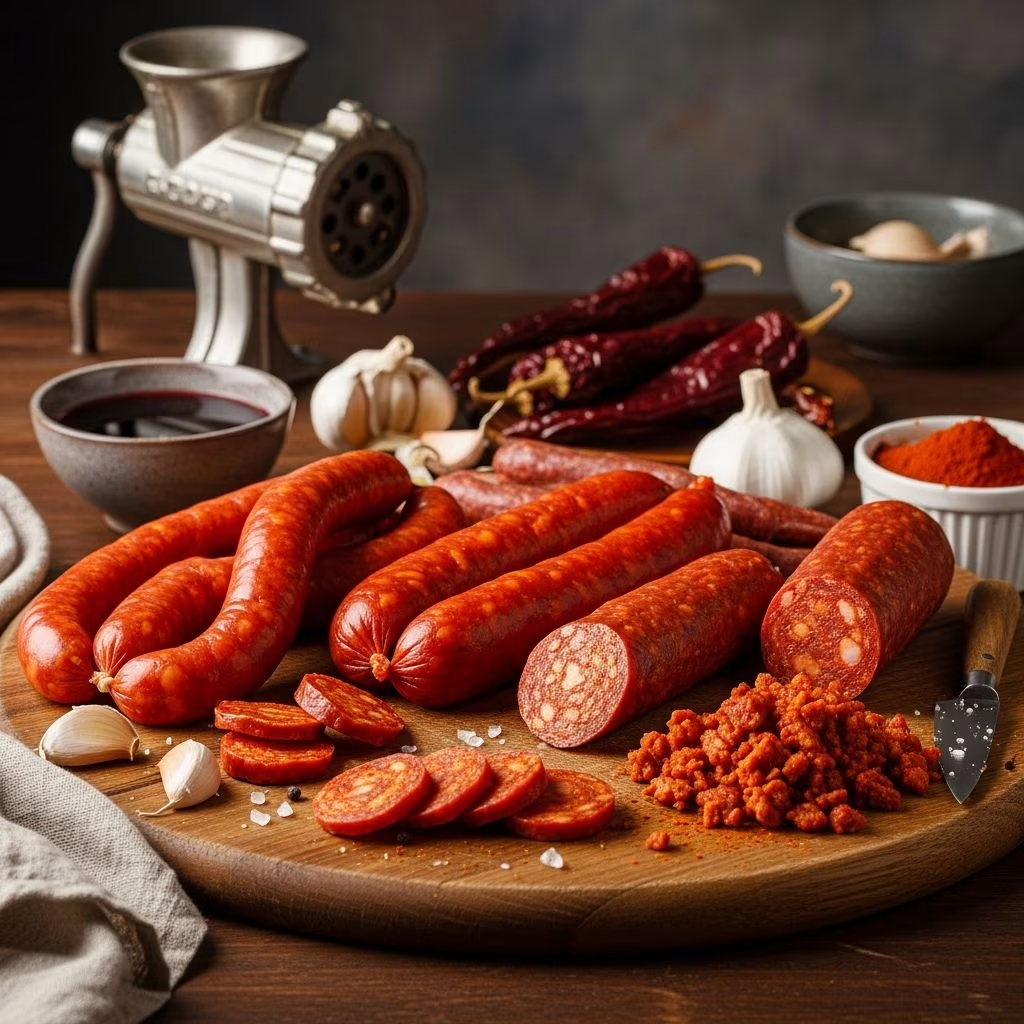
Chorizo, the vibrant sausage beloved in cuisines across Latin America and Spain, brings an explosion of smoky, spicy, and garlicky flavors to any dish. Making it at home allows you to control the freshness, spice level, and quality of ingredients, resulting in a product far superior to store-bought versions. This guide dives deep into the essentials of crafting chorizo from scratch, exploring meat selection, seasoning secrets, preparation techniques, and innovative ways to incorporate it into your meals. Whether you’re a seasoned cook or a curious beginner, you’ll find everything needed to produce batches of this versatile staple.
Understanding Chorizo: Fresh vs. Cured Varieties
Chorizo comes in two primary forms: fresh (uncured) and cured (dried). Fresh chorizo, common in Mexican cooking, is raw and requires cooking before eating. It’s soft, crumbly when cooked, and packed with bold spices like paprika, cumin, and chili. Cured chorizo, like Spanish versions, is fermented and air-dried, offering a firmer texture and intense flavor suitable for slicing and eating as-is or in tapas.
Opting for homemade fresh chorizo gives you flexibility. You can adjust heat from mild to fiery, incorporate unique herbs, or even make leaner versions. According to the USDA Food Safety and Inspection Service, fresh sausages must reach an internal temperature of 160°F (71°C) for safe consumption, a standard easily met with home grinding and cooking.
Selecting the Perfect Meat for Your Chorizo
The foundation of great chorizo is high-quality meat. Traditionally, pork shoulder (butt) is ideal due to its 20-30% fat content, which keeps the sausage juicy. Aim for a 70/30 lean-to-fat ratio. Avoid overly lean cuts like loin, as they dry out during cooking.
- Pork Shoulder: Best for classic flavor; budget-friendly and widely available.
- Beef or Lamb: For variety; use chuck or leg for balanced fat.
- Turkey or Chicken: Leaner poultry options; add extra fat like pork back fat.
- Plant-Based Alternatives: Textured soy or mushroom blends mimic texture for vegan chorizo.
Grind the meat fresh using a home grinder for optimal texture. Coarse grinding (1/4-inch die) preserves the rustic bite, while finer grinds yield a smoother crumble.
Seasoning Mastery: Building Bold Flavors
Chorizo’s signature taste comes from a harmonious blend of spices. Start with a base of smoked paprika (pimentón) for earthiness, garlic for pungency, and vinegar for tang. Mexican chorizo often features ancho or guajillo chiles, oregano, and cumin.
| Ingredient | Quantity (per 2 lbs meat) | Flavor Profile |
|---|---|---|
| Smoked Paprika | 2 tbsp | Smoky depth |
| Ground Ancho Chile | 1 tbsp | Mild heat, fruity notes |
| Fresh Garlic (minced) | 4 cloves | Sharp aroma |
| Apple Cider Vinegar | 2 tbsp | Bright acidity |
| Dried Oregano | 1 tsp | Herbal earthiness |
| Cumin | 1 tsp | Warm, nutty |
| Salt | 2 tsp | Enhances all flavors |
Mix seasonings into the meat thoroughly, then let rest in the fridge for 24 hours to allow flavors to meld. Taste-test by frying a small patty before forming the full batch.
Step-by-Step: Grinding and Mixing Process
- Prep Meat: Cube pork shoulder and chill for 30 minutes to firm up for grinding.
- Grind: Pass through a coarse die twice for texture.
- Season: Combine spices, vinegar, and meat. Knead by hand for 2-3 minutes until sticky.
- Rest: Cover and refrigerate overnight.
- Form or Stuff: Use as loose crumble, shape into links, or stuff into hog casings (soaked and rinsed).
For casing-free versions, portion into 1-lb logs wrapped in parchment. This method simplifies storage and cooking.
Safe Storage and Preservation Techniques
Fresh chorizo lasts 2-3 days in the fridge or up to 3 months frozen. Portion into airtight bags, squeezing out air to prevent freezer burn. The USDA recommends freezing at 0°F (-18°C) or below for quality retention.
For longer storage, consider semi-curing: Add curing salt #1 (0.25% by weight) and hang in a cool (50-60°F), humid (80%) space for 1-2 weeks. Monitor for proper drying to avoid spoilage.
Cooking Methods to Highlight Chorizo’s Flavors
Pan-Frying: Crumble and cook over medium heat until browned, 8-10 minutes. Perfect for tacos.
Baking: Form links and bake at 375°F for 20 minutes, turning halfway.
Grilling: Medium-high heat for charred exterior; indirect heat prevents flare-ups.
Stewing: Simmer in beans or soups for infused flavor.
Always cook to 160°F internal temperature, per USDA guidelines.
Creative Recipe Ideas Featuring Homemade Chorizo
Breakfast Burritos
Brown chorizo with potatoes and onions, scramble in eggs, and wrap in tortillas with avocado and cheese. Serves 4 in under 20 minutes.
Chorizo Queso Fundido
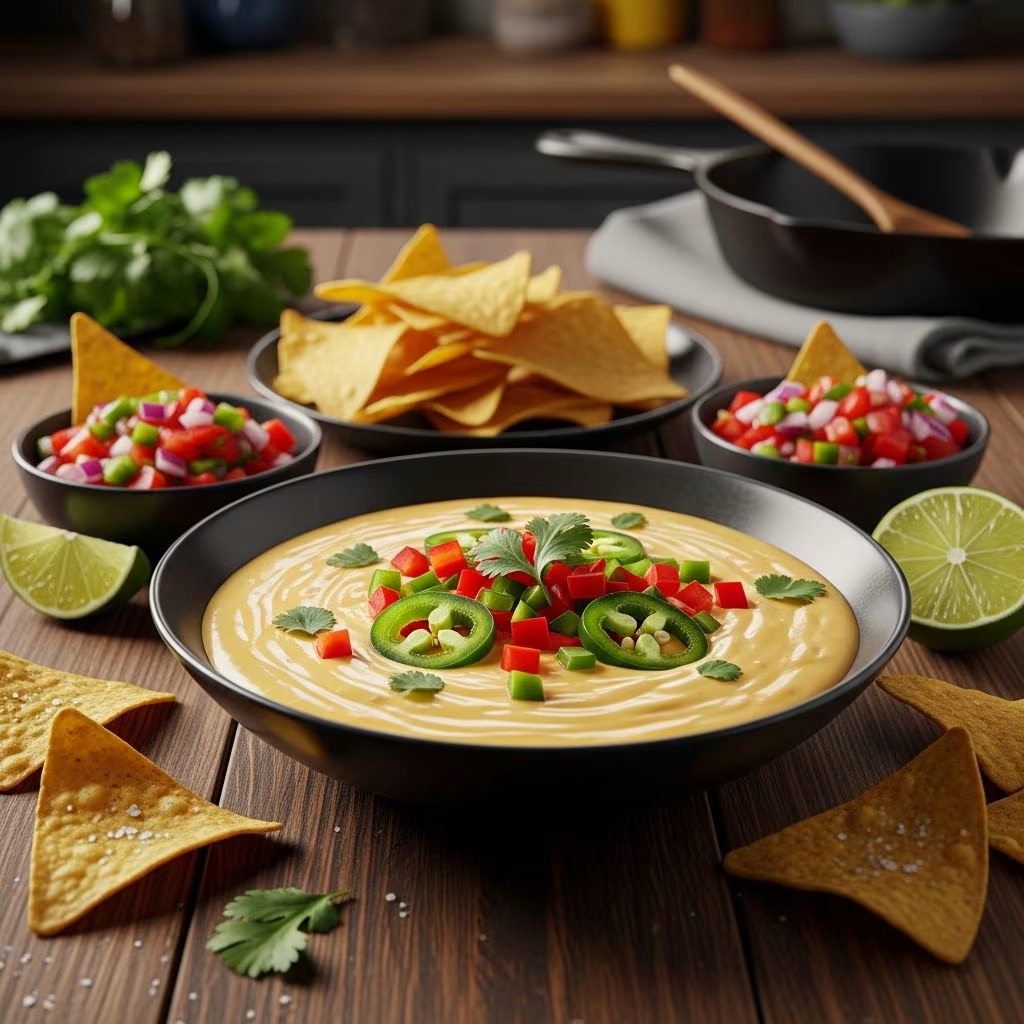
Melt chorizo with Oaxaca cheese in a skillet, serve with tortilla chips. Add roasted poblanos for smokiness.
Paella-Inspired Rice
Sauté chorizo with saffron rice, shrimp, and peas for a one-pan wonder.
Chorizo-Stuffed Peppers
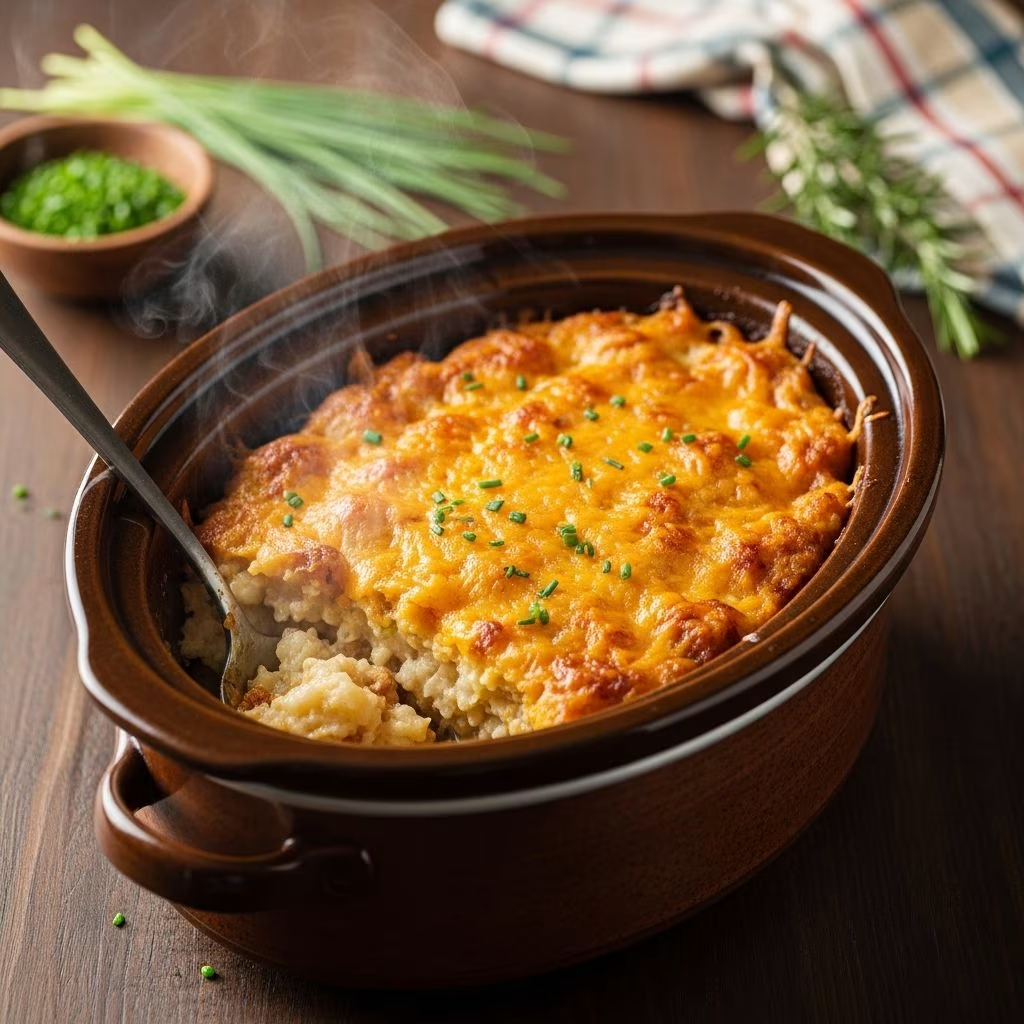
Mix cooked chorizo with rice and beans, stuff into bell peppers, and bake until tender.
Soup Base
Render fat from chorizo to start lentil or potato soups, adding depth effortlessly.
Customizing Chorizo for Dietary Needs
Spice Adjustments: Reduce chiles for mild; add cayenne for heat.
Gluten-Free: Naturally so; ensure vinegar is certified.
Low-Fat: Blend with turkey, but add olive oil.
Vegan: Use vital wheat gluten, TVP, and beet powder for color.
Common Mistakes and Pro Tips
- Avoid Overmixing: Leads to tough texture; mix just until cohesive.
- Taste Early: Fry samples to perfect seasoning.
- Chill Equipment: Cold grinder blades prevent fat smearing.
- Scale Up Safely: Process in small batches to maintain hygiene.
Pro tip: Incorporate chipotle for authentic smoke without a smoker.
Frequently Asked Questions (FAQs)
Can I use a food processor instead of a grinder?
Yes, pulse in short bursts to avoid paste-like results. Chill everything first.
How spicy is homemade chorizo?
Customizable; start with half the chiles and adjust based on taste tests.
Is curing salt necessary?
No for fresh use; required only for extended drying to prevent bacteria.
Can chorizo be eaten raw?
No, fresh chorizo must be cooked thoroughly to 160°F.
What’s the shelf life of cooked chorizo?
3-4 days refrigerated; freeze leftovers for up to 2 months.
Nutritional Snapshot
Per 3-oz serving (cooked): ~250 calories, 20g fat, 15g protein, 2g carbs. High in B12, iron, and zinc from pork. Source: USDA FoodData Central.
References
- Time and Temperature Guidelines for Home-Canned and Home-Processed Foods — USDA Food Safety and Inspection Service. 2023-05-15. https://www.fsis.usda.gov/food-safety/safe-food-handling-and-preparation/food-safety-basics/time-temperature
- Sausage Standards and Processing — USDA Agricultural Marketing Service. 2024-02-10. https://www.ams.usda.gov/grades-standards/sausage-standards
- FoodData Central: Pork Sausage Data — USDA. 2025-01-20. https://fdc.nal.usda.gov/fdc-app.html#/food-details/172972/nutrients
- Homemade Sausage Making Guide — National Center for Home Food Preservation (Univ. of Georgia). 2022-08-01. https://nchfp.uga.edu/how/prepare/meat-sausage/sausage-making/
- Spice Blends in Traditional Mexican Cuisine — Journal of Ethnic Foods (peer-reviewed). 2023-11-12. https://doi.org/10.1186/s42779-023-00205-4
(Word count: 1678)