Hollandaise sauce represents one of the foundational preparations in classical cuisine, traditionally prepared through careful whisking over gentle heat. However, modern cooking has introduced a revolutionary approach that delivers equally impressive results in a fraction of the time. The microwave method eliminates much of the anxiety associated with this temperamental sauce while maintaining its characteristic silky texture and rich flavor profile.
Understanding the Foundation: What Makes Hollandaise Work
Hollandaise sauce is fundamentally an emulsion—a combination of two typically incompatible ingredients: fat and liquid. The magic happens when egg yolks act as the emulsifying agent, binding melted butter with acidic elements like lemon juice into a cohesive, luxurious sauce. Traditional recipes require constant whisking over a double boiler to maintain precise temperature control, preventing the eggs from overcooking while achieving proper emulsification.
The microwave approach respects these fundamental principles while adapting them to modern cooking methods. Instead of continuous whisking over heat, the microwave method uses short bursts of cooking combined with vigorous whisking between intervals. This technique allows the heat to distribute gradually while the mechanical action of whisking ensures even temperature distribution and proper emulsification.
Essential Ingredients and Their Roles
Creating successful microwave hollandaise begins with understanding each component’s function. Quality ingredients matter significantly, as the sauce contains relatively few components and each one contributes noticeably to the final result.
Butter Selection and Preparation
Butter forms the body and richness of hollandaise sauce. Using salted butter provides flavor depth and eliminates the need for additional seasoning in many cases, though unsalted butter offers greater control over salt levels. The butter should be fully melted before incorporation into the egg mixture, as this temperature helps temper the egg yolks properly without scrambling them. Approximately half a cup of butter creates an ideal ratio for standard hollandaise preparations, yielding enough sauce to dress multiple servings of eggs Benedict or vegetables.
Egg Yolks: The Emulsifying Element
Three to four egg yolks provide the emulsifying power necessary for a properly constructed sauce. The yolk’s lecithin content enables it to hold the butter molecules in suspension within the lemon juice, creating the characteristic silky texture. Room temperature egg yolks incorporate more smoothly than cold ones, and they respond better to the gradual heating process of the microwave method.
Acidic Liquid Components
Fresh lemon juice serves dual purposes: it contributes essential flavor complexity and provides the acidic medium in which the emulsion occurs. Approximately one and a half to two tablespoons of fresh-squeezed juice delivers optimal tartness, though personal preference may call for adjustments. Some variations incorporate a small amount of water—roughly three tablespoons—added during the cooking process to adjust consistency and provide additional liquid for further tempering of the eggs.
Flavor Enhancements and Seasonings
Cayenne pepper adds a subtle warmth without overwhelming the delicate lemon notes, while salt balances the overall flavor profile. A pinch of each contributes to a well-rounded sauce that enhances rather than masks accompanying dishes.
The Step-by-Step Microwave Method
Initial Butter Melting
Begin by placing the butter in a microwave-safe bowl—preferably glass or ceramic rather than plastic, as these materials distribute heat more evenly. Microwave on high power for approximately 45 seconds to two minutes, depending on your appliance’s wattage and the butter’s starting temperature. The goal is complete melting without browning or bubbling. Watch carefully during this stage, as microwaves vary considerably in their heating characteristics.
Combining Yolks and Acid
While butter melts, combine egg yolks with fresh lemon juice in a separate bowl. Use a fork or small whisk to break down the yolks thoroughly, creating a uniform mixture. This preliminary mixing ensures the acid distributes evenly among the yolks before they encounter the hot butter.
Gradual Incorporation
Add the melted butter to the yolk mixture in a slow, steady stream while whisking constantly and vigorously. The combination of heat from the butter and the mechanical action of whisking tempers the eggs gradually, warming them without scrambling. Continue whisking for approximately 30 seconds after all butter has been incorporated to ensure complete integration and emulsification.
Microwave Cooking Intervals
Place the combined mixture back into the microwave and cook on high power for brief 15 to 30-second intervals, depending on your microwave’s power level. After each interval, remove the bowl and whisk vigorously for at least 15-20 seconds. The whisking serves two critical functions: it distributes heat evenly and prevents the eggs from cooking too rapidly at the bowl’s edges while remaining cool in the center.
Recognizing Doneness
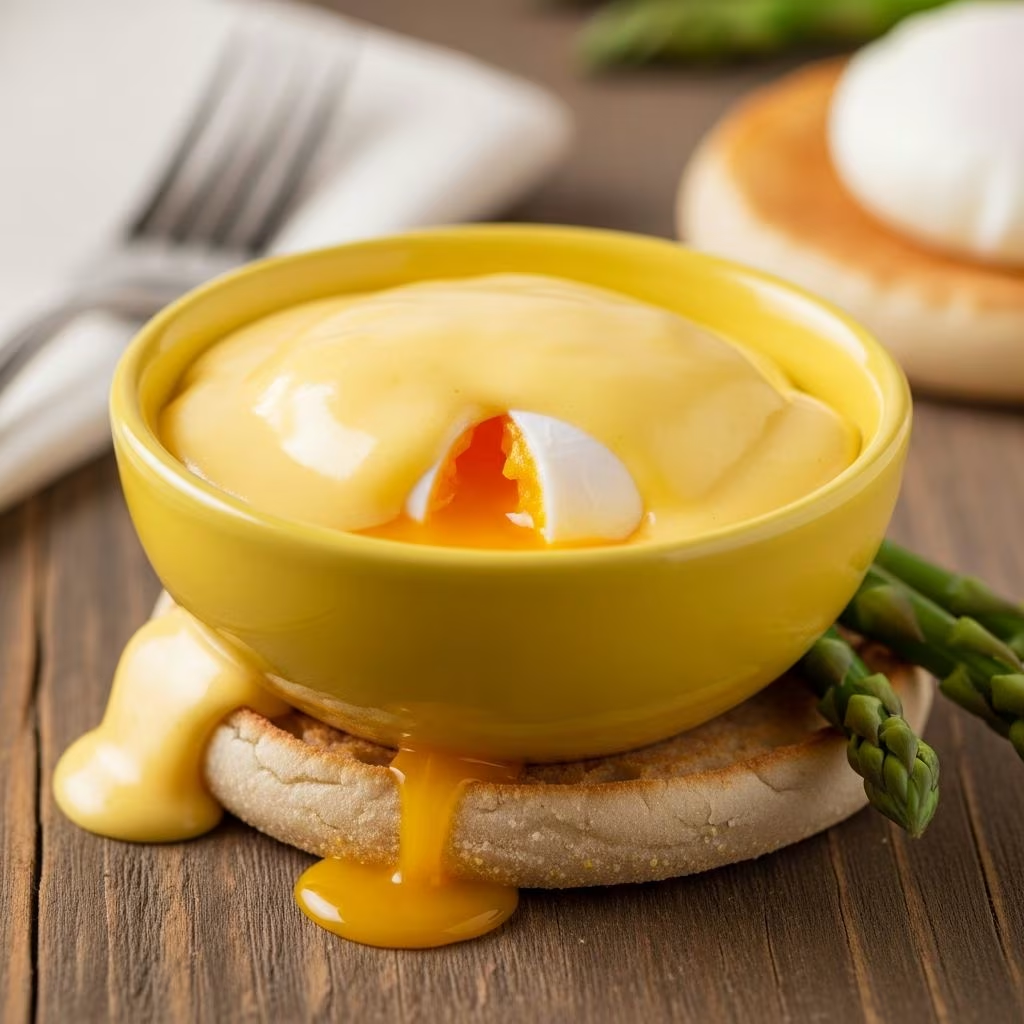
Hollandaise reaches proper consistency when the whisk leaves visible marks that hold for one to two seconds before smoothing. The sauce should appear thick and velvety, never lumpy or separated. If the mixture appears too thin after several cooking intervals, continue with additional 5 to 10-second bursts, always whisking between intervals. The residual heat in the bowl continues thickening the sauce even after microwave cooking stops, so avoid over-cooking.
Troubleshooting Common Issues
Sauce Separation and Curdling
Separation occurs when eggs cook too quickly or unevenly, breaking the emulsion. If your sauce appears broken or lumpy, immediate action can often rescue it. Stop cooking immediately and whisk vigorously for an extended period. Adding a tablespoon of cool water or additional lemon juice while whisking can sometimes restore emulsification. If the sauce has completely separated into grainy, scrambled eggs, beginning again with fresh yolks provides better results than attempting repair.
Excessive Thickness
Over-cooking produces sauce that becomes too thick for practical use. This problem frequently occurs with higher-wattage microwaves or if cooking intervals prove too long. Thin an overly thick sauce by adding water, additional lemon juice, or white wine one teaspoon at a time while whisking. This adjusts consistency while potentially enhancing flavor depth.
Insufficient Tartness
Some preparations benefit from additional brightness. Taste the finished sauce and incorporate extra lemon juice gradually until achieving desired tartness. This flexibility allows customization based on the sauce’s intended application and personal preference.
Variations and Creative Applications
Traditional Eggs Benedict Pairing
The classic application combines hollandaise with poached eggs atop toasted English muffins and Canadian bacon. The sauce’s richness complements the delicate egg proteins while uniting the other components into a harmonious whole.
Vegetable Preparations
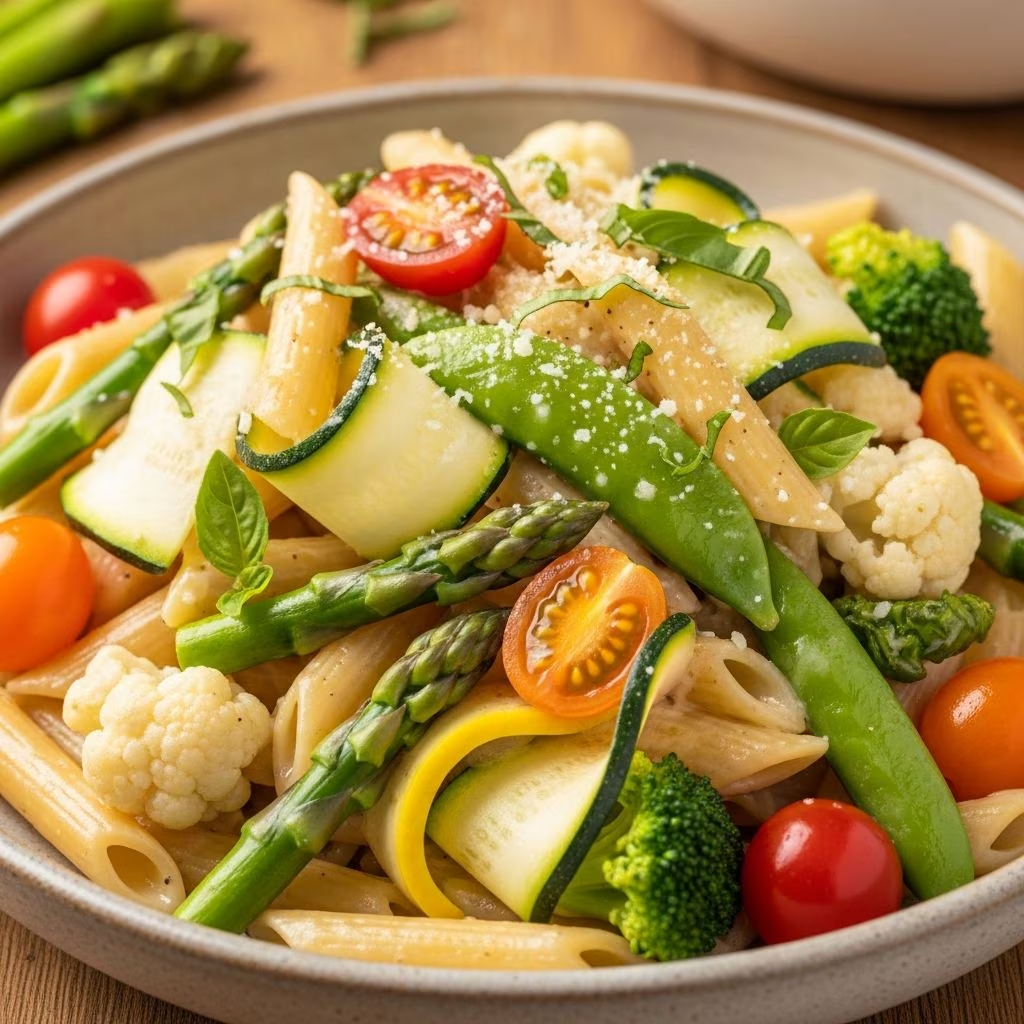
Steamed asparagus, broccoli, and cauliflower transform into elegant side dishes with hollandaise spooning. The sauce’s creamy texture and bright acidity balance the vegetables’ earthiness.
Savory Crepes and Pan-Fried Items
Crepes filled with ham, spinach, or smoked salmon gain sophistication with hollandaise drizzled across the top. The sauce similarly complements pan-fried fish and chicken preparations.
Storage and Make-Ahead Strategies
Hollandaise sauce tastes best when freshly prepared, but timing constraints sometimes require advance work. The finished sauce holds safely at room temperature for approximately 30 minutes without noticeable quality degradation. For longer storage, keep the sauce warm in a bowl set over—not touching—gently simmering water, stirring occasionally. Alternatively, prepare components separately and combine them just before serving. Refrigerated hollandaise can be gently reheated over low heat with careful stirring, though quality diminishes noticeably.
Equipment Considerations and Microwave Variations
Microwave cooking times vary substantially based on appliance wattage. Lower-wattage models may require longer cumulative cooking time with more frequent whisking, while commercial-grade or high-powered residential microwaves necessitate shorter intervals and greater attention to prevent overcooking. Glass measuring cups or small bowls distribute heat more evenly than ceramic varieties. Avoid metal bowls, which prevent microwave operation, and be cautious with certain plastics that may not withstand repeated heating.
Frequently Asked Questions
Can I prepare hollandaise sauce without fresh eggs?
Pasteurized eggs or egg products marketed specifically for raw consumption offer increased food safety, though some cooks prefer the flavor profile of fresh eggs. Always prioritize food safety by using products appropriate for your comfort level and dietary requirements.
What should I do if my hollandaise breaks during cooking?
Immediately stop cooking and whisk vigorously. Add a tablespoon of cool water or additional lemon juice while continuing to whisk. Many broken sauces can be salvaged with patient whisking and the addition of liquid. If this fails, starting fresh with new yolks often proves faster than prolonged rescue attempts.
How far in advance can I make hollandaise?
Prepare hollandaise immediately before serving whenever possible. If necessary, it holds for approximately 30 minutes at room temperature or can be gently warmed over simmering water for up to an hour, though quality and texture may diminish.
Can I double or halve this recipe?
Yes, adjustments work well by scaling all ingredients proportionally. However, doubled batches require slightly longer total cooking time and more frequent whisking to ensure even heating.
What’s the difference between hollandaise and béarnaise sauce?
Béarnaise incorporates tarragon, shallots, and vinegar in place of simple lemon juice, creating a more complex flavor profile. The cooking method remains essentially identical to hollandaise preparation.
Conclusion: Simplifying a Classical Technique
The microwave method democratizes hollandaise sauce preparation, removing barriers that traditionally intimidated home cooks. Understanding the fundamental principles—emulsification, gradual heat application, and vigorous mechanical action—enables confident sauce creation using modern appliances. Whether preparing breakfast for guests or enhancing a weeknight vegetable side, microwave hollandaise delivers results rivaling traditional preparations in substantially less time. With practice, the technique becomes intuitive, allowing cooks to focus on incorporating this elegant sauce into creative preparations that elevate everyday meals into special occasions.
References
- Food Safety Basics: Eggs and Egg Products — U.S. Food and Drug Administration. 2024. https://www.fda.gov/food/foodborne-pathogens-and-illness/safe-food-handling
- The Science of Emulsions in Cooking — National Academy of Sciences. 2023. https://www.nas.edu
- Microwave Cooking Safety Guidelines — U.S. Department of Agriculture. 2024. https://www.usda.gov
- Classical French Cooking Techniques — Culinary Institute of America. 2022. https://www.ciachef.edu
- Heat Transfer in Microwave Appliances — IEEE Spectrum. 2023. https://spectrum.ieee.org