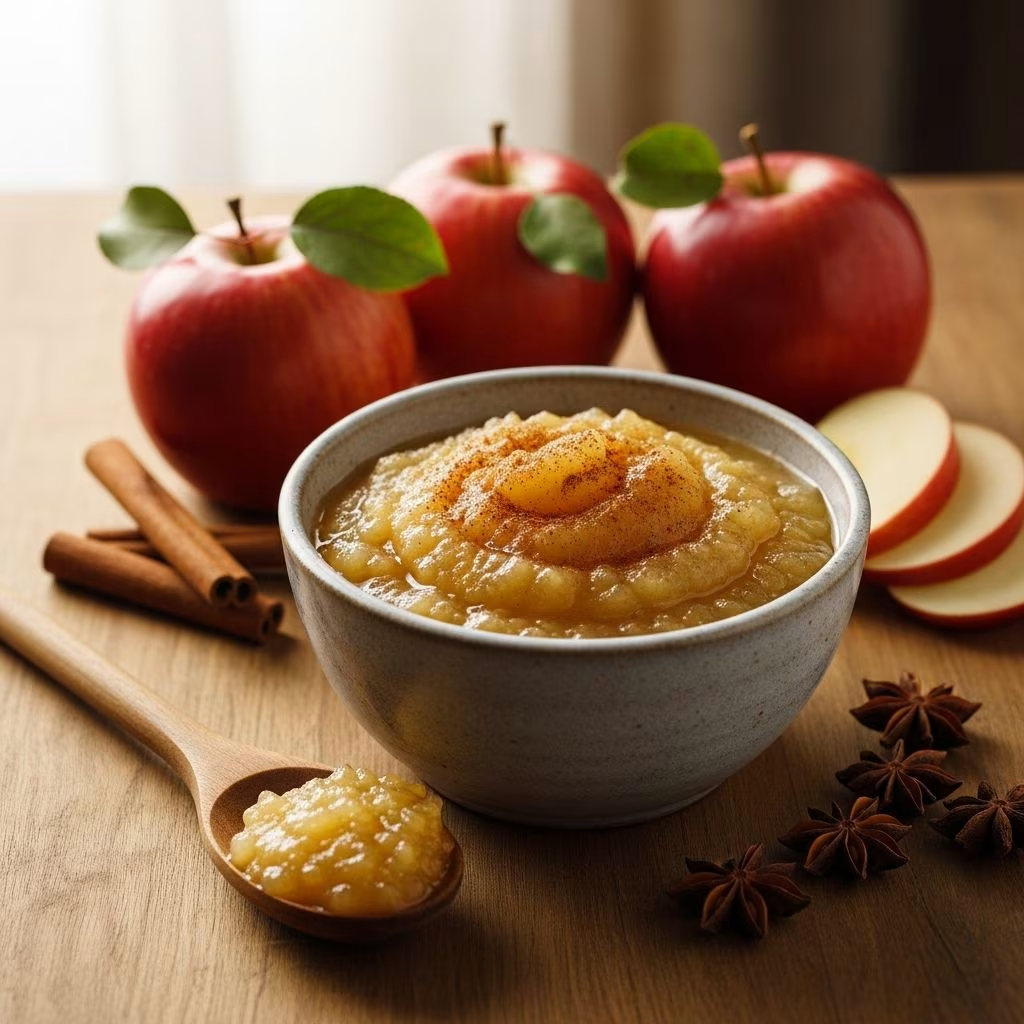
Applesauce represents one of the most straightforward and rewarding recipes to prepare in your kitchen. Whether you’re seeking a healthy snack option, a versatile ingredient for baking projects, or a way to preserve abundant fall harvests, this simple preparation method delivers consistent results. The beauty of making applesauce at home lies in its simplicity—requiring minimal equipment, basic ingredients, and approximately 40 minutes from start to finish.
Understanding Your Apple Selection
The foundation of exceptional homemade applesauce begins with thoughtful apple selection. Different apple varieties contribute distinct flavor profiles and texture characteristics to your final product. Tart varieties such as Granny Smith apples provide sharp, acidic notes that balance sweetness naturally. Pink Lady apples offer a combination of tartness and subtle sweetness, creating a more complex flavor dimension. Sweeter varieties like Gala or Fuji apples require less added sugar and produce a milder taste.
When preparing your apples, quantity matters significantly. A typical batch uses approximately three pounds of apples, yielding roughly four servings of finished applesauce. You may select a single apple variety for consistency or blend multiple types to create a more nuanced flavor profile. The decision ultimately depends on your personal preferences and available produce.
Gathering Essential Ingredients and Equipment
The ingredient list for homemade applesauce remains remarkably modest, requiring items likely already present in most kitchens:
- Three pounds of fresh apples, peeled, cored, and chopped
- Half cup of water or alternative liquid
- Two tablespoons of fresh lemon juice
- Quarter cup of white sugar (completely optional)
- Half teaspoon of ground cinnamon
- Quarter teaspoon of salt
Beyond these basics, your equipment needs are equally minimal. A large pot serves as your primary cooking vessel, while a paring knife or vegetable peeler handles apple preparation. For your desired texture consistency, you may choose between a potato masher, food processor, blender, or immersion blender.
Preparation Techniques and Best Practices
Proper preparation significantly impacts both cooking time and final texture quality. Begin by thoroughly washing your apples under cool running water. Peel each apple using your preferred method—many cooks favor a sharp paring knife for better control, though vegetable peelers accelerate the process considerably.
After peeling, carefully remove the core by cutting the apple into quarters and trimming away the central core portion. Once cored, chop the apples into smaller, uniform chunks. Consistent sizing promotes even cooking and prevents some pieces from becoming mushy while others remain firm.
Transfer your prepared apples directly into your large pot. This immediate transfer prevents enzymatic browning while keeping your workspace organized. The entire preparation phase—washing, peeling, coring, and chopping—typically requires approximately 10 to 15 minutes depending on your speed and comfort level with knife work.
Cooking Methods and Liquid Considerations
Add the water along with your remaining ingredients to the apple-filled pot and stir thoroughly to ensure even distribution. The water quantity proves important—approximately half a cup provides sufficient liquid to generate steam without creating an overly thin final product. Some cooks prefer substituting water with apple juice or apple cider for added flavor complexity, though this increases overall sugar content.
Bring the mixture to a boil over high heat, observing as the liquid gradually warms and steam begins rising from the pot. Once reaching a rolling boil, reduce your heat to low and cover the pot with a tight-fitting lid. This covered simmering method concentrates flavors while allowing the apples to soften gradually and evenly.
Maintain a gentle simmer for approximately 30 minutes. The apples will progressively break down during this period, becoming increasingly soft. After 30 minutes, test the apples by piercing them with a fork—they should disintegrate easily when pressure is applied. If firmer resistance remains, continue simmering for an additional 5 to 10 minutes.
Texture Customization Options
Once your apples reach complete softness, you face an important decision regarding texture. Different preferences call for different techniques:
| Texture Type | Method | Best For |
|---|---|---|
| Chunky | Potato masher applied directly in pot | Rustic presentations, textured snacking |
| Semi-Smooth | Multiple passes with masher or handheld blender | Balanced consistency, general use |
| Completely Smooth | Food processor or blender in batches | Baking ingredients, yogurt toppings |
For chunky applesauce, simply use a potato masher to break down the apples to your preferred consistency directly within the cooking pot. This method requires minimal additional cleanup and preserves some apple texture for those who enjoy mouthfeel variation.
For smoother results, transfer the cooked apples to a food processor and blend until reaching your desired consistency. When using a standard blender rather than a food processor, work in smaller batches and allow the mixture to cool slightly before processing to prevent dangerous steam buildup. An immersion blender offers a middle ground, allowing controlled blending directly within the pot without transferring hot contents.
Flavor Enhancement and Customization
While the basic recipe provides delicious results, numerous customization options allow personal expression. Cinnamon contributes warm spice notes that complement apple flavors beautifully. Consider increasing the cinnamon quantity if you prefer more pronounced warming spice characteristics, or explore alternative spices such as nutmeg, allspice, or cardamom for different dimensions.
The sugar component remains entirely optional, as the natural apple sugars provide adequate sweetness for most palates. However, if your chosen apple varieties skew toward the tart side, adding the quarter cup of sugar creates better balance. Honey or maple syrup serve as alternative sweetening agents, each contributing subtle flavor nuances.
Fresh lemon juice performs multiple functions—brightening overall flavor, balancing sweetness, and providing natural acidity that preserves the applesauce. The salt quantity, though minimal, heightens and unifies other flavors through a culinary technique known as flavor amplification.
Storage and Preservation Approaches
Freshly prepared applesauce keeps refrigerated in airtight containers for approximately one week. For extended storage, freezing proves highly effective—applesauce maintains quality in freezer storage for up to three months when properly contained in freezer-safe containers or bags, allowing adequate space for expansion during the freezing process.
For longer-term preservation without freezing, proper canning techniques using sterilized jars and water bath processing create shelf-stable applesauce lasting one year or longer. This traditional preservation method requires careful adherence to safety guidelines to prevent bacterial contamination, so consulting official USDA guidelines proves essential before attempting home canning.
Versatile Applications Beyond Basic Serving
Homemade applesauce functions as far more than a simple snack. Its versatility extends throughout your kitchen, supporting numerous culinary applications. As a baking ingredient, applesauce replaces a portion of oil in cakes, muffins, and quick breads, reducing fat content while maintaining moisture. This substitution particularly benefits health-conscious baking projects.
Pancakes and waffles benefit from applesauce additions to their batters, creating naturally flavored breakfast items with reduced added sugars. Smoothie bowls, yogurt parfaits, and breakfast grain bowls all welcome applesauce as a flavorful component. The preparation pairs beautifully with savory dishes as well—consider serving applesauce alongside pork chops, duck, or other rich proteins as a palate-cleansing accompaniment.
Glazes for roasted meats benefit from applesauce’s natural sweetness and texture, while salad dressings gain body and subtle fruit flavor from this ingredient. Creative cooks have incorporated applesauce into barbecue sauces, smoothies, and even cocktail mixers, demonstrating its remarkable flexibility.
Troubleshooting Common Issues
If your finished applesauce remains too thin, return it to your pot and simmer uncovered for 10 to 15 minutes, allowing excess moisture to evaporate and concentrating flavors simultaneously. Conversely, if your applesauce becomes too thick or dry, stir in additional water or apple juice gradually until reaching your preferred consistency.
Applesauce that tastes overly tart typically needs sweeter apple varieties in future batches or a modest increase in sugar amounts. If flavors seem muted or underdeveloped, lemon juice additions brighten the preparation, while spice adjustments can enhance complexity. Remember that flavors mellow slightly upon cooling, so taste-testing while the mixture is still warm provides more accurate assessment.
Frequently Asked Questions
Can I make applesauce without added sugar?
Absolutely. Many modern applesauce recipes eliminate added sugar entirely, relying on natural apple sugars for sweetness. The result depends partly on your apple variety selection—sweeter apples like Gala produce naturally sweet applesauce without supplemental sugar.
What’s the difference between applesauce and apple butter?
Applesauce maintains a relatively loose consistency and typically contains minimal added ingredients. Apple butter undergoes longer, slower cooking with frequent stirring, developing darker color, thicker consistency, and more concentrated, deeper flavors through caramelization.
How do I prevent applesauce from browning during storage?
Lemon juice provides natural antioxidants that slow browning. Additionally, storing applesauce in airtight containers that minimize air exposure significantly extends freshness and color preservation.
Can I use frozen apples for applesauce?
Yes, frozen apples work well, though they typically require slightly less cooking time due to cellular structure changes during freezing. Thawing before use produces results comparable to fresh fruit.
Is homemade applesauce safer for babies than store-bought versions?
Homemade applesauce offers complete control over ingredients and processing methods, potentially making it suitable for introducing fruits to very young palates. However, consult with pediatricians before introducing any new foods to infants, as individual health circumstances vary.
References
- Basic Applesauce Recipe and Preparation Guide — The Forked Spoon. Accessed April 2026. https://theforkedspoon.com/homemade-cinnamon-apple-sauce/
- Culinary Uses for Applesauce in Modern Cooking — Ambitious Kitchen. Accessed April 2026. https://www.ambitiouskitchen.com/recipes-using-applesauce/