Planning a gathering can feel overwhelming, particularly when you’re juggling multiple responsibilities while trying to impress your guests. One of the most effective ways to reduce stress during entertaining is mastering the art of preparing appetizers in advance. Strategic preparation allows you to focus on greeting guests, enjoying conversations, and creating memorable moments rather than spending your entire event in the kitchen. This comprehensive guide explores various techniques, ingredient combinations, and organizational approaches that transform advance appetizer preparation from a daunting task into a manageable and even enjoyable part of your entertaining process.
Understanding the Foundation of Advance Appetizer Preparation
The cornerstone of successful advance preparation lies in understanding which appetizer types work best when made ahead. Not all appetizers are created equal when it comes to advance preparation—some actually improve in flavor and texture as they sit, while others maintain their appeal through careful storage techniques. The key is matching your preparation timeline to the specific characteristics of each appetizer, considering factors such as moisture content, texture stability, and flavor development.
Strategic timing transforms your entertaining experience. By breaking appetizer preparation into manageable phases spread across several days, you eliminate the pre-party panic that often accompanies entertaining. Rather than attempting to prepare everything hours before guests arrive, a thoughtful approach distributes tasks strategically, allowing you to prepare components that benefit from advance preparation while saving final assembly and fresh elements for closer to serving time.
Room Temperature Appetizers: The Extended Shelf Life Category
Room temperature appetizers represent one of the most convenient categories for advance preparation, as they require no reheating and can be safely stored for extended periods. These options allow you to prepare them days in advance, storing them in airtight containers in your refrigerator and bringing them to room temperature shortly before serving.
Rolled and Wrapped Varieties
Tortilla and flatbread-based rolls showcase remarkable make-ahead potential. Turkey and cheese pinwheels, for instance, can be assembled the day before and stored wrapped in plastic wrap in your refrigerator. The flavors meld together as they sit, creating a more cohesive taste profile. Similarly, ham and cream cheese roll-ups provide a simple yet impressive option that actually benefits from overnight refrigeration, allowing the filling to set properly and flavors to integrate. These items can be sliced shortly before serving, maintaining their visual appeal and textural contrast.
Marinated and Steeped Options
Marinated preparations often improve dramatically when given advance preparation time. Caramelized pearl onion skewers become increasingly flavorful as the marinade penetrates the vegetables over time. This category includes prosciutto-wrapped melon with mozzarella skewers, which benefit from the extended contact between ingredients and any accompanying oil-based marinades. The longer these items sit, the more the flavors develop and intertwine, making them ideal candidates for three to four days advance preparation.
Cheese-Based Arrangements
Marinated cheese with herb and garlic-infused olive oil represents an elegant yet simple option that requires minimal assembly. A quality wheel of cheese submerged in aromatic olive oil infused with herbs creates a sophisticated presentation that improves with time as the oil’s flavors gradually penetrate the cheese. This type of preparation can easily be made a week in advance, making it perfect for busy entertaining schedules.
Cold Dips and Spreads: Strategic Flavor Development
Cold dip preparations offer tremendous flexibility for advance preparation, as many actually taste better after sitting overnight. The intermixing of flavors creates depth and complexity that immediate service cannot achieve.
Yogurt-Based Foundations
Greek yogurt-based dips serve as versatile foundations for numerous flavor combinations. A thick Greek yogurt tzatziki dip, for example, develops remarkable flavor complexity over time. These dips reach their optimal taste profile after sitting for at least several hours, making overnight preparation ideal. The yogurt’s tanginess mellows slightly while herb flavors intensify, creating a more balanced final product. Prepare these dips up to three days in advance, storing them in covered containers where they’ll continue developing flavor.
Feta and Pepper Preparations
Traditional Mediterranean spreads like spicy feta cheese dip, known in Greek cuisine as Tirokafteri, showcase the benefits of advance preparation. The capsaicin from spicy peppers gradually distributes throughout the feta base, creating increasingly piquant flavors. These dips can be prepared four to five days in advance, making them excellent options for busy hosts.
Bread-Based Foundations: Timing Considerations
Bread-based appetizers require strategic timing to maintain optimal texture while maximizing advance preparation benefits.
Toasted Bread Components
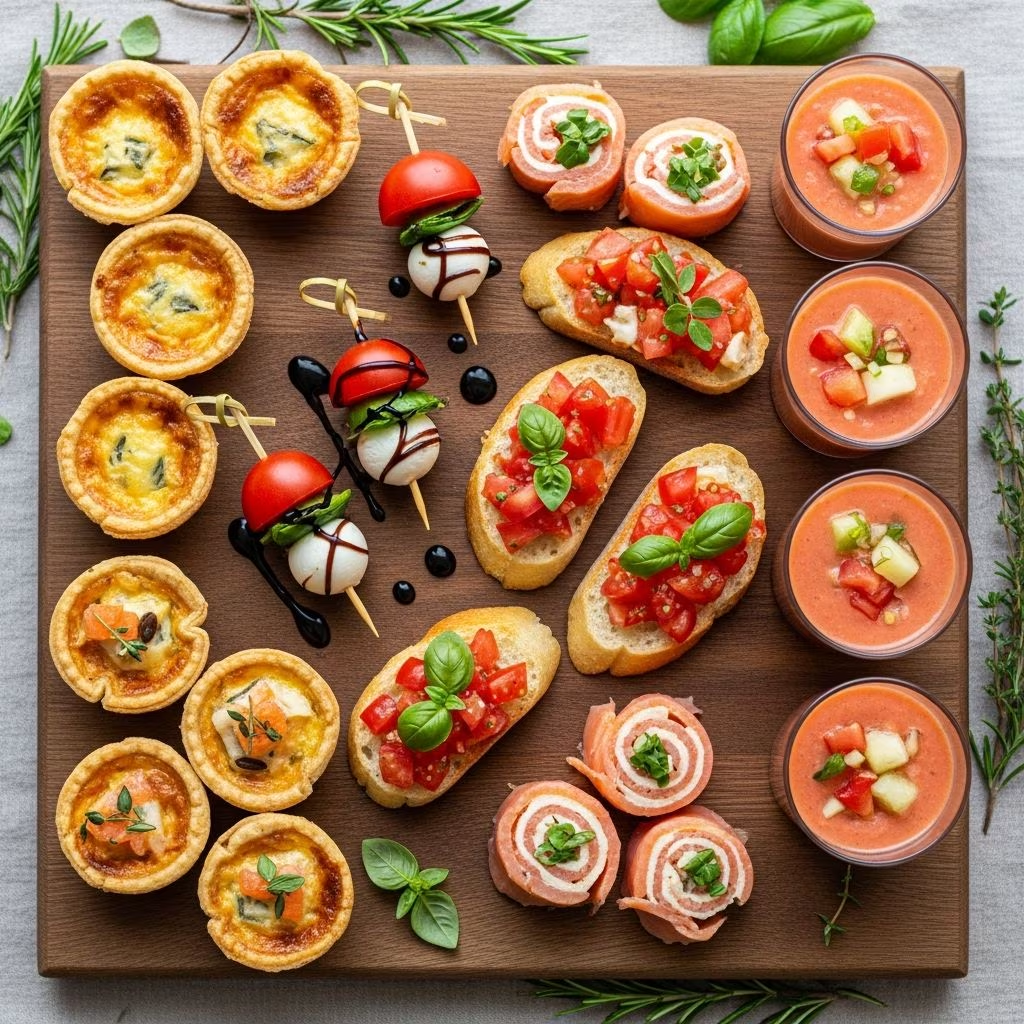
Crostini made with simple five-ingredient preparations can be assembled days ahead, with the toasted bread providing a stable foundation that resists absorbing moisture when stored properly. Store the crostini in airtight containers separately from any toppings or spreads, assembling them shortly before serving to maintain crispy texture. Broiled feta and tomato topping can be prepared a day ahead and gently reheated before topping the crostini moments before serving.
Bruschetta Strategies
Goat cheese and caramelized onion bruschetta demonstrates excellent advance preparation potential. The caramelized onion component can be prepared three to four days ahead, and the goat cheese mixture can be assembled a day in advance. Reserve the final toasting of bread and assembly until shortly before serving to ensure textural contrast between crispy bread and creamy topping.
Vegetable-Based Appetizers: Freshness Maintenance
Vegetable appetizers require thoughtful preparation strategies that balance advance preparation with maintaining appealing texture and color.
Marinated Vegetable Preparations
Sicilian caponata, a vegetable-based appetizer with complex flavors, actually improves significantly when made ahead. This make-ahead quality exists because the vegetables gradually absorb the vinegar and oil-based marinade, developing increasingly sophisticated flavor profiles. Prepare caponata up to five days in advance, storing it in covered containers. The flavors peak after two to three days, making it an ideal choice for gatherings several days into advance planning.
Fresh Vegetable Components
Mini caprese skewers using fresh mozzarella and tomatoes require different timing considerations. While the component ingredients can be prepped in advance, assembly should occur no more than a few hours before serving. Fresh mozzarella’s delicate flavor and texture benefits from minimal advance handling, and tomatoes begin releasing moisture when cut well in advance, potentially creating soggy results.
Protein-Forward Appetizers: Refrigeration Strategies
Protein-based appetizers often serve as hearty crowd-pleasers and frequently benefit from advance preparation.
Seafood Options
Smoked salmon tartare, prepared by combining chopped smoked salmon with lemon zest, shallots, and white pepper, creates an elegant appetizer requiring minimal preparation time but tremendous advance potential. While the actual preparation takes approximately fifteen minutes, this appetizer can be prepared a day in advance and stored in covered containers. The lemon zest and shallots meld into the salmon, creating increasingly cohesive flavor throughout storage.
Meat-Based Components
Prosciutto-wrapped preparations, whether featuring arugula, grilled figs, or burrata cheese, showcase different advance preparation strategies. The prosciutto wrapping itself can be prepared hours in advance, but certain components like fresh greens benefit from preparation closer to serving time. Grilling figs ahead of time preserves their texture and caramelized exterior while allowing hours of storage before final assembly.
Strategic Reheating Options for Hot Appetizers
Not all advance-prepared appetizers remain at room temperature. Many hot appetizer components can be partially or fully prepared ahead, with final reheating occurring just before service.
Phyllo-Based Preparations
Spinach and feta phyllo triangles demonstrate remarkable flexibility. These mini triangles can be prepared days in advance and frozen unbaked, or baked the evening before and gently reheated. The phyllo’s crispy exterior and tender interior remain intact whether served immediately after baking or gently warmed before serving. These appetizers taste equally appealing at room temperature or warm, providing serving flexibility.
Oven-Ready Components
Many hot dip preparations can be assembled completely in advance and simply warmed in the oven during the final hour before guests arrive. This approach allows significant advance preparation while ensuring appetizers taste freshly made and maintain optimal temperature.
Storage and Food Safety Considerations
Proper storage methods protect your advance preparations while maintaining food safety standards.
| Appetizer Category | Storage Method | Maximum Advance Time | Storage Temperature |
|---|---|---|---|
| Room Temperature Items | Airtight containers | 3-4 days | Refrigerated 40°F or below |
| Cold Dips & Spreads | Covered containers | 3-5 days | Refrigerated 40°F or below |
| Marinated Vegetables | Covered containers with liquid | 4-5 days | Refrigerated 40°F or below |
| Fresh Components | Separate storage containers | 1-2 days | Refrigerated 40°F or below |
| Unbaked Phyllo Items | Freezer bags or containers | Up to 2 months | Frozen 0°F or below |
Consistent refrigeration temperatures between thirty-five and forty degrees Fahrenheit ensure bacterial growth remains minimal. Always store potentially hazardous foods at appropriate temperatures, and when in doubt regarding safety, discard questionable items rather than risk foodborne illness. Label all prepared components with preparation dates and contents to maintain organization and safety awareness.
Assembly and Presentation Strategies
Strategic assembly timing preserves visual appeal while ensuring optimal texture and flavor combinations.
- Prepare all components separately, combining them only hours before serving to maximize freshness
- Reserve fresh herbs and delicate garnishes for final moments before serving
- Maintain organizational systems clearly labeling which components are fully prepared versus requiring final assembly
- Position serving utensils and platters strategically to facilitate smooth final assembly
- Consider platter presentation when planning advance preparation, arranging items to showcase colors and textures
Frequently Asked Questions About Advance Appetizer Preparation
How far in advance can I prepare appetizers?
Timing depends on appetizer type. Most room temperature items remain safe and delicious for three to four days when properly refrigerated. Marinated preparations often improve over four to five days. Raw items with fresh components typically maintain optimal quality for one to two days. Always prioritize food safety guidelines when determining preparation timelines.
Can frozen appetizers be prepared months ahead?
Yes, many unbaked appetizers freeze successfully for up to two months. Phyllo triangles, certain dip components, and wrapped preparations freeze well. Always thaw items in the refrigerator rather than at room temperature, and allow extra cooking time when baking directly from frozen states.
Which appetizer components should never be prepared in advance?
Fresh herbs, delicate lettuces, crispy bread components exposed to moisture, and fresh mozzarella benefit from minimal advance handling. These items should be incorporated as close to serving time as possible to preserve texture and visual appeal.
How should I organize my advance preparation schedule?
Create a preparation timeline working backward from your event. Identify which items improve with time and prepare those first—often three to five days ahead. Schedule intermediate components for two to three days ahead. Reserve fresh components and final assembly for the day of the event or just hours before service.
Conclusion: Transforming Entertaining Through Strategic Preparation
Mastering advance appetizer preparation fundamentally transforms your entertaining experience from stressful to enjoyable. By strategically planning which components can be prepared days ahead, understanding how flavors develop during storage, and implementing proper storage and food safety practices, you create the foundation for successful gatherings. The investment in advance planning pays dividends through reduced pre-event stress, improved flavor complexity in many dishes, and the freedom to focus on hospitality rather than kitchen responsibilities. Whether you’re entertaining intimate groups or hosting larger celebrations, these advance preparation strategies enable you to welcome guests confidently, knowing your appetizer selection is ready to impress.
References
- Food Safety Guidelines for Advance Food Preparation — U.S. Food and Drug Administration. 2024. https://www.fda.gov/food/food-safety-during-emergencies/food-safety-tips-home
- Proper Food Storage and Refrigeration Temperatures — USDA Food Safety and Inspection Service. 2024. https://www.fsis.usda.gov/food-safety/safe-food-handling-and-preparation/food-safety-basics/safe-temperature-internal-cooking
- Make Ahead Room Temperature Appetizers — Aleka’s Get-Together. https://alekasgettogether.com/make-ahead-room-temperature-appetizers/
- 45 Easy and Make-Ahead Appetizers Everyone Will Love — Panning the Globe. https://www.panningtheglobe.com/45-easy-and-make-ahead-appetizers-everyone-will-love/