Broccoli stands out as a nutrient-packed vegetable, celebrated for its vibrant color and crisp texture. However, like all fresh produce, it has a limited shelf life. Recognizing when broccoli has gone bad helps minimize food waste, protects your health, and keeps your meals enjoyable. This guide explores the key indicators of spoilage across fresh, frozen, and cooked forms, alongside practical advice for selection, storage, and revival techniques.
Understanding Broccoli’s Natural Lifespan
Fresh broccoli typically remains at peak quality for about one to two weeks when stored properly in the refrigerator. Cut broccoli spoils much faster, often within two days, due to increased exposure to air and bacteria. Factors like initial freshness at purchase, humidity levels, and handling speed up or slow down deterioration. By monitoring these timelines, you can plan meals effectively and avoid surprises.
Visual Indicators of Spoilage
Appearance offers the quickest clue to broccoli’s condition. Start with the overall color and look for irregularities.
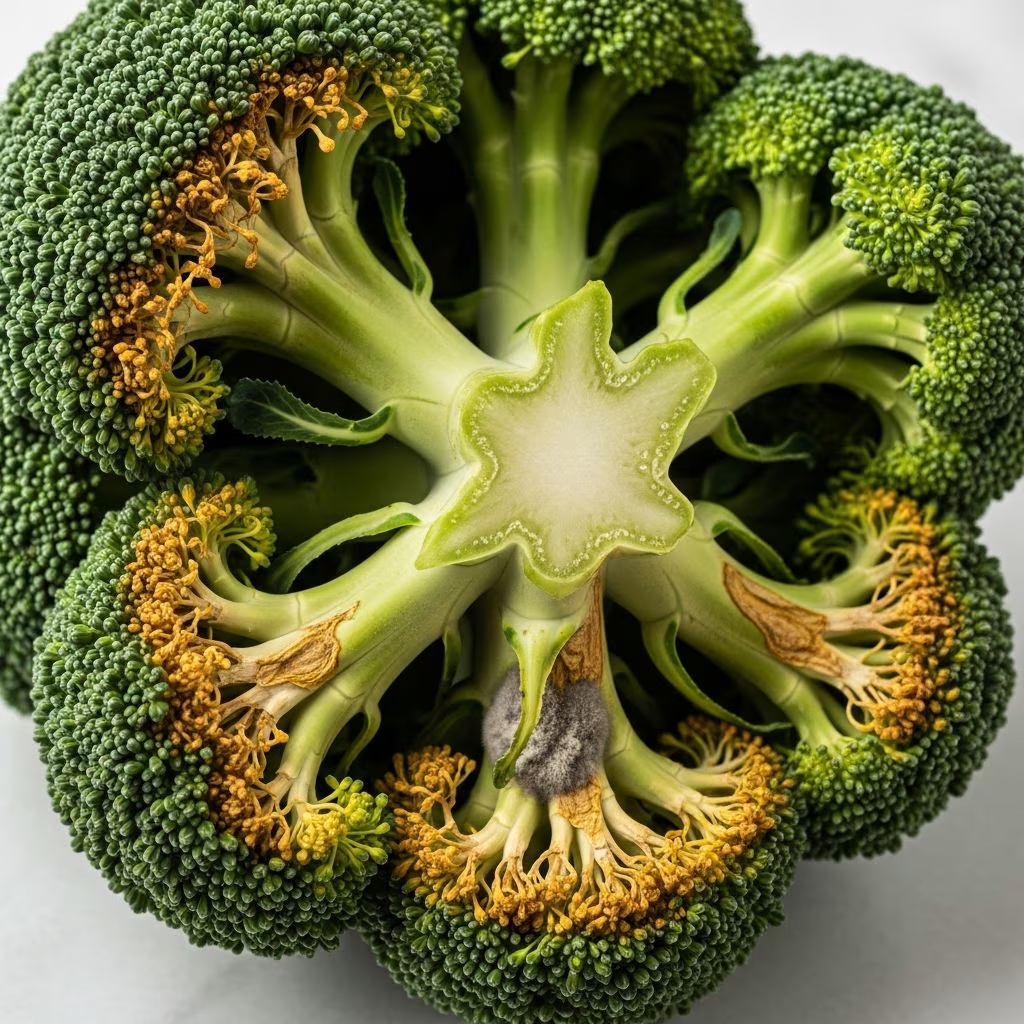
- Yellowing Florets: A shift from deep green to yellow signals the breakdown of chlorophyll. Small yellow patches mean the broccoli is aging but often still safe if trimmed and cooked promptly. Extensive yellowing or browning indicates it’s beyond edible.
- Dark Spots or Discoloration: Brown, black, or gray spots on heads or stems suggest decay. These areas harbor bacteria and should be removed; if widespread, discard the entire bunch.
- Mold Growth: Fuzzy white, black, or green patches are definitive signs of mold. Even tiny dots mean invisible spores likely spread further, making salvage unsafe.
For frozen broccoli, watch for freezer burn—dry, discolored patches—or excessive ice crystals, both pointing to quality loss.
Sensory Checks: Smell and Touch
Beyond sight, your nose and hands provide reliable tests.
Odor Assessment
Fresh broccoli has a mild, earthy scent. A strong, sulfurous, or ammonia-like smell means fermentation or bacterial activity has begun. Cooked leftovers develop a similar off-odor within 2-3 days, often accompanied by watery breakdown.
Texture Evaluation
Healthy broccoli feels firm and snaps crisply. Soft, limp, or slimy stems and florets indicate water loss or rot. A floppy texture from dehydration is usually okay if no slime or mold appears—revive by soaking the trimmed stem in water. Mushiness, however, demands immediate disposal.
| Condition | Good Signs | Bad Signs | Action |
|---|---|---|---|
| Color | Deep green | Yellow, brown, black spots | Trim minor issues; toss extensive |
| Smell | Mild, fresh | Sulfurous, ammonia | Discard |
| Texture | Firm, crisp | Soft, slimy, floppy with rot | Revive if dry; toss if slimy |
| Mold | None | Any visible fuzz or dots | Toss entire head |
Selecting Prime Broccoli at the Store
Prevention starts with smart shopping. Choose compact heads with tightly closed florets in uniform deep green hues—no yellowing or wilting. Stems should be firm, not woody or split. Avoid bunches bundled too tightly, as they trap moisture and hasten spoilage. Opt for smaller heads, which tend to be more tender and slower to age.
- Check the cut end of stems for freshness—moist and pale is ideal.
- Feel for heft; heavy broccoli holds more moisture.
- Skip pre-cut bags if possible; whole heads last longer.
Optimal Storage Strategies
Proper storage extends broccoli’s usability. Refrigerate unwashed heads in a loose plastic bag or perforated container to balance humidity and airflow. Place in the crisper drawer at 32-40°F (0-4°C). Avoid sealing tightly, which promotes condensation and mold.
- Whole Heads: Up to 2 weeks.
- Cut Florets: 3-5 days in an airtight container.
- Frozen: Blanch first, then freeze in single layers for up to 12 months. Thaw in fridge to check quality.
For cooked broccoli, cool quickly and store in shallow containers for 2-3 days max. Reheat to 165°F (74°C) for safety.
Reviving Less-Than-Perfect Broccoli
Not all aging signs spell doom. Limp but clean broccoli perks up when you trim 1 inch off the stem and submerge in a bowl of ice water for 30 minutes in the fridge. This rehydrates cells without cooking. Always inspect post-soak—no slime means it’s good for steaming or roasting.
Risks of Consuming Spoiled Broccoli
Eating bad broccoli risks foodborne illness from bacteria like E. coli or Salmonella, causing nausea, vomiting, cramps, and diarrhea. Vulnerable groups—children, elderly, pregnant individuals, and immunocompromised—face higher dangers. Pathogens thrive in decaying plant matter, and mold toxins persist even after cooking. When in doubt, throw it out.
Creative Uses for Borderline Broccoli
Turn questionable but salvageable pieces into soups, purees, or casseroles where texture matters less. Blend into smoothies if mildly yellow, or roast at high heat to crisp edges. These methods mask minor flaws while preserving nutrients like vitamin C and fiber.
FAQ: Broccoli Freshness Questions Answered
Can I eat broccoli with a little yellow on it?
Yes, trim yellow parts and cook thoroughly. Raw consumption risks bitterness and lower nutrition.
How long does broccoli last in the fridge?
Whole heads: 1-2 weeks. Cut: 3-5 days. Monitor for spoilage signs regardless.
Is frozen broccoli with ice crystals bad?
Excessive ice signals freezer burn; quality drops but it’s safe if no off odors post-thaw.
What does bad cooked broccoli look like?
Watery, discolored, moldy, or strongly smelling—toss after 2-3 days.
Can I freeze limp broccoli?
Blanch first to preserve color and texture; freeze immediately.
Nutritional Impact of Aging Broccoli
Fresh broccoli delivers sulforaphane, antioxidants fighting inflammation. Aging reduces these by up to 50% via oxidation, but cooking salvageable portions retains most benefits. Prioritize freshness for max health gains.
In summary, vigilance with senses and storage ensures broccoli enhances rather than hinders your diet. Regular checks prevent waste and safeguard well-being.
References
- How to tell if broccoli is bad? — A Table Full Of Joy. 2023-05-15. https://www.atablefullofjoy.com/how-to-tell-if-broccoli-is-bad/
- How to Tell If Broccoli is Bad — MEL Magazine. 2022-08-10. https://melmagazine.com/en-us/story/how-to-tell-if-broccoli-is-bad
- What if broccoli gets soft and floppy? — Eat Or Toss. 2024-01-22. https://www.eatortoss.com/what-if-broccoli-gets-soft-and-floppy/