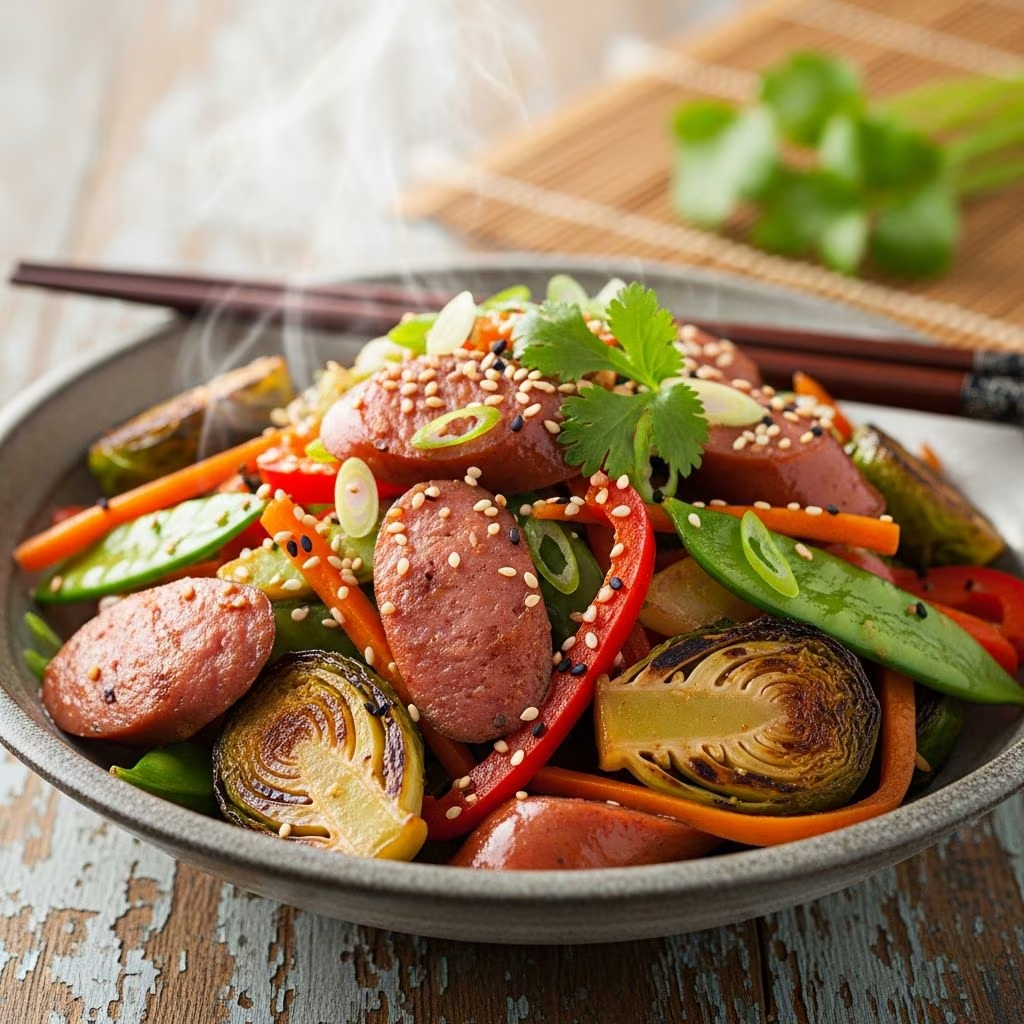
When weeknight cooking feels overwhelming, having a reliable recipe that combines minimal ingredients with maximum flavor becomes invaluable. The fusion of Italian sausage with Brussels sprouts, elevated by aromatic spices and savory umami flavors, creates a dish that satisfies both the palate and the clock. This comprehensive guide explores every aspect of preparing this versatile stir-fry, from ingredient selection through plating techniques.
Understanding the Core Components
A successful stir-fry relies on the harmony between its primary ingredients. The marriage of seasoned sausage with cruciferous vegetables creates a balanced meal that delivers protein, fiber, and complex carbohydrates. Unlike traditional Asian stir-fries that might rely solely on vegetable-based preparations, incorporating sausage introduces richness and depth that transforms this dish into a complete protein-forward entrée.
The Brussels sprout serves as the foundation vegetable, offering both textural contrast and nutritional value. These small cabbage-like cruciferous vegetables develop a caramelized exterior when cooked at high heat, creating crispy edges that contrast beautifully with their tender interiors. The aromatic profile includes garlic, onion, and jalapeño, which build layers of flavor that complement the spiced sausage.
Essential Ingredients and Their Roles
Each ingredient in this dish contributes distinct characteristics that work synergistically:
- Italian Sausage: Provides protein and natural fat that flavors the entire pan. Breaking the sausage into bite-sized pieces ensures even cooking and distribution throughout the stir-fry.
- Brussels Sprouts: The primary vegetable component offering earthiness, slight bitterness, and satisfying texture when properly cooked.
- Aromatics (Garlic, Onion, Jalapeño): These build the flavor foundation, with garlic providing pungency, onion contributing sweetness and body, and jalapeño delivering subtle heat.
- Five-Spice Powder: A traditional Asian blend typically containing star anise, cloves, cinnamon, Sichuan pepper, and fennel. This seasoning adds warmth and complexity to the finished dish.
- Soy Sauce: Delivers umami depth and saltiness that ties all flavors together.
- Vinegar: Sherry or red wine vinegar provides acidity that brightens the overall flavor profile and prevents the dish from tasting one-dimensional.
The Cooking Technique: Step-by-Step Breakdown
Understanding the precise cooking methodology ensures consistent results every time you prepare this dish. The technique involves sequential cooking stages that build flavor while developing textural contrast.
Stage One: Sausage Preparation
Begin by heating a large skillet or wok over high heat. Once the cooking vessel reaches proper temperature, add oil and the sausage. Breaking the sausage into small, uniform pieces promotes even cooking and allows the meat to brown properly. Cook for approximately 6 to 8 minutes, stirring occasionally, until the sausage is mostly cooked through but still retains slight moisture. This partial cooking ensures the sausage won’t overcook when combined with other ingredients later.
Transfer the cooked sausage to a clean plate and reserve the rendered fat in a small heat-proof bowl. This fat becomes crucial for subsequent cooking stages, as it imparts sausage flavor throughout the entire dish.
Stage Two: Aromatic Vegetables
Return approximately one tablespoon of the reserved sausage fat to the skillet and increase heat to medium-high. Add the thinly sliced onion, tossing frequently to promote even softening. After about three minutes, when the onion becomes translucent and tender, introduce the garlic and jalapeño. Cook this aromatic mixture for an additional two minutes, stirring constantly to prevent burning while allowing flavors to fully develop.
The rapid cooking of aromatics at high temperature intensifies their flavors without causing them to become mushy. Transfer this mixture to the plate containing the sausage.
Stage Three: Brussels Sprout Development
Add approximately three tablespoons of reserved fat or fresh vegetable oil to the skillet. Arrange the halved Brussels sprouts in the pan with cut sides facing downward. Allow them to cook undisturbed for roughly three minutes. This resting period permits the cut surface to develop a beautiful golden-brown crust through the Maillard reaction, which creates complex flavors and appealing color.
After the initial browning, toss the Brussels sprouts and add the soy sauce along with water. Reduce heat to medium, cover the skillet, and cook for approximately five minutes until the sprouts become just tender. The combination of soy sauce and water creates a gentle braising environment that cooks the vegetables through while retaining their structural integrity.
Stage Four: Integration and Finishing
Remove the skillet from heat and return the reserved sausage mixture to the pan. Drizzle with vinegar and sprinkle the five-spice powder over everything. Toss thoroughly to ensure even distribution of seasonings and complete integration of all components. The residual heat will gently warm the sausage and aromatics while the vinegar provides bright acidity that contrasts with the rich, savory elements.
Ingredient Variations and Substitutions
While the traditional recipe calls for Italian sausage, several alternatives deliver comparable results. Chinese sausage (lap cheong) creates an entirely different flavor profile, introducing sweetness and distinct spice characteristics that align beautifully with Asian preparations. For those preferring lighter options, turkey or chicken sausage reduces fat content while maintaining satisfying protein delivery.
Vegetable-based modifications accommodate dietary preferences without sacrificing substantial texture. Substituting the sausage with extra-firm tofu or tempeh provides protein while maintaining the dish’s foundation. Mushrooms, particularly cremini or shiitake varieties, introduce umami depth that compensates for sausage’s richness.
The vinegar component offers flexibility as well. Rice vinegar contributes milder acidity suited to those preferring gentler flavor profiles, while balsamic vinegar adds complexity through its aged character. For heat-seeking palates, hot sauce or additional jalapeño can be incorporated alongside or instead of the five-spice powder.
Nutritional Considerations
This stir-fry delivers substantial nutritional benefits through its thoughtful ingredient composition. Brussels sprouts provide vitamin C, vitamin K, and dietary fiber alongside beneficial plant compounds called glucosinolates. The sausage contributes complete protein containing all essential amino acids. The combination of vegetables and protein creates a satisfying meal that promotes sustained energy without dramatic blood sugar fluctuations.
Managing sodium content becomes relevant given soy sauce’s saltiness. Tasters concerned about sodium intake can reduce soy sauce quantity and compensate with additional vinegar or fresh herbs. The fat content, largely from sausage, should be considered when determining portion sizes and overall meal composition.
Cooking Equipment and Temperature Management
Successful stir-fry preparation depends significantly on appropriate equipment and heat management. A large skillet or traditional wok distributes heat evenly while providing adequate surface area for ingredient maneuvering. Non-stick surfaces simplify cleanup and reduce oil requirements, though seasoned carbon steel or stainless steel perform equally well for those comfortable with traditional materials.
High heat proves essential for developing flavor through proper browning and Maillard reactions. However, overly aggressive heat can result in burnt aromatics or unevenly cooked vegetables. A responsive stovetop that allows precise temperature adjustment enables proper heat modulation throughout the cooking process. If using an electric stovetop, allow adequate preheating time to ensure consistent temperature.
Timing and Mise en Place
Proper preparation of ingredients before cooking begins dramatically impacts the cooking experience and final quality. Thinly slicing onions and garlic ensures rapid cooking and even distribution. Halving Brussels sprouts to similar sizes promotes uniform cooking. Having all ingredients prepared and arranged before heating the pan prevents rushed decision-making and scrambling.
The entire cooking process requires approximately 25 to 30 minutes from start to finish, making this dish ideal for weeknight preparation. Most of this time involves actual cooking rather than active work, allowing the cook to attend to other tasks while remaining nearby for necessary tossing and monitoring.
Serving Suggestions and Accompaniments
This stir-fry performs beautifully as a standalone protein and vegetable combination, yet pairs exceptionally well with complementary starches. Steamed white or brown rice provides neutral absorption of flavorful pan juices. Noodles, whether wheat-based or rice varieties, create a more substantial meal. Cauliflower rice or other low-carbohydrate alternatives accommodate various dietary approaches.
Fresh herbs scattered over the finished dish introduce brightness and visual appeal. Cilantro, green onions, or sesame seeds add textural contrast. A squeeze of fresh lime juice brightens flavors without adding sodium, appealing to those managing salt intake.
Storage and Meal Preparation
This stir-fry stores effectively in airtight containers for three to four days, making it valuable for meal preparation strategies. Reheat gently in a skillet over medium heat rather than using microwave methods, which can result in uneven warming and textural degradation. The dish remains palatable cold or at room temperature, making it suitable for packed lunches.
For advance preparation, vegetables can be halved and sliced several hours ahead, though storing cut Brussels sprouts in sealed containers with minimal air prevents oxidative browning. Sausage can be browned and reserved several days in advance. Combining components occurs during final cooking, preserving textural integrity.
Common Challenges and Solutions
| Challenge | Potential Cause | Solution |
|---|---|---|
| Soft, mushy Brussels sprouts | Overcooking during braising stage | Reduce covered cooking time to 4 minutes; check for doneness earlier |
| Pale, non-caramelized vegetables | Insufficient initial heat or crowded pan | Preheat pan thoroughly; avoid overcrowding; resist stirring during initial browning |
| Burnt aromatics | High heat during garlic and jalapeño cooking | Reduce heat before adding aromatics; stir constantly to prevent burning |
| One-dimensional flavor | Insufficient vinegar or five-spice powder | Increase vinegar to full amount; taste and adjust seasonings before serving |
| Greasy final dish | Excessive oil or insufficient fat removal | Carefully drain rendered fat into bowl; use reserved fat rather than fresh oil |
Flavor Profile Analysis
This dish presents a complex interplay of flavor dimensions that create an engaging and satisfying culinary experience. Savory umami notes from soy sauce and browned sausage form the foundation. Warm spice characteristics from five-spice powder contribute aromatic depth without overwhelming heat. Acidic brightness from vinegar prevents flavors from becoming heavy or one-dimensional. The jalapeño introduces subtle warmth that builds gradually rather than attacking the palate immediately.
Textural contrast emerges from the combination of tender, caramelized Brussels sprouts, soft cooked aromatics, and crumbled sausage pieces. Each component maintains its structural integrity while contributing to the overall mouthfeel.
Frequently Asked Questions
Can this recipe be made vegetarian?
Yes. Substitute sausage with crumbled firm tofu, tempeh, or mushroom combinations. Adjust seasonings to taste since sausage contributes significant flavor.
Is five-spice powder essential, or can it be omitted?
While five-spice powder adds distinctive character, the dish remains delicious without it. Increase soy sauce slightly or add additional garlic for complexity.
What if Brussels sprouts are unavailable?
Broccoli, bok choy, or green beans work well. Adjust cooking times based on vegetable size and density.
Can this dish be prepared in advance?
Prepare components separately and combine during final cooking to maintain textural quality. Completed dish stores up to four days refrigerated.
How spicy is this dish?
The heat level remains mild to moderate due to single jalapeño. Increase quantity or add sriracha for greater spice intensity.
References
- Five-Spice Powder Composition and Culinary Applications — University of Georgia Cooperative Extension. 2023-06-15. https://www.extension.uga.edu
- The Maillard Reaction in Food Preparation: Chemistry and Flavor Development — Institute of Food Technologists. 2024-01-10. https://www.ift.org
- Nutritional Composition of Brassica Vegetables: Brussels Sprouts and Health Benefits — USDA FoodData Central. 2025-03-22. https://fdc.nal.usda.gov
- Proper Heat Management in Wok and Skillet Cooking Techniques — America’s Test Kitchen. 2024-09-12. https://www.americastestkitchen.com
- Storage and Food Safety Guidelines for Cooked Meat Products — FDA Food Safety Modernization Act. 2024-05-20. https://www.fda.gov