The Bloody Mary stands as one of the most versatile and beloved brunch cocktails, celebrated for its complex flavor profile and ability to satisfy both the adventurous drinker and the cautious newcomer. While many reach for bottled mixes or pre-made versions, creating your own Bloody Mary mix from scratch opens up a world of customization and flavor depth that commercial options simply cannot match. Understanding the foundational ingredients and techniques will empower you to craft a mix that rivals any upscale restaurant or cocktail bar.
Understanding the Foundation: Core Ingredients Explained
Every exceptional Bloody Mary mix begins with understanding the role each ingredient plays in building the final flavor. Rather than simply throwing components together, recognizing how they interact creates a more deliberate and balanced result.
Tomato Juice: The Essential Base
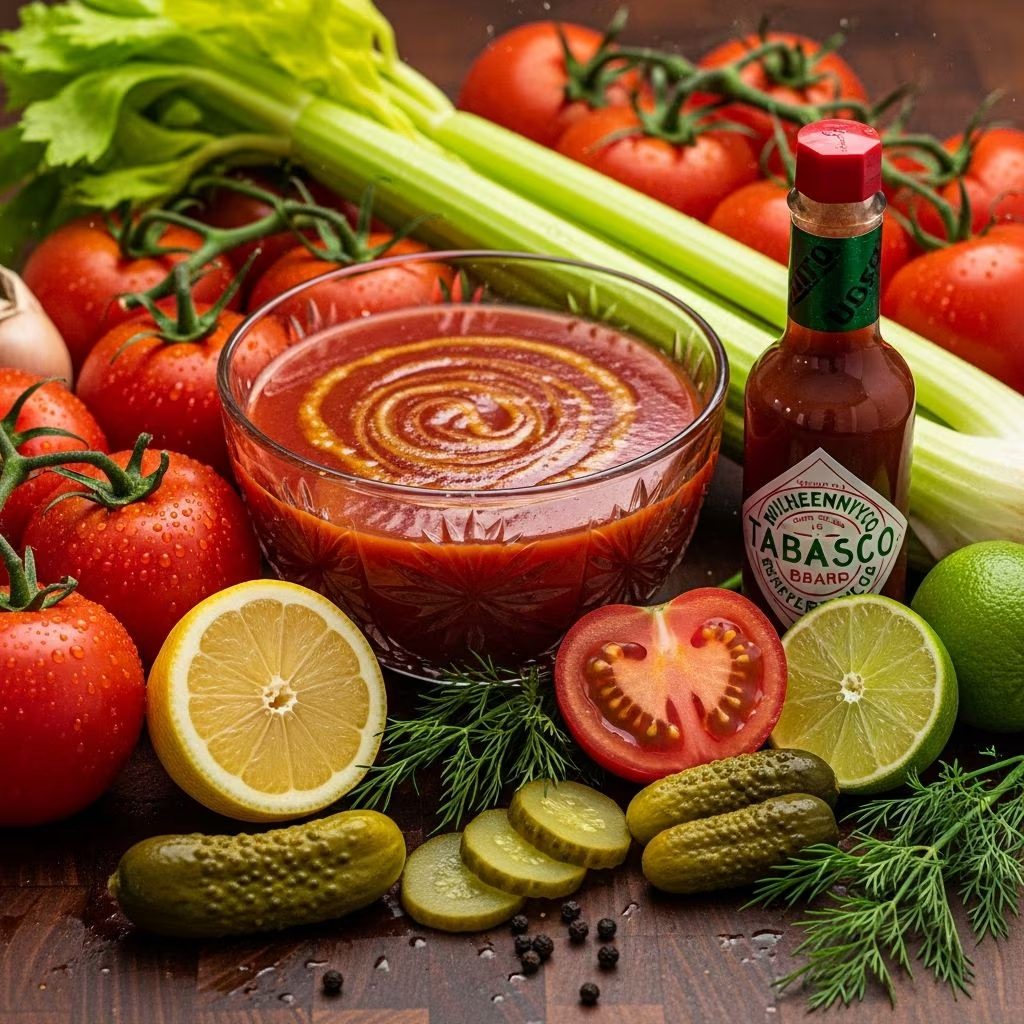
Tomato juice forms the backbone of any Bloody Mary mix, providing the volume and primary flavor profile. The quality of this ingredient dramatically influences the final product. Opt for 100% pure tomato juice without added sugars or preservatives, as these can muddy the savory notes you’re trying to develop. Many bartenders and home mixologists prefer organic varieties, though any unsweetened option will suffice. The juice should taste fresh and vibrant rather than overly sweet or acidic. If you find standard tomato juice too thin, some recipes incorporate tomato paste or even fresh tomato puree for added body and concentrated flavor.
Horseradish: The Spicy Signature
Horseradish delivers the distinctive spicy kick that characterizes a proper Bloody Mary. This ingredient requires careful selection—always choose pure prepared horseradish rather than horseradish sauce, which often contains mayonnaise or cream that can cloud the clarity of your mix. The fresh, sharp bite of prepared horseradish adds complexity without overwhelming the palate. Some recipes call for creamy hot horseradish, which adds a slightly mellow but still potent heat. The amount you use should be calibrated to your heat preference, typically ranging from two to four tablespoons per batch.
Citrus Components: Brightness and Balance
Fresh lemon juice serves as a critical flavor balancer, brightening the rich tomato base and adding acidity that prevents the mix from tasting flat or one-dimensional. Fresh-squeezed lemon juice delivers superior results compared to bottled concentrate or juice from the shelf. Squeeze lemons just before mixing when possible. Some recipes incorporate lime juice or orange juice as well, adding tropical notes and additional complexity to the blend. These citrus additions shift the flavor profile while maintaining the essential brightness that makes a Bloody Mary refreshing rather than heavy.
Worcestershire Sauce: The Umami Element
Worcestershire sauce contributes savory, umami-rich depth that grounds all the other flavors. This fermented condiment adds complexity and ties together the various components into a cohesive whole. While it may seem like a supporting player, Worcestershire sauce actually functions as a flavor anchor that prevents the mix from tasting one-dimensional. Use it judiciously—too much creates an overwhelming fermented taste, while too little results in a mix that lacks sophistication.
Secondary Ingredients That Elevate Your Mix
Beyond the core components, several secondary ingredients transform a basic Bloody Mary into something memorable and distinctive.
Salt and Pepper Dynamics
Sea salt or kosher salt enhances all flavors within the mix while preventing it from tasting flat. Freshly cracked black pepper adds texture and a subtle bite that complements the spice from the horseradish. Rather than adding these seasonings all at once, taste your mix as you go, adjusting incrementally until you achieve the desired balance. Many bartenders recommend under-seasoning initially, then allowing flavors to meld overnight before making final adjustments.
Celery Salt: The Classic Touch
Celery salt deepens the classic Bloody Mary flavor profile, reinforcing the traditional pairing with a celery stalk garnish. This ingredient provides a subtle herbal note that elevates the mix beyond simple tomato juice and vodka. If celery salt is unavailable, substituting additional sea salt with a pinch of celery seed creates a similar effect, though the flavor intensity may differ slightly.
Hot Sauce and Heat Elements
A splash of hot sauce adds depth and warmth without necessarily overwhelming the palate with spice. Popular choices include Tabasco, Tapatio, and Texas Pete, though personal preference should guide your selection. Start conservatively—you can always add more heat, but removing it proves impossible. Some enthusiasts incorporate pickle juice or olive brine, which adds tangy salinity and umami alongside their briny characteristics.
Creating Your Signature Mix: Step-by-Step Process
The method for combining ingredients matters as much as the ingredients themselves. Proper preparation ensures flavors integrate smoothly and develop harmoniously over time.
Preparation and Combination
Pour your tomato juice into a large mixing bowl or pitcher—this provides adequate space for stirring and prevents splashing. Add the horseradish, fresh lemon juice, Worcestershire sauce, black pepper, and celery salt. Stir thoroughly until all components are uniformly distributed and no unmixed pockets remain. At this stage, taste your mixture and begin making adjustments based on your preferences. If the mix tastes too acidic, reduce lemon juice slightly. If it lacks spice, increase horseradish. If it seems flat, boost the Worcestershire sauce or add more celery salt.
Flavor Development and Aging
Cover your mix tightly and refrigerate overnight, allowing flavors to meld together into a more cohesive whole. This resting period is not optional—it represents a crucial step that transforms individual ingredients into an integrated blend. The cold temperature also helps various elements dissolve more completely, while the passage of time allows subtle flavor interactions to develop. Many experienced bartenders prepare their mix a day or two before serving, allowing the flavors even more time to harmonize.
Final Seasoning Adjustments
Before serving, taste your chilled mix again and make any final adjustments. You may find that overnight aging has concentrated certain flavors, necessitating slight modifications. Some mixologists prefer to dilute their mix slightly with additional tomato juice if overnight chilling has intensified flavors beyond their preference. Keep detailed notes on your adjustments—this documentation helps you recreate successful batches and refine your technique over time.
Ingredient Quality and Selection Guidelines
| Ingredient | Quality Indicator | Selection Tips |
|---|---|---|
| Tomato Juice | 100% pure, no added sugar | Choose organic if budget allows; prioritize unsweetened varieties |
| Horseradish | Pure prepared, not sauce | Check ingredients to ensure no mayo or cream added |
| Lemon Juice | Fresh-squeezed when possible | Bottled works in emergencies but fresh delivers superior results |
| Worcestershire Sauce | Standard fermented variety | Quality brands matter; test different brands to find preference |
| Hot Sauce | Matches your heat tolerance | Start with milder options and work toward spicier varieties |
Mixing and Serving Your Bloody Mary
Once your mix has properly aged and been fine-tuned, the serving process becomes relatively straightforward, though several details enhance the final drinking experience.
Rim Preparation
Many enthusiasts prefer rimming their glasses with a seasoned salt mixture, adding textural interest and additional flavor with each sip. Combine celery salt and kosher salt on a small plate. Rub a lemon wedge around the outer edge of a highball glass, then roll the dampened rim through the salt mixture until evenly coated. This rim serves both functional and aesthetic purposes, enhancing the drinking experience while improving presentation.
Proportioning and Balance
The ideal ratio of Bloody Mary mix to vodka depends on personal preference and the strength you desire. A balanced standard ratio uses approximately one part vodka to three parts mix, creating a drink that maintains the complex flavors of the mix while allowing the spirit to contribute its own character. For stronger drinks, adjust to a one-to-two ratio. Some drinkers prefer virgin Bloody Marys without any alcohol, which remains valid—your mix works beautifully without spirits for those who prefer non-alcoholic beverages.
Glassware and Temperature Considerations
Fill your rimmed glass with fresh ice before adding the vodka and mix. Use a highball glass or similar tall vessel that accommodates a generous garnish. The ice serves multiple purposes—it chills the drink to optimal serving temperature, provides a visual presentation element, and melts gradually to slightly dilute the cocktail, balancing flavors as you drink.
Garnishing Techniques and Presentation
The garnish transforms a simple cocktail into a memorable drinking experience. Traditional Bloody Mary garnishes include a celery rib, which adds textural contrast and herbal notes as you sip. Beyond celery, creative additions might include bacon strips, olives, pickled vegetables, cheese cubes, or combinations thereof. The garnish should complement rather than overshadow the flavors you’ve carefully developed in your mix.
Storage and Shelf Life
Properly stored Bloody Mary mix maintains quality for approximately two weeks when refrigerated in a tightly sealed container. The citrus component eventually oxidizes, causing slight flavor degradation, but the mix remains safe to consume beyond this window. For longer storage, you can freeze Bloody Mary mix in ice cube trays, then transfer frozen cubes to freezer bags. While freezing affects the fresh qualities somewhat, frozen mix works acceptably for cocktails when fresh preparation isn’t feasible.
Troubleshooting Common Mix Problems
Even experienced mixologists occasionally encounter issues when developing their perfect Bloody Mary mix. Understanding how to diagnose and correct these problems improves your results.
If your mix tastes too acidic or sour, reduce the lemon juice in future batches or add slightly more tomato juice to dilute the citrus impact. If the mix tastes flat or one-dimensional, increase the Worcestershire sauce, horseradish, or heat elements that provide complexity. If your mix seems too spicy or harsh, you’ve likely over-indexed on horseradish or hot sauce—tone these down in subsequent batches. If the mix tastes overly salty, dilute with fresh tomato juice rather than attempting to remove salt, which proves impossible once added.
Frequently Asked Questions
Can I make Bloody Mary mix without fresh lemon juice?
While bottled lemon juice works in emergencies, fresh-squeezed juice dramatically improves the final result. The fresh juice provides brightness and vitality that concentrated or bottled versions cannot replicate. Plan ahead to ensure fresh lemons are available.
Is it possible to prepare Bloody Mary mix in advance?
Yes, preparing your mix one to two days ahead allows flavors to develop more fully. Many bartenders consider overnight aging the minimum for proper flavor development. Refrigerate in a tightly sealed container until ready to serve.
Can I substitute ingredients if I don’t have exact items?
Limited substitutions work acceptably. Lime juice can replace lemon juice, though the flavor shifts slightly. Pickle juice can substitute for some or all of the lemon juice, adding tang and umami. However, some ingredients like horseradish have limited acceptable alternatives—mustard powder or spicy condiments can approximate the flavor but won’t perfectly replicate horseradish’s distinctive character.
What spirits pair best with homemade Bloody Mary mix?
Vodka remains the traditional choice due to its neutral character, allowing the mix to shine. However, tequila, gin, or rum each create distinctive variations that highlight different flavor aspects. Experiment to discover your preferred spirit pairing.
How can I make my Bloody Mary mix less spicy?
Reduce the horseradish, hot sauce, and black pepper in future batches. Remember that flavors intensify overnight, so under-season slightly and adjust after aging rather than creating an overly spicy initial mix.
References
- The Best Homemade Bloody Mary Mix Recipe — Feast + West. https://feastandwest.com/homemade-bloody-mary-mix/
- The BEST Bloody Mary Mix — The Suburban Soapbox. https://thesuburbansoapbox.com/the-best-bloody-mary-mix-recipe/