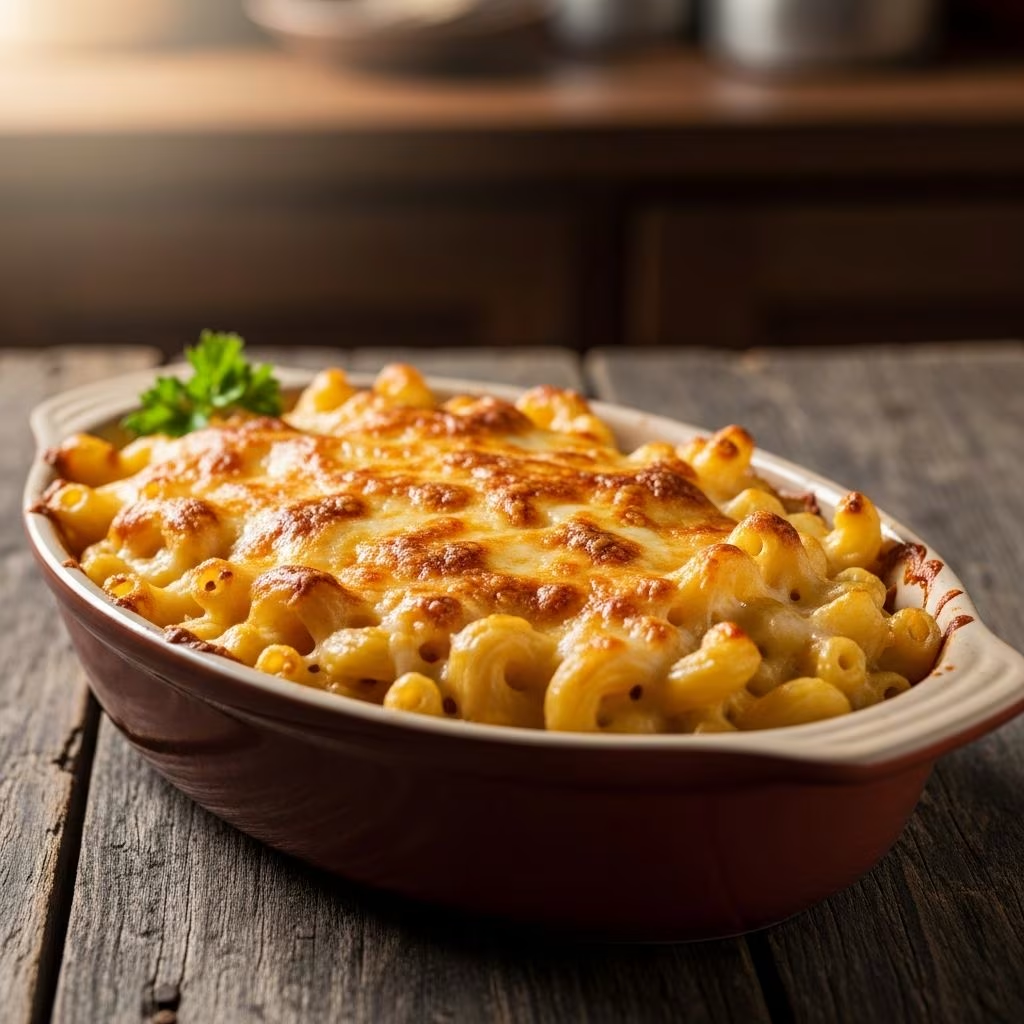
Southern baked mac and cheese represents one of the most beloved comfort foods in American cuisine, celebrated for its creamy texture, multiple layers of cheese flavor, and golden-brown exterior. This classic dish has been passed down through generations, with each family developing their own variations while maintaining the essential characteristics that make it distinctly Southern. The key to achieving the perfect version lies in understanding the ingredients, techniques, and timing that transform simple pasta and cheese into an indulgent casserole.
Understanding the Foundation of This Classic Dish
The foundation of Southern baked mac and cheese begins with selecting the right pasta shape and cooking method. Most traditional recipes call for elbow macaroni, which provides the ideal surface area for cheese sauce to cling to each piece. The pasta should be cooked until it reaches an al dente state—tender but still firm enough to hold its shape during the baking process. Cooking the pasta in generously salted water, similar to preparing pasta for any other dish, ensures the noodles themselves are properly seasoned from the inside out.
After draining, many cooks toss the hot pasta with butter and seasonings before combining it with the cheese mixture. This step helps distribute fat throughout the pasta and prevents clumping, which is especially important when the pasta will be sitting in a custard-like mixture.
The Multi-Cheese Approach That Defines Southern Recipes
What distinguishes Southern baked mac and cheese from simpler versions is the deliberate use of multiple cheese varieties, each contributing distinct flavors and melting characteristics. Traditional recipes incorporate anywhere from three to five different cheeses, creating a complex flavor profile that develops as the dish bakes.
Essential Cheese Selections
- Sharp cheddar cheese provides the tangy, distinctive flavor that forms the backbone of the dish. This aged cheese brings boldness and depth that mild cheddars cannot replicate.
- Mozzarella cheese contributes creamy smoothness and creates those desirable cheese pulls. Using a combination of shredded and sliced mozzarella adds textural variety.
- Gruyère cheese introduces a subtle nuttiness that elevates the overall flavor complexity without overpowering other cheese notes.
- Colby Jack or similar mild varieties add butteriness and help bind the sauce together, creating better cohesion among the stronger flavors.
- Cream cheese or processed cheese products like Velveeta can be incorporated to ensure the sauce remains smooth and prevents separation during baking.
Creating the Creamy Custard Base
The custard-style mixture that sets Southern baked mac and cheese apart from stovetop versions involves combining dairy products with eggs to create a protective, moisture-retaining matrix around the pasta. This approach prevents the dish from becoming dry during the extended baking process.
Dairy Components and Their Roles
The liquid base typically includes a combination of whole milk, evaporated milk, and heavy cream. Evaporated milk, which has had roughly half its water content removed, provides concentrated flavor and contributes to the creamy texture without adding excessive moisture. Heavy cream adds richness and helps create the luxurious mouthfeel that characterizes exceptional versions of this dish. Half-and-half offers a middle ground between regular milk and heavy cream, providing adequate richness while maintaining the proper consistency.
Sour cream is often added near the end of preparation, just before combining with the pasta, as heat can cause it to break down. This ingredient adds a subtle tang that balances the richness of the other components and prevents the dish from becoming cloying.
The Role of Eggs
Eggs serve a critical function in binding the components together and creating a custard-like consistency. When mixed into the warm cheese and dairy mixture, beaten eggs help set the casserole during baking, giving it a firmer, more cohesive texture than recipes without eggs. The eggs also contribute to a slight rise in the mixture, creating a lighter texture than would occur with dairy components alone.
Seasoning Strategies for Maximum Flavor
Southern baked mac and cheese benefits from a carefully considered approach to seasoning that goes beyond simple salt and pepper. The complexity of multiple cheeses means that additional flavoring elements should complement rather than compete with these existing flavors.
| Seasoning | Quantity | Purpose |
|---|---|---|
| Garlic powder | 1-3 teaspoons | Adds savory depth without overwhelming |
| Onion powder | 1-1.5 teaspoons | Provides subtle sweetness and complexity |
| Black pepper | 1-4 teaspoons | Creates slight heat and brightness |
| Smoked paprika | 0.5-1 teaspoon | Adds smoky undertones and color |
| Cayenne pepper | 0.25-0.5 teaspoon | Provides gentle heat (optional) |
| Mustard powder or yellow mustard | 0.5-1 tablespoon | Enhances savory notes and cheese flavor |
| Kosher salt | To taste | Seasons throughout and balances flavors |
Many traditional Southern recipes include a small amount of sugar (usually 1-2 teaspoons) to balance the savory elements and enhance cheese flavor perception. A pinch of chicken bouillon paste or powder contributes umami depth that makes the overall dish more satisfying.
Step-by-Step Preparation Process
Initial Preparation and Oven Setup
Begin by preheating the oven to 350 degrees Fahrenheit and preparing a 9-by-13-inch baking dish with softened butter, ensuring the entire surface—bottom and all sides—receives a thorough coating. This prevents sticking and creates a pleasant browned edge on the finished dish.
Pasta Cooking Phase
Bring a large pot of water to a rolling boil and add generous amounts of salt—the water should taste like sea water. Add the pasta and cook until it reaches an al dente state, which typically means removing it just short of the package’s recommended cooking time. Drain thoroughly to remove excess water, which could dilute the cheese mixture.
Cheese Sauce Development
In the same pasta pot or a large saucepan, begin heating the evaporated milk and heavy cream over medium heat until warmed through—do not bring to a boil, as excessive heat can cause separation. Add all shredded cheeses except those reserved for topping, stirring constantly until they melt completely into a smooth sauce. Add cream cheese if using, along with all seasonings including garlic powder, onion powder, paprika, mustard, and cayenne. Taste and adjust seasonings as needed before removing from heat.
Final Assembly Before Baking
Remove the cheese sauce from heat and stir in sour cream, which should be added last to prevent heat from affecting its texture. Return the drained pasta to the pot with the cheese mixture and stir thoroughly, ensuring every piece of pasta gets coated. In a small bowl, lightly beat the eggs, then temper them by slowly adding a small amount of the warm pasta mixture while stirring constantly. This prevents the eggs from scrambling. Pour the tempered eggs into the main mixture and stir well.
Transfer half of the mac and cheese mixture into the prepared baking dish and smooth the surface. For enhanced texture and appearance, arrange sliced mozzarella cheese in a single layer across the top, then add the remaining pasta mixture, spreading it evenly. Finish by sprinkling the reserved cheddar cheese across the top surface.
Baking and Achieving the Perfect Finish
Place the assembled casserole in the preheated 350-degree oven and bake uncovered for 35 to 40 minutes. The dish is ready when the top becomes golden brown and the mixture bubbles around the edges. Some recipes recommend covering with foil for the initial baking period and uncovering for the final minutes to promote browning, while others suggest the reverse approach.
The finished dish should have a set, firm consistency while remaining creamy and rich rather than dry. Allow the casserole to rest for 10 minutes before serving, which gives the custard time to fully set and makes serving easier.
Troubleshooting Common Issues
Preventing a Dry Casserole
The most common issue is a casserole that turns out dry and crumbly. This typically results from overbaking, using insufficient dairy components, or not including enough eggs. To prevent this, avoid opening the oven door frequently during baking, as this causes temperature fluctuations. Ensure the mixture is thoroughly combined with adequate sauce before baking, and do not exceed the recommended baking time.
Achieving the Right Consistency
If the mixture seems too thick before baking, it will become even firmer as it sets. If it appears too loose, additional shredded cheese can be folded in, or reduce baking time slightly. The mixture should be creamy and flow slightly when in the baking dish, not stiff or paste-like.
Cheese Separation
If the cheese appears oily or separated, the heat was likely too high during sauce preparation. Always use medium heat and avoid boiling the cream mixture. Processed cheese products like cream cheese help prevent separation and create a more stable sauce.
Variations and Adaptations
While the classic Southern version remains the standard, several adaptations allow for personalization. Some cooks prefer using cavatappi pasta instead of elbow macaroni for its spiral shape and ability to trap sauce. Substituting chicken broth for water when cooking the pasta adds extra flavor throughout the dish.
For those preferring a crunchier topping, panko breadcrumbs can replace the final layer of cheese, though this creates a different textural experience than traditional recipes. Adding jalapeños or hot sauce provides a spicy variation, while some Southern cooks incorporate ingredients like bacon or ham for additional protein and smokiness.
Storing and Reheating Guidance
Properly stored Southern baked mac and cheese keeps well in the refrigerator for 3-4 days when covered. Reheat gently in a 325-degree oven for 15-20 minutes, covered with foil to prevent additional browning. Reheating on the stovetop over low heat with a splash of milk helps restore the creamy texture that may have firmed slightly during storage.
Frequently Asked Questions
Can I prepare this dish ahead of time?
Yes, the assembled casserole can be covered and refrigerated up to 24 hours before baking. Add 5-10 minutes to the baking time if baking directly from refrigerated state.
Is it possible to freeze baked mac and cheese?
Freezing works well for up to 3 months. Wrap the cooled casserole tightly in plastic wrap and foil. Thaw overnight in the refrigerator before reheating.
What if I don’t have evaporated milk?
Regular milk combined with heavy cream can substitute for evaporated milk, though the result will be slightly less rich. Reduce the total liquid slightly to compensate.
Can I use pre-shredded cheese?
While convenient, pre-shredded cheese contains anti-caking agents that can prevent smooth melting. Freshly shredded cheese produces superior results, though pre-shredded can work in a pinch.
How do I know when the mac and cheese is fully cooked?
The mixture should bubble around the edges and the top should be golden brown. A toothpick inserted in the center should come out clean.
References
- Southern Macaroni and Cheese (The BEST Recipe!) — Oh Sweet Basil. Accessed April 2026. https://ohsweetbasil.com/southern-macaroni-and-cheese-recipe/
- Grandma’s Old Fashioned Baked Macaroni and Cheese — Britney Breaks Bread. Accessed April 2026. https://britneybreaksbread.com/grandmas-old-fashioned-baked-macaroni-and-cheese/
- Southern Baked Macaroni and Cheese — The Hungry Bluebird. Accessed April 2026. https://thehungrybluebird.com/southern-baked-macaroni-and-cheese/
- Grandma’s Southern Baked Macaroni and Cheese Recipe — Cooking With TK. YouTube. Accessed April 2026. https://www.youtube.com/watch?v=XmOZlMZL0RQ
- The Best Southern Baked Mac and Cheese (Soul Food Recipe) — Sweet Tea and Thyme. Accessed April 2026. https://www.sweetteaandthyme.com/southern-baked-macaroni-cheese-soul-food/