Microwaves are essential kitchen appliances that heat food quickly but accumulate grease, splatters, and odors over time. Regular cleaning prevents buildup and extends the unit’s lifespan. This guide explores effective, natural strategies to tackle every part of your microwave using common household items.
Why Regular Microwave Maintenance Matters
Food particles and moisture create a breeding ground for bacteria if left uncleaned. A dirty microwave can also reduce efficiency and produce unpleasant smells during use. Cleaning weekly for light use or bi-weekly for heavy use keeps it hygienic and performing optimally.
Essential Tools and Supplies for Cleaning
Gather these items before starting:
- Microwave-safe bowl or glass container
- White vinegar, lemon juice, or baking soda
- Dish soap (like Dawn for grease)
- Soft microfiber cloths or sponges
- Scrub brush for tough spots
- Hot water
These non-abrasive tools protect the microwave’s interior enamel without scratching.
Step-by-Step Interior Cleaning with Steam Method
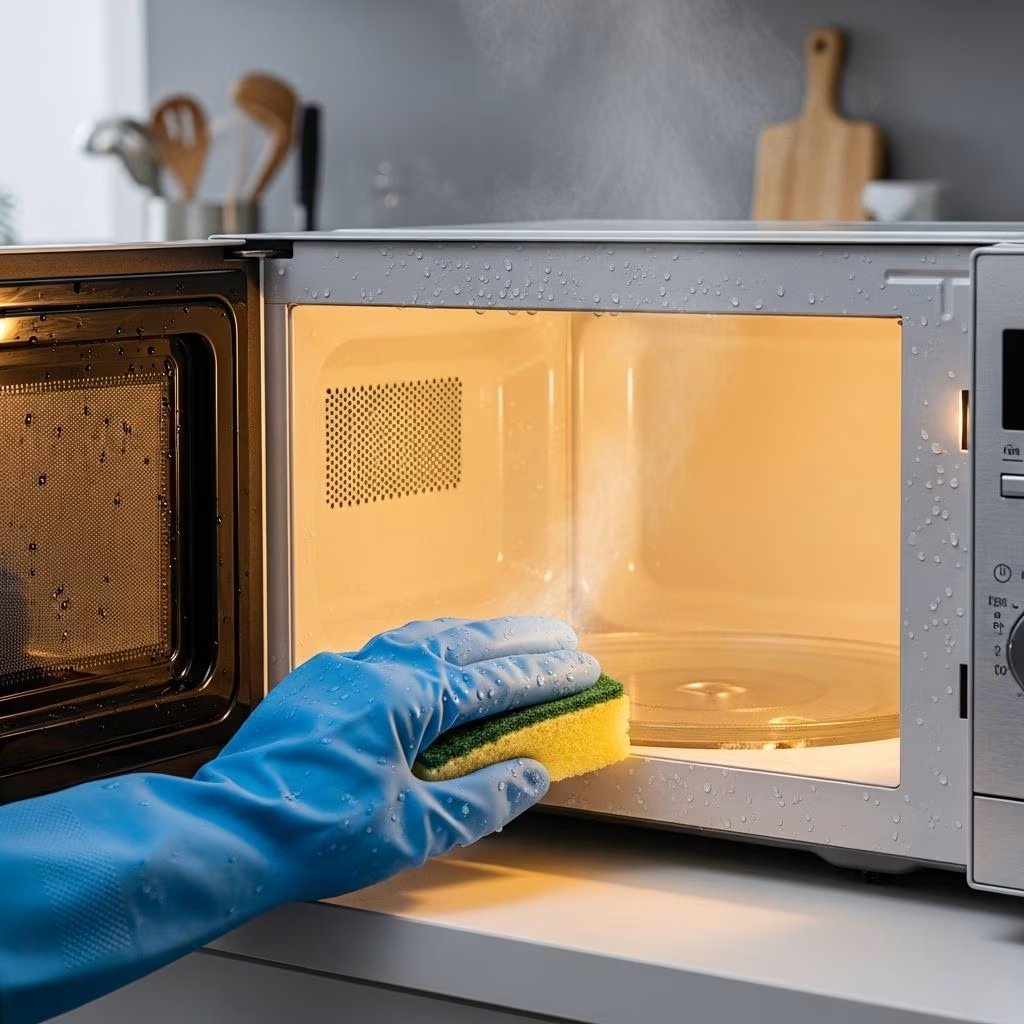
The steam technique loosens grime effortlessly, minimizing scrubbing.
- Prepare the solution: Fill a microwave-safe bowl with 1 cup water. Add 1-2 tablespoons white vinegar or juice from half a lemon for deodorizing power. For odors, use 2 tablespoons baking soda instead.
- Heat it up: Microwave on high for 3-5 minutes until boiling vigorously. Let steam sit for 5-10 minutes with door closed to soften residue.
- Wipe surfaces: Use a damp microfiber cloth to wipe walls, ceiling, and floor. The grime should slide off easily. For stubborn spots, dip cloth in the warm solution.
- Rinse and dry: Wipe with clean water-dampened cloth, then dry thoroughly to prevent streaks.
This method, endorsed by appliance makers, takes under 15 minutes.
Advanced Techniques for Tough Stains and Burnt Odors
For exploded food or heavy buildup:
- Baking soda paste: Mix baking soda with water into a paste. Apply to stains, let sit 10 minutes, then scrub gently.
- Lemon power: Slice a lemon, place in water bowl, and microwave. The citric acid cuts grease naturally.
- Dish soap boost: Add a teaspoon of grease-cutting dish soap to the steam bowl for extra power on oily splatters.
Repeat steaming if needed. Avoid metal scrubbers to prevent damage.
Cleaning the Turntable and Removable Parts
The glass plate harbors crumbs and sauce.
| Part | Cleaning Method | Notes |
|---|---|---|
| Turntable | Remove and soak in hot soapy water; scrub with brush | Dishwasher-safe on most models—check manual |
| Roller ring/guide | Hand wash with dish soap | Dry fully before reinstalling |
| Vents/filters (if present) | Soap and water or dishwasher | Monthly for over-range models |
Always unplug first and let parts cool.
Exterior and Control Panel Care
Stainless steel or painted exteriors attract fingerprints.
- Mix dish soap in warm water; wipe with soft cloth following grain on stainless.
- For glass panels, use glass cleaner sparingly.
- Dry immediately to avoid water spots.
- Avoid excess water near buttons; use a slightly damp cloth.
For over-range microwaves, clean hood filters monthly by soaking in soapy water.
Preventive Habits to Minimize Future Messes
Proactive steps reduce cleaning frequency:
- Cover food with microwave-safe lids, paper towels, or vented wrap.
- Pierce vegetables or films to release steam.
- Wipe splatters immediately with a damp cloth.
- Use a splatter guard for soups and sauces.
Models with steam clean cycles simplify maintenance.
Comparing Popular Natural Cleaning Solutions
| Solution | Best For | Pros | Cons |
|---|---|---|---|
| Vinegar + Water | Grease, odors | Deodorizes strongly, cheap | Strong smell dissipates quickly |
| Lemon + Water | Stains, freshening | Pleasant scent, natural acid | Less effective on heavy grease |
| Baking Soda + Water | Burnt food, paste scrubbing | Abrasive yet gentle | Requires more elbow grease |
| Dish Soap + Water | Oily splatters | Cuts grease fast | May leave residue if not rinsed |
Choose based on mess type for best results.
Safety Tips During Cleaning
Prioritize safety:
- Unplug the microwave.
- Use oven mitts for hot bowls.
- Never use harsh chemicals or ammonia—fumes can be toxic.
- Avoid abrasive pads on interiors.
- Ensure dry before plugging back in.
FAQs
Can I clean my microwave with just water?
Yes, steaming plain water loosens light grime, but adding vinegar or lemon boosts effectiveness.
How often should I deep clean?
Every 1-2 weeks, or after major spills.
Is the turntable always dishwasher-safe?
Check your manual; most are, but some require hand washing.
What removes burnt popcorn smell?
Vinegar steam followed by baking soda wipe neutralizes odors effectively.
Can I use bleach?
No, it damages surfaces and creates harmful fumes.
Troubleshooting Common Microwave Cleaning Issues
Persistent rust spots: Wipe with vinegar-soaked cloth; if enamel is chipped, consult manufacturer.
Door seal grime: Gently clean with soapy cloth; avoid excess moisture.
Yellowed interior: Repeated lemon steaming restores brightness.
For smart microwaves, disable sensors before steaming.
Seasonal Deep Clean Routine
Incorporate into spring cleaning: Empty, steam twice, scrub turntable, wipe exterior, and check filters. This thorough approach ensures peak condition year-round.
References
- How to Deep Clean a Microwave in 6 Steps — OXO. 2023. https://www.oxo.com/blog/cleaning-and-organizing/how-to-clean-your-microwave-after-food-explodes
- How to Clean a Microwave: 3 Easy Ways — KitchenAid. 2024. https://www.kitchenaid.com/pinch-of-help/major-appliances/how-to-clean-a-microwave.html
- How to Clean a Microwave — Whirlpool. 2024. https://www.whirlpool.com/blog/kitchen/how-to-clean-a-microwave.html
- How to Clean a Microwave — Dawn Dish. 2023. https://www.dawn-dish.com/en-us/how-to/clean-microwave/