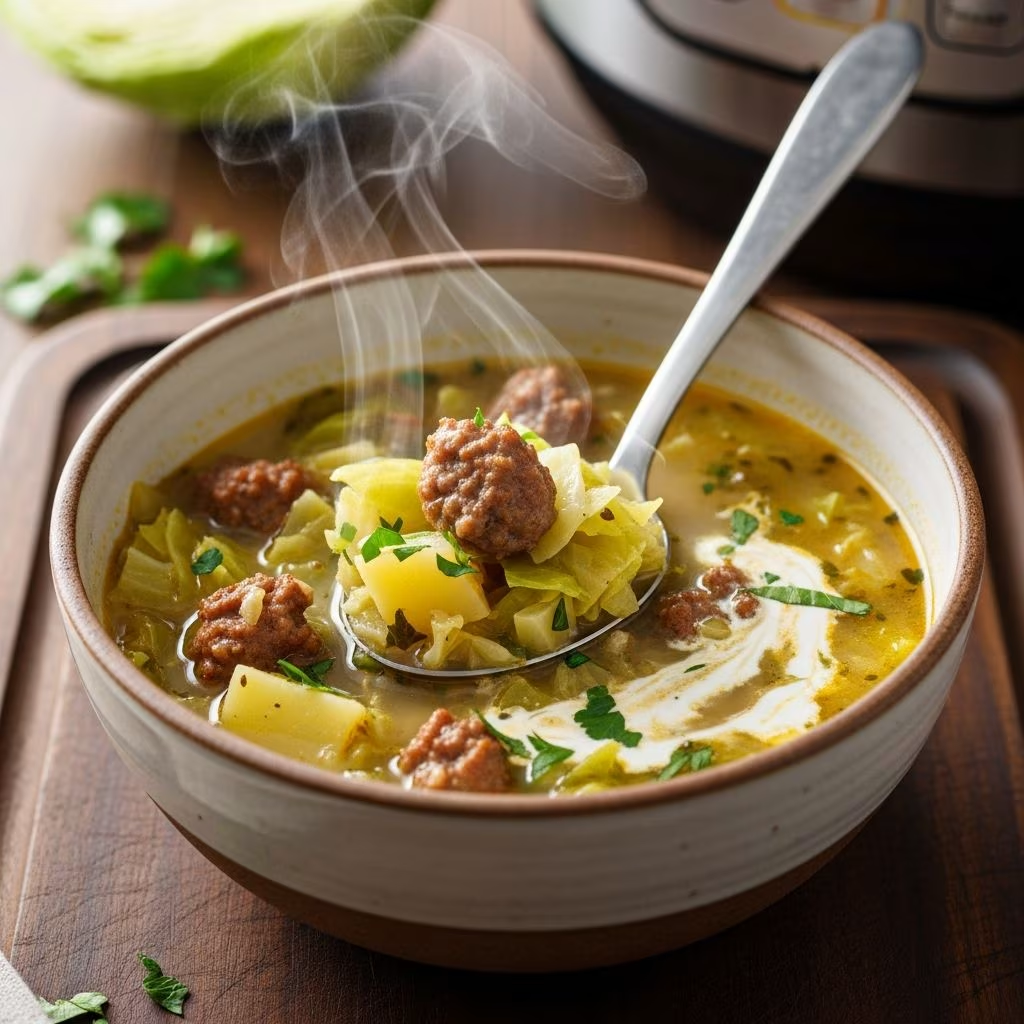
One of the most convenient ways to prepare a satisfying weeknight meal is through pressure cooking. This particular soup combines humble ingredients—sausage, cabbage, potatoes, and aromatic vegetables—into a warming dish that delivers comfort in a fraction of the time traditional stovetop cooking requires. The beauty of this recipe lies in its simplicity: minimal prep work, straightforward cooking instructions, and a finished product that tastes like it simmered for hours.
Why This Soup Works for Busy Schedules
Modern cooking demands efficiency without sacrificing flavor. Pressure cookers have revolutionized how we approach meal preparation by using steam and pressure to break down foods faster than conventional methods. When you combine this technology with ingredients that naturally complement each other, you achieve outstanding results quickly.
The combination of protein-rich sausage with fiber-packed cabbage creates a filling dish that can serve as a complete meal. Adding potatoes contributes both substance and natural creaminess as starches break down during cooking, helping thicken the broth without requiring heavy cream or flour-based thickeners. This approach keeps the preparation accessible while maintaining authentic flavor depth.
Ingredient Selection and Preparation
Choosing quality ingredients sets the foundation for an excellent finished dish. Start with a pound of smoked sausage—kielbasa, andouille, or similar fully cooked varieties work beautifully. Since these sausages are already cooked, browning them briefly develops additional flavor through the Maillard reaction, which enhances the overall taste profile.
For the vegetable base, select a small to medium head of green cabbage and chop it into bite-sized pieces. Cabbage becomes incredibly tender under pressure while maintaining enough structure to remain recognizable in the final product. Include two medium potatoes, peeled and diced into uniform chunks so they cook evenly. The uniform size ensures some potatoes remain slightly firm while others soften completely, creating natural texture variation.
Carrots and onions form the aromatic foundation. Use one large onion, diced finely so it disappears into the broth, and two carrots sliced into coins or half-moons. Garlic—about four cloves minced—adds depth without overwhelming other flavors. Low-sodium chicken broth serves as the liquid base, allowing you to control salt levels throughout the cooking process.
Key Ingredients Breakdown
- Smoked Sausage: 1 pound, provides protein and smoky flavor
- Green Cabbage: 4-5 cups chopped, the star vegetable offering nutrients and texture
- Potatoes: 2 medium, create natural creaminess
- Carrots: 2 large, add sweetness and nutrition
- Onion: 1 large, builds flavor base
- Garlic: 4 cloves minced, enhances savory notes
- Chicken Broth: 4-5 cups low-sodium, forms the cooking liquid
- Seasonings: Salt, pepper, and optional herbs like dill or thyme
Step-by-Step Cooking Instructions
Initial Preparation Phase
Begin by preheating your Instant Pot using the sauté function at high heat. This warming period ensures immediate browning when you add the sausage. Slice the sausage into rounds approximately one-quarter inch thick—thin enough to cook quickly yet substantial enough to maintain integrity. When the pot reaches temperature, add the sausage pieces in a single layer.
Allow the sausage to brown undisturbed for two minutes, developing a flavorful crust. Flip each piece and brown the second side for another two minutes. You may need to work in batches if your pot is crowded; overcrowding prevents proper browning. Once browned, remove the sausage temporarily to a plate, leaving behind the rendered fat and browned bits that will flavor subsequent steps.
Building the Flavor Foundation
With the sauté function still active, add the diced onion and minced garlic directly to the pot. Stir constantly for about one minute, scraping the bottom to release all the caramelized bits stuck to the surface. This deglazing process ensures those precious flavor compounds incorporate throughout the soup rather than burning away.
The kitchen should fill with an appetizing aroma of sautéed alliums and toasted sausage at this point. This sensory cue indicates you’re on track. Add the sliced carrots and cook for another minute, allowing them to soften slightly and release their natural sugars.
Combining All Components
Return the browned sausage to the pot along with the diced potatoes, chopped cabbage, and minced garlic if you haven’t already added it. Pour in the chicken broth, adding enough to cover the solids by about one inch—typically four to five cups depending on how chunky you prefer the finished soup. Stir everything together thoroughly, ensuring no vegetables remain stuck to the bottom, which could cause the pot to display an error message.
Season with kosher salt and freshly ground black pepper to taste. Remember that the broth already contains sodium, so add conservatively. You can always adjust seasoning after cooking when flavors have developed.
Pressure Cooking
Close the lid securely and ensure the steam release valve sits in the sealing position. Select the high-pressure setting and program the cooker for fifteen minutes. The pot will require approximately ten to fifteen minutes to come to full pressure before the actual cooking countdown begins.
During the pressure-building phase, the liquid heats and steam accumulates, which begins softening ingredients even before the timer starts. Once the timer completes, allow the pressure to release naturally for five minutes, then carefully switch the valve to quick release for any remaining steam. This two-stage release method prevents vegetables from becoming mushy while ensuring proper cooking.
Achieving the Ideal Creamy Texture
Unlike recipes requiring cream added before pressure cooking—which can sometimes break or scald—this approach builds creaminess naturally. As potatoes cook under pressure, their starches release into the broth, thickening it without any additives. This method produces a naturally velvety texture that feels indulgent yet remains relatively light.
If you prefer an even creamier consistency after cooking, you have several options. Mash some of the cooked potatoes against the side of the pot using a wooden spoon, releasing more starch. Alternatively, mix one tablespoon of cornstarch with two tablespoons of cold water to form a slurry, then stir it in and simmer for an additional two minutes until the soup reaches desired thickness.
For those who enjoy dairy-forward preparations, stirring in one-half cup of heavy cream or sour cream after pressure cooking adds richness. Add dairy-based ingredients after cooking concludes to prevent curdling. Alternatively, a handful of grated cheese—cheddar or mozzarella work particularly well—melts beautifully into the hot soup, creating a luxurious mouthfeel.
Flavor Enhancement and Customization
While the basic recipe stands alone as a complete, satisfying meal, several enhancements elevate it further. Fresh herbs stirred in just before serving—such as dill, parsley, or chives—add brightness that contrasts with the rich, savory base. A squeeze of lemon juice or a splash of apple cider vinegar adds acidity that sharpens other flavors.
Consider your protein preferences: while kielbasa or other smoked sausages work beautifully, Italian sausage offers a different flavor profile. Ground sausage, whether browned and crumbled or formed into small meatballs, provides texture variation. Turkey or chicken sausage accommodates dietary preferences while maintaining the soup’s appeal.
Vegetable additions expand nutritional value and flavor complexity. Diced bell peppers, sliced mushrooms, or fresh spinach integrate seamlessly. Add hardier vegetables like peppers before pressure cooking, while delicate greens like spinach should go in during the last minute of cooking to prevent turning to mush.
Alternative Cooking Methods
Stovetop Approach
If you lack an Instant Pot or prefer traditional methods, this recipe adapts easily. Brown the sausage in a large Dutch oven or heavy pot over medium-high heat, remove it, then sauté the onion and garlic as described. Add all remaining ingredients and bring to a boil, then reduce heat and simmer covered for twenty to thirty minutes until vegetables reach desired tenderness. This method requires more active cooking time but produces equally delicious results.
Slow Cooker Option
For hands-off cooking, transfer all components to a slow cooker after browning the sausage and aromatics on the stovetop. Cook on low for six to eight hours or on high for three to four hours. Slow cooking allows flavors to meld beautifully, though it requires more advance planning than pressure cooking.
Storage and Make-Ahead Convenience
This soup refrigerates excellently for up to four days in airtight containers, making it ideal for meal preparation. The flavors actually improve as ingredients meld overnight. Reheat gently on the stovetop over medium heat, adding additional broth if the soup has thickened further during storage.
For longer storage, freeze portions in quart-sized containers for up to three months. Leave slight headspace for expansion during freezing. Thaw overnight in the refrigerator before reheating. The soup’s hearty vegetable and meat components freeze reliably without texture degradation.
Nutritional Considerations
This dish provides substantial protein from the sausage and fiber from the vegetables, particularly the cabbage. Potatoes contribute resistant starch and B vitamins, while carrots provide beta-carotene and other beneficial compounds. The naturally creamy consistency means you can reduce or eliminate added cream, making this a relatively balanced one-bowl meal.
Frequently Asked Questions
Can I use ground sausage instead of links?
Yes, brown one pound of ground sausage in the Instant Pot during the initial sauté phase, breaking it into small crumbles. The cooking time and process remain identical.
What if my Instant Pot shows a burn notice?
This typically indicates food particles stuck to the bottom. Stop cooking, carefully release pressure, stir the pot thoroughly, scraping the bottom, then resume cooking. Ensure adequate liquid covers the bottom before resealing.
How can I make this soup less creamy?
Use additional broth (six to seven cups instead of four to five) and skip the mashed potato or cream additions. The soup will be brothier while retaining all original flavors.
Is this suitable for dietary restrictions?
Easily adaptable for dairy-free diets by omitting cream additions. Use appropriate sausage varieties for gluten-free or other dietary needs. The vegetables make it naturally vegetable-forward for those reducing meat consumption.
Can I prepare components in advance?
Chop vegetables and store in containers up to two days ahead. Brown sausage and store separately. Combine everything when ready to cook for minimal cooking-day effort.
References
- Spend With Pennies – Creamy Sausage & Cabbage Soup — Spend With Pennies. Accessed 2026-04-09. https://www.spendwithpennies.com/cabbage-soup-recipe-with-sausage/
- Easy Instant Pot Stuffed Cabbage Sausage Soup — Beyond the Noms. Accessed 2026-04-09. https://beyondthenoms.com/instant-pot-cabbage-sausage-soup/
- Instant Pot Kielbasa Cabbage Potato Soup — Simply Happy Foodie. Accessed 2026-04-09. https://www.simplyhappyfoodie.com/instant-pot-kielbasa-cabbage-potato-soup/
- Sausage and Cabbage Stew (with Instant Pot option) Recipe — Fountain Avenue Kitchen. Accessed 2026-04-09. https://fountainavenuekitchen.com/sausage-and-cabbage-stew/
- Instant Pot Cabbage Sausage Soup — KetoDiet Blog. Accessed 2026-04-09. https://ketodietapp.com/Blog/lchf/instant-pot-cabbage-sausage-soup