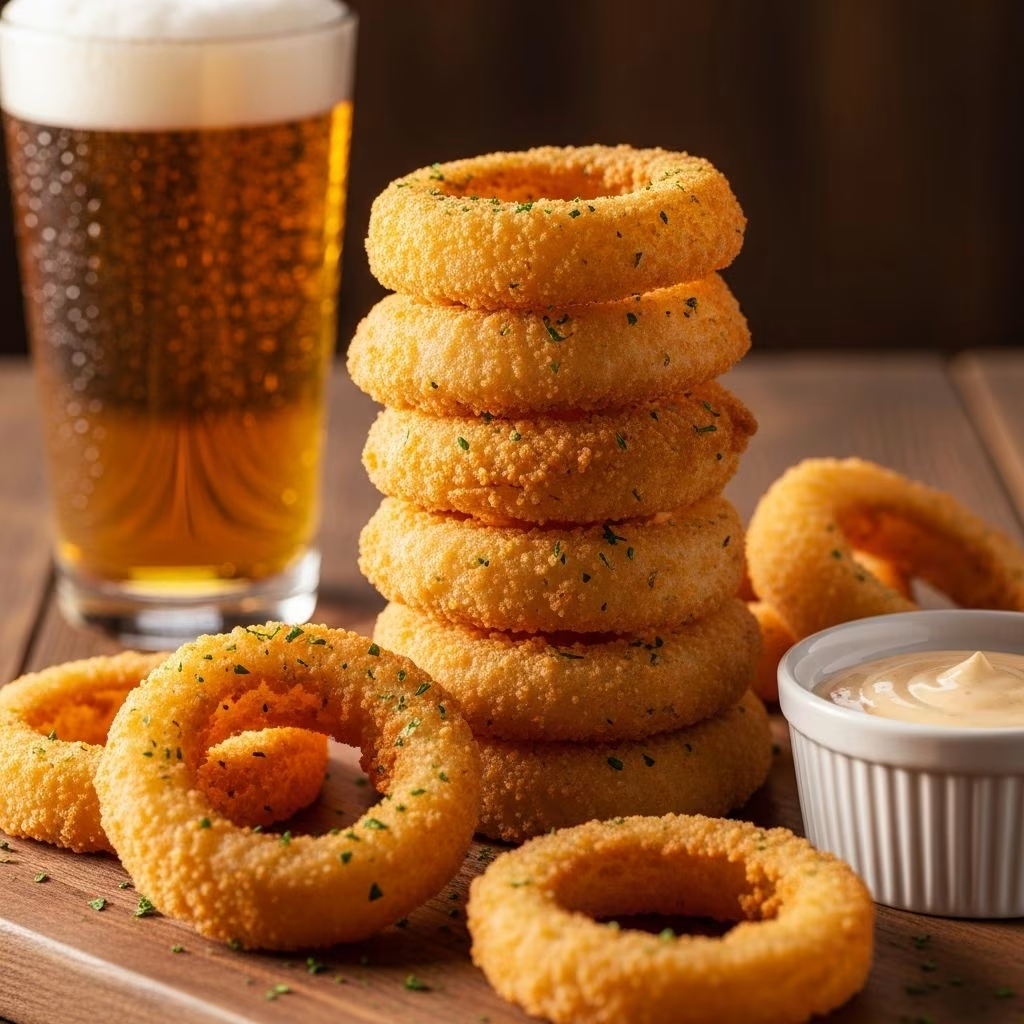
Onion rings represent one of the most beloved fried appetizers, combining the sweet earthiness of caramelized onions with a crispy, flavorful exterior. The secret to achieving restaurant-quality results at home lies in understanding the interplay between beer carbonation, proper batter composition, and precise frying temperatures. This guide explores every aspect of creating exceptional beer-battered onion rings that will impress family and friends alike.
Understanding the Foundation: Why Beer Works in Batter
The choice of beer for your batter is far more than a culinary tradition—it serves a specific scientific purpose. Beer contains carbon dioxide, which creates microscopic bubbles throughout the batter mixture. When these bubbles expand during frying, they create a light, airy texture that results in an exceptionally crispy exterior. The carbonation essentially creates millions of tiny pockets within the batter coating, giving onion rings their characteristic crunch that sets them apart from batters made with water or milk alone.
Beyond carbonation, beer contributes subtle flavor notes that complement the natural sweetness of onions. Light-colored beers such as pale lagers, light ales, and pale ales work exceptionally well because they provide carbonation without overpowering the delicate onion flavor. The alcohol content in beer also evaporates during frying, leaving behind only the beneficial carbonation and flavor compounds.
Selecting and Preparing Your Onions
The quality of your final dish depends significantly on onion selection and preparation. Different onion varieties offer distinct flavor profiles that will influence your finished onion rings.
Onion Varieties for Optimal Results
- Yellow onions: These offer a balanced, mellow flavor with moderate sweetness. They’re the most versatile choice and work well for most palates.
- Sweet onions (Vidalia): These varieties contain higher sugar content, creating naturally sweeter rings that caramelize beautifully during frying.
- White onions: These provide a sharper, more pungent flavor that creates a bolder taste profile.
- Red onions: Though less commonly used, red onions contribute a slightly sweeter, milder flavor and add visual appeal.
Preparation Technique
Proper onion preparation is crucial for achieving uniform, attractive onion rings. Begin by trimming the stem and root ends from your onions. Carefully peel away the papery skin while preserving the onion flesh. Slice the onions horizontally into rings approximately half an inch thick—this thickness allows the onion to cook through while maintaining structural integrity.
After slicing, gently separate each ring by hand, removing the inner membrane or “paper” that connects the layers. This step is essential because this membrane prevents the inner layers from separating during frying, resulting in a more cohesive ring with better texture. Many home cooks overlook this detail, which explains why their onion rings sometimes fall apart.
Once separated, place the onion rings in a large bowl filled with ice water. This ice bath serves multiple purposes: it removes some of the raw onion’s harsh pungency, softens the flavor profile, and helps the onion rings maintain their structure during cooking. Allow them to soak for at least 15-30 minutes before proceeding to the battering stage.
Crafting the Perfect Beer Batter
The batter is where your beer-based onion rings truly distinguish themselves from ordinary fried rings. A well-constructed batter requires the right ratio of ingredients and proper mixing technique.
Essential Batter Ingredients
| Ingredient | Purpose | Typical Amount |
|---|---|---|
| All-purpose flour | Structure and coating | 1-1.5 cups |
| Cornstarch | Crispiness and lightness | 1-2 tablespoons |
| Baking powder | Lift and airyness | 0.5-1 teaspoon |
| Beer | Carbonation and binding | 0.5-1 cup |
| Seasonings | Flavor enhancement | Varies |
The Role of Cornstarch
Cornstarch deserves special attention because it plays a dual role in creating superior onion rings. First, it absorbs excess moisture from the onion surface, ensuring the batter adheres properly and creates a crispy coating. Second, when incorporated into the batter itself, cornstarch reduces gluten development and creates a lighter, more delicate texture that fries to golden perfection. Some recipes apply cornstarch directly to the onion rings before battering, while others include it in the batter mixture, or do both for maximum crispiness.
Seasoning Strategy
Beyond basic salt and pepper, thoughtful seasoning transforms your onion rings from simple fried rings into a flavorful experience. Common seasoning additions include garlic powder, smoked paprika, cayenne pepper, and black pepper. Some recipes incorporate Worcestershire sauce for added depth. The key is balancing these seasonings so they complement rather than overwhelm the natural onion flavor.
Mixing and Resting the Batter
Combine your dry ingredients—flour, cornstarch, baking powder, salt, and seasonings—in a large mixing bowl and whisk thoroughly to distribute them evenly. Slowly add your beer while whisking continuously. The goal is to achieve a smooth batter with the consistency of thin pancake batter. The batter should be thin enough to coat the onions lightly but thick enough to adhere properly.
A critical step many home cooks skip is allowing the batter to rest for 15-45 minutes before using it. This resting period allows the flour to fully hydrate and the leavening agents to activate slightly, resulting in a lighter, crispier coating. During this time, keep the batter covered to prevent it from drying out.
Mastering the Frying Process
Proper frying technique determines whether your onion rings achieve that perfect crispy exterior with tender onion inside or become greasy and soggy.
Oil Selection and Temperature
Use a neutral-flavored oil with a high smoke point, such as canola, vegetable, or peanut oil. These oils can withstand the high temperatures required for frying without breaking down or imparting unwanted flavors. Heat at least 2-3 inches of oil in a heavy-bottomed pot to 350-365°F. This temperature range is critical: too cool, and the coating will absorb excess oil; too hot, and the exterior burns before the onion cooks through.
The Double-Dredging Technique
Professional kitchens often use a double-dredging method that produces superior results. First, remove your onion rings from the ice bath and pat them completely dry with paper towels. Dredge each ring in a bowl of flour to coat all surfaces—this initial dry coating helps the beer batter adhere more effectively. Then dip the floured ring into your prepared beer batter, ensuring full coverage. This two-step process creates a more substantial, crispier coating.
Frying Technique
Carefully place 3-5 onion rings into the hot oil at a time, taking care not to overcrowd the pot. Overcrowding drops the oil temperature, resulting in greasy rings. Fry for approximately 2-4 minutes on the first side until golden brown, then flip and fry the other side for an additional 2-3 minutes. The total cooking time typically ranges from 4-5 minutes, depending on ring size and oil temperature.
Once golden brown and crispy, carefully remove the rings using a slotted spoon or wire skimmer and place them on a wire rack set over paper towels. This setup allows excess oil to drain away from the rings while the paper towels absorb any remaining moisture.
Storage and Reheating Strategies
Freshly fried onion rings are undoubtedly best consumed immediately, but proper storage techniques can extend their enjoyment for several days. Store leftover onion rings in an airtight container in the refrigerator for up to three days.
To restore crispiness when reheating, place the rings on a wire rack over a baking sheet and warm them in a 375°F oven for 5-7 minutes. Avoid using a microwave, which will make them soggy. Alternatively, you can briefly re-fry them in fresh oil at 350°F for 1-2 minutes to restore maximum crispiness.
Customization and Variations
Once you master the basic recipe, numerous variations offer exciting possibilities. Consider these approaches:
- Different beer styles: Experiment with amber ales, stouts, or wheat beers for different flavor dimensions.
- Alternative carbonated liquids: Non-alcoholic beer or club soda work equally well for the carbonation effect.
- Spice level adjustment: Increase cayenne or add hot sauce to the batter for a spicy variation.
- Herb infusions: Add fresh herbs like thyme or rosemary to the dry mixture.
- Cheese coating: Toss finished rings with grated Parmesan cheese while still warm.
Serving Suggestions and Accompaniments
Beer-battered onion rings pair beautifully with various dipping sauces and main courses. Traditional choices include ketchup, ranch dressing, and aioli. Consider more adventurous pairings such as spicy sriracha mayo, curry-infused yogurt sauce, or tangy barbecue sauce. These rings also make an excellent side dish for burgers, hot dogs, sandwiches, and grilled meats.
Troubleshooting Common Issues
Batter slipping off during frying: Ensure onion rings are completely dry before battering, and verify that your oil is at the correct temperature.
Rings turning dark brown too quickly: Reduce oil temperature slightly, as your oil may be too hot.
Greasy, heavy rings: Your oil temperature may be too low, causing the batter to absorb excess oil rather than frying crisply.
Onions remaining raw inside: Use thinner ring slices (about half an inch), ensure adequate frying time, and maintain consistent oil temperature.
References
- Beer Battered Onion Rings — Kevin Is Cooking. 2024. https://keviniscooking.com/beer-battered-onion-rings/
- Beer Battered Onion Rings — Over The Fire Cooking. 2024. https://overthefirecooking.com/beer-battered-onion-rings/
- Crispy Beer Battered Onion Ring Recipe — An Edible Mosaic. 2024. https://www.anediblemosaic.com/beer-batter-onion-rings-recipe/
- Beer Batter Onion Rings — Will Cook For Smiles. 2024. https://www.willcookforsmiles.com/beer-batter-onion-rings/