Finding time to prepare satisfying meals during hectic weekdays remains one of the greatest challenges for modern home cooks. The solution lies not in complicated techniques or lengthy ingredient lists, but rather in understanding how to leverage straightforward cooking methods with quality protein sources. Meat-based dishes offer the perfect foundation for quick, nutritious dinners that require minimal effort yet deliver impressive results. Whether you’re managing a packed schedule or simply prefer uncomplicated cooking approaches, mastering a collection of accessible meat recipes transforms weeknight cooking from a stressful obligation into an achievable task.
Why Simplified Meat Cooking Makes Sense
The appeal of streamlined meat recipes extends beyond mere convenience. When cooking is straightforward, home cooks feel more motivated to prepare meals rather than resort to takeout options. Quality proteins like chicken, beef, pork, and seafood provide essential nutrients that support sustained energy throughout busy days. Additionally, preparing meals at home allows for better control over ingredients, sodium levels, and overall nutritional content compared to restaurant or processed food alternatives.
The psychological benefit of completing dinner preparation without stress or frustration cannot be overstated. When recipes demand only 20 to 30 minutes and utilize equipment most kitchens already possess, cooking becomes accessible to individuals at all skill levels. Beginners gain confidence through successful preparation of straightforward dishes, while experienced cooks appreciate the efficiency that allows them to redirect their energy toward other priorities.
Building Your Foundation: Essential Equipment and Ingredients
Successful quick meat cooking doesn’t require an extensive array of specialized equipment. Most simple preparations utilize tools already present in standard kitchens: a reliable skillet or frying pan, baking sheets, basic cutting implements, and measuring spoons. This accessibility removes barriers that might otherwise prevent people from cooking at home.
A focused pantry of essential ingredients streamlines meal preparation considerably. Maintaining stocks of common seasonings—including salt, pepper, garlic powder, paprika, and Italian seasoning—enables quick flavor development without additional shopping trips. Quality cooking oils like olive oil or vegetable oil serve multiple purposes across different cooking methods. Fresh or dried herbs, along with common condiments such as soy sauce, Worcestershire sauce, and hot sauce, expand flavor possibilities without requiring elaborate preparation.
Stovetop Methods: Speed and Simplicity Combined
Skillet cooking represents perhaps the most efficient approach to preparing protein-based meals quickly. This method involves browning meat in a heated pan with minimal added fat, allowing exterior surfaces to develop caramelization that creates depth of flavor. Ground beef, chicken breasts, pork tenderloin, and seafood all respond excellently to high-heat skillet preparation.
The basic stovetop technique involves three straightforward steps: preheating the cooking surface until it reaches appropriate temperature, placing protein into the pan and allowing it to develop a golden exterior without frequent disturbance, then finishing the cooking process until internal temperatures reach safe levels. Additional ingredients like vegetables or sauce components integrate seamlessly during the final stages of cooking, allowing flavors to meld while maintaining overall preparation time within 30 minutes.
Variations of this approach accommodate different protein preferences and flavor profiles. Asian-inspired preparations incorporate soy sauce, ginger, and sesame oil. Mediterranean variations introduce olive oil, garlic, and fresh herbs. These modifications require no additional cooking skills—simply substituting different seasonings transforms the basic technique into numerous distinct dishes.
Sheet Pan Preparations: Minimal Cleanup, Maximum Convenience
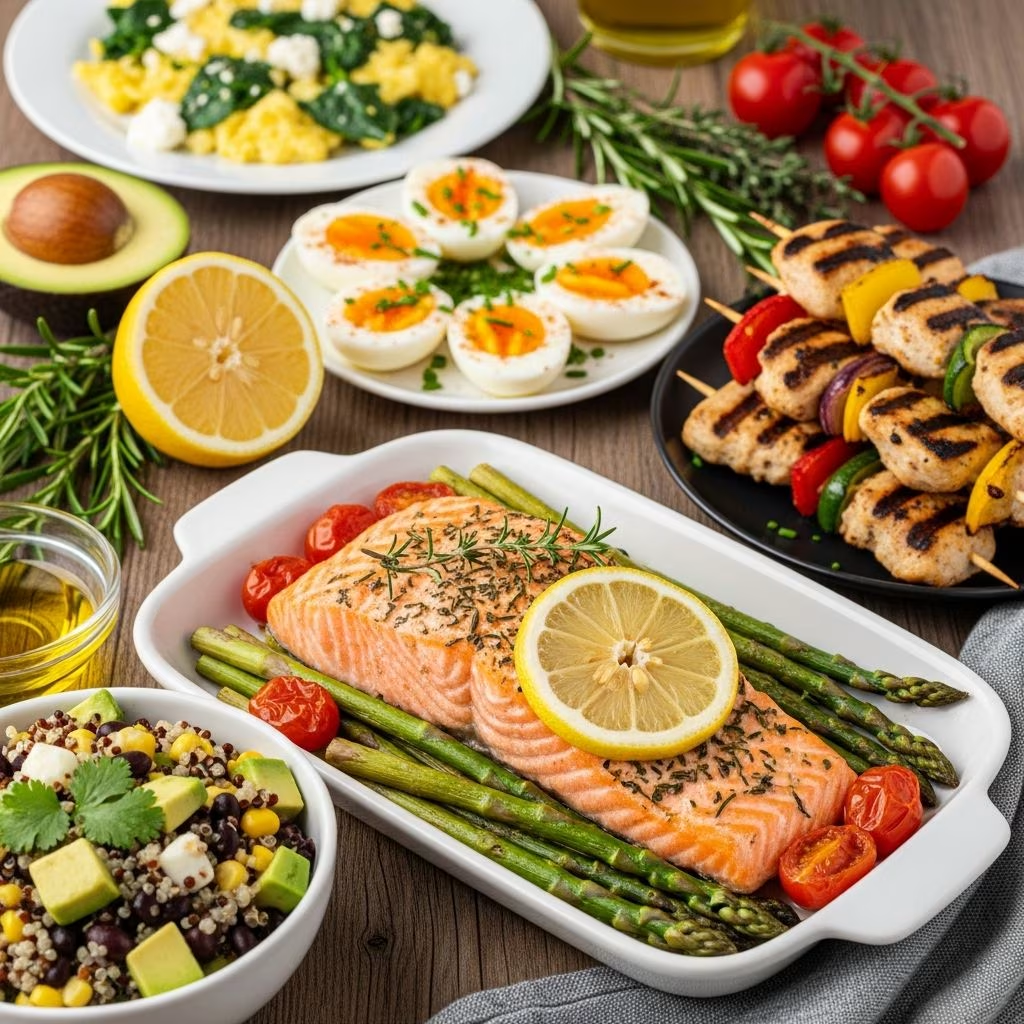
Sheet pan cooking deserves particular attention for individuals seeking to minimize both active cooking time and cleanup effort. This method involves arranging protein and accompanying vegetables on a single rimmed baking sheet, drizzling with oil, applying seasonings, and allowing the oven to complete the cooking process with minimal intervention.
The primary advantage of sheet pan preparations extends beyond cooking efficiency. Nutrients that might leach into cooking water during boiling remain concentrated in the finished dish. Natural juices from the protein baste accompanying vegetables, reducing the need for additional sauce preparations. Cleanup involves washing a single pan rather than managing multiple cooking vessels.
Successful sheet pan cooking requires understanding proper oven temperatures and cooking durations for different protein types. Chicken breasts typically require 15 to 20 minutes at 400°F, while thicker cuts of pork or beef may need slightly longer cooking times. Arranging vegetables strategically—placing denser items toward the pan’s center where heat concentrates most intensely—ensures even cooking throughout.
Slow Cooker Solutions for Advanced Planning
Slow cooker preparations offer distinct advantages for individuals who prefer setting up meals in the morning and returning home to finished dinners. This method allows tough, economical cuts of beef or pork to transform into tender, flavorful results through extended, gentle cooking.
The slow cooker approach requires minimal active preparation. Meat, vegetables, and liquid combine in the cooking vessel in the morning, and gentle heat works throughout the day to break down connective tissues while allowing flavors to develop thoroughly. By dinnertime, only basic finishing touches like fresh herbs or acid components remain necessary.
These preparations prove particularly valuable for individuals managing uncertain schedules, as extended cooking times accommodate variation in arrival times. Finished dishes remain warm and flavorful whether consumption occurs at the planned time or several hours later.
Techniques for Different Protein Types
Chicken Preparations: Chicken breasts cook quickly due to their relatively thin structure and mild flavor that accepts diverse seasoning approaches easily. Pounding breasts to uniform thickness before cooking ensures even preparation. Thighs and drumsticks tolerate slightly longer cooking times while offering more forgiving results when attention lapses.
Ground Beef Preparations: Ground beef’s versatility makes it ideal for quick meals. The key involves browning meat thoroughly before adding other components, which develops flavor through the Maillard reaction—a chemical process that creates savory depth. This foundation supports countless flavor variations from Mexican-inspired taco preparations to Asian ground beef bowls.
Pork Options: Pork tenderloin and chops represent excellent quick-cooking options that many home cooks underutilize. These cuts cook rapidly while remaining tender and flavorful when not overcooked. Glazing approaches using honey, soy sauce, or balsamic vinegar create restaurant-quality results in minimal time.
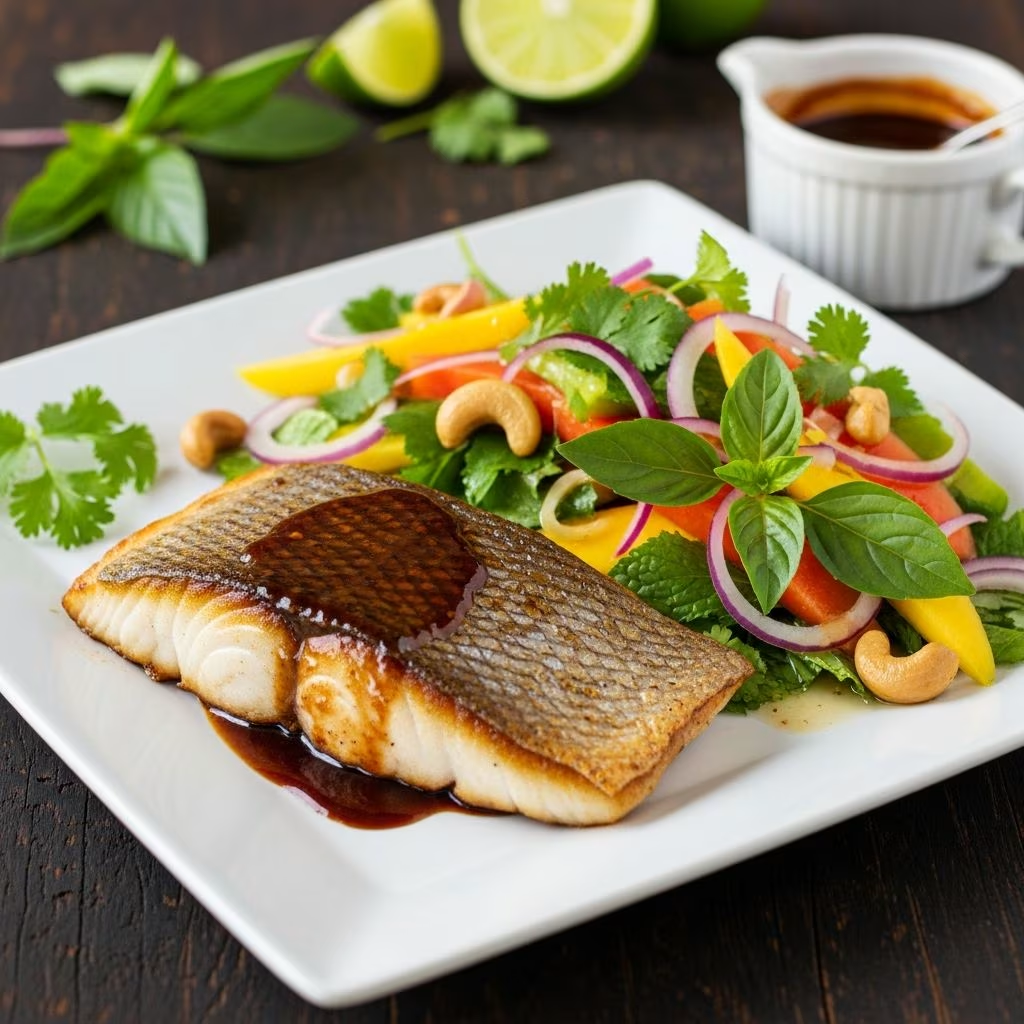
Seafood Choices: Shrimp, salmon, and other seafood species cook extremely quickly, often requiring only 8 to 12 minutes total preparation time. Their delicate structure demands attention to avoid overcooking, but their speed and nutritional profile make them invaluable for busy weeknights.
Flavor Development Without Complexity
Creating interesting, satisfying flavors doesn’t require complicated techniques or extensive ingredient lists. Understanding a few fundamental principles allows simple preparations to yield impressive results.
Seasoning at multiple stages develops more complex flavor than adding all seasonings simultaneously. Beginning with proper salt levels when browning protein creates better flavor development than salting finished dishes. Finishing with fresh herbs or acid components like lemon juice brightens overall flavors and creates perceived complexity despite simple preparation methods.
Combining different seasoning profiles creates diverse meals from similar base ingredients. The same ground beef preparation transforms into distinctly different dishes when finished with taco seasoning versus Italian herbs or Asian sauce components. This versatility maximizes recipe possibilities while minimizing required cooking skills.
Meal Planning Strategies for Success
Deliberate meal planning dramatically improves the likelihood of actually cooking at home on busy evenings. Identifying specific recipes early in the week prevents last-minute decision paralysis that often leads to takeout choices.
Creating a rotating selection of eight to ten reliable recipes ensures variety without overwhelming complexity. When familiar with these preparations, shopping becomes automatic, ingredient quality improves through refined selection over time, and execution becomes second nature through repetition.
Organizing shopping lists by recipe and noting which components might be prepared ahead of time streamlines both shopping and cooking processes. Pre-cutting vegetables or marinating proteins during less hectic moments reduces barriers to cooking when time pressure increases.
Common Challenges and Practical Solutions
| Challenge | Solution |
|---|---|
| Protein dries out during cooking | Use meat thermometers to monitor internal temperature precisely; remove from heat slightly before reaching target temperature to account for carryover cooking |
| Vegetables don’t cook evenly on sheet pans | Cut vegetables into uniform sizes; arrange denser items toward pan center; toss halfway through cooking |
| Flavors taste bland despite seasoning | Ensure adequate salt in cooking process; finish with fresh herbs or acid components; taste and adjust before serving |
| Meals take longer than anticipated | Prep ingredients before beginning cooking; use mise en place (organizing all components before heating); invest in quality, sharp knives for faster cutting |
| Uncertainty about doneness | Purchase an inexpensive meat thermometer; refer to USDA temperature guidelines rather than appearance-based assessment |
Building Confidence Through Simple Success
Beginning cooks often feel intimidated by meat preparation despite its relative simplicity. Starting with forgiving proteins like ground beef or chicken thighs—which tolerate slight overcooking better than delicate cuts—builds confidence through successful preparation.
Following recipes precisely during initial attempts creates reference points for future variations. Once comfortable with a particular technique, thoughtful experimentation with seasonings or accompanying ingredients becomes enjoyable rather than anxiety-inducing.
Frequently Asked Questions
How can I tell when meat is properly cooked? Use a meat thermometer for accuracy: chicken reaches safe temperature at 165°F, ground beef at 160°F, and pork at 145°F. Visual cues vary by meat type and can be unreliable, particularly for beginners.
What’s the best way to prevent overcooking? Remove meat from heat slightly before reaching target temperature, as carryover cooking continues raising internal temperature for several minutes after removal from the heat source.
Can I prepare ingredients in advance? Yes. Washing and cutting vegetables the night before, or even marinating proteins several hours ahead, substantially reduces active cooking time on busy evenings.
Which meat cuts work best for quick cooking? Thin, tender cuts like chicken breasts, pork tenderloin, shrimp, and ground meat cook quickly. Thicker, tougher cuts require either longer cooking times or preparation methods like slow cooking.
How do I add variety without learning new recipes? Use the same basic cooking method with different seasonings. Ground beef bowls become tacos, Asian stir-fry, or taco soup simply by varying herbs, sauces, and accompanying ingredients.
References
- Safe Internal Temperature Chart — United States Department of Agriculture Food Safety and Inspection Service. 2024. https://www.fsis.usda.gov/food-safety/safe-food-handling-and-preparation/food-safety-basics/safe-temperature-chart
- Maillard Reaction in Cooking — McGill University Office for Science and Society. 2023. https://www.mcgill.ca/oss/article/you-asked/what-maillard-reaction
- Cooking Methods and Nutrient Retention — Academy of Nutrition and Dietetics Evidence Analysis Library. 2022. https://www.andeal.org/