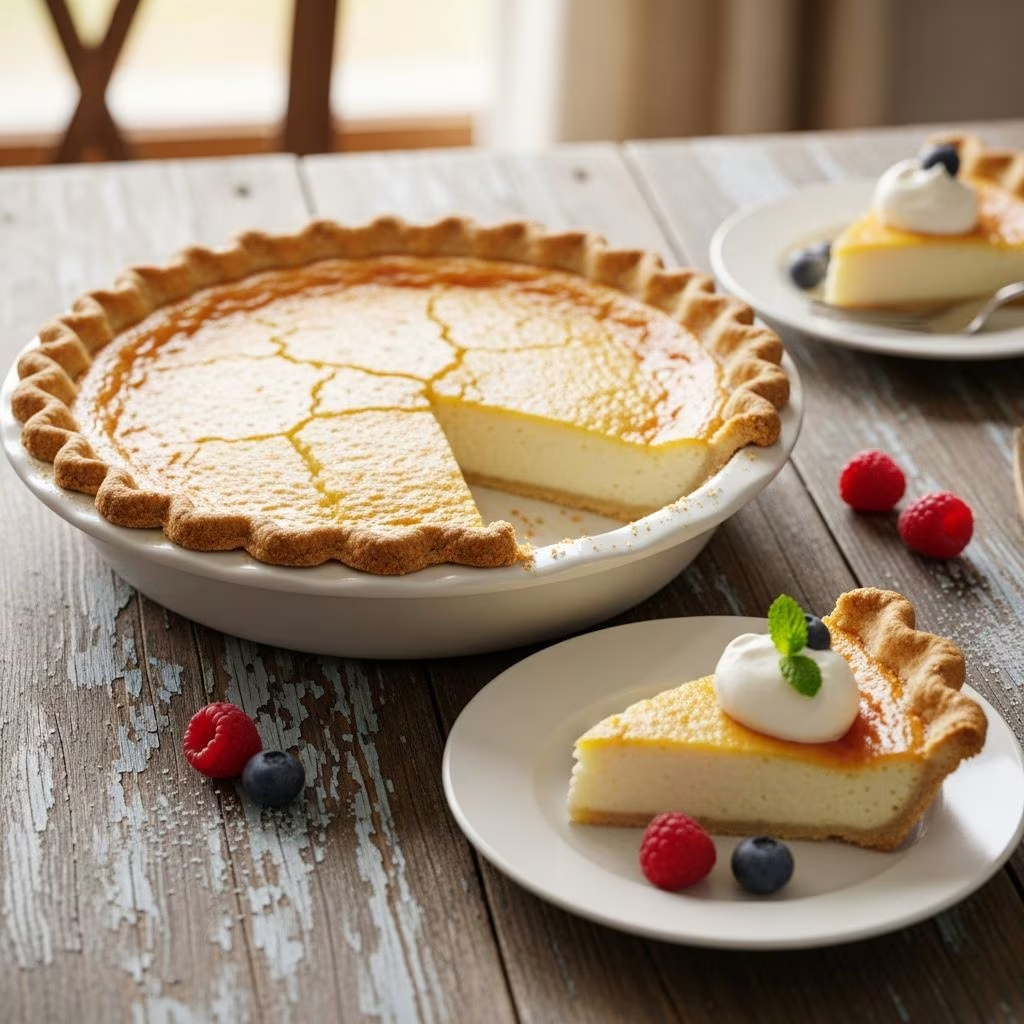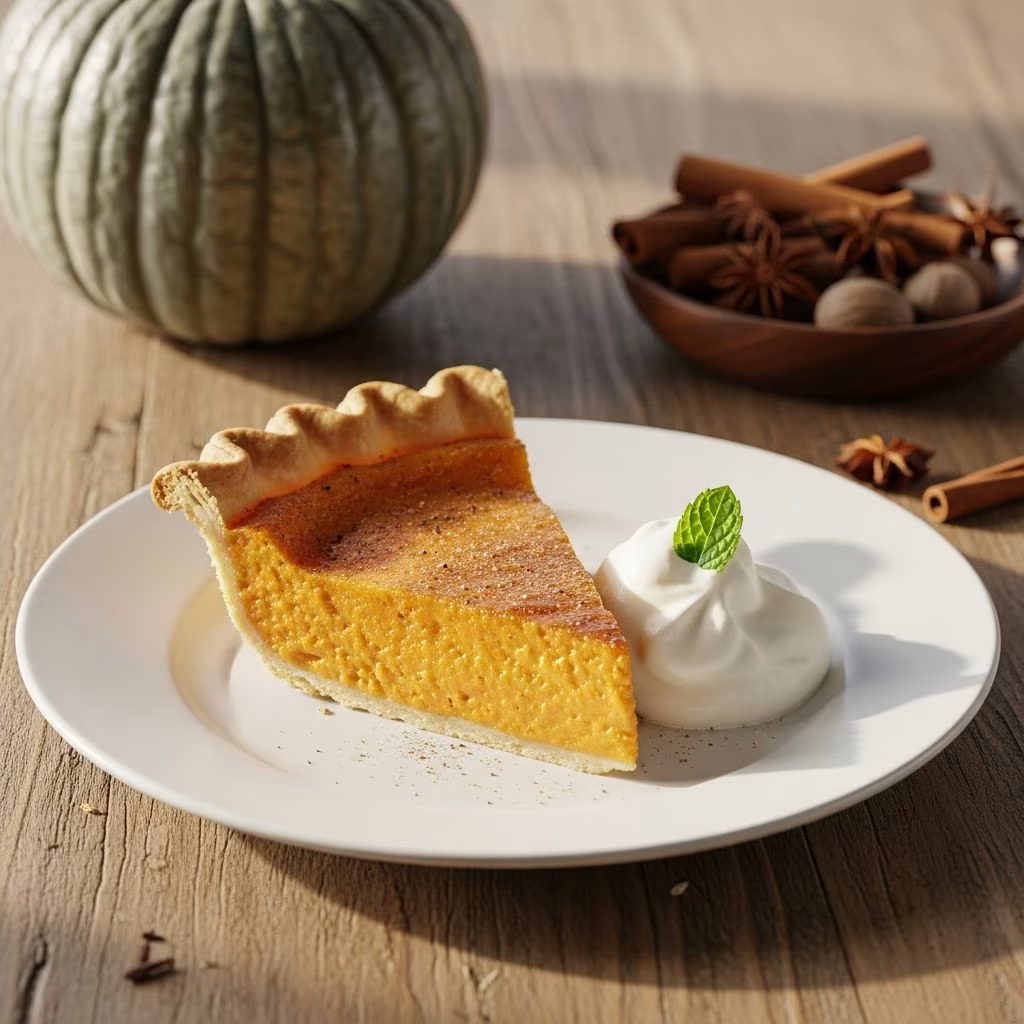
Indulge in the velvety smoothness of **Hubbard squash custard pie**, a dessert that captures the essence of autumn with its naturally sweet, nutty squash base blended into a spiced custard. Unlike traditional pumpkin pie, this version offers a deeper flavor profile from the robust Hubbard squash, creating a creamy filling that’s both comforting and elegant. Perfect for holiday gatherings or cozy evenings, this pie combines simple roasting methods with a rich custard mixture for results that impress every time.
Why Choose Hubbard Squash for Your Pie
Hubbard squash stands out among winter varieties due to its thick, blue-gray skin and vibrant orange flesh that boasts exceptional sweetness and density. When roasted, it develops a caramelized edge that enhances its earthy notes, making it ideal for custards where texture and taste must harmonize. This squash’s lower water content compared to butternut or acorn varieties ensures a firmer, less watery pie filling, mimicking the consistency of classic pumpkin pies but with superior flavor depth.
Historically, recipes like this trace back to early American kitchens where winter squashes were pantry staples, providing nourishment through cold months. The custard style—eggs, cream, and sugar emulsified with pureed squash—creates a silky mouthfeel that’s lighter than dense cheesecakes yet more substantial than fruit tarts.
Selecting and Preparing the Perfect Squash
Opt for a Hubbard squash weighing 5 to 10 pounds for optimal yield; smaller ones may lack sufficient flesh, while larger specimens can be tougher to handle. Look for firm skins without soft spots or mold, and a uniform shape for even roasting.
- Wash the exterior thoroughly under warm water to remove any residue.
- Position on a sturdy surface and strike firmly with a heavy knife or cleaver to crack it open—wear gloves if the skin is waxy.
- Scoop out seeds and stringy pulp; reserve seeds for roasting as a crunchy snack.
- Cut into manageable chunks, about 2-3 inches, to promote even cooking.
Roasting is the gold standard method, as it intensifies flavors through the Maillard reaction. Preheat your oven to 400°F (200°C), line a sheet with foil or parchment, drizzle chunks with olive oil, and roast flesh-side down for 45-60 minutes until fork-tender and browned. Cooling allows easy scooping of the flesh, which yields about 2-3 cups of puree per 2.5 pounds of raw squash.
Mastering the Flaky Pie Crust
A buttery, tender crust is the foundation of any great pie. For authenticity, make your own using all-purpose flour, cold unsalted butter, salt, sugar, and ice water. The key is keeping ingredients chilled to prevent gluten development, ensuring flakiness.
| Ingredient | Quantity | Purpose |
|---|---|---|
| All-purpose flour | 2⅔ cups | Structure |
| Cold butter (cubed) | 1 cup | Flakiness and richness |
| Ice water | 4-6 tbsp | Moisture |
| Salt & sugar | 1 tsp salt, 2 tsp sugar | Flavor balance |
Whisk dry ingredients, cut in butter until pea-sized, then incorporate water gradually. Form into a disc, chill 30 minutes, roll out, and fit into a 9-inch pie plate. For sogginess prevention, brush the bottom with whisked egg white before adding filling.
Crafting the Silky Custard Filling
The heart of the pie lies in its custard: a harmonious blend of squash puree, eggs for structure, cream for creaminess, and spices for warmth. Start by processing 1½-2 cups of cooled squash puree until velvety smooth in a food processor or blender.
Incorporate:
- ½ cup brown sugar (or mix with granulated and maple syrup for complexity)
- 3 large eggs, whisked
- ½-¾ cup heavy cream or evaporated milk
- Spice blend: 1½ tsp apple pie spice (cinnamon, nutmeg, ginger, cloves), or customize with 2 tsp cinnamon, 1 tsp each ginger and nutmeg, ½ tsp cloves and mace
- ½ tsp salt and 2 tbsp softened butter for silkiness
- Optional: 1 tbsp cornstarch or vanilla for stability and depth
Blend until uniform, tasting to adjust sweetness—Hubbard’s natural sugars often require less added sugar than other squashes.
Step-by-Step Baking Guide
- Prep oven and crust: Preheat to 400°F. Place filled crust on a baking sheet for even heat.
- Initial bake: Pour filling into crust. Bake 10-15 minutes at 400°F to set the edges.
- Lower and finish: Reduce to 325-375°F for 50-60 minutes until center jiggles slightly and a knife inserts cleanly. Cover crust edges with foil if browning too fast.
- Cool completely: At least 2 hours at room temperature, then chill for firmer slices.
Total time: About 2 hours, plus cooling. Yields 8 servings.
Flavor Variations and Twists
Elevate your pie with creative adaptations:
- Maple Bourbon: Swap half the sugar for maple syrup and add 1 tbsp bourbon.
- Ginger Snap Crust: Crush gingersnaps with butter for the base.
- Chocolate Swirl: Marble in melted dark chocolate.
- Vegan Version: Use coconut cream, flax eggs, and gluten-free crust.
- Streusel Top: Brown sugar, oats, pecans baked golden.
Storage, Freezing, and Serving Suggestions
Store covered in the fridge up to 4 days. For freezing, wrap tightly post-cooling; thaw overnight. Serve at room temperature with whipped cream, vanilla ice cream, or a dusting of powdered sugar. Pairs beautifully with sharp cheddar slices for a sweet-savory contrast, a nod to New England traditions.
Nutrition and Health Benefits
One slice (1/8 pie) offers approximately 300-400 calories, rich in vitamin A from beta-carotene, fiber for digestion, and antioxidants. The custard provides protein from eggs and healthy fats from cream, balancing the natural carbs in squash. Moderate indulgence supports immune health during winter.
Frequently Asked Questions
Can I substitute another squash?
Yes, butternut works well; expect a milder flavor. Avoid high-water squashes like spaghetti.
Why is my pie watery?
Over-roast squash to evaporate moisture, or strain puree through cheesecloth.
How do I know when it’s done?
Edges puffed, center set with slight jiggle; internal temp 175°F.
Gluten-free options?
Use almond or oat flour crust; 1:1 gluten-free blend performs best.
Make-ahead tips?
Prepare puree and dough up to 2 days ahead; assemble and bake fresh.
Troubleshooting Common Issues
| Problem | Solution |
|---|---|
| Crust soggy | Egg wash bottom; bake on hot sheet |
| Cracks in filling | Avoid overbaking; tent with foil |
| Not sweet enough | Increase brown sugar or add maple |
| Squash too fibrous | Blend longer or pass through sieve |
With these techniques, your **Hubbard squash custard pie** will be a standout. Experiment confidently—the forgiving nature of custard pies rewards home bakers.
References
- Grandma’s Sweet Hubbard Squash Custard Pie — Just A Pinch Recipes. 2023. https://www.justapinch.com/recipes/dessert/pie/grandmas-sweet-hubbard-squash-custard-pie.html
- Hubbard Squash Pie Recipe — Pook’s Pantry. 2022-10-15. https://www.pookspantry.com/hubbard-squash-pie-recipe/
- Recipe: Hubbard Squash Pie — Foxhollow Farm. 2021. https://foxhollow.com/blogs/recipes/oh-my-gourd-a-hubbard-squash-pie-recipe
- Old-Fashioned Squash Pie — A Hundred Years Ago. 2017-11-19. https://ahundredyearsago.com/2017/11/19/old-fashioned-squash-pie/