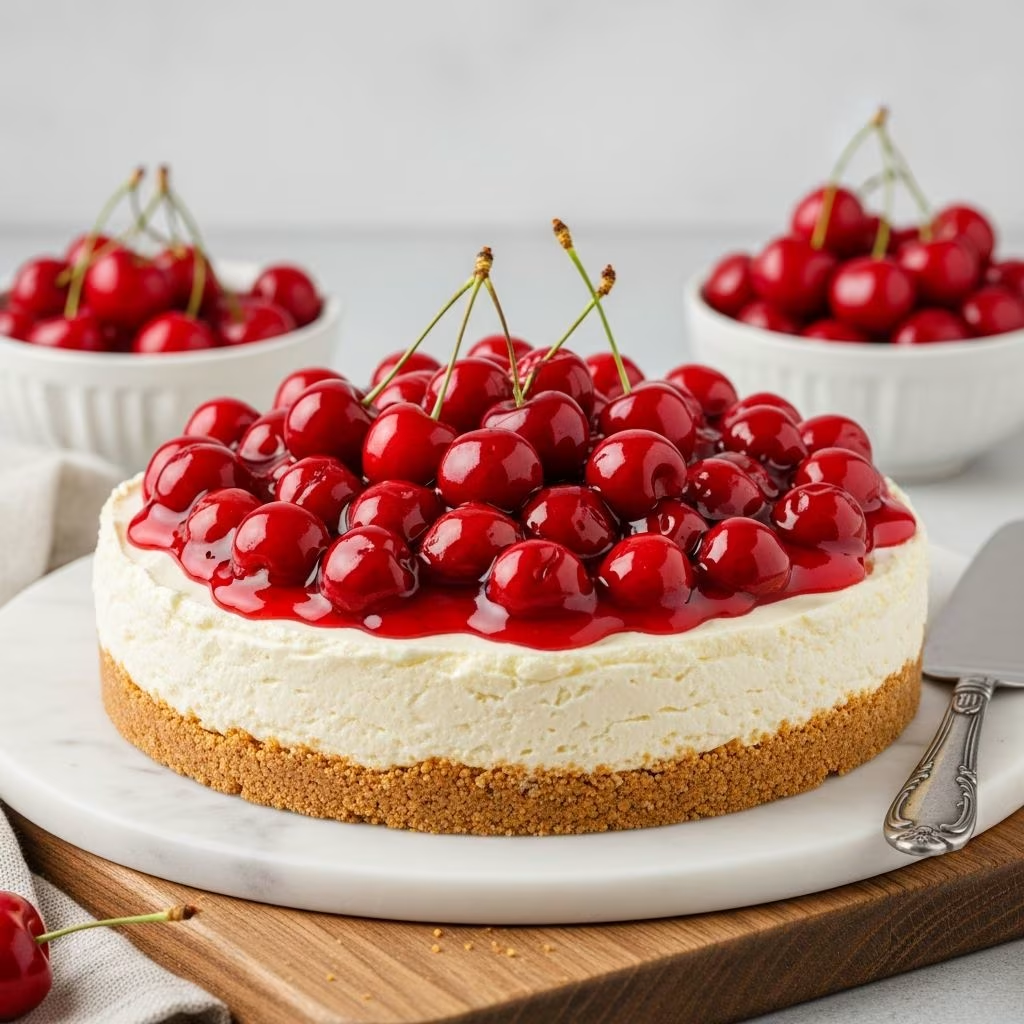
When it comes to creating an impressive dessert without heating up your kitchen, few options compare to the elegance and simplicity of a cherry cream cheese pie. This beloved classic combines the rich, smooth texture of cream cheese with the tartness of cherry filling, all nestled in a buttery graham cracker crust. What makes this dessert particularly appealing is that it requires no baking whatsoever, making it accessible to cooks of all skill levels.
Why Choose a No-Bake Pie?
The no-bake approach to pie-making offers numerous advantages that have made it increasingly popular among home cooks. First, it eliminates the need to monitor oven temperatures or worry about overbaking. Second, it’s perfect during warm months when running the oven feels counterintuitive. Third, the minimal preparation means you can create an elegant dessert with just a few minutes of active work. Most importantly, the smooth, creamy texture of a no-bake cream cheese filling provides a luxurious mouthfeel that baked versions sometimes cannot achieve.
Understanding the Core Components
A successful cherry cream cheese pie relies on three fundamental layers, each playing a crucial role in the overall taste and texture profile.
The Foundation: Graham Cracker Crust
The crust serves as both a structural base and a flavor counterpoint to the creamy filling. A pre-made graham cracker crust offers convenience, though making one from scratch involves crushing graham crackers and combining them with melted butter and sugar. The slightly sweet, toasted flavor of graham crackers complements both the tanginess of cream cheese and the sweetness of cherry filling. The crust should be compact enough to hold the filling but not so hard that it becomes difficult to cut through when serving.
The Heart: Cream Cheese Filling
The filling forms the soul of this dessert. Quality cream cheese, when properly softened, creates a smooth base that blends seamlessly with condensed milk. Sweetened condensed milk serves multiple purposes—it sweetens the filling, adds creaminess, and helps set the texture to a perfect consistency. The addition of lemon juice brightens the filling and prevents it from becoming cloying, while vanilla and almond extracts add subtle depth. The combination of these ingredients creates a filling that’s neither too dense nor too light, achieving that coveted middle ground between cheesecake and mousse.
The Topping: Cherry Pie Filling
The cherry pie filling provides both visual appeal and flavor contrast. Canned cherry pie filling offers consistency and convenience, though some home cooks prefer making filling from fresh cherries. The tartness of cherries plays beautifully against the sweetness of the cream cheese layer, creating a balanced flavor profile that prevents the dessert from becoming overwhelming.
Ingredient Selection and Preparation
Success with this recipe begins with understanding each ingredient’s role and selecting quality options.
- Cream Cheese: Choose full-fat cream cheese for the best texture and flavor. Room temperature cream cheese is essential—cold cream cheese will result in lumpy filling. To soften quickly, cut the package into smaller pieces or leave it on the counter for 30-45 minutes.
- Sweetened Condensed Milk: This ingredient cannot be substituted with evaporated milk or regular milk. Its concentrated sweetness and thickness are crucial to achieving the proper consistency.
- Lemon Juice: Fresh lemon juice provides better flavor than bottled alternatives, though bottled works in a pinch. The acidity helps balance sweetness and adds a refreshing note.
- Extracts: Pure vanilla extract and almond extract offer superior flavor compared to imitation versions. If almond extract is unavailable, omit it rather than substituting with imitation versions that may taste artificial.
- Graham Cracker Crust: While convenience is appealing, inspect pre-made crusts for freshness and avoid those with visible moisture or staleness.
- Cherry Pie Filling: Look for fillings with quality cherry content and minimal artificial ingredients. The chilling process before adding to the pie ensures the filling maintains its texture and doesn’t seep into the cream cheese layer prematurely.
Step-by-Step Preparation Process
Preparing Your Workspace
Begin by gathering all ingredients and equipment. Have your mixing bowl, electric mixer or hand mixer, spatula, and measuring cups ready. Remove the cream cheese from the refrigerator and cut it into chunks to promote even softening. Place the pie crust on your work surface and ensure your cherry pie filling is chilled.
Creating the Perfect Filling
Pour the softened cream cheese into a large mixing bowl. Using an electric mixer on medium speed, beat the cream cheese for 2-3 minutes until it becomes smooth and creamy with no visible lumps. Overmixing at this stage won’t cause problems, so it’s better to err on the side of thorough mixing. Gradually add the sweetened condensed milk while continuing to beat, ensuring complete incorporation. Add the lemon juice, vanilla extract, and almond extract, beating on low speed until everything combines uniformly. The filling should achieve a smooth, spreadable consistency that’s neither too thick nor too thin.
Assembly and Chilling
Pour the prepared filling into the graham cracker crust, using a spatula to smooth the surface evenly. The filling should reach close to the top but not spill over during chilling. Cover the pie loosely with plastic wrap or aluminum foil to prevent odor absorption from the refrigerator. Place the pie on a stable shelf in your refrigerator, ideally in a spot where it won’t be jostled. The minimum chilling time is 4 hours, though overnight chilling is preferable as it allows the filling to set completely and flavors to meld more thoroughly.
Final Touches
Shortly before serving, remove the pie from the refrigerator. If the cherry pie filling has been chilled separately, spoon the desired amount over the cream cheese layer. Start with about half the can and adjust based on personal preference. Some people prefer a heavy cherry topping, while others like just a thin layer to preserve the cream cheese flavor.
Serving and Storage Considerations
Achieving Clean Slices
One common challenge with cream cheese pies is cutting clean slices without the filling sticking to the knife. Dip a sharp knife in hot water and wipe it dry before each cut. The heat helps the knife glide through the layers without resistance. Between cuts, reheat the knife and wipe away any filling residue. Some cooks prefer using a thin wire or dental floss pulled tight between two hands for even cleaner cuts.
Serving Temperature
Cherry cream cheese pie is best served cold, straight from the refrigerator. The cold temperature emphasizes the creaminess and prevents the filling from becoming too soft. However, some people enjoy removing the pie from the refrigerator 10-15 minutes before serving to allow the flavors to warm slightly and become more pronounced.
Storage Guidelines
Store leftover pie covered in the refrigerator for up to 5 days. The cream cheese filling and crust remain safe and palatable throughout this period. Freezing is possible but not recommended, as the cream cheese layer can become grainy when thawed. If you must freeze, do so in an airtight container for up to one month, though texture quality will diminish.
Variations and Creative Adaptations
While the classic cherry version remains beloved, several variations offer different flavor profiles. Blueberry pie filling provides a less tart option, while strawberry filling appeals to those preferring a sweeter topping. Blackberry filling offers earthier notes that pair beautifully with the cream cheese base. Some cooks experiment with adding a thin layer of fruit jam or liqueur to the crust before adding the cream cheese filling for additional flavor complexity. Others incorporate crushed nuts into the crust or add whipped cream as a garnish.
Frequently Asked Questions
Can I Make This Pie Ahead?
Yes, cherry cream cheese pie is actually an excellent make-ahead dessert. Prepare it one or two days before serving. Add the cherry topping closer to serving time to prevent it from making the cream cheese layer soggy, though this is a minor concern if you add it earlier.
What If My Cream Cheese Filling is Lumpy?
Lumpy filling indicates the cream cheese wasn’t fully softened or wasn’t mixed long enough. You can still salvage it by straining the filling through a fine-mesh sieve, or blending it in a food processor for several seconds until completely smooth. Then proceed with assembly as normal.
How Can I Make This More Decadent?
Consider layering a thin chocolate ganache under the cream cheese filling, adding a liqueur to the filling mixture, or incorporating crushed candies or nuts as garnish. A dollop of whipped cream on each serving adds luxury without affecting the base recipe.
Is There a Lower-Sugar Version?
You can substitute regular cream cheese with mascarpone cheese, which is naturally richer with less sugar. Replace sweetened condensed milk with a mixture of heavy cream and a sweetener like honey or maple syrup, though the texture will differ slightly.
Troubleshooting Common Issues
If your pie fails to set properly after the recommended chilling time, the cream cheese may have been too warm or the condensed milk may have been inadequately incorporated. To remedy, return it to the refrigerator for additional hours. If the surface cracks or appears weepy, this typically indicates the filling separated slightly—this won’t affect taste but can be minimized by ensuring all ingredients are properly combined before chilling. If the graham cracker crust becomes soggy, this suggests the cherry filling was added too early or too heavily; use less filling or add it immediately before serving next time.
Why This Recipe Remains Timeless
Cherry cream cheese pie endures as a favorite because it balances simplicity with elegance. The minimal ingredient list and straightforward assembly process make it accessible to beginning cooks, while the sophisticated flavor combination and beautiful presentation satisfy experienced home bakers. It requires no special equipment beyond a basic mixer, no baking expertise, and no anxiety about timing or temperatures. Yet the result looks and tastes like a professional bakery creation. This combination of accessibility and impressive results explains why this recipe continues to appear on holiday tables, potluck lineups, and family dinner occasions year after year.
References
- Philadelphia Cream Cheese Official Website — Mondelēz International. Accessed April 2026. Available at official product guidelines and preparation information.
- U.S. Department of Agriculture Food Safety and Inspection Service — USDA. Food Storage Guidelines for Dairy Products and Prepared Foods. https://www.fsis.usda.gov/food-safety/safe-food-handling-and-preparation
- Food Standards Code — Food Standards Australia New Zealand (FSANZ). Standards for food preparation and storage safety. https://www.foodstandards.gov.au