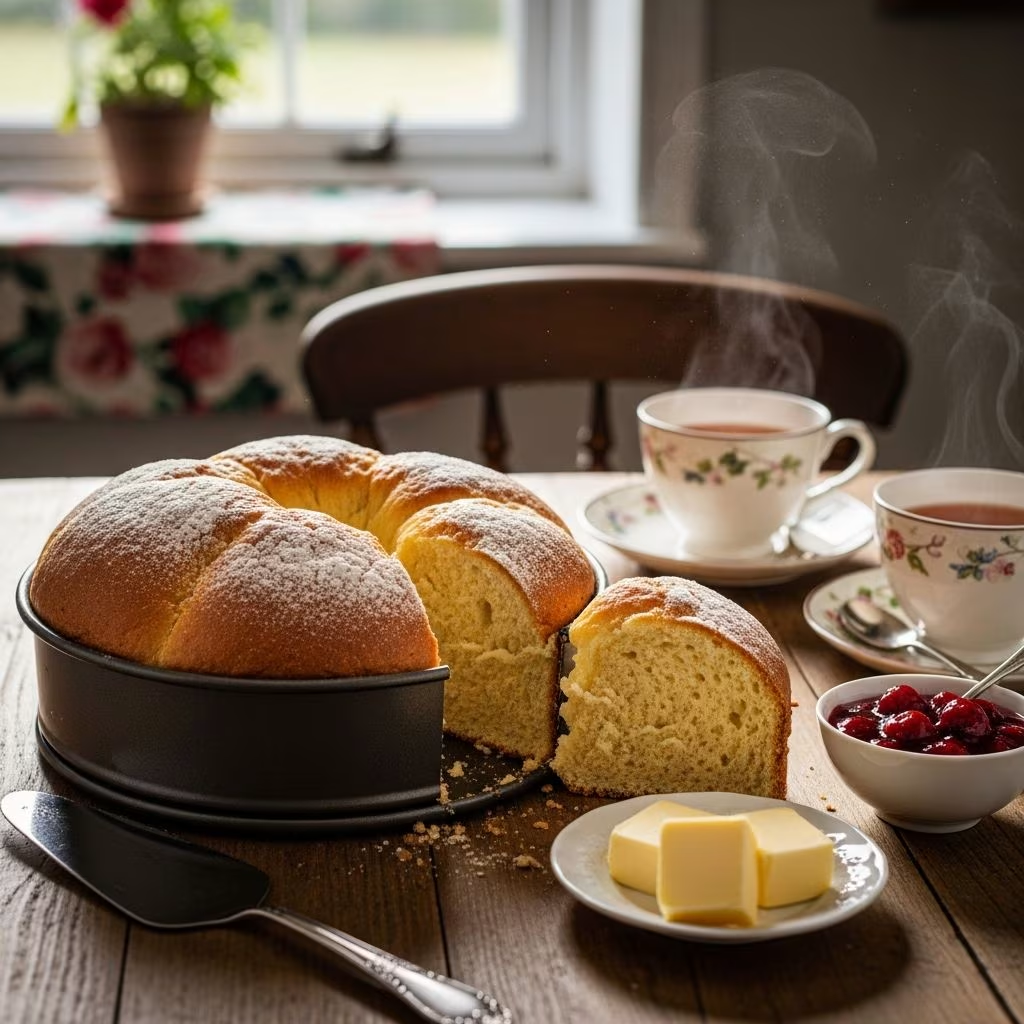
This enriching bake merges the lightness of yeast bread with the sweetness of cake, offering a tender crumb that’s perfect for any occasion. Originating from European traditions, it has captivated bakers for centuries with its subtle flavors and versatility.
Tracing the Roots of a Legendary Bake
The story of Sally Lunn cake weaves through history, linking French refugees and English streets. Legends point to a Huguenot woman named Solange Luyon, who fled persecution in France during the late 1600s and settled in Bath, England. There, she crafted enriched dough buns that became street favorites, cried out as ‘Sally Lunn’ by vendors. This name may derive from ‘soleil et lune,’ describing the golden top and pale interior.
Alternative tales suggest a Scotch maidservant named Sally Lunn delivered similar tea cakes from a Chelsea bakery around 1800, or even connections to chef Marie-Antoine Carême popularizing it in France. First records appear in 1780 Bath, confirming its early popularity as a brioche-like teacake made with yeast, cream, eggs, and flour.
In colonial America, it appeared in booklets like those from Williamsburg’s Raleigh Tavern Bakery, using potato yeast, eggs, butter, and flour for a spoon-standing batter. This adaptability helped it thrive across continents.
Why This Cake Stands Out in Baking
Sally Lunn cake distinguishes itself with its yeast activation, yielding a fluffy, airy texture unlike quick breads. The dough rises slowly, developing complex flavors from eggs, butter, and milk. It’s slightly sweet, ideal toasted with butter or as French toast base.
- Hybrid Nature: Blends cake richness with bread chew, finer than standard loaves.
- Versatile Shapes: Bake as large cake, buns, or loaf for varied presentations.
- Flavor Profile: Mild sweetness enhances toppings like glazes, fruits, or savory spreads.
Modern takes preserve tradition while simplifying for home kitchens, often using active dry yeast over potato varieties.
Classic Ingredients for Authentic Flavor
Traditional recipes center on pantry staples, scaled for different yields. A foundational version includes:
| Ingredient | Quantity | Purpose |
|---|---|---|
| Warm milk | 1 cup | Hydrates yeast, adds tenderness |
| Unsalted butter | 1 stick (softened) | Enriches dough for softness |
| Sugar | 1/3 cup | Sweetens mildly |
| Salt | 1 tsp | Balances flavors |
| Active dry yeast | 1 packet | Leavening agent |
| Eggs | 3 large | Structure and richness |
| All-purpose flour | 3.5 cups | Main structure |
For glaze: confectioners’ sugar, milk, and extract like vanilla or lemon.
Variations swap buttermilk for milk with lemon juice, adding tang, or incorporate baking powder for quicker rises.
Step-by-Step Guide to Perfection
Baking Sally Lunn demands patience for rising, but yields impressive results. Preheat oven to 350°F.
- Combine warm milk, softened butter, sugar, and salt in a bowl; cool to lukewarm.
- Dissolve yeast in 1/4 cup warm water; let sit 5 minutes until foamy.
- Beat eggs vigorously; mix in yeast and milk mixture.
- Gradually add flour to form thick batter; cover and rise in warm spot until doubled (1-2 hours).
- Spoon into greased 10-inch tube pan; rise again 30-45 minutes.
- Bake 50 minutes until golden; cool 10-15 minutes before unmolding.
- Drizzle glaze: mix 1 cup confectioners’ sugar, 2 tbsp milk, 1/2 tsp extract.
Tips: Use potato yeast for historical authenticity; test doneness with toothpick. Yields one large cake serving 10-12.
Quick-Version Recipe for Busy Bakers
For faster prep without yeast, try this baking powder adaptation serving 8:
- 1.75 cups flour
- 3 tsp baking powder
- 1/2 tsp salt
- 1/2 cup softened butter
- 1/2 cup sugar
- 2 eggs
- 1 cup milk
Cream butter and sugar, add eggs, then dry ingredients alternating with milk. Bake in greased pan at 350°F for 30-35 minutes. Top with brown sugar-butter caramel for coffee cake style.
Mastering the Technique: Common Pitfalls and Fixes
Achieve pro results with these insights:
- Rising Issues: Ensure drafts-free warm spot (80-90°F); under-risen dough bakes dense.
- Texture Troubles: Overmixing deflates air; stir gently post-flour addition.
- Sticking Pan: Generously butter tube pan; run knife around edges post-bake.
- Flavor Boosts: Add zest or spices; historical recipes used potato yeast for earthiness.
Store airtight up to 3 days; freeze slices for toasting.
Creative Ways to Enjoy Sally Lunn
This bake shines solo or transformed:
- Breakfast Treat: Slice, toast, slather with butter and jam.
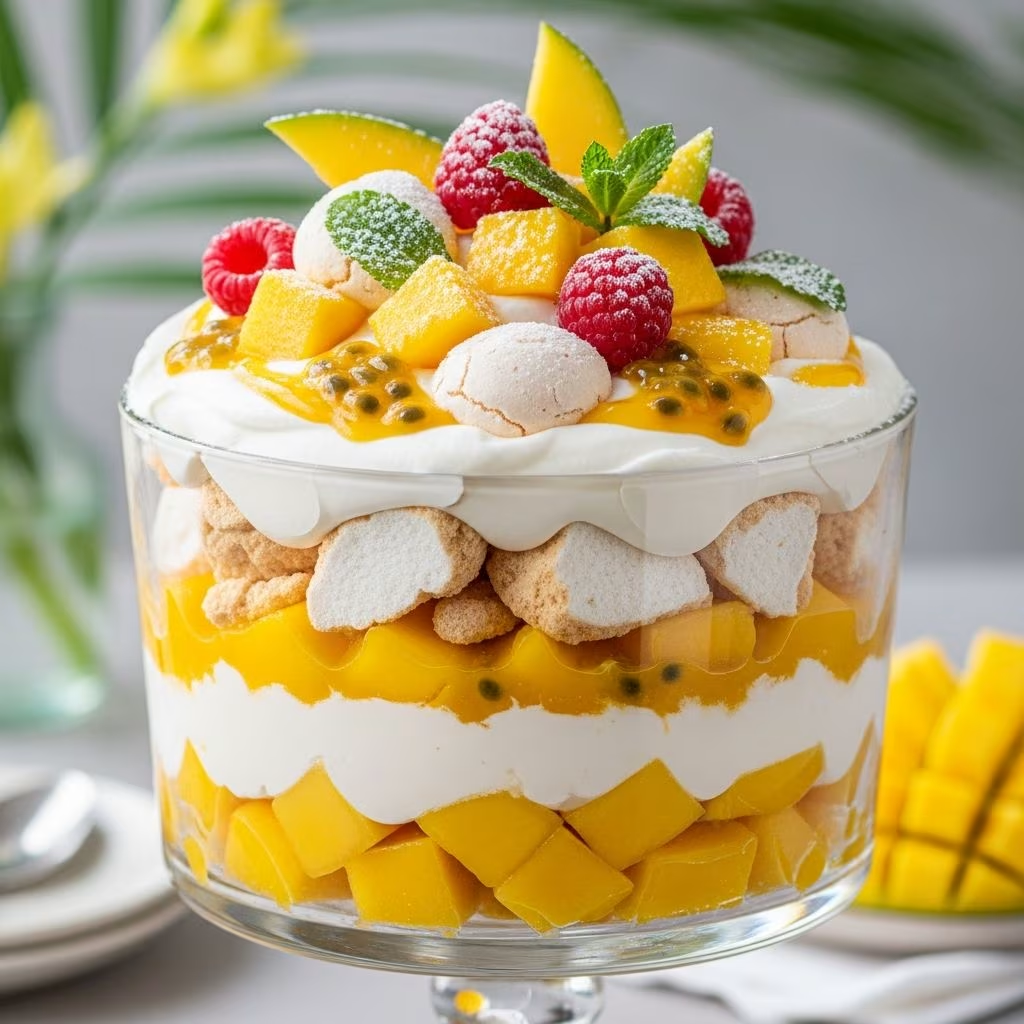
- Dessert Star: Layer with whipped cream, berries for trifle.
- Savory Twist: Top with cheese, herbs for appetizers.
- French Toast: Dip in egg batter, griddle with syrup.
- Bun Style: Shape into rolls for sliders or sandwiches.
Pair with tea for English tradition or coffee for American mornings.
Adapting for Dietary Needs
Customize inclusively:
- Dairy-Free: Use plant milk, vegan butter.
- Gluten-Free: Swap 1:1 flour blend; add xanthan gum.
- Sugar-Reduced: Honey or monk fruit substitute.
- Eggless: Flax eggs maintain structure.
Test small batches for best rise and texture.
Historical Significance in Modern Kitchens
Beyond folklore, Sally Lunn embodies resilience—refugees sharing craft through food. Today, bakeries like Bath’s museum preserve it, while home bakers innovate. Its simplicity suits beginners, depth rewards experts.
Experiment with extracts or fillings to personalize this heirloom recipe.
Frequently Asked Questions
What makes Sally Lunn cake different from regular cake?
It uses yeast for rising, creating bread-like airiness with cake sweetness.
Can I make it without a tube pan?
Yes, use loaf pans or muffin tins for buns; adjust bake time.
How long does it keep?
3 days room temp, 1 week refrigerated; freeze up to 3 months.
Is it more bread or cake?
A delightful middle ground—sweet like cake, textured like enriched bread.
Why use warm milk?
Activates yeast without killing it; ensures even rising.
References
- Colonial Recipes: Sally Lunn Cake — Smithsonian Magazine. 2011-06-27. https://www.smithsonianmag.com/arts-culture/colonial-recipes-sally-lunn-cake-82438919/
- Sally Lunn Bread Slice with blueberries — Mama’s On A Budget. N/A. https://mamasonabudget.com/sally-lunn-bread-cake/
- Sally Lunn Cake History — What’s Cooking America. N/A. https://whatscookingamerica.net/history/cakes/sallylunncake.htm
- How To Make a Sally Lunn Tea Cake — YouTube (Living Our Dream Homestead). N/A. https://www.youtube.com/watch?v=UjsScYp_GAc
- Quick Sally Lunn Coffee Cake Recipe — Yaya’s Cookbook. N/A. https://yayascookbook.com/quick-sally-lunn-coffee-cake/
- Sally Lunn Cake — Arva Flour Mills. N/A. https://arvaflourmills.com/blogs/recipes/sally-lunn-cake