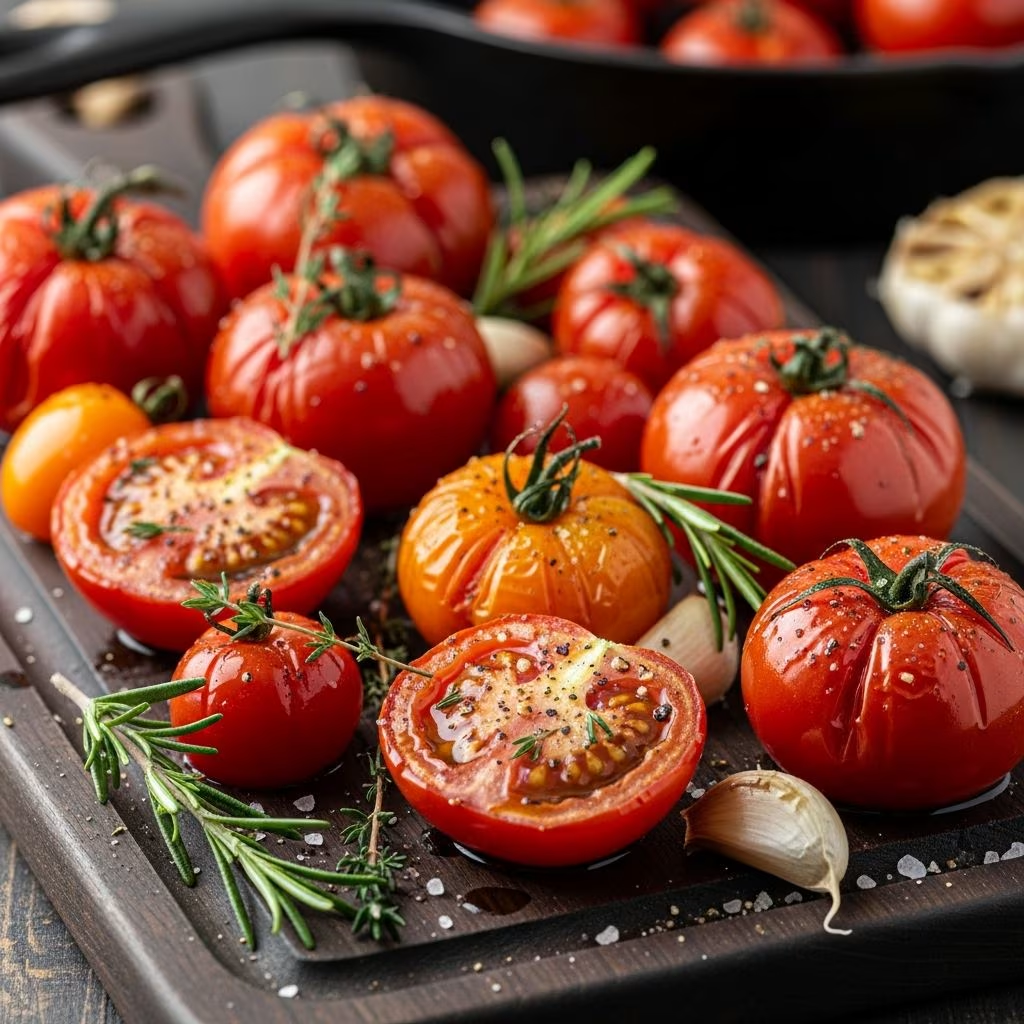
Roasting tomatoes represents one of the most transformative cooking techniques available to home cooks, converting ordinary produce into an intensely flavorful ingredient that serves as the foundation for countless dishes. When exposed to consistent, dry heat in an oven, tomatoes undergo a remarkable chemical transformation—their natural sugars concentrate, their acidity mellows, and their umami compounds intensify, creating a depth of flavor that fresh tomatoes simply cannot match. This comprehensive guide explores everything you need to know about roasting tomatoes, from selecting the right varieties to mastering advanced preparation techniques.
Understanding the Science Behind Roasted Tomatoes
The magic of roasting tomatoes lies in a process called the Maillard reaction, where proteins and sugars combine under heat to create hundreds of new flavor compounds. As moisture evaporates from the tomatoes during roasting, their flavors become increasingly concentrated. What begins as a light, watery fruit transforms into something with remarkable depth and complexity. This concentration process also caramelizes the natural sugars present in tomatoes, adding subtle sweetness that balances the fruit’s inherent acidity.
Temperature plays a critical role in determining the final outcome. Higher temperatures produce faster results with more pronounced caramelization, while lower temperatures over extended periods yield a more delicate, dried-fruit quality. Understanding these variables allows cooks to tailor their roasting experience to specific culinary intentions.
Selecting the Ideal Tomato Varieties
Not all tomatoes respond equally to roasting. The variety you choose significantly impacts both the roasting time and the final flavor profile. Different tomato types offer distinct advantages depending on your intended use.
- Roma Tomatoes: These elongated, meaty tomatoes contain fewer seeds and less water than beefsteak varieties, making them ideal for roasting. Their natural sweetness becomes even more pronounced through heat exposure, and their sturdy flesh maintains structural integrity throughout the roasting process.
- Campari Tomatoes: Larger than cherry tomatoes but smaller than romas, Campari tomatoes offer excellent balance between flesh and liquid content. They roast quickly while developing rich, concentrated flavors.
- Cherry and Grape Tomatoes: These smaller varieties roast faster due to their size, creating intensely sweet results. They work particularly well for applications where you want whole or nearly-whole tomato pieces.
- Plum Tomatoes: Similar to roma tomatoes in structure, plum tomatoes bring a slightly different flavor profile with good texture retention during roasting.
- San Marzano Tomatoes: Prized for sauce-making, these tomatoes also roast beautifully, producing an elegant, concentrated tomato essence.
Essential Preparation Steps
Proper preparation ensures even roasting and optimal flavor development. Begin by selecting tomatoes at peak ripeness—they should yield slightly to gentle pressure but remain firm enough to handle. Wash them thoroughly under cool running water and pat completely dry. Any surface moisture can interfere with the roasting process and prevent proper browning.
Cutting technique matters considerably. For larger varieties like romas and plum tomatoes, slice lengthwise into halves, creating a flat surface that makes contact with the baking sheet. This maximizes the area available for caramelization. For particularly large beefsteak tomatoes, cutting into quarters distributes the roasting more evenly. Smaller cherry and grape tomatoes can roast whole or halved, depending on desired intensity and timing.
Arrange prepared tomatoes on a rimmed baking sheet in a single layer, positioning them cut-side up when applicable. This orientation allows the cut surface to develop caramelization while any juices collect in the depression created by the flesh. Line your baking sheet with parchment paper or foil for easy cleanup and to prevent sticking.
Building Flavor Through Seasoning
While tomatoes contain inherent flavor, strategic seasoning elevates the final product significantly. Quality extra virgin olive oil serves as the foundation, providing fat that carries fat-soluble flavor compounds and promotes browning. Use approximately one-quarter to one-third cup of premium olive oil for two to three pounds of tomatoes.
Fresh and dried herbs complement roasted tomatoes beautifully. Thyme brings subtle earthiness, oregano adds Mediterranean character, and rosemary contributes bold, piney notes. Fresh herbs can be applied before or after roasting; dried herbs work best when combined with the oil before roasting so they can bloom during the cooking process.
Garlic, whether minced or thinly sliced, develops its own subtle sweetness when roasted alongside tomatoes. Salt enhances natural flavors and encourages moisture release, while freshly cracked black pepper adds light heat. Optional additions include balsamic vinegar for depth, crushed red pepper flakes for heat, sumac for tangy brightness, and a pinch of sugar to balance acidity.
Temperature and Timing Strategies
Roasting temperature directly influences both cooking time and final flavor characteristics. Three primary approaches accommodate different needs and preferences.
| Temperature | Time Range | Result Profile | Best For |
|---|---|---|---|
| 400-425°F | 20-35 minutes | Tender, caramelized exterior with concentrated flavor; some liquid retention | Quick preparation; pasta dishes; bruschetta |
| 450°F | 30-35 minutes | Deeply caramelized; collapsed but moist; intense umami | Maximum flavor concentration; sauce base |
| 250-275°F | 2-3 hours | Shriveled but moist; concentrated sweetness; dried-fruit quality | Preservation; storage; delicate flavor profile |
Most home cooks find success with the moderate-to-high temperature approach, roasting at 400-425°F for 20-40 minutes depending on tomato variety and size. This strikes an excellent balance between cooking speed and flavor development, producing tomatoes that are tender and flavorful without requiring extended oven time.
Begin checking roasted tomatoes at the twenty-minute mark. Look for the edges to darken and the flesh to collapse slightly. The cut surface should show browning, and any accumulated juices in the pan should be reducing to a more concentrated consistency. Continue roasting in five-minute increments until the tomatoes reach your preferred doneness.
Flavor Development During Roasting
As tomatoes roast, dramatic transformation occurs in their flavor chemistry. Initial roasting produces tender but still-distinct tomato pieces with noticeably concentrated flavor compared to raw tomatoes. Extended roasting causes further collapse and deeper caramelization, developing subtle smoky undertones and increasingly intense umami qualities. The juices collected in the pan become increasingly syrupy, creating a concentrated tomato essence that rivals commercial reductions.
This progression allows cooks to determine their preferred stopping point. Some prefer tomatoes that maintain some structural integrity and brightness, while others appreciate the deeply concentrated character of extended roasting.
Versatile Applications and Creative Uses
Roasted tomatoes excel in numerous culinary applications, making them an exceptionally versatile ingredient worth preparing in batch quantities.
- Pasta Foundation: Toss warm roasted tomatoes with freshly cooked pasta, reserving some pasta water to create a silky sauce. The tomatoes’ concentrated flavor coats each strand beautifully.
- Bruschetta and Toast Topping: Serve roasted tomatoes on grilled bread with ricotta, fresh herbs, or feta cheese for an elegant appetizer.
- Sandwich Enhancement: Layer roasted tomatoes on sandwiches or wraps for intense tomato flavor without excessive moisture.
- Soup Foundation: Blend roasted tomatoes into creamy tomato soup or combine with vegetable stock for a rich, concentrated tomato essence.
- Salad Ingredient: Combine cooled roasted tomatoes with fresh greens, good vinaigrette, and complementary proteins.
- Avocado Toast Feature: Top creamy avocado on toasted bread with roasted tomatoes for appealing contrast.
- Sauce Base: Use the pan juices and collapsed tomatoes as the foundation for marinara or other tomato-based sauces.
- Dip Component: Blend roasted tomatoes into hummus or ricotta-based dips for elevated flavor.
Storage and Preservation Methods
Roasted tomatoes preserve beautifully, allowing advance preparation and extended enjoyment. Once cooled completely, store roasted tomatoes in glass jars or airtight containers. Cover them completely with quality olive oil, which protects them from oxidation and adds additional flavor. Properly stored roasted tomatoes maintain quality in the refrigerator for up to two weeks.
For longer-term storage, freeze roasted tomatoes in airtight containers or ice cube trays for easy portioning. Thaw overnight in the refrigerator before use. Alternatively, preserve them in oil-filled jars using proper canning techniques if you have experience with home preservation methods.
Troubleshooting Common Challenges
Tomatoes remain too watery: Increase oven temperature by 25 degrees or extend roasting time by 5-10 minutes. Ensure tomatoes are positioned cut-side up to maximize surface contact with heat.
Uneven roasting: Arrange tomatoes by size, keeping similarly-sized pieces together. Rotate the baking sheet halfway through roasting if your oven has hot spots.
Excessive browning or burning: Lower oven temperature by 25 degrees and monitor more frequently. Cover loosely with aluminum foil if browning seems excessive before tomatoes reach desired tenderness.
Insufficient flavor concentration: Ensure you’re using ripe, flavorful tomatoes. Extended roasting at 450°F produces more concentrated results than lower temperatures.
Advanced Flavor Combinations
Once comfortable with basic roasted tomatoes, experiment with complementary ingredients and flavor combinations. Mediterranean profiles pair roasted tomatoes with garlic, oregano, and olives. Italian-inspired combinations feature fresh basil applied after roasting to preserve its delicate flavor. Middle Eastern approaches incorporate sumac and Aleppo pepper for tangy heat. Spanish-influenced preparations might include smoked paprika and roasted peppers.
Frequently Asked Questions
Can I roast tomatoes without olive oil? While technically possible, olive oil significantly enhances browning, flavor development, and texture. It also prevents sticking and promotes even cooking.
Should I remove tomato seeds before roasting? Seeds are edible and contribute to the final dish. Leave them intact for most applications; remove them only if you’re creating a particularly refined sauce.
What if my tomatoes are not very ripe? Less-ripe tomatoes contain less sugar and develop fewer complex flavors during roasting. Choose the ripest specimens available for best results.
Can I roast different tomato sizes together? Yes, but arrange them by size so similar pieces finish roasting simultaneously. Check smaller tomatoes first, removing them when done and allowing larger pieces additional time.
Is it necessary to preheat the oven? Yes, preheating ensures consistent heat distribution and reliable roasting times. Allow at least 15-20 minutes for complete preheating.
Roasting tomatoes unlocks their full potential, transforming simple produce into a sophisticated ingredient that elevates everyday cooking. With understanding of fundamental principles and flexibility in application, you’ll develop confidence in creating roasted tomato preparations that enhance countless dishes throughout your culinary repertoire.
References
- Quick Oven-Roasted Tomatoes Recipe with Thyme and Feta — The Mediterranean Dish. Accessed April 8, 2026. https://www.themediterraneandish.com/quick-oven-roasted-tomato-recipe-with-thyme-and-feta/
- Roasted Tomatoes: Any Variety! — The Woks of Life. Accessed April 8, 2026. https://thewoksoflife.com/roasted-tomatoes/
- How to Make Roasted Tomatoes — Your Home Based Mom. Accessed April 8, 2026. https://www.yourhomebasedmom.com/roasted-tomatoes/
- Oven Roasted Tomatoes — A Cedar Spoon. Accessed April 8, 2026. https://www.acedarspoon.com/oven-roasted-tomatoes/
- Oven-Roasted Tomatoes — David Lebovitz. Accessed April 8, 2026. https://www.davidlebovitz.com/oven-roasted-tomatoes-tomato-recipe/
- Roasted Tomatoes Recipe — Love and Lemons. Accessed April 8, 2026. https://www.loveandlemons.com/roasted-tomatoes/