Creating restaurant-quality meals at home doesn’t require extensive ingredient lists or complicated cooking techniques. By strategically selecting pre-prepared components from specialty grocery retailers, home cooks can assemble satisfying dishes in remarkably short timeframes. A classic fish sandwich represents an ideal candidate for this approach, combining protein, texture, and flavor satisfaction while remaining accessible to cooks of varying skill levels.
The beauty of utilizing pre-made grocery store components lies in the elimination of unnecessary steps while maintaining culinary quality. When sourcing items thoughtfully, the final dish tastes nothing like a shortcut meal but rather like something prepared with care and attention. This particular sandwich demonstrates how strategic planning can transform minimal components into something genuinely delicious.
Understanding Your Core Ingredients
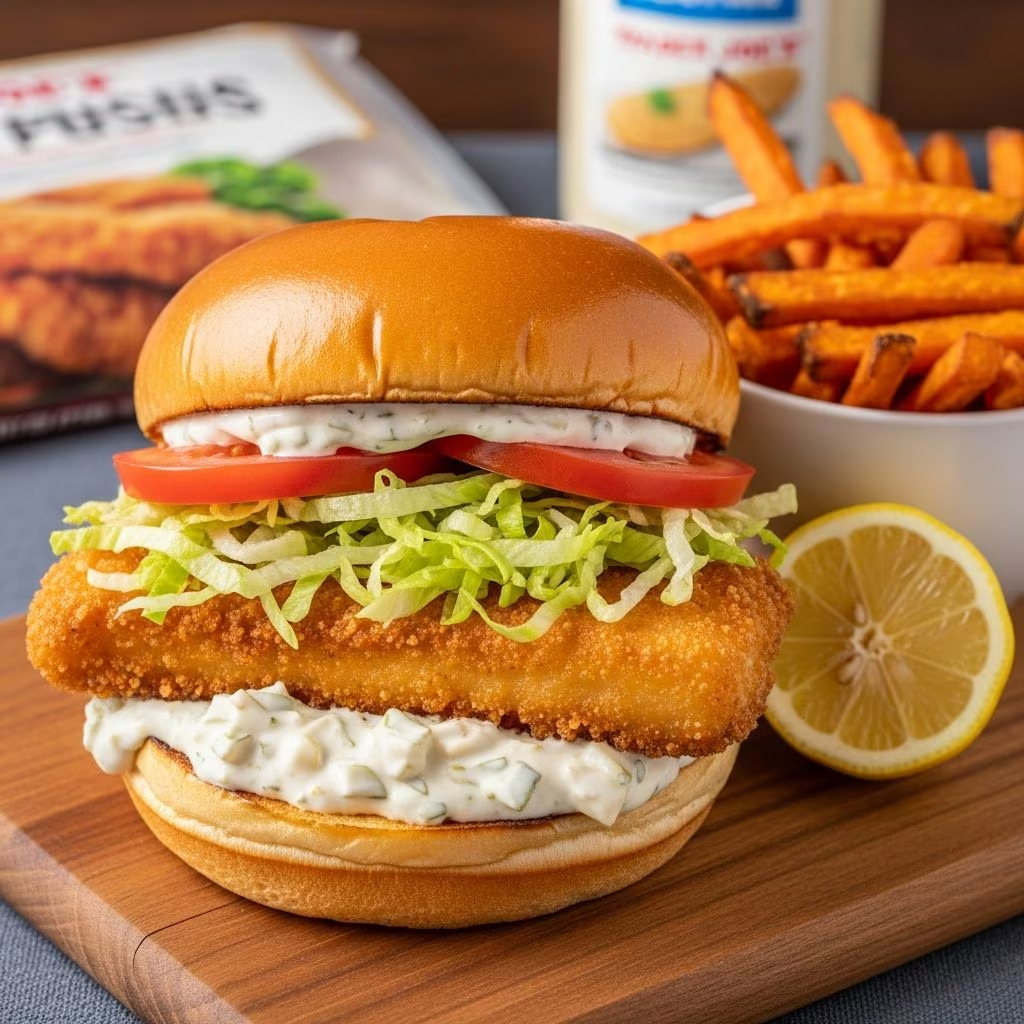
The foundation of an exceptional fish sandwich rests upon selecting quality proteins and complementary components. Rather than starting from scratch with raw fish, frozen fillets that arrive pre-breaded offer significant convenience without sacrificing taste or texture. These products undergo professional preparation, ensuring even browning and proper seasoning throughout the cooking process.
Beyond the protein, a memorable sandwich requires textural contrast and flavor balance. Crispy bread provides structure, while creamy condiments add moisture and richness. Fresh vegetables introduce brightness and crunch, while acidic elements cut through richness and enliven the palate. Understanding how each component contributes to the overall experience helps in making thoughtful substitutions or adjustments based on personal preferences.
Primary Components You’ll Need
- Pre-breaded frozen fish fillets (typically tilapia or similar white fish varieties)
- Soft sandwich rolls or brioche buns
- Creamy mayonnaise-based sauce with flavor additions
- Crisp fresh vegetables for textural contrast
- Acid component such as fresh lime juice or pickled vegetables
Preparation Methods for Perfect Results
The cooking method significantly impacts the final texture and flavor profile. While traditional deep frying creates authentic results, alternative techniques offer convenience and reduced oil usage without substantially compromising quality. Modern cooking appliances have revolutionized how home cooks achieve restaurant-style crispness.
Air Frying Technique
Air frying has emerged as the preferred method for preparing breaded seafood at home. This approach circulates heated air rapidly around food, creating crispy exteriors while maintaining tender interiors. The process requires minimal oil, reducing overall fat content while still delivering satisfying textural results.
Start by preheating your air fryer to 400°F for several minutes. This ensures consistent cooking throughout. Arrange your frozen fillets in a single layer, avoiding overlap which prevents even heat circulation. Cook for approximately 6-7 minutes on each side, checking occasionally for desired doneness. The fish should develop a golden-brown exterior while remaining moist inside.
Traditional Oven Baking
For those without air fryer access, conventional ovens work perfectly adequately. Preheat to 425°F and arrange breaded fillets on a lined baking sheet. Bake for 20-25 minutes total, flipping halfway through the cooking process. While this method requires slightly longer than air frying, the results remain excellent. Some cooks prefer lightly spraying the fish with cooking oil to enhance browning, though this remains entirely optional.
Crafting Your Signature Sauce
The sauce transforms a simple sandwich into something memorable. Rather than relying on single-note condiments, combining complementary flavors creates depth and complexity. A mayonnaise base provides creaminess and binding properties, while additional ingredients introduce heat, acidity, and brightness.
Spicy Lime-Infused Dressing
Combine ¼ cup of quality mayonnaise with 2 tablespoons of sriracha sauce, stirring thoroughly until the heat-producing chili paste distributes evenly throughout the creamy base. Add fresh lime juice—approximately ½ lime’s worth—and continue mixing. The lime juice introduces tartness that balances richness and prevents the sauce from becoming monotonously heavy.
For those preferring thinner consistency suitable for drizzling, add water incrementally, one teaspoon at a time. This adjustment prevents the sauce from overwhelming delicate fish with excessive density. The beauty of creating your own condiment lies in personalization—increase sriracha for additional heat, expand lime juice for sharper brightness, or incorporate fresh cilantro for herbal notes.
Alternative Sauce Variations
| Sauce Profile | Key Ingredients | Best For |
|---|---|---|
| Garlic Aioli | Mayo, minced garlic, lemon juice | Classic preparation, seafood lovers |
| Chipotle Cream | Mayo, chipotle peppers, lime, honey | Smoky flavor enthusiasts |
| Asian-Inspired | Mayo, soy sauce, ginger, sesame oil | Fusion-style preparations |
| Mediterranean Style | Mayo, pesto, roasted red peppers | Garden-fresh flavor preference |
Selecting and Preparing Fresh Vegetables
While the fish provides the sandwich’s primary appeal, fresh vegetables introduce necessary contrast in both texture and flavor. Vegetables add nutritional value while preventing the meal from feeling one-dimensional. Strategic choices ensure components work harmoniously rather than competing for attention.
Crispy lettuce varieties provide delicate crunch without overwhelming more delicate fish flavors. Iceberg lettuce offers reliable crispness, while butter lettuce brings subtle elegance. Thinly sliced red onions introduce sharp bite and attractive color, though their intensity pairs better with bold accompanying flavors than delicate preparations. Sliced tomatoes contribute juiciness and natural acidity, complementing creamy sauces perfectly.
Consider pre-packaged vegetable options from specialty grocers, which offer quality control and convenience. Coleslaw mixes provide established flavor balancing, while pre-dressed salad components save preparation time without sacrificing nutritional value. Fresh avocado slices introduce richness and creamy textural contrast, though their mild flavor complements rather than competes with the seasoned fish.
Bread Selection Matters
The sandwich’s foundation deserves thoughtful consideration. While standard white bread functions adequately, superior options elevate the entire experience. Brioche buns provide subtle sweetness and rich butter notes that complement seafood elegantly. Their tender crumb absorbs sauce without becoming soggy while offering structural integrity for sandwich stability.
Toasting bread before assembly improves texture significantly. Light toasting creates a protective barrier preventing excessive sauce absorption while adding subtle textural interest. Some prefer substantial rolls offering hearty structure, while others favor delicate ciabatta or focaccia for refined presentations. The choice depends entirely on personal preference and desired formality level.
Consider specialty bakery options if available—artisanal preparations using quality ingredients noticeably impact the final sandwich. However, quality commercial options from grocery bakeries work perfectly well for casual preparations.
Assembly and Service Technique
The final assembly process affects not only visual presentation but also flavor progression and texture experience. Consider structural integrity—placing wetter components like tomato slices between lettuce layers prevents bread from absorbing excess moisture too rapidly. Position the hot fish centrally where it can distribute warmth throughout, helping flavors blend during eating.
Sauce application requires balance. Apply enough to ensure every bite contains flavorful moisture without creating a slippery, unwieldy sandwich. Bottom bread layers should receive a lighter sauce application, while upper portions can tolerate more generous amounts. Allow hot fish to cool slightly before serving—residual heat will continue cooking and soften vegetables marginally, improving flavor integration.
Customization and Personalization Options
While the five-ingredient framework provides simplicity, thoughtful additions enhance the eating experience without substantially increasing preparation complexity. Fresh herbs like cilantro or parsley introduce brightness and sophistication. Pickled vegetables contribute acidity and textural contrast. Hot sauce drizzles add customizable heat levels accommodating various preferences within a single meal.
Consider your audience’s preferences when incorporating modifications. Some diners appreciate aggressive heat and bold flavors, while others prefer subtle, delicate profiles. The beauty of preparing individual sandwiches lies in customization capability—each person receives a sandwich perfectly suited to their specific preferences.
Popular Enhancement Ideas
- Crispy bacon strips for smoky, salty richness
- Thinly shaved purple cabbage for additional crunch
- Jalapeño slices for fresh heat and brightness
- Roasted red peppers for sweet, mild flavor
- Fresh dill or tarragon for sophisticated herbal notes
- Caramelized onions for sweet, complex depth
Timing and Efficiency Strategies
The remarkable appeal of this sandwich recipe lies in its efficiency. From initial preparation to finished product, total time investment remains minimal. Strategic multitasking maximizes convenience while maintaining quality results.
Begin by preheating your cooking appliance first—whether air fryer or oven. While heating occurs, prepare your sauce, gathering and measuring all ingredients before mixing. Toast your bread, then arrange vegetables on a clean surface. By the time your fish finishes cooking, all components stand ready for immediate assembly, preventing unnecessary delays.
This approach proves particularly valuable during busy weekdays when time pressure creates stress. The ability to produce satisfying, restaurant-quality meals within 20 minutes from start to finish makes this recipe invaluable for household meal planning.
Frequently Asked Questions
Can I prepare these sandwiches ahead for meal prep purposes?
Fish sandwiches consume best immediately after assembly due to bread texture preferences. However, you can prepare components separately—cook fish, prepare sauce, and arrange vegetables in advance. Assemble individual sandwiches when ready to eat. This approach maintains freshness while saving time during busy periods.
What if I don’t have sriracha available?
Substitute any preferred hot sauce, adjust quantities based on heat intensity. Alternatively, omit entirely and use different sauce profiles—garlic aioli, pesto mayo, or simple lemon-herb mixtures work beautifully. The key lies in sauce composition rather than specific ingredient requirements.
Are frozen pre-breaded fish fillets nutritionally comparable to fresh fish?
Frozen fillets maintain nutritional integrity well, containing similar protein content and beneficial omega-3 fatty acids as fresh options. The primary difference involves added breading and minimal sodium increases from the freezing process. Overall nutritional profiles remain favorable for balanced meal planning.
How do I prevent soggy bread?
Toast bread lightly before assembly, apply sauce moderately, and position wet components strategically. Eating sandwiches soon after preparation prevents extended sauce absorption. If preparing in advance, store components separately and assemble immediately before consumption.
Can I use different fish varieties?
Absolutely. Cod, halibut, or pollock work equally well. Select according to availability and personal preference. Different varieties offer slightly different flavor profiles—experiment to discover your preferred option.
Nutritional Considerations
This sandwich provides balanced nutrition combining lean protein from fish, healthy fats from avocado, carbohydrates from bread, and vitamins from vegetables. The typical sandwich delivers approximately 400-500 calories depending on specific ingredients and portion sizes. Protein content typically ranges from 20-25 grams per sandwich, making this an excellent protein-focused meal option.
The ingredient-conscious approach naturally limits unnecessary additives while maintaining nutritional density. By controlling sauce quantities and topping choices, this recipe accommodates various dietary approaches from weight-conscious to performance-focused eating patterns.
Conclusion: Simplicity Meets Satisfaction
This five-ingredient fish sandwich demonstrates how intentional selection and straightforward preparation techniques create genuinely satisfying meals without excessive complexity. By leveraging quality pre-prepared components available at specialty grocers, home cooks achieve professional results reliably. The combination of crispy fish, creamy sauce, fresh vegetables, and quality bread creates a memorable eating experience that rivals casual restaurant offerings while maintaining superior convenience and cost-effectiveness.
References
- Nutrition Facts on Fish and Seafood — United States Department of Agriculture (USDA). https://www.fsis.usda.gov/food-safety/foodborne-pathogens-and-illnesses/what-you-need-know-foodborne-pathogens-and-illnesses/seafood
- Food Safety Guidelines for Fish and Seafood Preparation — FDA (Food and Drug Administration). https://www.fda.gov/food/seafood-haccp-alliance/seafood-haccp-program
- Cooking Methods and Nutritional Retention in Seafood — Academy of Nutrition and Dietetics. https://www.eatright.org/food/nutrition/dietary-guidelines-and-myplate/protein-foods