Pheasant offers a lean, flavorful alternative to chicken or turkey, with its delicate gamey taste shining through simple roasting methods. Achieving tender meat requires attention to brining, high initial heat, and precise temperatures.
Understanding Pheasant Meat
Pheasant is leaner than domesticated poultry, with breast meat prone to drying out and legs benefiting from longer cooking. This contrast demands techniques like brining to retain moisture and spatchcocking for even heat distribution. Wild pheasant may carry a stronger flavor from diet, while farm-raised is milder.
Essential Preparation Steps
Start with a whole bird around 2-2.5 pounds, ideally at room temperature. Rinse and pat dry thoroughly to ensure crispy skin. Brining is key: a basic solution of water, kosher salt, sugar, and optional juniper berries or bay leaves for 4-24 hours infuses flavor and moisture.
- Basic Brine: 8 cups water, 1/2 cup kosher salt, 2 tbsp sugar. Submerge bird, refrigerate.
- Advanced Brine: Add crushed juniper berries for earthy notes matching pheasant’s wild profile.
- Pat dry post-brine; air-dry skin in fridge for 2-4 hours if time allows, for crispiness.
Season generously with salt, pepper, and herbs like rosemary. Rub with softened butter, olive oil, or duck fat to protect lean meat.
Classic Oven Roasting Technique
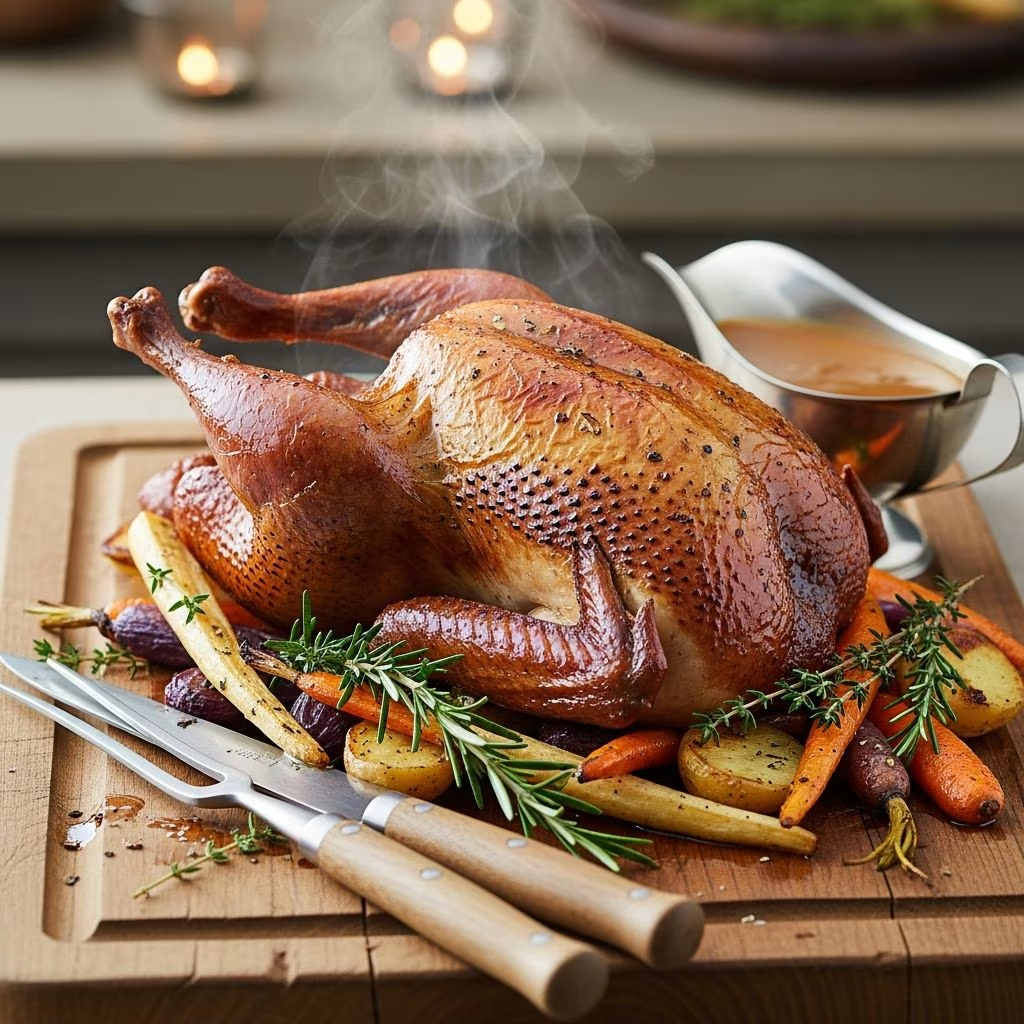
The high-low temperature method crisps skin while cooking evenly. Preheat to 475°F, roast uncovered 15 minutes, then drop to 350°F until internal temperature hits 155-160°F in the breast. Use an instant-read thermometer for accuracy—overcooking dries the meat.
- Place bird in cast-iron skillet or roasting pan.
- Roast at high heat 15 minutes.
- Lower to 350°F, cook 15-20 more minutes, basting midway.
- Rest 10 minutes; carryover cooking reaches safe 165°F.
For spatchcocked birds, flatten by removing backbone, rub with oil, and roast at 350°F initially, then 425°F with glaze.
Flavorful Variations and Glazes
Elevate basic roasting with creative twists. A honey-mustard glaze balances sweetness and tang: whisk honey, Dijon mustard, apple cider vinegar, and thyme; apply after initial roast.
| Glaze Type | Ingredients | Application |
|---|---|---|
| Honey Mustard | Honey, mustard, vinegar, thyme | Brush twice after 10 min at 350°F, finish at 425°F |
| Maple Butter | Butter, maple syrup, black pepper | Baste mid-roast at 350°F |
| Garlic Herb | Butter, smashed garlic, fresh thyme | Rub under skin pre-roast |
Stuff cavity with lemon halves, garlic, or chorizo for infused aroma. Pair with roasted grapes and shallots for fruity contrast.
Stuffed and Enhanced Roasts
For pot-style roasting, brown bird in oil, then braise with bacon, shallots, carrots, Marsala wine, and stock at 325°F for 1.5 hours until legs loosen from bone. Oven versions with chorizo and parsnips add spice: rub garlic butter, stuff half chorizo, roast at 400°F 50 minutes.
- Chorizo Pheasant: Cook sausage first, stuff cavity, add veggies and lemon.
- Pot Roast: Flour and sear bird, simmer with wine and herbs.
Perfect Side Dishes
Complement pheasant’s leanness with hearty sides. Roasted root vegetables like parsnips absorb pan juices. Wild rice pilaf with mushrooms echoes game flavors. Simple mashed potatoes with gravy from drippings round out meals.
- Roasted Grapes: Toss with oil, rosemary, salt; roast 15-20 min at 350°F until bursting.
- Parsnip Sticks: Oil, salt, pepper; roast alongside bird.
- Bread Sauce: Traditional British pairing, creamy with onions and cloves.
Common Mistakes and Fixes
Avoid dry meat by brining and not exceeding 160°F breast temp. Prevent burnt wings by tucking or trussing legs with twine. If skin softens, broil final 2 minutes. For frozen birds, thaw fully in fridge.
| Issue | Cause | Solution |
|---|---|---|
| Dry Breast | No brine, overcook | Brine 4+ hrs, pull at 155°F |
| Tough Legs | Uneven heat | Spatchcock or pot-roast |
| Soggy Skin | Not dried | Air-dry post-brine, high-heat start |
Pheasant Sourcing and Storage
Opt for fresh or frozen whole birds from reputable hunters or farms. Store in fridge up to 2 days or freeze 3 months. Thaw slowly for best texture. Sustainable wild harvest supports populations[10].
Nutritional Profile
Pheasant is low-fat (3g per 100g), high-protein (25g), with B vitamins and iron surpassing chicken. Lean profile suits healthy diets when not overcooked.
Pairing Wines and Beverages
Light reds like Pinot Noir cut gaminess; Chardonnay complements glazes. For whites, Riesling pairs with fruity sides.
Frequently Asked Questions
What’s the ideal internal temperature for roast pheasant?
Breast at 155-160°F, legs 165-170°F. Resting brings it to safe levels.
Can I use chicken instead?
Yes, but reduce brine salt and cook longer due to fattier meat.
How long does brining take?
Minimum 1 hour, ideal 4-24 hours.
Is pheasant safe for beginners?
Absolutely—with thermometer and brine, it’s straightforward.
What if I lack duck fat?
Olive oil or butter works well.
Advanced Tips from Chefs
Season a day ahead for deeper flavor. Convection ovens speed crisping. Baste with pan juices or glaze for shine. Scale for multiple birds by adding 10-15 min cook time.
Experiment with global twists: add chorizo for Spanish flair or Marsala for Italian depth. This versatile bird elevates weeknights or holidays.
References
- Easy Roast Pheasant Recipe — Wild Game & Fish. 2023. https://wildgameandfish.com/roast-pheasant/
- Pan-Roasted Pheasant — MeatEater Cook. 2023. https://www.themeateater.com/cook/recipes/pan-roasted-pheasant-recipe
- Oven Roasted Pheasant Recipe — Nevada Foodies. 2023. https://nevadafoodies.com/oven-roasted-pheasant/
- Pot-roasted pheasant recipe — BBC Good Food. 2023. https://www.bbcgoodfood.com/recipes/pot-roasted-pheasant
- Hank Shaw’s Recipe for Roast Pheasant — Honest Food. 2023. https://honest-food.net/roast-pheasant-recipe/
- Roast Pheasant with Honey Mustard Glaze — Peak to Plate. 2023. https://peaktoplate.com/roast-pheasant-with-honey-mustard/
- Oven Roasted Pheasant — Fossil Farms. 2023. https://www.fossilfarms.com/blogs/recipes/oven-roasted-pheasant