h1>The Ultimate Rosé Wine Summer Experience Guide
As temperatures rise and outdoor gatherings become the centerpiece of social calendars, rosé wine emerges as the quintessential summer beverage. Its refreshing character, versatile flavor profile, and visual appeal make it an ideal companion for warm-weather entertaining. This comprehensive guide explores everything necessary to select, serve, and enjoy rosé wine during the summer season, transforming casual sipping into a refined experience.
Understanding Rosé Wine Production and Characteristics
Rosé wine occupies a unique position in the wine world, neither fully red nor entirely white. The production method fundamentally distinguishes rosé from other wine categories. Unlike red wines where grape skins remain in contact with juice for extended periods, rosé production involves a brief maceration process. During this phase, dark grape varieties are crushed and their skins steep in the juice for approximately two to three days. This limited contact with the skins imparts the wine’s characteristic pink hue while maintaining the crispness and acidity associated with white wines.
The color spectrum of rosé wines ranges dramatically—from pale salmon and light pink tones to deeper coral and garnet shades. This variation results from differences in grape varieties, maceration duration, and production techniques. The longer grape skins remain in contact with the juice, the deeper the resulting color. Understanding this relationship helps consumers predict flavor intensity based on visual appearance alone.
Identifying Rosé Style Categories
Modern rosé offerings encompass diverse flavor profiles, each suited to different occasions and preferences. Recognizing these distinctions enables more informed purchasing decisions:
- Floral Expressions: Characterized by delicate aromatics and herbal undertones, these rosés typically display pale pink coloring. They combine fruit-forward characteristics with subtle botanical notes, making them ideal for leisurely afternoon gatherings.
- Dry Styles: Often associated with Provençal rosés from southern France, these wines deliver crisp acidity and mineral-driven profiles. Despite their bone-dry nature, they frequently exhibit complex fruity notes including white peach, melon, and citrus. These versatile options pair exceptionally well with lighter fare.
- Fruit-Forward Selections: Contrary to common misconception, fruit-forward rosés need not be sweet. Many display considerable acidity while offering pronounced berry, melon, and strawberry flavors. These approachable wines appeal to broader audiences and work beautifully in casual settings.
- Fuller-Bodied Options: Some rosés develop richer textures with cherry and peach notes, offering greater complexity than their lighter counterparts. These selections provide more substance for pairing with heartier summer dishes.
Optimal Serving Temperature and Storage Considerations
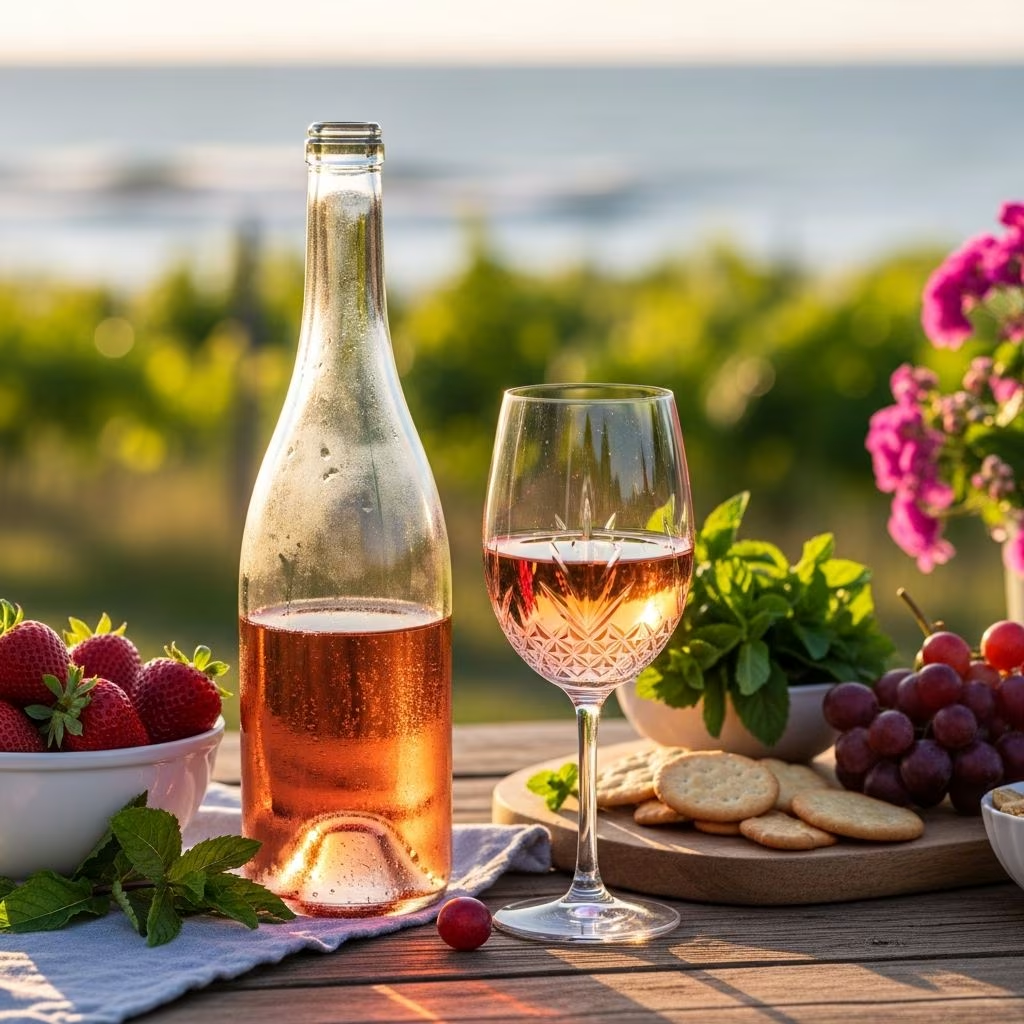
Proper temperature management significantly impacts rosé wine quality and enjoyment. Rosé should be served chilled, with the ideal range falling between 7 to 13 degrees Celsius, or 45 to 55 degrees Fahrenheit. This temperature window balances the wine’s refreshing characteristics while preserving its aromatic complexity. Alternative guidance suggests temperatures as low as 4°C (39.2°F) to 10°C (50°F), with the specific choice depending on personal preference and the wine’s particular style.
Preparation matters as much as final serving temperature. Rosé wines should be removed from refrigeration approximately 20 minutes before serving to allow the wine to reach optimal drinking temperature. Once the bottle is opened, maintaining proper temperature becomes critical. Store open bottles in an ice bucket, treating them similarly to white wine rather than red varieties.
Understanding proper storage extends the enjoyment window for bottled rosé. The optimal drinking window for rosé wine begins immediately after bottling and remains ideal through the first year after release. While some quality rosé can age up to three years, the freshest expressions typically demonstrate superior character and vibrancy. For maximum enjoyment, purchase rosé wines close to their release date and consume within 12 months of purchase.
Selecting the Appropriate Glassware
Glassware selection influences both the aromatic experience and temperature retention of rosé wine. Tulip-shaped glasses represent the optimal choice for rosé service, as their design concentrates aromatic compounds while directing wine toward optimal palate positions. The tulip shape’s gradual expansion from base to bowl facilitates proper wine aeration and aromatic appreciation.
Stemless wine glass variants offer practical advantages, particularly in warm-weather settings. The absence of a stem eliminates the thermal bridge that can warm wine when held conventionally. Stemless glasses maintain colder temperatures longer during outdoor entertaining, a significant advantage during summer months. Whether selecting traditional stemmed or contemporary stemless options, ensure glasses are chilled before pouring to maximize the refreshing sensation.
Food Pairing Strategies for Summer
Rosé wine’s versatility extends to food pairing applications, making it exceptionally valuable for warm-weather entertaining. The wine’s acidity and flavor profile align naturally with seasonal produce and summer preparations. Consider these pairing approaches:
- Seafood and Lighter Preparations: Rosé’s crisp acidity complements oysters, light fish preparations, and sushi beautifully. Dry Provençal styles particularly enhance these delicate protein expressions without overwhelming subtle flavors.
- Acidic Summer Produce: Seasonal vegetables including corn, tomatoes, and strawberries contain natural acidity. Still rosés, typically possessing slightly lower acidity than certain alternatives, balance these high-acid ingredients effectively without creating unpleasant clashing sensations.
- Casual Outdoor Fare: Fresh salads, grilled vegetables, and lighter meat preparations pair wonderfully with fruit-forward rosé expressions. The wine’s approachable nature complements relaxed dining settings.
- Charcuterie and Cheese Boards: Rosé’s versatility shines when paired with cured meats and varied cheese selections, making it an ideal choice for entertaining gatherings.
Serving Rosé in Different Entertaining Contexts
Summer entertaining encompasses diverse settings, each requiring slightly different approaches to rosé service. For formal outdoor dinner parties, prioritize premium dry rosé selections in appropriate glassware. Prepare an ice bucket system to maintain temperature throughout the meal, refilling as necessary. For casual poolside gatherings, fruit-forward rosés in stemless glasses or even casual containers prove more appropriate and practical.
Beach outings benefit from portable rosé solutions that remain chilled throughout the day. Investing in quality insulated containers ensures wine remains at proper temperature despite ambient conditions. Picnic settings similarly benefit from practical temperature maintenance strategies, allowing the wine to remain enjoyable from arrival through departure.
Rosé Wine Selection Framework
Navigating the rapidly expanding rosé market requires a systematic approach. Begin by considering desired flavor intensity—from crisp and mineral-driven to fruity and aromatic expressions. Regional origin provides valuable guidance: Provençal rosés typically deliver dry, mineral characteristics, while California selections often emphasize fruit-forward profiles.
Price point considerations need not limit enjoyment. Quality rosé exists across all price ranges, with summer-appropriate selections available at virtually every spending level. Focus on recent vintages, as fresher wines better capture the vibrant characteristics that make rosé so compelling during warmer months.
Frequently Asked Questions About Rosé Wine
Is rosé wine always sweet?
No. While some rosé selections contain residual sugar, many quality rosés are bone-dry. The perception of sweetness sometimes derives from fruit-forward aromatics rather than actual sugar content. Reading back labels or consulting with knowledgeable wine merchants clarifies the specific wine’s residual sugar level.
Can rosé wine age?
Most rosé wines are designed for immediate consumption rather than extended cellaring. While some premium rosés may age up to three years, the majority demonstrate optimal characteristics within one year of bottling. For maximum freshness and vibrancy, consume rosé wines within 12 months of release.
What temperature is too cold for rosé?
Serving rosé excessively cold (below 4°C) numbs the palate and masks aromatic complexity. The ideal temperature range balances refreshment with flavor preservation. If wine seems overly cold, allow it to warm slightly in the glass before sipping.
How long does rosé remain fresh after opening?
An open bottle of rosé maintains quality for three to five days when properly stored in refrigeration with a sealed cork or stopper. Keeping the bottle in an ice bucket further extends freshness by maintaining consistent cold temperatures.
What distinguishes rosé from red wine?
The production process represents the fundamental distinction. Red wines ferment with skins throughout the process, developing deeper color and more tannins. Rosé involves brief skin contact—typically two to three days—before the skins are removed, resulting in lighter color and crisper characteristics.
Building Your Summer Rosé Collection
Creating a diverse rosé selection ensures options for various occasions and preferences. Include at least one dry Provençal expression for food-pairing situations, a fruit-forward California option for casual entertaining, and perhaps an aromatic selection for leisurely sipping. This varied approach accommodates different guest preferences while demonstrating wine appreciation depth.
Rosé wine represents one of summer’s genuine pleasures—refreshing, versatile, and eminently social. By understanding production methods, selecting appropriate styles, serving at optimal temperatures, and considering thoughtful food pairings, you elevate casual summer gatherings into memorable experiences. Whether enjoying rosé during elegant dinner parties or poolside celebrations, the principles outlined above ensure consistently excellent results throughout the warmest months.
References
- A Complete Guide to Drinking Rosé this Summer — Luigi Bormioli USA. Accessed 2026. https://luigibormioliusa.com/blogs/blog/a-complete-guide-to-drinking-rose-this-summer
- Rosé Season Is Coming! Here’s What to Sip First — Winc. Accessed 2026. https://www.winc.com/blogs/the-winc-blog/best-rose-wines-for-summer
- Think Pink: Your Summer Rosé Guide — Ari Bendersky. 2025. https://aribendersky.substack.com/p/2025-rose-wines
- The Essential Guide to Rosé: An Underrated Wine Style to Know and Love — Coravin. Accessed 2026. https://www.coravin.dk/blogs/community/wine-101-the-essential-guide-to-rose-an-underrated-wine-style-to-know-and-love
- A Summer Guide to Rosé — DuJour Magazine. Accessed 2026. https://dujour.com/life/rose-wine-guide-tips-pairings/