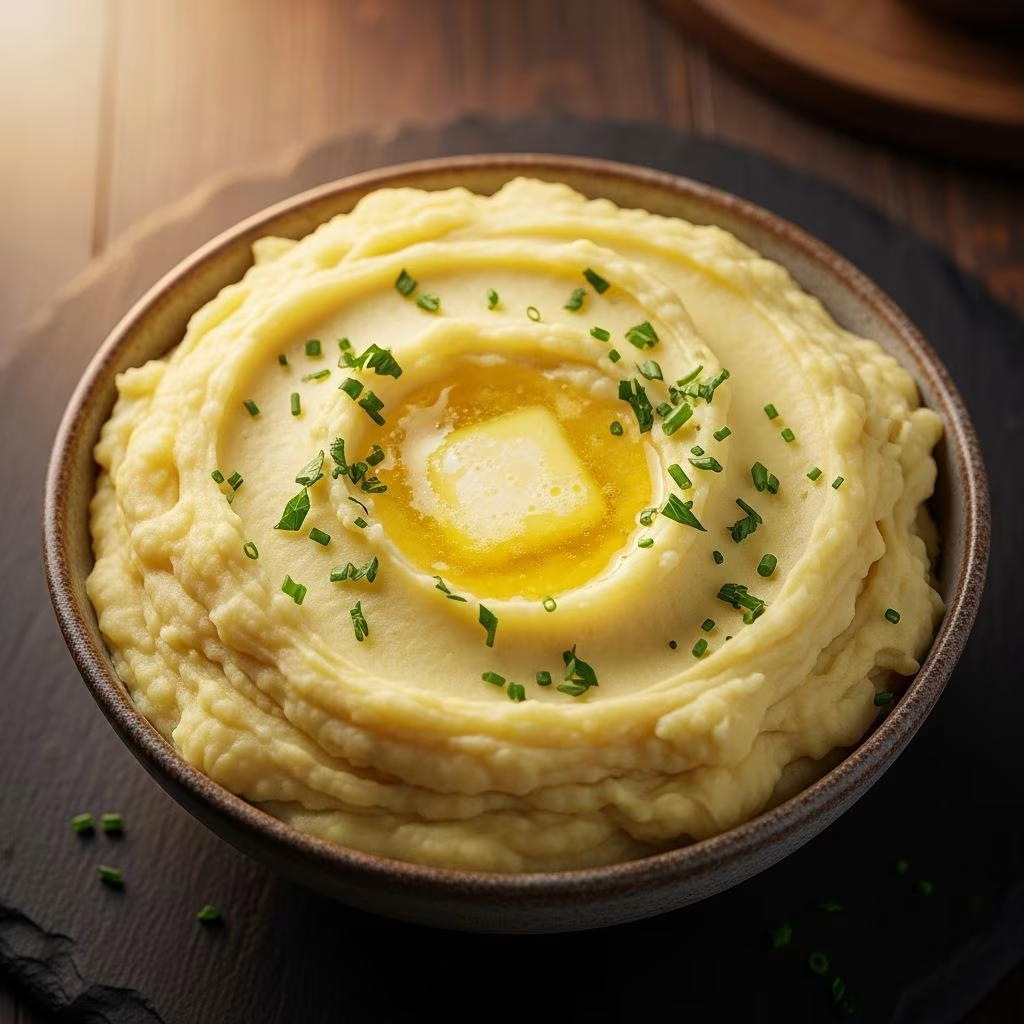
Perfect mashed potatoes are a cornerstone of comfort food, transforming simple ingredients into a luxurious side dish that elevates any meal. This guide explores everything from selecting the best potatoes to advanced mashing techniques, ensuring fluffy, creamy results with just the right amount of texture.
Why Mashed Potatoes Are Timeless Favorites
Mashed potatoes have been a beloved staple across cultures for centuries, prized for their versatility and ability to absorb flavors. Whether paired with gravy, roasted meats, or vegetables, their creamy consistency and subtle earthiness make them indispensable. The key to excellence lies in balancing starchiness for fluffiness with moisture for creaminess, avoiding common pitfalls like gumminess or lumps.
Choosing the Ideal Potatoes for Superior Texture
Not all potatoes yield the same results. Starchy varieties like Russets break down easily, creating light, airy mashes, while waxy types such as Yukon Golds hold shape for a denser, creamier bite. For optimal results, blend both: Russets provide fluff, Yukons add richness. Avoid new or red potatoes, which can become gluey when overworked.
- Russet Potatoes: High starch content leads to fluffy texture; ideal for light mashes.
- Yukon Gold Potatoes: Buttery flavor and medium starch for smooth, velvety consistency.
- Combination Tip: Use a 50/50 mix for the best of both worlds.
Essential Tools for Flawless Mashing
Invest in quality tools to prevent overworking the potatoes, which releases excess starch and causes gumminess. A potato ricer or food mill produces the smoothest results by gently extruding cooked potatoes without crushing cell walls aggressively.
| Tool | Best For | Pros | Cons |
|---|---|---|---|
| Potato Masher | Chunky, rustic mashes | Affordable, quick | Can create lumps if not used properly |
| Potato Ricer | Smooth, lump-free mashes | Even texture, no gumminess | Requires more effort to press |
| Food Mill | Ultra-smooth professional results | Fine control over consistency | Bulkier, harder to clean |
| Hand Mixer/Blender | Avoid entirely | – | Overworks starch, leads to gluey texture |
Step-by-Step Cooking Process
Start with 2-3 pounds of peeled potatoes, cut into even 2-inch chunks for uniform cooking. Place in a large pot, cover with cold water by 1 inch, add a generous pinch of salt, and bring to a boil. Reduce to a simmer and cook 15-20 minutes until fork-tender but not falling apart. Drain thoroughly in a colander, allowing steam to escape for 1-2 minutes to remove excess moisture—this prevents watery mashes.
- Peel and cube potatoes uniformly.
- Boil in salted water from cold start for even cooking.
- Test doneness: A knife should slide in easily without resistance.
- Drain and dry-steam to evaporate moisture.
Infusing Maximum Flavor
Flavor begins with quality ingredients. Use unsalted butter and heavy cream warmed gently with garlic or herbs for depth. High-fat dairy (at least 36% for cream) melts seamlessly into hot potatoes. Season incrementally with salt and white pepper—start light, taste, and adjust. For elevation, infuse cream with roasted garlic, bay leaves, or thyme.
- Butter: European-style for higher fat content and richer taste.
- Cream: Heavy whipping cream; warm to 140°F for smooth incorporation.
- Seasonings: Salt first, then pepper; fresh chives or nutmeg for nuance.
Mashing Techniques for Perfect Consistency
Work with hot potatoes and hot liquids to maintain temperature and ensure even melting. Rice potatoes directly into a warm bowl. Add half the warm cream-butter mixture, season, and fold gently. Add more liquid gradually until desired creaminess is achieved—better to under-season initially. Aim for tender lumps, not puree, for authentic texture.
Pro Tip: Mash by hand for control; electric mixers on low speed only if necessary, stopping immediately to avoid overmixing.
Creative Flavor Variations
Elevate basics with these twists:
- Garlic Mashed: Roast 1 head garlic, blend into cream.
- Horseradish Kick: 2 tbsp prepared horseradish for zing.
- Cheesy Delight: Stir in 1 cup grated cheddar or parmesan.
- Loaded Style: Top with bacon, sour cream, and green onions.
- Sweet Potato Blend: Mix 1:1 with regular for natural sweetness.
Make-Ahead and Storage Strategies
Prepare up to 2 days ahead: Cool completely, transfer to an airtight container, and refrigerate. Reheat gently over low heat in a saucepan with a splash of cream, stirring to restore creaminess. For freezing, portion into freezer bags for up to 1 month; thaw overnight and reheat similarly. Avoid microwaving large batches to prevent uneven heating.
Troubleshooting Common Issues
Encounter problems? Here’s how to fix them:
- Gumminess: Overworked starch—use ricer next time, less liquid.
- Lumps: Insufficient mashing or cold ingredients—rice while hot.
- Watery: Excess moisture—dry-steam longer post-drain.
- Bland: Season throughout; taste at each step.
Pairing Suggestions for Every Occasion
Mashed potatoes shine with roasts, fried chicken, or vegetarian mains like mushroom gravy over lentils. For holidays, serve family-style in a volcano shape, pooling gravy in the center. Portion ¾ cup per person as a side.
Nutritional Profile and Healthier Twists
A 1-cup serving offers about 200 calories, 10g fat, 30g carbs, and 4g protein. For lighter versions, substitute half the cream with low-fat milk or Greek yogurt, or use olive oil instead of butter. Sweet potatoes boost vitamins A and C.
FAQ
Can I make mashed potatoes without peeling?
Skin-on mashes add rustic texture and nutrients but may be less smooth. Peel for classic creaminess.
How do I keep mashed potatoes warm for a crowd?
Use a slow cooker on low with a lid, stirring occasionally and adding cream if needed.
Are instant mashed potatoes worth it?
Fresh always superior in taste and texture; reserves for emergencies only.
What’s the best potato for vegan mashed potatoes?
Yukon Golds with coconut milk or cashew cream mimic dairy richness.
How long do leftovers last?
3-5 days in fridge; reheat with extra liquid to refresh.
References
- Potato Nutrition and Selection Guide — United States Department of Agriculture (USDA). 2023-05-15. https://www.ars.usda.gov/northeast-area/beltsville-md-bhnrc/beltsville-human-nutrition-research-center/methods-and-application-of-food-composition-lab/mafcl-site-pages/potato/
- Food Science of Mashed Potatoes — Institute of Food Technologists (IFT). 2024-02-10. https://www.ift.org/news-and-publications/food-technology-magazine/issues/2024/february/columns/science-of-cooking-mashed-potatoes
- Starch Gelatinization in Cooking — Journal of Food Science (Wiley). 2022-08-01. https://doi.org/10.1111/1750-3841.16245
- Professional Culinary Techniques — Culinary Institute of America (CIA). 2025-01-20. https://www.ciachef.edu/recipe/mashed-potatoes/
- Dairy Fat Emulsification — American Dairy Science Association. 2023-11-12. https://www.journalofdairyscience.org/article/S0022-0302(23)00789-4/fulltext