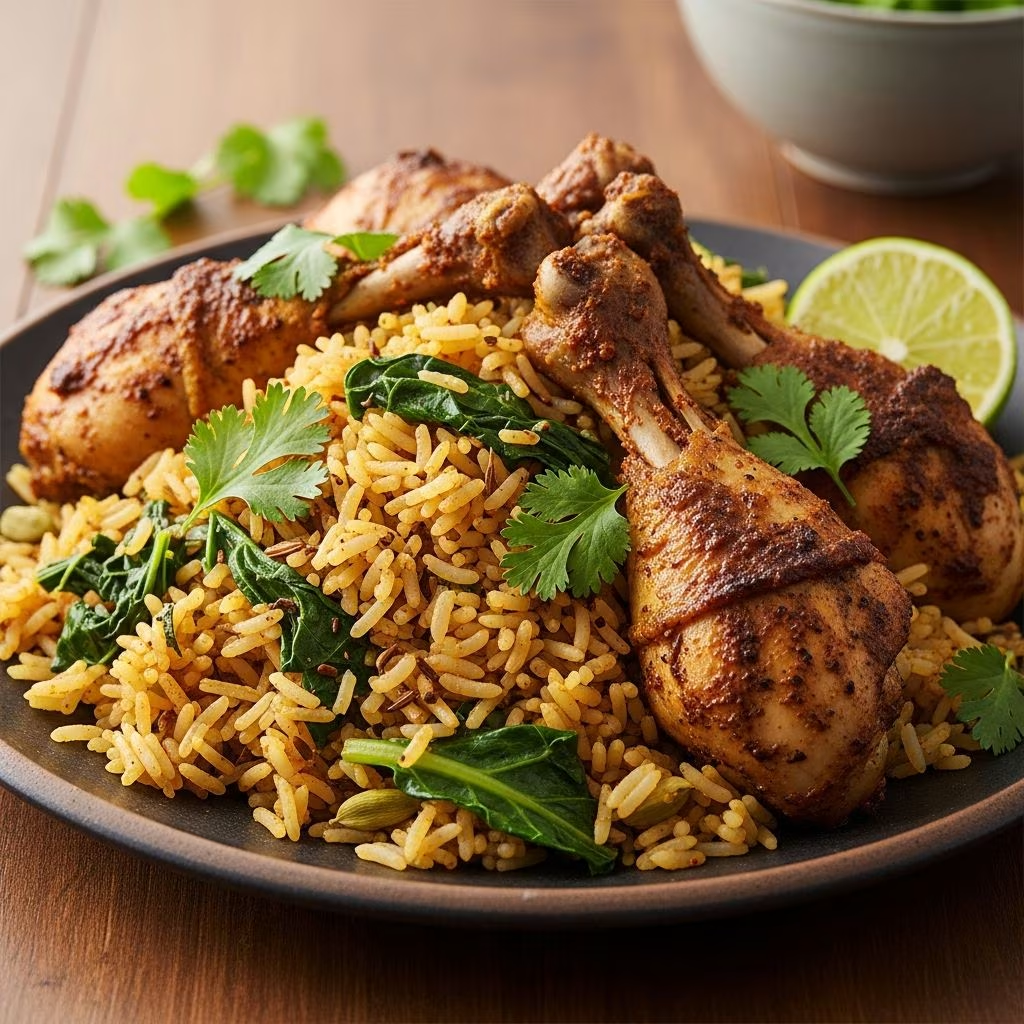
East African culinary traditions showcase a remarkable blend of aromatic spices, fresh vegetables, and carefully prepared proteins that reflect centuries of trade and cultural exchange across the Indian Ocean. One of the most beloved dishes in this cuisine combines fluffy basmati rice with nutrient-dense greens and protein-rich chicken, creating a harmonious meal that satisfies both the palate and the body. This comprehensive guide explores the nuances of preparing this classic dish, from ingredient selection through final plating.
Understanding the Dish’s Cultural Significance
The combination of rice with vegetables holds special importance in East African food culture, representing both everyday sustenance and celebration-worthy fare. When elevated with the addition of marinated chicken and sophisticated spice combinations, this humble foundation transforms into an impressive centerpiece that graces tables from intimate family gatherings to formal dining occasions. The layering technique employed in this preparation draws inspiration from broader Indian Ocean culinary traditions, creating a dish that honors multiple cultural influences while maintaining its own distinct character.
Selecting Your Core Ingredients
Understanding Rice Quality and Varieties
The foundation of this dish rests upon choosing high-quality basmati rice, a long-grain variety prized for its delicate fragrance and elongated structure when cooked properly. Premium varieties like Shahzada represent superior options that maintain individual grain integrity throughout the cooking process, resisting the tendency to become mushy or clumped. The grain length matters considerably—longer grains typically cook more evenly and absorb flavoring agents more effectively. Before cooking, rinsing the rice removes excess starch that could compromise texture, resulting in a final product with superior separation between grains.
Selecting Leafy Greens
The vegetable component traditionally encompasses sturdy leafy greens capable of withstanding cooking heat without dissolving into an unappetizing mush. Popular choices include Swiss chard with its mild earthiness and substantial texture, kale with its robust flavor and nutritional density, or tender spinach for a lighter option. Baby spinach presents the advantage of requiring minimal preparation—no stem removal or cutting necessary—while maintaining adequate structure during cooking. The volume of greens appears deceptively large when raw but reduces substantially once heat begins breaking down cellular walls, allowing for generous quantities without overwhelming the final dish.
Choosing Chicken and Dairy Components
Boneless, skinless chicken thighs outperform breast meat in this preparation, offering superior moisture retention and richer flavor despite containing slightly more fat. Thighs remain tender even with slightly extended cooking times, whereas breast meat risks becoming dry and stringy. The yogurt marinade serves multiple functions—tenderizing the protein through enzymatic action, introducing cooling dairy notes, and adding subtle tangy undertones. Standard whole-milk yogurt works best rather than Greek varieties, which possess concentrated texture unsuitable for creating the desired marinade consistency.
The Aromatic Foundation and Spice Profile
Success in this dish depends heavily on proper aromatic preparation and spice balance. Fresh ginger, minced finely into paste-like consistency, releases essential oils crucial for building flavor depth. Garlic, similarly prepared through either fine grating or mechanical pressing, contributes pungent notes that mellow during cooking into subtle background complexity. Ground turmeric provides both color and earthy warmth, coriander adds gentle citrus undertones, and cumin brings grounding nuttiness. Kashmiri chile powder offers mild heat with beautiful color contribution, though cayenne pepper serves as a more fiery alternative for heat-seekers.
Step-by-Step Preparation Methodology
Creating the Chicken Marinade
Begin by combining yogurt with half the minced ginger, half the pressed garlic, turmeric, salt, and black pepper. This mixture creates an enzymatic environment that begins breaking down chicken protein immediately upon contact. The marinating duration need not exceed several hours, though overnight marinating develops deeper flavor penetration. The yogurt coating should completely envelop each piece of chicken, requiring gentle mixing to distribute evenly without breaking delicate fibers.
Building Caramelized Onion Complexity
While the chicken marinates, begin the patient process of developing deep onion color through medium to medium-high heat. Thinly sliced yellow onion, when sprinkled with salt, releases moisture that promotes even browning and accelerates caramelization. Regular stirring prevents scorching while encouraging the breakdown of natural sugars into complex caramel compounds. This process typically requires ten to fifteen minutes and cannot be rushed—attempting higher heat risks burning the exterior while leaving the interior undercooked. The finished onions should appear deeply browned with crispy, frizzled edges, delivering concentrated sweetness and savory depth.
Cooking the Marinated Chicken
Using the same skillet, heat fresh olive oil and work with chicken pieces in batches if necessary to avoid overcrowding, which prevents proper browning. The first side typically requires approximately five minutes to achieve golden-brown exterior development, while the second side needs roughly four minutes. The chicken need not cook completely at this stage—residual heat during subsequent steps will finish the cooking process. Reserve the flavorful oil coating the pan bottom, as this foundation will anchor the tomato curry sauce.
Developing the Tomato Curry Sauce
Into the reserved oil, add double-concentrated tomato paste along with remaining garlic, spices, and salt. The paste requires caramelization—cooking over medium to medium-high heat while stirring frequently until the color darkens noticeably, typically five minutes. This step concentrates flavors through reduction and maillard reactions. Add water to create a sauce consistency, bring to simmer, and allow fifteen to twenty minutes for flavors to meld and sauce to thicken naturally. Return the partially cooked chicken, coat thoroughly in sauce, and set aside with a covering to maintain warmth.
Cooking the Rice and Greens
Drain the rinsed rice and add to a large pot of generously salted boiling water. Unlike the traditional covered-pot method, boiling the rice in ample water prevents sticking and promotes even cooking over approximately ten to fifteen minutes. The rice should reach tender consistency with grains remaining separate rather than compacted. Drain completely and return to the pot, then stir in the sliced greens. Continue cooking just one to three minutes longer—sufficient time for heat to wilt greens while preserving their bright color. Allow the drained rice mixture to rest undisturbed for ten minutes, permitting moisture to evaporate through gentle steam action, resulting in fluffier texture.
Assembly and Presentation Techniques
The traditional serving method involves creating visual appeal through layering and thoughtful arrangement. Begin with the rice and greens mixture as the base, creating a bed that fills the serving plate or bowl. Top with the spiced chicken pieces, ensuring generous sauce distribution. The sauce coating becomes an essential component, adding moisture and visual luster.
Creating Pickled Onion Garnish
Thinly sliced fresh onion combined with fresh lemon juice creates a bright, acidic garnish called kachumbar that provides textural contrast and palate cleansing. The acidity cuts through the richness of yogurt and oil while adding sharp, refreshing notes. Sliced green Thai chilies or jalapeño pepper provide heat according to preference, with seeds removed for mild heat or included for substantial spiciness. Diced tomatoes—preferably cherry or Campari varieties—add color and subtle sweetness.
Yogurt Accompaniment
A dollop of creamy salted yogurt served alongside or atop each portion adds cooling dairy notes, providing balance to the spiced heat and aromatic complexity. The yogurt serves simultaneously as sauce component and palate reset element, inviting continued enjoyment of the flavorful main components.
Cooking Techniques and Professional Tips
| Component | Critical Technique | Time Guide |
|---|---|---|
| Caramelized Onions | Medium heat with frequent stirring | 10-15 minutes |
| Chicken Browning | Adequate oil temperature, avoid crowding | 9 minutes total |
| Tomato Paste Caramelization | Constant stirring over medium-high heat | 5 minutes |
| Sauce Development | Gentle simmer with occasional stirring | 10-12 minutes |
| Rice Boiling | Abundant salted water, no lid | 10-15 minutes |
| Greens Wilting | Brief cooking immediately after draining rice | 1-3 minutes |
Ingredient Quality Considerations
Salt variety impacts seasoning distribution and final texture. Diamond Crystal kosher salt, with its hollow crystal structure, provides more surface area and disperses more evenly than denser Morton salt. When substituting, remember that Morton salt carries approximately fifty percent more sodium by volume, requiring proportional adjustment. Olive oil quality affects final flavor—extra-virgin varieties impart fruity, grassy notes that complement the spiced chicken, though regular olive oil serves adequately if premium options prove unavailable.
Frequently Asked Questions
Can I prepare this dish in advance?
The chicken benefits from marinating several hours or overnight, developing deeper flavor. The tomato sauce can be prepared entirely in advance and reheated gently before serving. Rice preparation should occur closer to serving time, as refrigerated rice becomes dense and heavy. However, leftover cooked rice can be reheated by steaming or brief stovetop warming with a splash of water.
What alternatives exist for the greens component?
Beyond the traditional varieties mentioned, collard greens, mustard greens, or even tender kale varieties work successfully. Avoid delicate greens like arugula or mesclun, which wilt to textural unpleasantness. The choice allows for seasonal adaptation and personal preference, as long as the greens maintain substance during brief cooking.
How do I adjust heat levels?
Heat intensity can be controlled through chile pepper selection and quantity. Kashmiri chile powder offers visual appeal with mild heat, while cayenne pepper delivers substantial spice. Alternatively, omit these ingredients entirely for those preferring milder preparations, or increase quantities for significant heat.
Can vegetarian versions be prepared?
Absolutely—substitute chicken with protein-rich alternatives such as chickpeas, lentils, or paneer cheese. Marinate plant-based proteins similarly to develop flavor complexity. The vegetable and spice components remain unchanged, maintaining the dish’s essential character while accommodating dietary preferences.
What cooking vessels work best?
Heavy-bottomed stainless steel or enameled cast iron cookware distributes heat evenly, preventing scorching and promoting uniform flavor development. Non-stick skillets work adequately for browning chicken, though stainless steel or cast iron provides superior browning capability through higher heat retention and superior crust development.
Serving Suggestions and Pairing Ideas
This complete one-pot meal requires minimal accompaniment, though flatbreads such as naan or roti complement beautifully by providing textural contrast and serving as sauce-scooping vehicles. Beverages ranging from cooling lassi to light white wines balance the spiced intensity. Accompaniments might include additional yogurt sauce, fresh salad, or pickled vegetables for those preferring heightened acidity and contrast.
References
- The Brook Cook — Wali Ya Mboga. 2022-03-29. https://thebrookcook.wordpress.com/2022/03/29/wali-ya-mboga/