Meat pies represent one of the most beloved comfort foods across numerous culinary traditions, offering a perfect combination of flaky pastry and savory, satisfying filling. Whether you’re preparing them for family gatherings, casual weeknight dinners, or special celebrations, understanding the fundamentals of meat pie preparation will elevate your cooking skills and impress your guests. This comprehensive guide explores everything you need to know about creating authentic meat pies from scratch.
Understanding the Foundation: What Makes an Exceptional Meat Pie
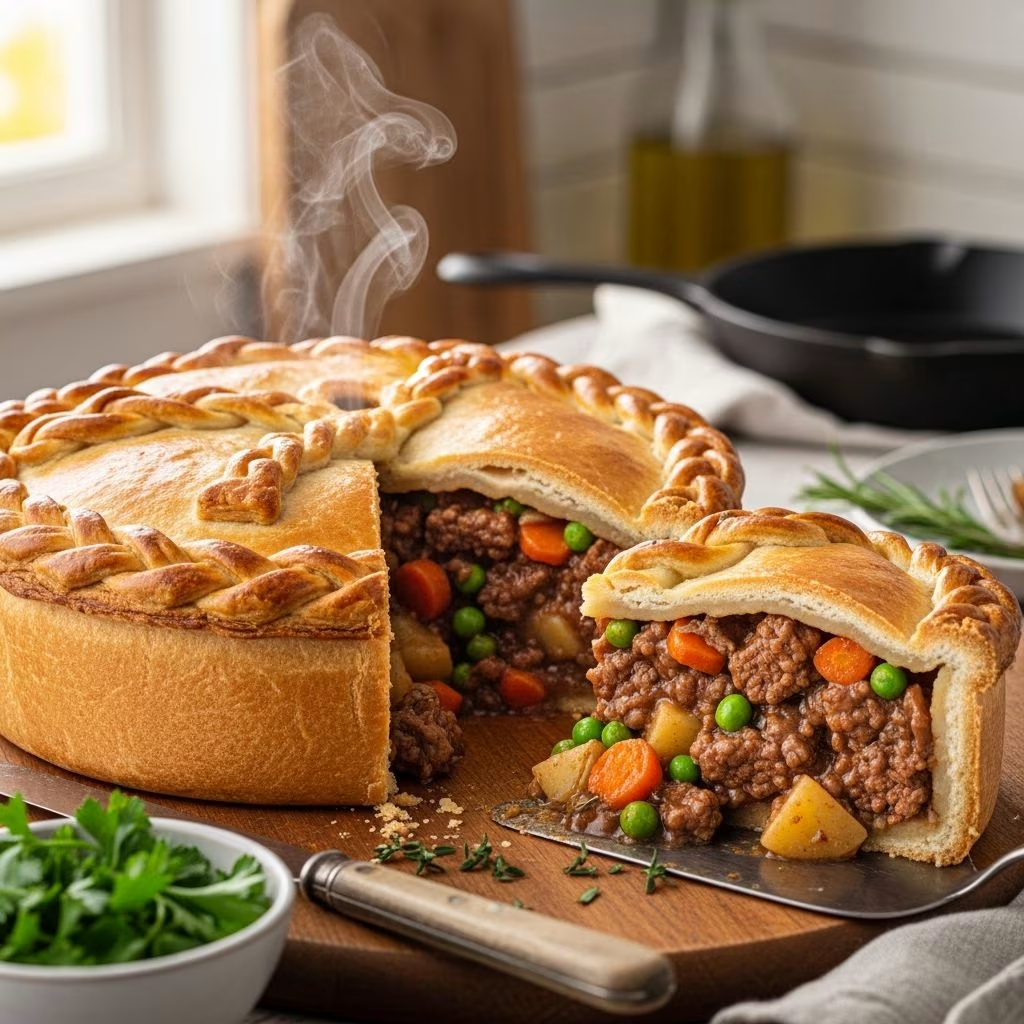
A truly outstanding meat pie consists of two essential components working in harmony: a tender, flaky pastry exterior and a richly seasoned, well-textured filling. The pastry serves as both a protective shell and an edible container, while the filling delivers the complex flavors and satisfying substance that define the dish. The interplay between these elements creates the perfect balance of textures and tastes that makes meat pies so universally appealing.
The beauty of meat pie preparation lies in its flexibility. Home cooks can experiment with different meat selections, vegetable additions, and flavor profiles while maintaining the core structure that makes these pies recognizable and delicious. Understanding these fundamentals allows you to adapt recipes to your preferences and dietary requirements.
Selecting Your Protein: Exploring Meat Options
While traditional meat pies often feature a single protein source, modern interpretations encourage creative combinations that enhance flavor complexity. The choice of meat significantly impacts the final result’s texture, taste, and overall character.
Ground Meat Applications
Ground beef serves as the most accessible and versatile option for meat pie fillings. Its fine texture distributes evenly throughout the filling mixture, creating a cohesive consistency that holds together well within the pastry casing. Ground beef works particularly well in handheld or individual-sized pies where structural integrity matters. For enhanced depth, consider combining ground beef with ground pork, which introduces a subtle richness and slightly different flavor dimension that complements beef beautifully.
Chunky Beef Selections
For those seeking a more substantial, rustic experience, larger cuts of beef prepared in chunks offer superior texture and visual appeal. Chuck steak, beef brisket, and other suitable stewing cuts develop remarkable tenderness when slow-cooked properly. These hearty pieces create an impressive presentation and provide a more authentic, traditional meat pie experience. The slow-cooking process allows these tougher cuts to break down into fall-apart tenderness, creating incredibly satisfying bites.
Alternative and Combination Proteins
Lamb works exceptionally well in meat pies, offering a distinctive flavor profile that sets it apart from beef-based versions. Mixed meat preparations using beef and pork create a balanced flavor that appeals to diverse palates. Some regional traditions incorporate additional proteins like venison or game meats, demonstrating the adaptability of the meat pie format.
Building Flavor: Essential Filling Components
Creating a truly flavorful meat pie filling requires careful attention to aromatics, seasonings, and complementary ingredients that work together to create depth and complexity.
Aromatics and Vegetables
Onions form the aromatic foundation of nearly every meat pie filling, providing sweetness and depth when properly caramelized. Yellow onions contribute subtle sweetness, while white onions offer a more neutral base. Bell peppers add brightness and subtle sweetness, while celery provides earthy undertones that enhance the overall flavor profile. Garlic, added after initial cooking to prevent burning, delivers pungent aromatic notes that characterize exceptional meat pies. The quality and fineness of vegetable chopping directly impacts the final texture—smaller pieces distribute more evenly and create a more cohesive filling.
Seasoning Strategies
Salt and pepper form the basic seasoning foundation, but exceptional meat pies incorporate layered flavors through additional seasonings. Paprika contributes subtle smokiness and visual appeal, while red pepper flakes add gentle heat for those preferring spiced versions. Worcestershire sauce delivers umami depth and complex savory notes that significantly enhance overall flavor. Bay leaves, thyme, and other fresh or dried herbs introduce sophisticated flavor dimensions when incorporated thoughtfully.
Binding Agents and Thickeners
Flour serves as a traditional thickening agent, creating the proper consistency for pie filling. When combined with milk or stock, flour creates a gravy-like sauce that coats the meat and vegetables while maintaining structural integrity during baking. Cornstarch offers an alternative thickening option, particularly useful in recipes featuring liquid ingredients like beer or wine. The proper consistency prevents filling from leaking through pastry while maintaining moisture and preventing dryness.
Liquid Components: Creating Rich, Flavorful Sauces
The liquid component transforms individual ingredients into a cohesive, flavorful filling that clings to meat and vegetables while providing essential moisture.
Traditional Stock-Based Fillings
Beef stock provides the classic liquid foundation for meat pie fillings, offering rich beef flavor that complements the protein and enhances the savory character. Quality stock, whether homemade or purchased, significantly impacts the final result. The proper ratio of stock to other ingredients creates a sauce that’s neither too thin nor too thick.
Beer and Wine Enhancements
Dark beers like Guinness introduce remarkable depth and richness to meat pie fillings. The beer’s slight bitterness and complex flavor profile create a sophisticated sauce that distinguishes your pies from basic preparations. Pale ales and stouts offer alternative options with varying flavor characteristics. Red wine similarly enhances filling complexity, adding subtle acidity and depth. These liquid additions create visible darkening of the sauce, contributing to the appealing appearance of the finished pie.
Cooking Techniques: From Preparation to Completion
Proper cooking methodology ensures that all ingredients develop their full potential while creating the ideal texture and consistency for a successful meat pie.
Initial Meat Preparation
Browning ground meat in a hot skillet creates a flavorful crust through the Maillard reaction, developing complex tastes that form the filling’s flavor foundation. Medium heat allows complete cooking without excessive browning that might create burnt flavors. Draining excess grease after cooking prevents an overly rich, greasy filling that detracts from the final result.
Vegetable Development
Sautéing aromatics and vegetables before adding meat builds flavor layers and ensures even cooking. This preliminary cooking softens vegetables and releases their essential oils, creating a more flavorful base. For chunky beef preparations, browning vegetables before adding stock creates additional depth through caramelization.
Sauce Assembly and Cooking
Combining meat and vegetables with thickening agents and liquid creates the final sauce. Proper stirring ensures even distribution of flour and consistent thickening throughout the mixture. Cooking until the sauce reaches the desired consistency—typically 1-2 minutes—prevents over-thickening while ensuring the flour cooks properly. For slow-cooked versions, extended gentle simmering allows flavors to meld and meat to become exceptionally tender.
Pastry Considerations: Selecting the Right Crust
The pastry component dramatically impacts both the eating experience and the finished pie’s appearance. Different pastry options serve different purposes and aesthetic goals.
Shortcrust Pastry
Shortcrust pastry, with its buttery, crumbly texture, works beautifully as a pie base. This pastry’s structure provides excellent support for filling while offering a tender, flaky eating experience. Shortcrust works particularly well for larger family-size pies where a sturdy base prevents soggy bottoms.
Puff Pastry Applications
Puff pastry creates impressive, flaky tops that rise dramatically during baking, delivering visual drama and luxurious texture. Its laminated layers provide superior flakiness and a more refined presentation. Puff pastry works excellently as a pie topper, creating contrast with the denser filling below.
Combination Approaches
Many traditional recipes combine shortcrust base with puff pastry top, creating optimal structure and visual appeal. This two-crust approach provides the sturdiness needed for filling support while delivering the impressive presentation and flaky texture of puff pastry.
Assembly and Baking Guidance
- Cool filling to room temperature before assembly to prevent pastry from becoming greasy and facilitate better sealing
- Fill pastry shells to appropriate levels—full enough for satisfying filling but leaving space for pastry expansion and crimping
- Seal edges thoroughly using fork tines or crimping techniques to prevent filling leakage during baking
- Apply egg wash to pastry surface for golden-brown color and professional appearance
- Create steam vents in top crust to allow moisture escape and prevent pastry from becoming soggy
- Bake at temperatures typically between 375-425°F depending on pie size and pastry type
- Monitor baking progress, covering pastry with foil if browning too quickly
Recipe Variations: Exploring Creative Possibilities
Vegetable Enhancements
Mushrooms add earthy depth and textural complexity to any meat pie filling. Finely diced mushrooms distribute evenly throughout while contributing subtle umami notes that enhance the savory character. Corn, peas, and other vegetables introduce color, sweetness, and nutritional variety without fundamentally altering the pie’s essential character.
Spiced and International Variations
Adjusting seasonings allows you to create regionally-inspired variations. Indian-spiced versions might incorporate curry powder and ginger, while Mediterranean versions feature oregano, rosemary, and possibly feta cheese. Caribbean-inspired versions could include cinnamon and other warm spices characteristic of that culinary tradition.
Dietary Adaptations
Substituting ground turkey or chicken creates lighter variations while maintaining the essential meat pie format. Vegetarian versions using lentils, mushrooms, and beans satisfy plant-based preferences while delivering satisfying, hearty results.
Storage and Make-Ahead Strategies
Meat pies offer excellent make-ahead potential, allowing you to prepare components in advance or freeze completed pies for later enjoyment. Prepared filling stores refrigerated for several days, while fully assembled but unbaked pies freeze successfully for weeks. Baked pies maintain quality refrigerated for several days and can be reheated gently to restore quality and temperature.
Frequently Asked Questions
Can I make meat pie filling the day before?
Yes, prepared filling stores well refrigerated for up to three days, allowing convenient make-ahead preparation. The flavors often develop and improve as they meld overnight. Allow filling to cool completely before refrigerating, and reheat gently before assembly.
What’s the best way to prevent a soggy bottom crust?
Using shortcrust pastry as a base provides superior protection against sogginess. Allow filling to cool before assembly, as warm filling creates steam that softens pastry. Some cooks brush pastry with egg wash or melted butter before adding filling for additional protection.
How do I know when my meat pie is done baking?
The pastry should achieve golden-brown color throughout, indicating proper baking temperature and time. A filling thermometer inserted into the center should register 165°F for food safety. Filling should appear bubbling at edges if any steam vents remain visible.
Can frozen meat pies be baked without thawing?
Frozen pies require extended baking time, typically 25-50% longer depending on size and filling composition. Cover pastry with foil if browning too quickly before filling heats through. Ensure internal temperature reaches 165°F before serving.
What beverages pair well with meat pies?
If beer was incorporated into the filling, serving the same beer style complements beautifully. Ale, stout, and other craft beers pair excellently with savory meat pies. Wine options include red wines with similar flavor profiles to any wine in the filling, or crisp white wines for contrast.
References
- Meat Pies – Simply Scratch Made — Simply Scratch Made. Retrieved April 2026. https://simplyscratchmade.com/meat-pies/
- Classic Meat Pie recipe with step-by-step photos — Eat, Little Bird. Retrieved April 2026. https://eatlittlebird.com/beef-onion-guinness-pie/
- Ground Beef Meat Pies – The Speckled Palate — The Speckled Palate. Retrieved April 2026. https://www.thespeckledpalate.com/ground-beef-meat-pies/
- Meat Pie Recipe | The Modern Proper — The Modern Proper. Retrieved April 2026. https://themodernproper.com/meat-pie
- Family Meat Pie – RecipeTin Eats — RecipeTin Eats. Retrieved April 2026. https://www.recipetineats.com/family-meat-pie/
- Family Meat Pie – RecipeTin Eats — RecipeTin Eats. Retrieved April 2026. https://www.recipetineats.com/family-meat-pie/