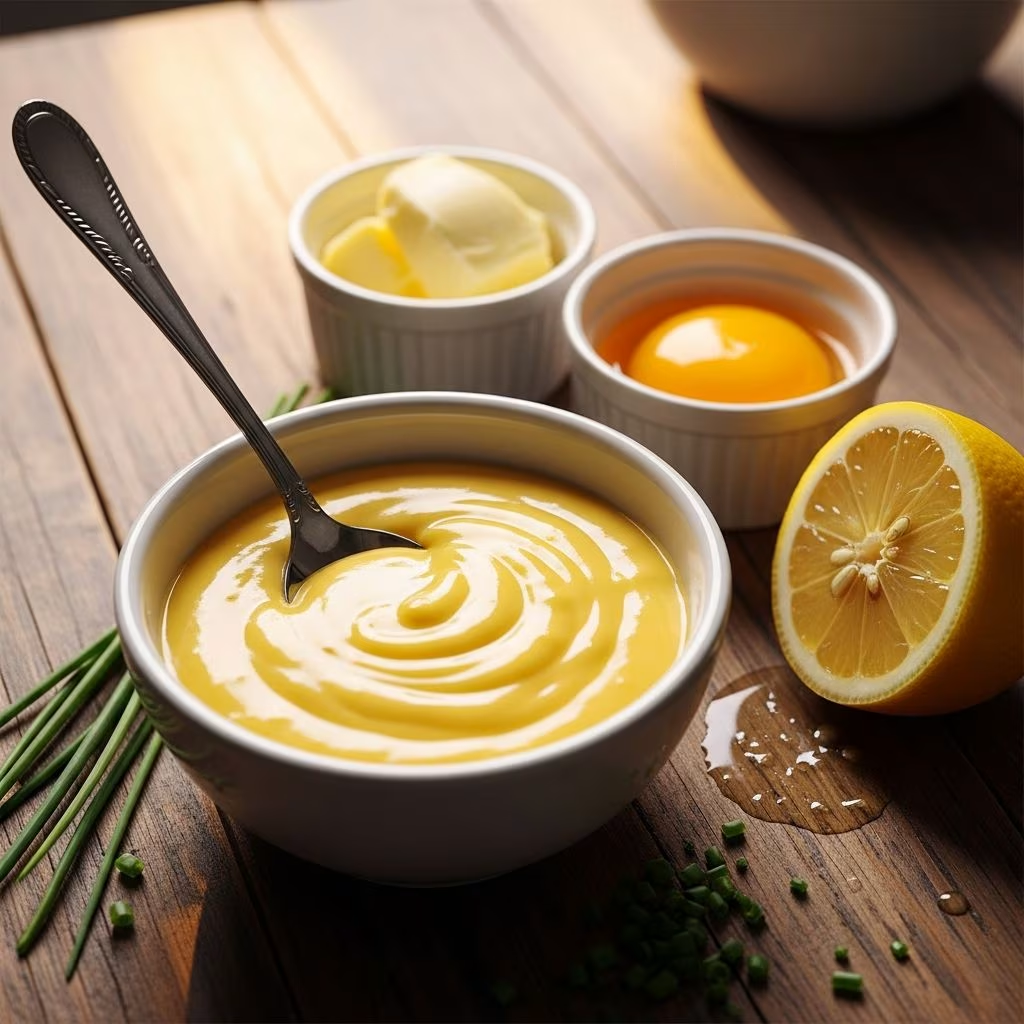
Hollandaise sauce represents one of the fundamental techniques in classical French cuisine, known for its luxurious, velvety texture and rich butter flavor. This emulsified sauce has become a staple at brunch tables worldwide, adorning everything from eggs Benedict to roasted vegetables. While many home cooks view hollandaise with intimidation, understanding the science behind emulsification and following proper technique makes creating this sauce entirely achievable. The magic lies in the careful balance of temperature, speed, and ingredient ratios.
Understanding the Foundation: Core Ingredients Explained
Hollandaise sauce relies on a surprisingly short ingredient list, yet each component serves a critical purpose in achieving the final result. The simplicity of the ingredient list contrasts sharply with the complexity of the technique required to combine them properly.
Egg Yolks: The Emulsifying Agent
Egg yolks function as the foundation of hollandaise, containing natural emulsifiers called lecithin that allow fat and water to blend together. Most recipes call for three large yolks, which provide sufficient emulsifying power to incorporate approximately half a cup of butter. The quality of eggs matters considerably; fresh, room-temperature eggs respond more predictably to whisking and heat. When selecting eggs, choose ones with vibrant, deep yellow yolks, as this indicates superior nutritional content and better emulsifying properties. Cold yolks resist whisking and may prevent proper incorporation of butter, so allowing them to reach room temperature before beginning preparation ensures optimal results.
Butter: The Primary Fat Component
Unsalted butter comprises the bulk of the sauce, contributing both richness and structure. Using unsalted butter allows precise control over the final salt content and prevents the sauce from becoming excessively salty. The temperature and condition of butter dramatically affect success; melted and heated butter incorporates more readily into the egg base, while cold butter may cause the mixture to break. Clarified butter, with its milk solids removed, creates an even smoother sauce, though traditional recipes use whole melted butter.
Lemon Juice: The Acid Component
Fresh lemon juice provides essential acidity that stabilizes the emulsion and prevents separation. The acidic environment helps egg yolks absorb and hold the fat from butter more effectively. Beyond its technical function, lemon juice contributes bright flavor that balances the richness of the sauce. Bottled lemon juice lacks the complexity of freshly squeezed juice and may produce a less vibrant final product. Approximately one tablespoon of lemon juice per three egg yolks maintains proper pH balance.
Supporting Ingredients
Dijon mustard introduces sharpness and complexity to the flavor profile, while cayenne pepper and sea salt provide finishing touches. These supporting ingredients allow customization based on personal preference and the intended application of the sauce. Water, particularly hot water, serves as an emergency adjustment tool when the sauce becomes too thick or begins to separate, helping restore proper consistency and emulsion stability.
The Double-Boiler Method: Traditional Approach
The double-boiler technique represents the classical approach to hollandaise preparation, offering gentle, controlled heat that minimizes the risk of scrambling eggs. This method requires patience and attention but produces reliably excellent results.
Step-by-Step Process
Begin by setting up your double boiler with barely simmering water in the lower pot. The upper bowl should sit stably without touching the water surface. Add three egg yolks along with one tablespoon of lemon juice and a pinch of salt to the upper bowl. Whisk vigorously and continuously over the gentle heat, monitoring the temperature carefully. The mixture should warm gradually, becoming frothy and beginning to thicken after approximately two to three minutes.
Once the mixture reaches ribbon stage—when you lift the whisk, the mixture falls in a ribbon that briefly holds its shape—begin adding melted butter in extremely slow, thin streams while maintaining constant whisking. This gradual incorporation proves critical; adding butter too quickly overwhelms the egg yolks’ emulsifying capacity and causes separation. Continue whisking as each small addition of butter integrates fully before adding more. The sauce gradually thickens, developing a pale yellow color and creamy consistency that coats the back of a spoon.
Temperature Management
Maintaining precise temperature throughout the double-boiler method prevents both under-thickening and scrambled eggs. The water should remain barely simmering rather than boiling vigorously, as vigorous heat transfers too quickly to the egg mixture. If the sauce begins appearing grainy or developing small curds, immediately remove the bowl from heat and whisk in a tablespoon of cold water or ice water to reduce temperature and restore smoothness.
The Blender Method: Modern Speed and Reliability
Contemporary home cooks frequently opt for the blender method, which dramatically reduces preparation time while improving consistency through powerful mechanical whisking. This approach has gained popularity due to its efficiency and increased success rate for home cooks unfamiliar with double-boiler technique.
Procedure and Advantages
The blender method begins by combining room-temperature egg yolks, lemon juice, Dijon mustard, salt, and cayenne pepper directly in a high-powered blender. Blend these ingredients for five to ten seconds until completely frothy and well-incorporated. Separately, melt butter in a small saucepan over medium-low heat until it reaches a temperature just shy of smoking—this elevated temperature proves essential for proper emulsification in the blender method.
With the blender running on low speed, add the hot butter in an extremely thin, steady stream rather than pouring it all at once. Begin adding butter just a few drops at a time, allowing each addition to incorporate fully before adding more. Once the sauce begins thickening and emulsifying, you can increase the butter flow slightly, though maintaining a slow, controlled stream remains important. The entire process typically completes within thirty seconds to one minute of total blending time.
Why This Method Works
The mechanical action of the blender provides consistent, vigorous whisking that might prove challenging to maintain manually. The high-speed rotation creates thousands of tiny, uniform droplets of butter suspended throughout the egg base, producing an exceptionally smooth emulsion. This mechanical consistency appeals to home cooks seeking reliable results without requiring years of culinary training.
Troubleshooting Common Problems
Even experienced cooks occasionally encounter issues with hollandaise preparation. Understanding what causes these problems and how to remedy them allows recovery in most situations.
Broken or Separated Sauce
When hollandaise separates, the emulsion breaks and the sauce appears oily or grainy rather than smooth and creamy. This occurs when butter overwhelms the egg yolks’ emulsifying capacity, typically due to adding butter too quickly or using insufficiently warm egg base. Recovery involves starting with a fresh egg yolk in a clean bowl, then slowly incorporating the broken sauce while whisking vigorously. Begin with just a few drops of the broken sauce, whisking thoroughly before gradually increasing the amount. This technique essentially re-establishes emulsion with the new egg yolk acting as a fresh emulsifying agent.
Sauce Too Thin
Occasionally hollandaise fails to thicken properly, resulting in a pourable but not-quite-coating consistency. This typically results from insufficient butter relative to egg yolks or from sauce cooling too quickly. Adding additional melted butter in very small amounts while whisking constantly can salvage overly thin sauce. Alternatively, carefully warming the sauce over a double boiler while whisking continuously may allow proper thickening to occur.
Sauce Too Thick
Conversely, sauce may become so thick it won’t pour or spread properly. Adding hot water one tablespoon at a time while whisking gently restores appropriate consistency. Some cooks add a bit of additional lemon juice along with the water, which maintains flavor balance while thinning the sauce.
Curdled or Grainy Texture
Excessive heat or too-rapid butter addition can cause the sauce to appear curdled with visible grains rather than perfectly smooth. Remove the sauce from heat immediately and whisk in ice water or cold water a teaspoon at a time until the mixture smooths out. The temperature reduction stops ongoing heat damage and allows the emulsion to stabilize.
Flavor Variations and Customizations
While classic hollandaise follows a specific formula, creative variations expand its applications and allow personalization based on intended use or personal preference.
| Variation | Modification | Best Used For |
|---|---|---|
| Béarnaise Sauce | Add reduction of vinegar, shallots, tarragon, and chervil before whisking in butter | Grilled steaks and beef dishes |
| Maltaise Sauce | Substitute blood orange juice for lemon juice, add orange zest | Asparagus and delicate vegetables |
| Mousseline Sauce | Fold in whipped cream after sauce completes | Fish, shellfish, and elegant presentations |
| Herb-Infused Version | Add fresh herbs like dill, tarragon, or chives after final seasoning | Vegetables, eggs, salmon |
Storage and Make-Ahead Strategies
Hollandaise ideally serves immediately after preparation while still warm and perfectly textured. However, situations sometimes require advance preparation or storage of leftover sauce.
Short-Term Holding
If serving within thirty minutes of preparation, hollandaise holds reasonably well in a warm location away from direct heat. Transfer the sauce to a heatproof bowl and place it over very warm (not simmering) water. Cover loosely with plastic wrap to prevent a skin from forming, though a thin skin won’t harm the sauce’s flavor. Stir occasionally to maintain even temperature throughout. This holding method works adequately for brunch service or restaurant applications where multiple plates go out within a short timeframe.
Refrigerator Storage
Prepare hollandaise as directed, then transfer to an airtight container and refrigerate. The sauce will solidify as it cools, which represents normal behavior. When ready to use, place the container in warm (not hot) water until the sauce liquefies. Alternatively, transfer the cold sauce to a heatproof bowl over barely simmering water, whisking occasionally as it warms. If the sauce seems too thick after reheating, add a small amount of warm water or lemon juice while whisking to restore proper consistency. Refrigerated hollandaise maintains quality for approximately two to three days, though best flavor and texture occur within the first day.
Frequently Asked Questions
- Can I make hollandaise ahead of time?
- Yes, hollandaise can be refrigerated for up to three days. Reheat gently over warm water, whisking in a small amount of warm water if needed to restore proper consistency.
- What’s the difference between hollandaise and béarnaise?
- Both are emulsified sauces made with egg yolks and butter. Béarnaise includes a reduction of vinegar, shallots, and tarragon, making it more herbal and complex, while hollandaise remains simpler with just lemon juice and basic seasonings.
- Why did my hollandaise break?
- Breaking occurs when butter is added too quickly or eggs aren’t warm enough. The egg yolks’ emulsifying capacity becomes overwhelmed, causing fat and liquid to separate. Recovery involves whisking the broken sauce into a fresh egg yolk very gradually.
- Can I use salted butter instead of unsalted?
- While possible, unsalted butter provides better control over final salt content. If using salted butter, reduce or eliminate the added salt from the recipe.
- Is it possible to make hollandaise without a blender or double boiler?
- You can make hollandaise in a regular saucepan over very low heat, whisking constantly. This requires considerable attention and skill but produces excellent results when executed properly. Remove from heat frequently to prevent overheating.
- What temperature should butter be for the blender method?
- Butter should be hot, just shy of smoking—approximately 160-170°F. This temperature ensures proper emulsification when streamed into the cooler egg base.
Mastering the Science Behind Emulsification
Understanding the chemistry of emulsification helps home cooks appreciate why hollandaise requires such specific technique. An emulsion is a mixture of two normally incompatible liquids—in this case, fat (butter) and water (from eggs and lemon juice). Egg yolks contain lecithin, a natural emulsifier with one end attracted to fat and the other to water. These molecules arrange themselves at the boundary between fat and water droplets, allowing the two liquids to coexist in a stable suspension.
When butter is added too quickly or to a base that isn’t warm enough, the emulsifier molecules cannot arrange themselves fast enough to surround new fat droplets. Large globs of uncoated fat combine, causing visible separation. The sauce breaks. Proper technique ensures gradual addition of fat to allow adequate emulsifier coverage of each new butter droplet, maintaining a stable suspension and creamy texture throughout.
Temperature affects emulsification by influencing both egg viscosity and emulsifier activity. Warmer eggs flow more easily and their emulsifying compounds work more efficiently. This is why recipes repeatedly stress warm egg yolks and hot butter—both factors optimize emulsifier function.
Conclusion
Hollandaise sauce transforms simple ingredients into an elegant, versatile accompaniment that elevates countless dishes. Whether using traditional double-boiler technique or modern blender methods, understanding the science and following proper procedure yields reliably excellent results. With practice and attention to the guidelines presented here, even novice cooks can master this classical French technique and bring restaurant-quality brunch to their own tables.
References
- Culinary Institute of America — The Flavor Bible. Andrews McMeel Publishing, 2008. https://www.cie.edu
- McGee, Harold — On Food and Cooking: The Science and Lore of the Kitchen. Scribner, 2004. https://www.loc.gov
- Love and Lemons — Hollandaise Sauce Recipe. Accessed April 2026. https://www.loveandlemons.com/hollandaise-sauce/