Grilling salmon presents both an opportunity and a challenge for home cooks. When executed properly, this cooking method produces a dish that is simultaneously succulent on the inside and beautifully charred on the outside. The process requires understanding key elements: temperature control, timing, ingredient selection, and proper preparation. This guide walks through the essential knowledge needed to transform raw salmon into a restaurant-quality meal at home.
Understanding Your Salmon Selection
The foundation of exceptional grilled salmon begins with selecting quality fish. Skin-on salmon fillets are preferable because the skin acts as a protective barrier, preventing the delicate flesh from drying out during cooking. The skin also provides structural integrity, making flipping easier and reducing the risk of the fillet falling apart on the grill.
When choosing between salmon varieties, consider options like king, chinook, coho, or sockeye salmon. Each variety has slightly different fat content and flavor profiles. Sockeye salmon, for instance, offers a more pronounced flavor and firmer texture, while king salmon provides a buttery richness. Select fillets that are approximately one inch thick, as this thickness ensures even cooking throughout without the exterior becoming overdone.
Look for salmon that appears moist and vibrant in color, with flesh that bounces back when lightly pressed. Avoid fillets that appear dull, have a strong fishy odor, or show signs of browning around the edges, as these indicate age or improper storage.
Essential Ingredients and Flavor Building
While grilled salmon can be prepared simply with just oil, salt, and pepper, introducing complementary flavors elevates the dish substantially. The ingredient selection depends on your preferred flavor profile and available time for preparation.
Base Components for Every Preparation
- Oil with High Heat Tolerance – Grapeseed oil works excellently due to its high smoke point, though extra virgin olive oil or avocado oil are also suitable options. These oils coat the fish evenly and prevent sticking to the grill grates.
- Sea Salt and Freshly Ground Black Pepper – These fundamental seasonings enhance the natural salmon flavor without overpowering it. Kosher salt and coarse black pepper provide superior texture compared to fine alternatives.
- Fresh Citrus – Lemon juice or zest brightens the fish and provides an acidic component that tenderizes the flesh. Fresh lemon wedges also serve as an attractive garnish.
- Fresh Garlic – Either minced fresh garlic or grated garlic cloves add aromatic depth. For convenience, jarred garlic works as a time-saving alternative.
Building a Marinade for Enhanced Flavor
A well-constructed marinade infuses salmon with complex flavors while helping to maintain moisture during cooking. Combine olive oil as the base with soy sauce for umami depth, brown sugar for subtle sweetness, and Dijon mustard for tangy complexity. Fresh herbs such as parsley and thyme add botanical notes that complement the salmon’s rich flavor.
Mix these ingredients thoroughly in a large bowl until the sugar dissolves completely. Reserve one tablespoon of the marinade separately before adding the fish, as this preserved portion can be used as a finishing glaze. The salmon should marinate for at least one hour, though up to eight hours produces deeper flavor penetration.
Pre-Grill Preparation Steps
Proper preparation before the salmon meets the grill significantly impacts the final result. Begin by patting the salmon fillets completely dry using paper towels. Moisture on the surface prevents proper browning and can cause sticking to the grill grates.
If using a marinade, place the dried salmon in a zip-lock bag or bowl with the marinade mixture. Ensure the fish is fully submerged and the marinade coats all surfaces. Cover the bowl or seal the bag, then refrigerate for the desired marinating time.
If preparing the salmon without marinating, simply brush both sides generously with oil immediately before grilling. The oil creates a protective layer and aids in browning.
Preparing Your Grill for Success
Grill preparation is as important as fish preparation. Preheat the grill to high heat between 450°F and 550°F, keeping the lid closed during preheating to ensure the grates reach adequate temperature. This high heat creates the desirable charring and browning through the Maillard reaction while sealing in moisture.
Once preheated, brush the grill grates thoroughly with a grill brush to remove any residual debris from previous cooking. This cleaning step prevents sticking and unwanted flavors from transferring to the salmon.
Oil the hot grill grates by saturating a folded kitchen towel with oil and rubbing it across the grates using long tongs. This creates a non-stick surface and prevents the delicate salmon skin from adhering to the metal.
Mastering the Cooking Process
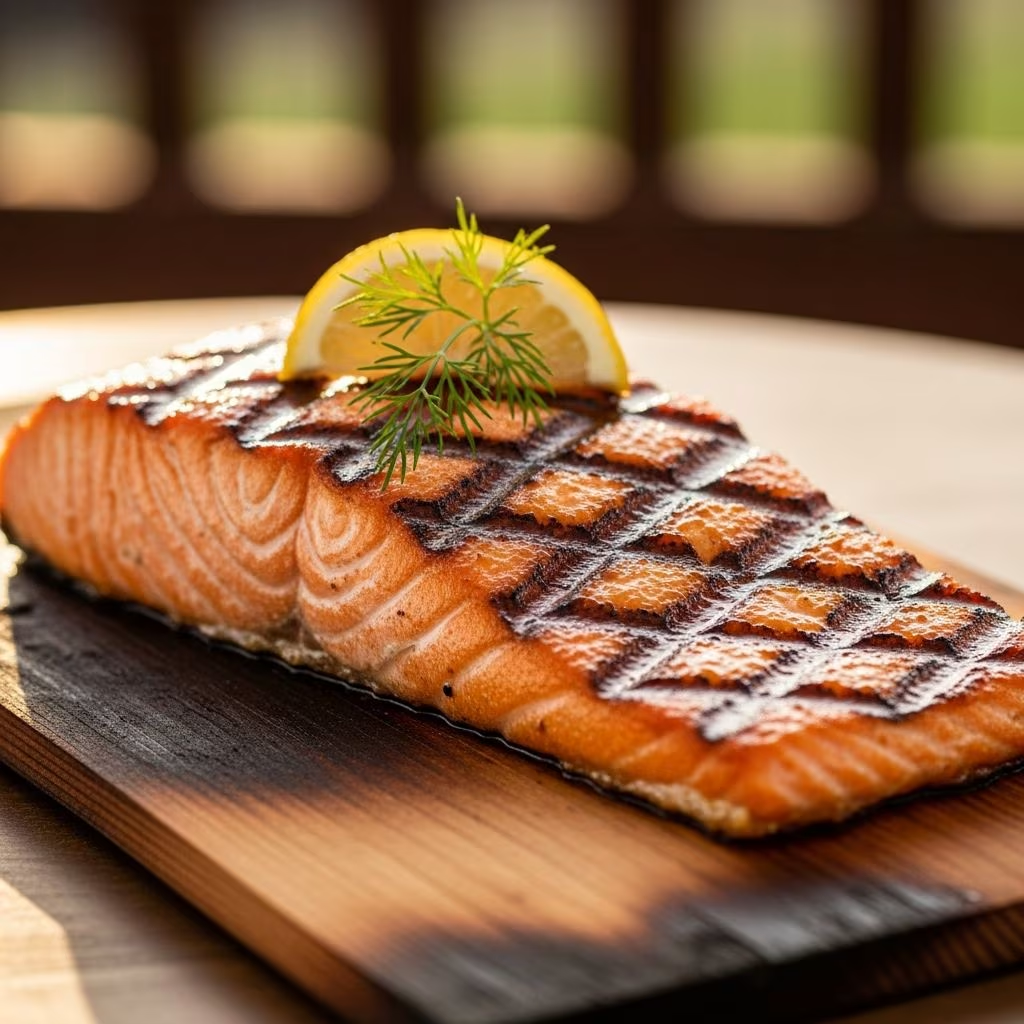
The actual grilling requires attention and proper technique. Remove the salmon from the marinade and shake off excess liquid. Place the fillets on the grill flesh side down, keeping the protective skin side up. Close the grill lid to maintain consistent heat and cooking temperature.
Cook the salmon for approximately 4 to 6 minutes on the first side without moving or disturbing the fish. During this phase, resist the urge to flip or rearrange the fillets. Movement prevents proper heat contact and browning. The flesh side will develop a beautiful brown crust and begin turning opaque as it cooks.
After the initial cooking period, gently flip the salmon using a large fish spatula, tongs, or a combination of both. Return the lid to the grill and cook the skin side for 2 to 3 minutes, or until the internal temperature reaches approximately 125°F for medium-rare doneness.
Determining Optimal Doneness
The desired internal temperature guides when the salmon is ready. For medium-rare, aim for 125°F at the thickest part of the fillet. For those preferring slightly more cooked salmon, 130°F to 135°F produces a firmer texture. Use an instant-read thermometer inserted horizontally into the thickest portion of the fillet for accurate measurement.
Beyond temperature, visual cues indicate doneness. The salmon’s color should transition from deep pink to light pink throughout the flesh. When properly cooked, the fish should flake easily when tested with a fork but still retain some translucence at the very center.
Finishing Touches and Serving
Once the salmon reaches the desired doneness, remove it from the grill using a spatula or tongs. Transfer the fillets to a serving platter and allow them to rest for one to two minutes. This brief resting period permits carryover cooking to complete and helps lock moisture within the fish.
For additional flavor enhancement, apply the reserved marinade as a glaze across the top of each fillet. The residual heat allows the glaze to meld with the salmon’s surface. Fresh garnishes such as lemon wedges, chopped parsley, or microplaned fresh garlic elevate presentation and add brightness.
Essential Grilling Tips for Consistent Success
| Challenge | Solution |
|---|---|
| Salmon sticking to grate | Oil the grates thoroughly and avoid moving fish during initial cooking period |
| Uneven cooking | Select fillets of consistent thickness and maintain steady grill temperature |
| Dry, overcooked salmon | Monitor internal temperature carefully and remove at 125°F for medium-rare |
| Skin burning while flesh undercooks | Use medium-high heat and keep lid closed for consistent cooking |
| Fish falling apart during flipping | Use skin-on fillets and handle with appropriate tools like fish spatulas |
Quick Seasoning Alternative
For occasions when marinating time is unavailable, a simple seasoning approach produces satisfying results. Brush salmon with olive oil, then apply a light coating of garlic powder, salt, and pepper immediately before grilling. This method requires minimal preparation while still delivering flavor. Cook using the same temperature and timing guidelines as marinated salmon, producing delicious results in under thirty minutes total preparation time.
Flavor Variations to Explore
Once mastering the basic technique, experimentation with different flavor profiles keeps the dish interesting. Miso-based preparations provide umami richness and a slightly sweet finish. Honey and ginger combinations offer sweetness balanced with spice. Mango salsa, fresh citrus accompaniments, or herb-infused compounds expand possibilities while maintaining the fundamental grilling technique.
Frequently Asked Questions
How can I prevent salmon skin from sticking to the grill?
Oil the grates thoroughly before grilling and avoid moving the fish during the initial cooking phase. Skin-on fillets naturally protect the flesh from sticking when properly prepared.
What’s the difference between cooking salmon skin-side up versus skin-side down?
Cooking flesh side down first creates browning and flavor development. The skin then protects the flesh during the final cooking phase. This method prevents the delicate flesh from direct high heat contact that could cause drying.
Can I grill salmon indoors on a grill pan?
Yes, a preheated grill pan on the stovetop works effectively. Maintain the same temperature and timing guidelines, adjusting only for slightly reduced heat penetration compared to outdoor grilling.
How long can salmon marinate without becoming mushy?
Salmon can safely marinate for up to eight hours without the texture degrading. Beyond this timeframe, acidic marinade components can break down the protein structure excessively.
Should I marinate salmon before or after seasoning?
Combine seasonings and oil in the marinade itself, then submerge the salmon completely. This approach ensures even flavor distribution and prevents dry spots that can result from surface-only seasoning.
References
- Grilled Salmon with Garlic and Herbs — Dinner at the Zoo. https://www.dinneratthezoo.com/grilled-salmon/
- Grilled Salmon with Lemon Garlic Sauce — The Lemon Bowl. https://thelemonbowl.com/grilled-salmon-with-lemon-garlic-sauce/
- Perfectly Moist & Flaky Grilled Salmon Recipe — Foodie Crush. https://www.foodiecrush.com/best-grilled-salmon/
- Easy Grilled Salmon Recipe — Chef Billy Parisi. https://www.billyparisi.com/grilled-salmon/
- Grilled Salmon (Perfect Every Time) — Wholesome Yum. https://www.wholesomeyum.com/grilled-salmon/