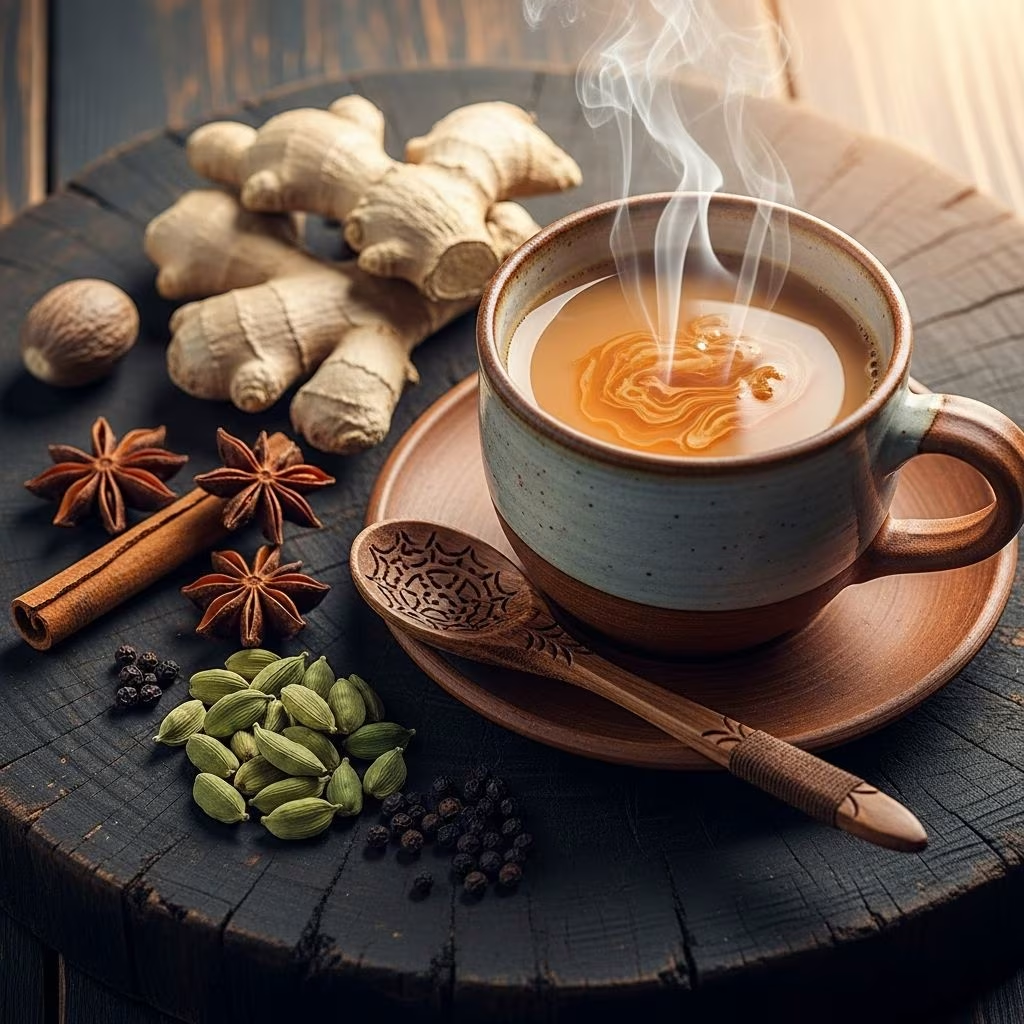
Masala chai represents one of the most beloved beverages across South Asia, cherished for its warming spices and comforting qualities. This traditional preparation combines black tea with a distinctive blend of aromatics, creating a drink that balances warmth with complexity. The inclusion of dried ginger in this preparation offers particular advantages, providing a consistent spice profile and distinct flavor characteristics that complement the other ingredients beautifully. Understanding how to properly incorporate dried ginger into your masala chai elevates the entire brewing experience and ensures you achieve the authentic taste that makes this beverage so special.
Understanding Dried Ginger in Masala Chai
The role of ginger in masala chai cannot be overstated. While fresh ginger offers immediate vibrancy and a sharp bite, dried ginger brings a different dimension to the cup. The drying process fundamentally changes the compound structure of the ginger, concentrating certain flavors while muting others. This transformation creates a spice that integrates seamlessly with the other warming components like cinnamon and cardamom. Dried ginger powder has already undergone enzymatic breakdown during its preparation, which means it won’t interact negatively with milk proteins when added at any stage of brewing. This predictability makes dried ginger particularly valuable for consistent results, especially when preparing chai in larger quantities or when freshness of ingredients may vary.
The decision between dried and fresh ginger ultimately depends on your flavor preferences and convenience factors. Some chai enthusiasts prefer the brightness that fresh ginger contributes to the final cup, while others appreciate how dried ginger creates a more integrated, subtle warming effect. Many experienced chai makers actually use both forms simultaneously, leveraging the distinct qualities each brings to the beverage. The beauty of masala chai lies in its adaptability—this drink welcomes personal interpretation while maintaining its essential character.
Essential Spice Components for Your Chai Blend
Creating an exceptional masala chai requires understanding the role of each spice in the final composition. The foundational spices that appear in nearly every authentic preparation include:
- Cardamom pods: These provide an aromatic, slightly floral sweetness that serves as the backbone of many chai blends. Green cardamom pods offer the most authentic flavor profile, though black cardamom can add deeper complexity.
- Cinnamon: This warm spice contributes sweetness and depth, creating a comforting base that balances sharper spice notes. Cinnamon sticks release their oils gradually during simmering, providing sustained flavor development.
- Cloves: These peppery, aromatic buds add intensity and sophistication to the blend, though they should be used judiciously to avoid overpowering other flavors.
- Black peppercorns: The slight heat and bite from peppercorns adds dimension and prevents the chai from becoming cloying.
- Dried ginger: This concentrated form of spice provides warmth and a subtle zing that enhances overall complexity without overwhelming delicate notes.
Optional additions that expand your flavor possibilities include fennel seeds for anise-like sweetness, nutmeg for earthiness, and allspice for additional warmth. Each spice brings its own character, and experimentation helps you discover your preferred balance.
Preparing Your Dried Ginger Chai Masala Blend
Creating a homemade chai masala blend offers superior flavor compared to commercially prepared versions, allowing you to adjust proportions according to personal taste. A foundational blend typically combines:
- 3 tablespoons ground cinnamon
- 2 tablespoons ground dried ginger
- 1 tablespoon ground cardamom seeds
- ½ teaspoon ground cloves
- ½ teaspoon ground nutmeg
- ½ teaspoon allspice (optional)
- ¼ teaspoon ground black pepper
To prepare this blend, grind whole spices individually using a dedicated spice grinder or coffee grinder. This method preserves essential oils and aromatics better than using pre-ground spices. The individual grinding approach also prevents flavor contamination between spices—grinding white rice between spice batches helps clean your grinder thoroughly. Store your finished chai masala in an airtight container away from direct sunlight and heat, where it maintains its vibrant flavor for several months.
For those seeking ultimate freshness, you can prepare dried ginger yourself by slicing fresh ginger root thinly and placing it in a 200°F oven for approximately two to three hours until completely dehydrated. Once cooled, grind the dried slices into powder form, creating a ginger component tailored exactly to your preferences.
Step-by-Step Brewing Method
Proper brewing technique is essential for extracting maximum flavor from your spices and tea leaves. The following method produces a balanced, aromatic cup:
- Measure 1 cup of fresh filtered water and place it in a small saucepan over medium-high heat.
- While the water heats, gather your spices: 3 whole green cardamom pods (lightly crushed), ½-inch cinnamon stick, 3 whole cloves, 5-6 black peppercorns, and ½ teaspoon dried ginger powder.
- Once water reaches a rolling boil, add all whole spices directly to the pot and maintain the boil for 2-3 minutes, allowing aromatic compounds to release into the water.
- Reduce heat to medium-low and add 2 teaspoons of loose-leaf black tea (Assam or Darjeeling varieties work particularly well) or 1-2 quality black tea bags.
- Simmer the tea and spices together for 5-7 minutes, depending on desired strength. The mixture should develop a deep burgundy color.
- While the tea infuses, warm 1 cup of milk (dairy or non-dairy alternatives work equally well) in a separate container or directly in another pot.
- Carefully pour the brewed tea through a fine strainer into your serving cup, pressing gently on the tea leaves to extract their full essence.
- Add the warm milk to the strained tea, pouring gently to create a smooth combination.
- Sweeten with sugar, honey, or your preferred sweetener to taste and stir thoroughly.
Ingredient Selection and Quality Considerations
The quality of individual components significantly influences your finished chai. When selecting dried ginger specifically, look for powder that displays a warm golden-brown color rather than pale or greyish tones, which indicate age or improper storage. Fresh-ground dried ginger powder will have noticeably more aromatic intensity than aged versions sitting in store shelves.
Black tea selection matters considerably for the base of your chai. Assam teas provide bold, malty undertones that pair beautifully with warm spices, while Darjeeling varieties contribute lighter, more delicate floral notes. CTC (Crush-Tear-Curl) processed teas work particularly well in chai preparations, as their structure releases flavor quickly during brewing. Experiment with different tea varieties to discover which you prefer, as personal preference should ultimately guide your selection.
Milk choices extend beyond traditional whole dairy milk. Oat milk provides creamy richness and subtle sweetness, coconut milk adds tropical depth, and almond milk offers lighter flavor profiles that allow spices to shine more prominently. Each milk variety creates slightly different mouthfeel and flavor intensity, so selecting based on your desired final result enhances overall satisfaction.
Customization and Flavor Variations
While traditional masala chai maintains certain consistent elements, significant room exists for personal interpretation. For those preferring stronger ginger warmth, increase dried ginger powder to 1 full teaspoon or supplement with additional fresh ginger slices steeped during brewing. The beauty of chai preparation lies in recognizing that it represents a personal experience rather than a rigid formula.
Water-to-milk ratios can be adjusted based on preference for stronger or lighter beverages. Some chai enthusiasts prefer equal parts water and milk, creating a balanced blend, while others favor higher milk ratios for creamier cups or increased water for more pronounced spice flavors. Temperature preferences also vary—some people enjoy their chai piping hot, while others prefer slightly cooler temperatures that allow more subtle flavors to emerge.
Sweetener selection contributes meaningfully to the overall experience. White sugar provides clean sweetness without competing flavors, honey adds floral complexity and slight thickness, and maple syrup contributes earthy undertones. Some people omit sweeteners entirely, preferring the natural sweetness from milk and the spice interplay.
Common Brewing Mistakes to Avoid
Understanding potential pitfalls helps ensure successful chai preparation. One frequent error involves adding all ingredients simultaneously, which prevents proper flavor development and results in muddled, unbalanced cups. Proper sequencing—boiling water with whole spices first, then adding tea leaves, then milk—allows each component time to express its character fully.
Under-steeping represents another common mistake. Allowing insufficient time for tea and spices to infuse results in weak, underdeveloped flavors. Conversely, over-steeping can create bitter, harsh results. The 5-7 minute range typically produces optimal balance, though adjustments based on tea type and personal preference remain appropriate.
Temperature management deserves careful attention. Once milk enters the mixture, maintaining gentle heat prevents scorching and ensures smooth integration. Boiling milk too vigorously can create unpleasant flavors and texture issues, so keeping heat moderate during the final stages produces superior results.
Storage and Make-Ahead Options
Chai masala blends maintain their quality for several months when stored properly. Transfer finished blends to airtight containers and keep them in cool, dark locations away from heat sources and direct sunlight. Many chai enthusiasts prepare several batches of dry blend at once, ensuring they always have quality ingredients ready for brewing.
Brewed chai can be refrigerated and gently reheated, though the flavor profile changes slightly with time. Fresh-brewed chai always provides optimal taste, but overnight chai can serve well for quick morning beverages. For longer storage, freeze brewed chai in ice cube trays, allowing you to quickly reheat individual portions as needed.
Frequently Asked Questions
Can I use only dried ginger without whole spices?
While dried ginger alone can produce a warming beverage, the complete masala chai experience requires the combination of multiple spices. Whole spices provide cleaner, more aromatic results compared to ground spices alone. The interplay between ginger, cardamom, cinnamon, and cloves creates the characteristic complexity that defines authentic chai.
How does dried ginger differ from fresh ginger in chai?
Dried ginger provides concentrated spice and won’t curdle milk when added at any brewing stage, while fresh ginger offers brighter flavor but requires boiling with water before milk is introduced. The enzymatic differences between fresh and dried forms mean they behave distinctly during preparation.
What’s the best black tea for masala chai?
Assam and Darjeeling varieties are most traditional, with Assam providing bold malty flavors and Darjeeling offering lighter, floral notes. CTC-processed teas release flavor quickly and work particularly well in chai preparations.
Can I make chai without milk?
Yes, though milk is traditional. Water-only versions create lighter, more delicate flavor profiles that emphasize individual spice characteristics. Non-dairy alternatives like oat or coconut milk provide creamy texture and complementary flavors.
How should I store homemade chai masala blend?
Store in airtight containers away from heat, light, and moisture. A cool, dark cupboard works well. Properly stored blends maintain quality for several months.
Bringing It All Together
Masala chai with dried ginger represents far more than a simple beverage—it embodies tradition, warmth, and personal connection to daily rituals. By understanding the role of each spice component, particularly dried ginger’s unique properties, and following proper brewing techniques, you can consistently create cups that satisfy both palate and spirit. Whether you prefer subtle spice warmth or bold, assertive flavors, the flexibility of chai preparation welcomes your interpretation. Start with traditional ratios, then gradually adjust according to your discoveries and preferences, allowing this ancient beverage to become your own special creation.
References
- Easy Masala Chai (Tea) Recipe – Spiced Chai — Tea for Turmeric. https://www.teaforturmeric.com/masala-chai-recipe/
- Authentic Traditional Masala Chai Recipe — Buttered Veg. https://www.butteredveg.com/authentic-traditional-masala-chai-recipe/
- Authentic Masala Chai — Three Teas Kitchen. https://threeteaskitchen.com/authentic-masala-chai/
- How to Make Masala Chai | Sweet Bites — Nik Sharma Cooks. https://niksharmacooks.com/how-to-make-masala-chai/
- Chai Masala, A Family Recipe — Indiaphile. https://indiaphile.info/chai-masala/
- Masala Chai Recipe — My Grandmother’s 6-Minute Method — Milk and Cardamom. https://milkandcardamom.com/2026/03/04/masala-chai/
- Masala Chai Spice Mix — A Saucy Kitchen. https://www.asaucykitchen.com/masala-chai-spice-mix/