Weeknight cooking doesn’t require complicated recipes or extensive ingredient lists. Modern home cooks are discovering that preparing satisfying, flavorful meals with just a handful of core components is not only possible but often preferable. The shift toward minimalist cooking has transformed how busy families approach dinner preparation, proving that fewer ingredients can mean less stress and more enjoyment at the table.
One-pan dinners represent a practical solution to the modern cooking dilemma: how to deliver genuine nutrition and taste without hours of preparation or mountains of dishes. This approach focuses on strategic ingredient selection and efficient cooking methods rather than elaborate techniques or hard-to-find specialty items.
Understanding the Foundation of Efficient Meal Building
The framework for creating reliable one-pan meals rests on understanding which ingredient categories work together harmoniously. Rather than random combination, successful minimal-ingredient cooking relies on a structured approach that ensures balanced flavor, adequate protein, vegetables, and carbohydrates in every dish.
The fundamental structure involves selecting one component from each essential category: your primary protein source, seasoning elements, vegetables, a binding or flavoring sauce, and a starch base. This categorical thinking removes decision paralysis and transforms cooking from a creative endeavor requiring inspiration into a systematic process anyone can execute.
This methodology works because it respects basic principles of flavor balance and nutritional completeness. The protein provides satiety and structure, vegetables contribute fiber and micronutrients, the starch offers energy, the sauce delivers moisture and taste cohesion, and seasonings create complexity without requiring numerous distinct ingredients.
Protein Selection and Preparation Strategies
The protein component forms the foundation of any satisfying dinner. Common choices include ground meat varieties, poultry breasts or thighs, pre-cooked rotisserie chicken, or canned legumes for vegetarian preparations. Each option influences both cooking time and the overall character of the final dish.
Ground meats cook quickly and integrate efficiently into one-pan formats. Poultry pieces require slightly longer cooking times but remain accessible for weeknight preparation. Using pre-cooked chicken or canned beans dramatically reduces active cooking time, making them invaluable for extremely busy schedules.
The cooking sequence for proteins matters significantly in one-pan preparation. Browning or cooking the protein first builds flavor through the Maillard reaction—the chemical process that creates brown, savory crusts. Removing the protein temporarily before adding vegetables prevents overcooking while allowing the pan to develop additional flavor layers.
Creating Depth Through Strategic Seasoning
Rather than using numerous individual spices, efficient one-pan cooking relies on pre-mixed seasoning combinations or strategic selection of complementary spices. Italian seasoning, taco spice blends, curry powder, or paprika-based combinations provide complexity through minimal effort.
Seasonings function most effectively when introduced at specific cooking stages. Adding them to a hot, empty pan before introducing other ingredients blooms their aromatics, intensifying flavor impact. This technique costs nothing in terms of additional ingredients but multiplies the perceived complexity of the finished dish.
Building flavor layers through seasoning means understanding how heat affects different spice compounds. Delicate herbs benefit from late-stage addition, while hardy spices withstand longer cooking and benefit from early introduction to the hot pan.
Vegetable Integration in Simplified Cooking
Vegetables serve multiple purposes in minimal-ingredient cooking: they add nutritional density, create textural variety, provide color appeal, and contribute to satiety through fiber content. Selection should prioritize vegetables that cook within reasonable timeframes and complement the chosen protein and seasoning profile.
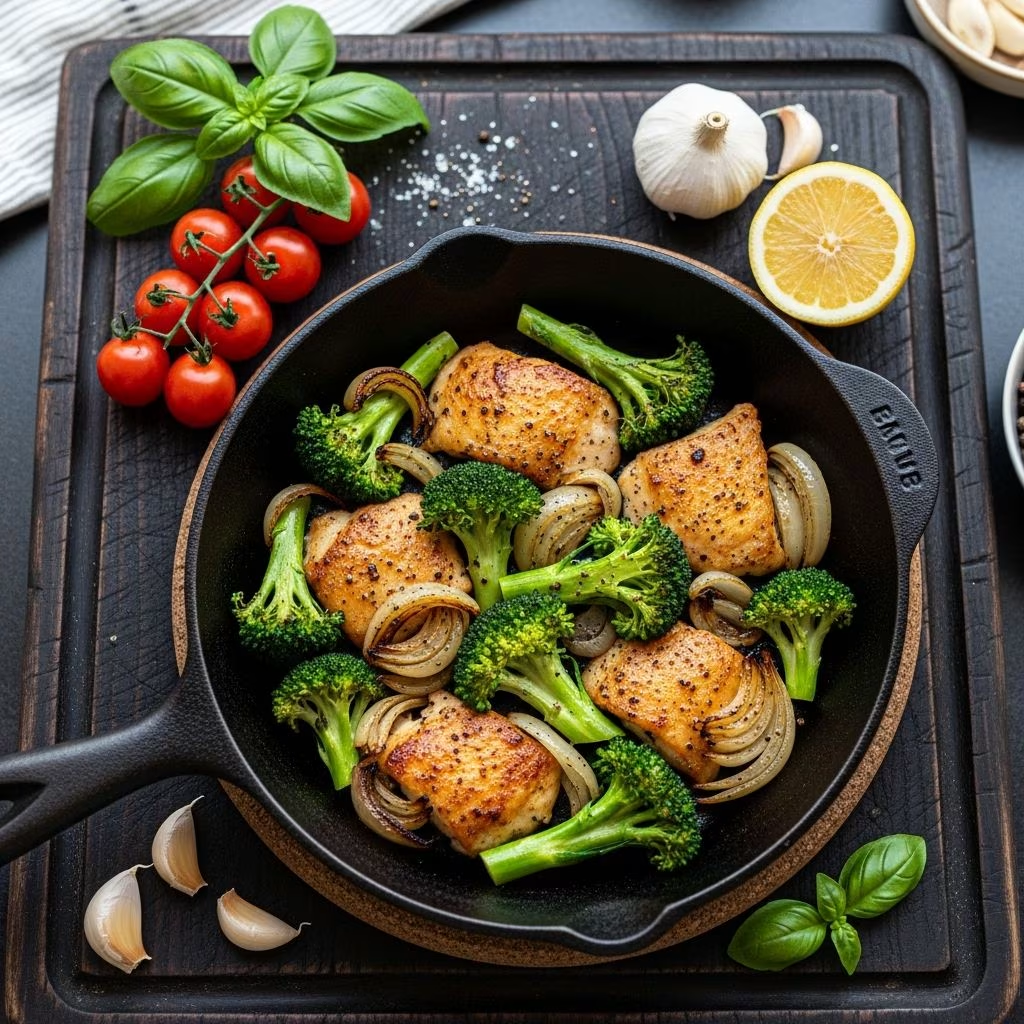
Fast-cooking vegetables like bell peppers, zucchini, snap peas, and spinach require only five to ten minutes in a hot pan. Denser vegetables like broccoli or carrots benefit from brief pre-cooking or cutting into smaller pieces to ensure doneness within the same timeframe as other ingredients.
The vegetable component can be fresh, frozen, or canned depending on availability and personal preference. Frozen vegetables often contain their nutritional value and cook predictably, making them reliable choices for consistent results across multiple meal preparations.
Sauce and Liquid Components as Flavor Anchors
The sauce or liquid component transforms individual ingredients into a cohesive dish while preventing dryness and adding moisture. Options range from jarred marinara sauce and canned tomato products to broth-based liquids, cream sauces, or oil-based dressings.
Jarred pasta sauces, canned soups, and prepared broths eliminate the need for making sauces from scratch while maintaining flavor integrity. These pantry staples serve as liquid bases that carry seasonings, coat other ingredients, and create the binding element that transforms discrete components into unified dishes.
The sauce selection should align with the chosen protein and vegetable components. A tomato-based sauce works harmoniously with Italian seasonings and Mediterranean vegetables, while broth-based preparations suit Asian-inspired combinations or hearty, warming presentations.
Starch Bases: Building the Foundation
Carbohydrate components provide energy and satisfaction while helping create complete meals. Pasta, rice, grain-based starches, or even bread products can serve as the base that grounds one-pan preparations.
Pasta offers the advantage of relatively quick cooking times and familiar flavor profiles. Pre-cooking pasta before adding it to the pan with other ingredients prevents overcooking and allows better control of doneness levels. Alternatively, adding uncooked pasta directly to the pan with adequate liquid allows simultaneous cooking but requires careful attention to prevent sticking.
Rice, quinoa, and other grains provide nutritional alternatives to pasta while offering different textural experiences. Incorporating these requires understanding their liquid requirements and cooking times to ensure proper doneness.
Step-by-Step Execution for Consistent Results
Successfully preparing minimal-ingredient one-pan dinners follows a logical sequence that builds flavor and ensures proper cooking throughout all components.
The fundamental cooking progression:
- Prepare the starch base if using pasta or rice that benefits from pre-cooking
- Heat the cooking pan to appropriate temperature (typically medium-high)
- Add the protein and cook until adequately browned or cooked through
- Remove the protein and temporarily set aside
- Add seasonings to the hot pan to bloom their aromatics
- Introduce vegetables and allow them to begin softening
- Add the sauce or liquid component
- Return the protein to the pan
- Add the cooked starch and toss to combine
- Allow ingredients to heat through and flavors to meld
- Serve immediately while warm
This sequence ensures that each component reaches proper doneness while building layers of flavor through strategic timing. Following this progression consistently produces reliable results regardless of specific ingredient choices.
Practical Combination Examples for Regular Rotation
Understanding the framework enables infinite combinations suited to personal preferences, dietary restrictions, and available ingredients. Consider these strategic pairings that demonstrate how the system functions in practice:
| Protein | Seasoning | Vegetable | Sauce | Starch |
|---|---|---|---|---|
| Ground beef | Italian seasoning | Bell peppers, onions | Marinara sauce | Pasta |
| Chicken breast | Taco seasoning | Zucchini, corn | Cream-based sauce | Rice |
| Rotisserie chicken | Paprika, garlic | Broccoli, spinach | Chicken broth | Pasta |
| Ground turkey | Cumin, chili powder | Black beans, peppers | Tomato sauce | Rice |
Each combination represents a distinct dining experience while utilizing identical methodologies and minimal ingredient counts. This predictability makes meal planning straightforward and reduces decision fatigue during busy weeks.
Managing Pantry Essentials for Spontaneous Cooking
Successful minimal-ingredient cooking relies on maintaining a strategically stocked pantry containing versatile staple items that enable spontaneous meal creation. Essential pantry components include various pasta shapes, rice varieties, canned tomatoes, jarred marinara sauce, vegetable or chicken broth, and an array of dried seasonings and spice blends.
Keeping protein options available—whether frozen meat, canned beans, or rotisserie chicken from the grocery store—eliminates barriers to cooking. Frozen vegetables extend the availability of produce while maintaining nutritional integrity.
Building this foundation requires minimal financial investment but dramatically expands cooking flexibility and reduces meal preparation stress. Pantry-dependent cooking means dinner can be prepared using available ingredients rather than requiring shopping trips for specific recipes.
Nutritional Balance in Minimal-Ingredient Meals
Concerns about nutritional adequacy often arise when considering simplified cooking approaches. However, selecting one component from each essential category—protein, vegetables, starch, and sauce—inherently creates nutritionally balanced meals.
The protein component provides essential amino acids, B vitamins, and minerals. Vegetables deliver fiber, vitamins, and micronutrients. Starches contribute carbohydrates for energy. Sauces and oils provide necessary fats for nutrient absorption and satiety. This combination creates complete nutrition within the five-ingredient framework.
Varying choices across different meals ensures diverse micronutrient intake and prevents dietary monotony. Rotating between different proteins, vegetables, and seasonings over the course of several weeks naturally creates nutritional diversity.
Efficiency Gains Beyond Cooking Time
While reduced cooking time represents an obvious benefit, one-pan preparation delivers efficiency across multiple dimensions. Minimal cleanup requires washing only one pan and basic utensils rather than multiple pots, pans, cutting boards, and serving dishes.
Simplified ingredient lists mean less shopping time and reduced food waste from unused components. Fewer decisions during preparation reduce cognitive load and decision fatigue—particularly valuable during stressful periods when mental energy is already depleted.
The predictable framework eliminates the need for recipe research, reading, and interpretation. After mastering the basic methodology, home cooks can prepare dinner almost automatically, freeing mental space for other concerns.
Frequently Asked Questions About Minimal-Ingredient Cooking
Can I adapt these recipes for dietary restrictions?
Absolutely. The framework accommodates vegetarian, vegan, gluten-free, and other dietary approaches. Substitute protein sources as needed—beans replace meat, gluten-free pasta accommodates celiac requirements, and dairy-free sauces suit vegan preferences.
How do I prevent ingredients from sticking to the pan?
Adequate fat or oil in the pan, proper heat levels, and occasional stirring prevent sticking. Non-stick skillets further simplify this concern. Adding liquid components promptly after cooking proteins also prevents adherence.
Can I prepare these meals ahead for meal prepping?
Yes. Cooking one-pan dinners in larger quantities and portioning into containers allows convenient reheating throughout the week. Allowing meals to cool slightly before refrigerating prevents condensation and maintains quality.
What pan type works best for these preparations?
Large skillets, sauté pans, or Dutch ovens accommodating all ingredients work well. Non-stick surfaces simplify cleanup, while stainless steel options develop flavorful browning. Cast iron provides even heat distribution and longevity.
How do I avoid overcooking proteins?
Removing proteins after initial cooking prevents overcooking during the vegetable preparation phase. Returning proteins briefly to reheat ensures they finish properly without excessive cooking.
Developing Personal Cooking Confidence
Mastering one-pan minimal-ingredient cooking builds confidence in the kitchen by establishing reliable patterns and predictable outcomes. Once home cooks understand how the five components interact and function within the cooking sequence, they move beyond recipe dependence toward intuitive meal creation.
This confidence translates to reduced cooking anxiety, improved meal quality, and greater enjoyment of the cooking process. The simplified framework removes perceived complexity while delivering genuine satisfaction and nutrition.
Starting with straightforward combinations and gradually experimenting with varied selections builds skills progressively. Each meal represents an opportunity to refine techniques and develop preferences that guide future selections.
Conclusion: Embracing Simplified Cooking Philosophy
One-pan dinners with minimal ingredients represent more than just a cooking technique—they embody a philosophy prioritizing efficiency, nutrition, and accessible home cooking. By understanding how strategic ingredient selection combines with logical preparation sequences, home cooks can reliably prepare satisfying meals that nourish their families without requiring extensive time, effort, or cleanup.
This approach particularly benefits busy individuals and families seeking genuine nutrition without compromising other life priorities. The framework proves adaptable to various dietary preferences, ingredient availability, and personal taste preferences while maintaining simplicity and reliability.
Adopting this cooking methodology transforms weeknight dinner from a source of stress into a manageable task that consistently produces quality results. With practice, the process becomes second nature, enabling spontaneous meal creation using pantry staples and personal preferences.
References
- 5 Ingredient Skillet Dinner Formula — Mom to Mom Nutrition. 2024. https://momtomomnutrition.com/food-and-recipes/5-ingredient-skillet-dinner-formula/
- 25 Easy One-Pan Dinners Everyone Is Making — Half Baked Harvest. 2024. https://www.halfbakedharvest.com/one-pan-dinners-everyone-is-making/
- Academy of Nutrition and Dietetics: Complete Nutrition Guide — AND Education. 2024. https://www.eatright.org/