When it comes to elevating simple vegetables into something truly memorable, few dishes deliver the impact of Brussels sprouts prepared with hot honey. This straightforward yet impressive side combines tender, caramelized vegetables with the perfect balance of sweetness and heat. Whether you’re planning a weeknight dinner or preparing dishes for a special gathering, understanding how to prepare this versatile vegetable can transform your cooking repertoire.
Why Hot Honey Transforms Brussels Sprouts
Brussels sprouts have experienced a remarkable culinary renaissance over the past decade, moving from a vegetable many avoided to one celebrated on restaurant menus and dinner tables worldwide. The key to their transformation lies in proper preparation methods and complementary flavor pairings. When roasted at high temperatures, Brussels sprouts develop a naturally sweet, nutty quality that pairs exceptionally well with spiced honey preparations.
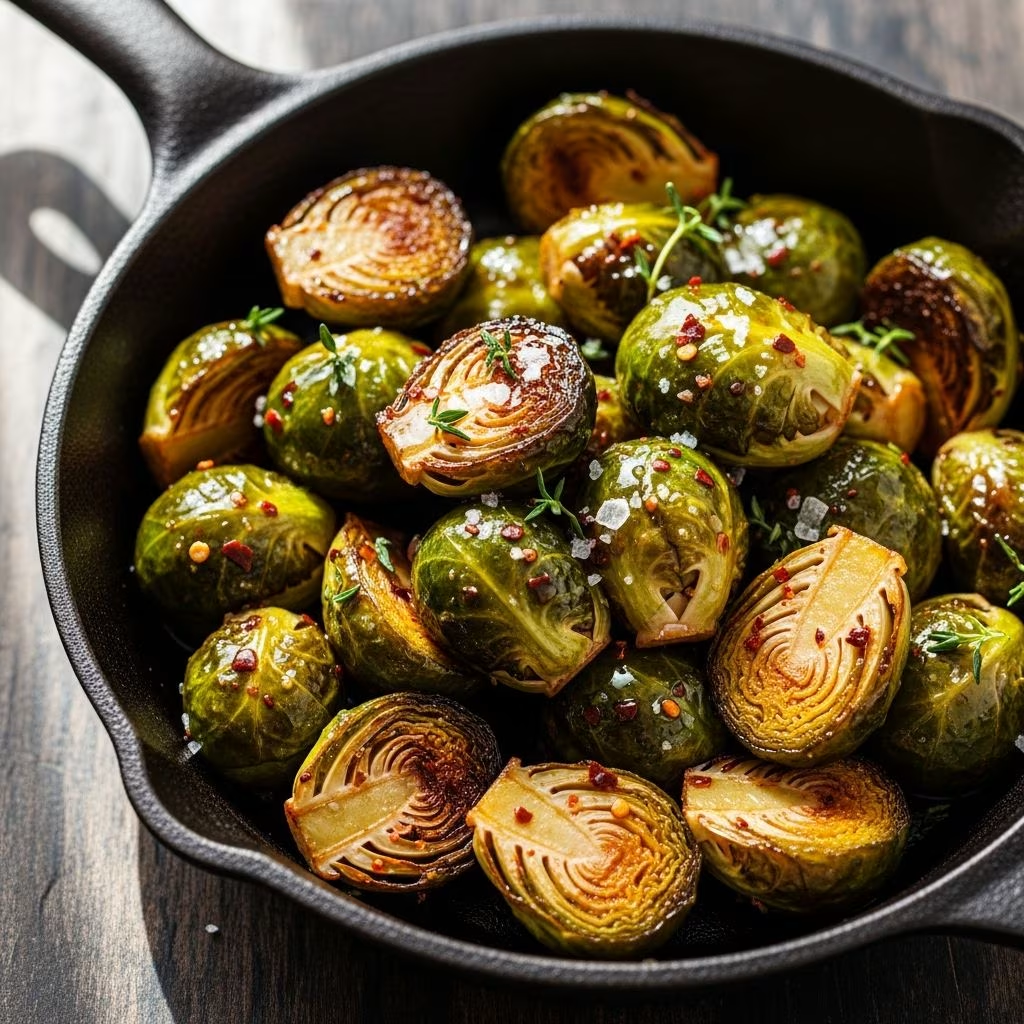
The addition of hot honey creates a dynamic flavor profile that appeals to diverse palates. The heat from chili peppers or hot sauce provides a subtle spice that doesn’t overpower, while honey’s natural sweetness creates a glaze that caramelizes during cooking. This combination produces brussels sprouts with crispy exterior layers and tender interiors—a textural contrast that makes the dish genuinely crave-worthy.
Selecting and Preparing Your Brussels Sprouts
The foundation of any successful roasted vegetable dish begins with ingredient selection. When shopping for Brussels sprouts, choose specimens that are firm, compact, and relatively uniform in size. Smaller sprouts, typically one to one-and-a-half inches in diameter, tend to have milder, sweeter flavor profiles compared to their larger counterparts. Uniform sizing ensures even cooking throughout your batch.
Preparation is equally important as selection. Begin by rinsing your Brussels sprouts thoroughly under cool running water to remove any hidden dirt or debris between the leaves. Using a sharp knife, trim the stem end and remove any yellowed or damaged outer leaves. For most preparations, halving the sprouts lengthwise works best, creating flat surfaces that make direct contact with the baking sheet. This contact is crucial for developing the caramelized, crispy exterior layers that make this dish so appealing.
If you’re working with particularly large Brussels sprouts, consider cutting them into quarters rather than halves. This adjustment ensures more thorough cooking and prevents the centers from remaining too firm while the exteriors overcook.
The Essential Roasting Foundation
Successful preparation of Brussels sprouts with hot honey requires understanding the fundamental roasting principles that create crispy results. Temperature plays a critical role in this process. Most recipes call for oven temperatures between 400 and 450 degrees Fahrenheit. This temperature range is hot enough to caramelize the natural sugars in the sprouts and create crispy exteriors, yet not so extreme that the centers remain undercooked.
Coating your vegetables properly ensures even flavor distribution and browning. Combine your halved Brussels sprouts with olive oil, salt, and pepper in a large mixing bowl. The oil serves multiple purposes: it facilitates browning, prevents sticking, and helps distribute heat evenly throughout each piece. A light coating of approximately two tablespoons of olive oil per pound and a half of sprouts typically provides sufficient coverage.
Arrangement on your baking sheet matters more than many home cooks realize. Spread the Brussels sprouts in a single layer with the flat, cut sides facing downward. This positioning maximizes the surface area in contact with the hot baking sheet, creating the desired crispy texture. Avoid overcrowding, as this restriction of air circulation can cause the vegetables to steam rather than roast, resulting in a soggy rather than crispy final product.
Creating Your Hot Honey Glaze
The hot honey component elevates this simple roasted vegetable into something extraordinary. Creating an effective glaze requires balancing three key elements: sweetness from honey, heat from chili components, and complementary flavoring elements that enhance both primary ingredients.
For a basic hot honey preparation, combine honey with crushed red pepper flakes in a small bowl or saucepan. The ratio typically ranges from one teaspoon of red pepper flakes per quarter cup of honey, though this can be adjusted based on your personal spice tolerance. Some recipes incorporate hot sauce for additional depth and complexity, while others add Dijon mustard for a subtle tang that balances the sweetness.
The method of combining these elements affects the final result. Some preparation methods call for whisking ingredients together cold, while others suggest gently warming the honey mixture to help the flavors meld and the honey reach a pourable consistency. Warming also helps distribute the heat components evenly throughout the honey base.
Timing and Technique for Perfect Results
The sequence of preparation significantly impacts the final dish quality. Many successful recipes involve two distinct approaches: applying hot honey before roasting versus drizzling it afterward. Each method produces slightly different results.
When hot honey is mixed with the sprouts before roasting, it coats each piece and caramelizes during the cooking process, creating deep, complex flavors as the sugars undergo the Maillard reaction—the chemical process responsible for browning. Roasting time typically ranges from 15 to 35 minutes depending on sprout size and your specific oven characteristics. Smaller pieces may be ready in 15 to 20 minutes, while larger halves might require 30 to 35 minutes to achieve full tenderness with crispy edges.
For best results, perform a mid-roasting toss or shake of the pan. This ensures even browning and prevents the honey from concentrating too heavily on the bottom layer of sprouts. However, timing this intervention is crucial—toss too early, and you prevent proper crisping on the initial sides; toss too late, and you risk breaking apart delicate caramelized exteriors.
Alternative approaches involve roasting the sprouts with basic seasoning, then drizzling the hot honey glaze as a finishing touch immediately before serving. This method preserves the glaze’s liquid consistency and provides a more pronounced sweet and spicy contrast to the roasted vegetable.
Flavor Enhancement and Variations
The beauty of this dish lies in its adaptability. The basic framework of roasted Brussels sprouts with hot honey serves as an excellent foundation for numerous creative variations and flavor enhancements.
Aromatics and seasonings expand the flavor profile considerably. Garlic powder, whether added to the initial toss or incorporated into the hot honey glaze, adds savory depth. Fresh rosemary sprigs placed directly on the baking sheet during roasting infuse subtle herbaceous notes. Apple cider vinegar mixed into the glaze provides brightness that balances the inherent sweetness of honey.
Finishing garnishes provide textural contrast and visual appeal. Crumbled feta cheese adds creamy tang, while fresh chives provide mild onion notes and color. Toasted hazelnuts or almonds offer satisfying crunch. Sesame seeds supply both texture and nutty flavor dimensions.
Storage and Make-Ahead Considerations
Understanding proper storage extends the utility of this dish beyond single meal preparation. Cooled Brussels sprouts keep well in airtight refrigerator containers for three to four days. Proper cooling before storage prevents condensation from accumulating and making the sprouts soggy.
Freezing offers even longer-term storage options. Flash freeze the cooled Brussels sprouts on a baking sheet before transferring to freezer bags, where they maintain quality for up to three months. Thawing in the refrigerator overnight before reheating ensures the most satisfactory texture restoration.
For make-ahead preparation, you can complete roasting the day before and prepare the hot honey glaze fresh on serving day, reheating both components gently before combining. This approach minimizes food safety concerns while maximizing convenience.
Common Challenges and Solutions
Even experienced cooks sometimes encounter issues when preparing Brussels sprouts. Understanding common problems enables quick problem-solving. If your sprouts turn out soggy rather than crispy, the likely culprits include overcrowding the baking sheet, using insufficient oven heat, or tossing too frequently during cooking. Ensure proper spacing, verify your oven’s actual temperature with an independent thermometer, and resist the urge to manipulate the sprouts excessively during the initial cooking phase.
If the hot honey glaze burns before the sprouts finish cooking, consider reducing your oven temperature by 25 degrees or adding the glaze during the final stages of roasting rather than from the beginning. Some recipes achieve excellent results by preparing two components separately—roasted sprouts and a warm glaze applied just before serving.
Nutritional Considerations
Beyond their remarkable flavor when prepared with hot honey, Brussels sprouts offer substantial nutritional benefits. These cruciferous vegetables contain significant quantities of vitamin C, vitamin K, and fiber. The roasting preparation method maintains most nutritional content while creating a more palatable vegetable for those who find raw or steamed Brussels sprouts unappealing.
The honey and oil additions do increase caloric density compared to plain roasted sprouts, but they contribute to flavor satisfaction and satiety. Portion sizes and frequency of consumption should reflect individual dietary goals.
Frequently Asked Questions
- Can I prepare this dish without hot honey?
- Yes, roasted Brussels sprouts with basic seasoning are delicious. For heat without hot honey specifically, drizzle with regular honey mixed with cayenne pepper or hot sauce after roasting.
- How do I make hot honey from scratch?
- Combine honey with crushed red pepper flakes, crushed garlic, and salt. Let infuse for several days at room temperature before using. Strain if a smoother consistency is preferred.
- What’s the best oil for roasting Brussels sprouts?
- Olive oil and avocado oil both work well, offering different flavor profiles. Choose based on your preference and smoke point considerations.
- How can I make this dish vegan?
- This recipe is naturally vegan if prepared without feta cheese topping. Use any honey alternative that works with your dietary preferences.
- Can I use frozen Brussels sprouts?
- Fresh sprouts produce superior results due to better texture development, but thawed frozen Brussels sprouts can work if fresh aren’t available. Reduce roasting time by approximately five minutes.
Serving Suggestions and Pairing Ideas
Hot honey Brussels sprouts complement numerous main dishes beautifully. Serve alongside roasted chicken, grilled fish, or plant-based protein options. The sweet and spicy profile pairs particularly well with Asian-inspired mains or Mediterranean dishes. They also work wonderfully as part of a vegetable-forward plate or charcuterie spread.
For entertaining, this dish offers the advantage of tasting impressive while requiring minimal hands-on effort. The preparation can largely be completed before guests arrive, with final finishing touches applied just before serving.
References
- I Heart Vegetables — Food Blog. Accessed April 2026. https://iheartvegetables.com/hot-honey-brussels-sprouts/
- One Hungry Bunny — Food Blog. Accessed April 2026. https://onehungrybunny.com/hot-honey-brussels-sprouts-recipe/
- How Sweet Eats — Food Blog. Accessed April 2026. https://www.howsweeteats.com/2021/09/hot-honey-brussels-sprouts/
- Kaleena’s Kitchen — Food Blog. Accessed April 2026. https://kaleenaskitchen.com/hot-honey-brussel-sprouts/
- Dash of Jazz — Food Blog. Accessed April 2026. https://www.dashofjazz.com/spicy-honey-roasted-brussels-sprouts/