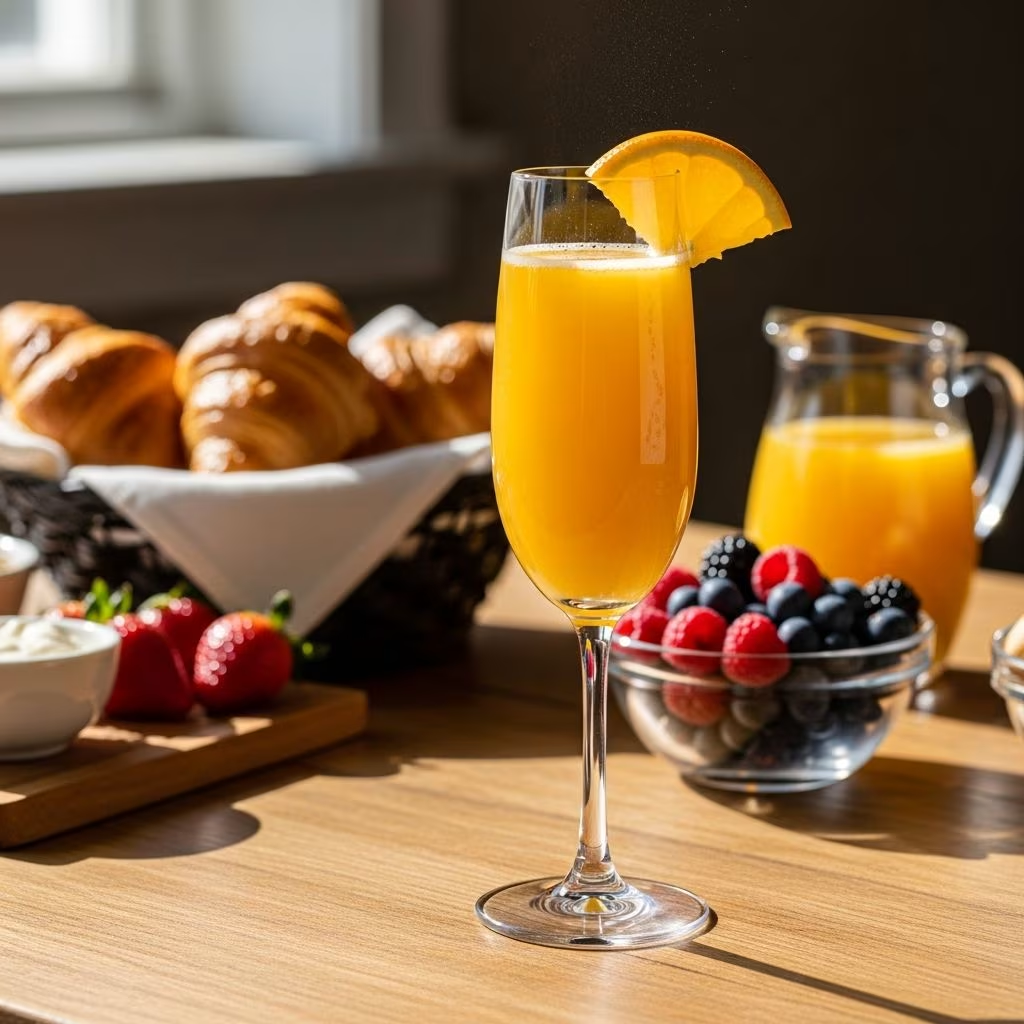
The mimosa stands as a timeless brunch essential, blending the effervescence of sparkling wine with the brightness of fruit juices. This versatile cocktail elevates any gathering, from casual weekend meetups to elegant celebrations. With just a few ingredients, you can create refreshing drinks that impress guests and spark conversation.
Origins and Appeal of the Mimosa
Mimosas trace their roots to early 20th-century France, where Champagne mixed with orange juice became a sophisticated morning libation. Its popularity surged in American brunches during the mid-1900s, thanks to its light, refreshing profile that pairs perfectly with savory dishes. The drink’s 2:1 ratio of sparkling wine to juice ensures balance—crisp bubbles cut through sweetness without overpowering the palate.
What makes mimosas irresistible? Their simplicity allows endless customization while maintaining elegance. Chilled ingredients preserve carbonation, delivering a fizzy experience that feels festive. Nutrition-wise, a standard serving offers around 90 calories, primarily from natural sugars in the juice, making it a lighter alternative to heavier cocktails.
Essential Ingredients for Perfect Mimosas
At its core, a mimosa requires two stars: chilled sparkling wine and fruit juice. Opt for dry varieties like Prosecco, Cava, or brut Champagne to avoid cloying sweetness. These provide acidity and bubbles that complement juicy fruits.
- Sparkling Wine: 750ml bottle serves 6-8 glasses. Chill overnight for optimal fizz.
- Orange Juice: Fresh-squeezed or pulp-inclusive store-bought (3 cups per bottle). Pulp adds texture mimicking handmade freshness.
- Alternatives: Experiment with cranberry, grapefruit, pomegranate, apple cider, or white grape juice for seasonal twists.
For enhanced flavor, incorporate liqueurs sparingly—a splash of Grand Marnier intensifies citrus notes without dominating. Fresh fruits like strawberries or peaches create purées that elevate the drink to gourmet status.
Step-by-Step: Crafting the Classic Mimosa
Preparation takes under 2 minutes per glass, but chilling is key. Avoid ice to prevent dilution; pre-chill everything instead.
- Chill sparkling wine, juice, and glasses in the fridge for at least 4 hours, ideally overnight.
- Hold a flute at a 45-degree angle. Pour sparkling wine to halfway, letting it settle to retain bubbles.
- Slowly top with juice, aiming for a 2:1 wine-to-juice ratio. Gentle pouring minimizes foam overflow.
- Garnish with an orange twist, berry, or herb sprig for visual appeal.
Serve immediately. This method yields a vibrant, bubbly drink with layered flavors—citrus upfront, followed by wine’s dryness.
Flavor Variations to Suit Every Taste
Mimosas shine in their adaptability. Swap juices for seasonal fruits or dietary needs. Here’s a table of popular options:
| Variation | Juice/Purée | Ratio (Wine:Juice) | Garnish Ideas | Best For |
|---|---|---|---|---|
| Strawberry | Blend 2 cups OJ + ½ cup strawberries | 1:1 | Fresh strawberry slice | Summer brunches |
| Grapefruit | 100% grapefruit juice | 2:1 | Grapefruit wedge, mint | Tart refreshment |
| White Grape | Chilled white grape juice | 2:1 | Maraschino cherry | Non-citrus lovers |
| Pomegranate | Pomegranate juice | 3:1 | Pomegranate arils | Fall gatherings |
| Peach Bellini-Style | Peach purée | 1:1 | Peach slice | Peachy sweetness |
Strawberry mimosas blend strawberries with orange juice for a vibrant pink hue and berry burst. Pour wine first, then the purée slowly. Grapefruit versions add bitterness that cuts richness, ideal with egg dishes. For alcohol-free options, substitute sparkling water or non-alcoholic sparkling wine.
Setting Up a Mimosa Bar for Entertaining
A self-serve mimosa bar turns brunch into an interactive event. It’s cost-effective— one bottle and juices serve a crowd—and encourages personalization.
Bar Essentials
- Bottles of Prosecco or Cava (2-3 per 10 guests).
- Array of juices in pitchers: orange, cranberry, pineapple, etc.
- Purée station with blender for fresh strawberry or mango mixes.
- Garnishes: fruits, herbs, edible flowers, sugar rims.
- Flutes or stemless glasses, pre-chilled.
Label pitchers with names and ratios. Provide recipe cards: “Fill ½ with bubbles, ¼ with juice, garnish freely.” Add fun elements like flavored simple syrups or a tequila splash for Paloma-inspired twists.
Tips for a Bubbly Success
- Preserve Fizz: Use flutes to trap carbonation; chill glasses in freezer for 15 minutes.
- Batch Prep: Mix juices ahead, but add sparkling wine last to avoid flatness.
- Quantity Guide: Plan 2-3 glasses per guest. One 750ml bottle + 3 cups juice = 6 servings.
- Themes: Easter brunch? Pink strawberry and white grape. Holiday? Pomegranate and cranberry.
This setup fosters mingling, with guests crafting drinks to match their mood.
Pairing Mimosas with Brunch Menus
Mimosas’ acidity balances fatty foods. Classics pair with quiches or pancakes; tart grapefruit cuts bacon’s richness. Strawberry versions shine alongside yogurt parfaits or fresh salads.
For heartier spreads:
- Savory: Eggs Benedict, frittatas—the wine’s dryness refreshes the palate.
- Sweet: French toast, fruit platters—citrus enhances berry notes.
- Vegetarian: Avocado toast with grapefruit mimosa for zesty contrast.
Keep pours modest to maintain energy throughout the meal.
Common Mistakes and Pro Fixes
Avoid these pitfalls for pro-level results:
- Room-Temp Ingredients: Always chill to sustain bubbles.
- Overpouring Juice: Stick to 2:1 ratio; too much juice dulls fizz.
- Aggressive Pouring: Tilt glass and pour slowly to prevent foam explosions.
- Wrong Glassware: Flutes over tumblers preserve carbonation.
Pro tip: Freeze juice cubes for later additions without dilution.
Frequently Asked Questions
What sparkling wine is best for mimosas?
Prosecco or Cava for affordability and dryness; Champagne for luxury. Avoid sweet types.
Can I make mimosas non-alcoholic?
Yes, use sparkling cider, club soda, or non-alcoholic sparkling wine with juices.
How far ahead can I prep mimosa ingredients?
Juices and purées up to 24 hours ahead; add sparkling wine at serving time.
What’s the ideal mimosa ratio?
2 parts sparkling wine to 1 part juice for balance.
How many mimosas per bottle?
6-8 standard servings from 750ml.
Advanced Twists for Seasoned Mixologists
Elevate with infusions: Rosemary simple syrup in grapefruit mimosas or hibiscus tea in pomegranate for floral notes. For a boozy kick, add ½ oz tequila to grapefruit for a Champagne Paloma. Pineapple-mango purées evoke tropical escapes.
Experiment with ratios—3:1 for subtler fruit, 1:1 for bold flavors. Rim glasses with flavored salt or sugar for texture.
Mimosas embody brunch joy: simple yet sophisticated, customizable yet classic. Whether hosting a crowd or sipping solo, these recipes deliver effervescent delight every time.
References
- Classic Mimosa Recipe — Love and Lemons. 2023. https://www.loveandlemons.com/mimosa-recipe/
- Easy Strawberry Mimosa Recipe — Mindful Avocado. 2023. https://mindfulavocado.com/strawberry-mimosa-recipe/
- The Best Mimosa Recipes for an Easter Brunch — The Ponds Farmhouse. 2023. https://www.thepondsfarmhouse.com/the-best-mimosa-recipes-for-brunch/
- How to make the Ultimate Mimosa Bar (or Bellini) — Vindulge. 2023. https://www.vindulge.com/how-to-make-the-ultimate-mimosa-bar-or-bellini/