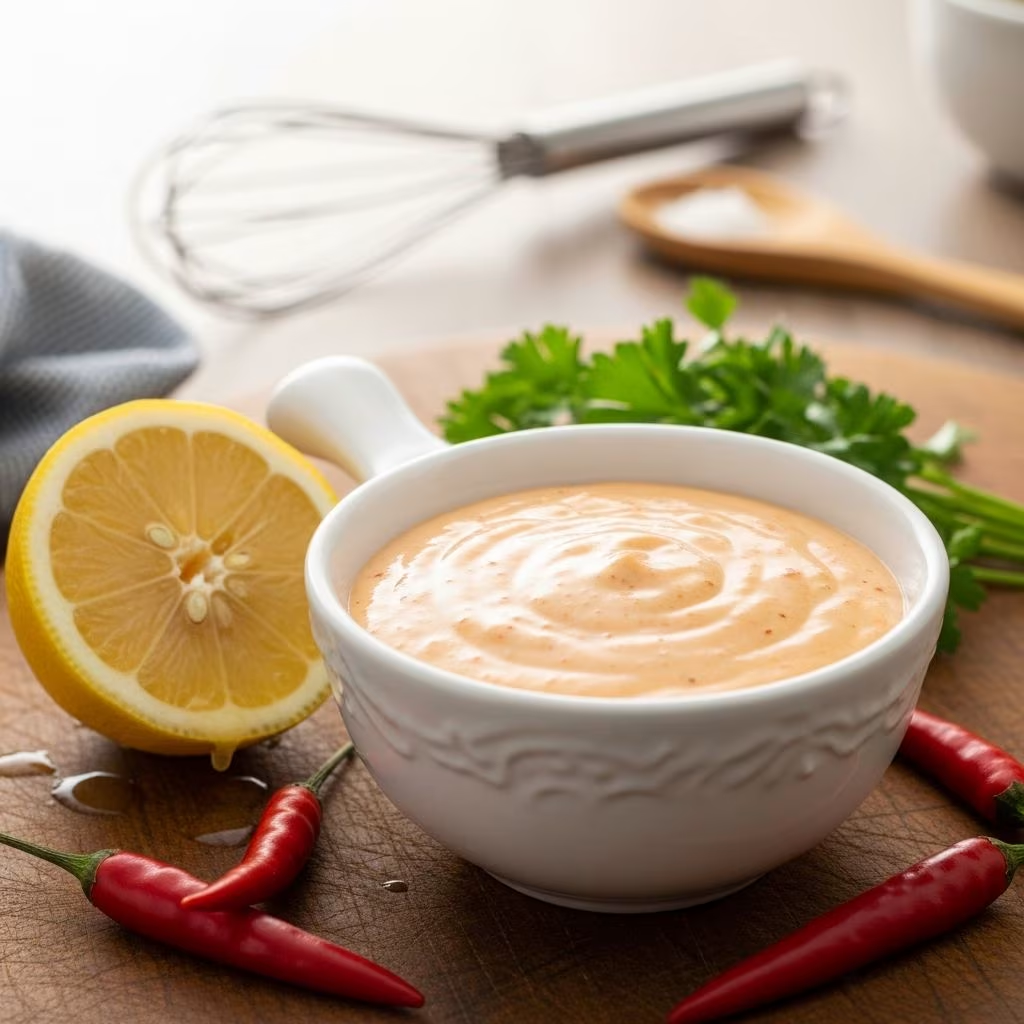
The creamy, tangy sauce served at Japanese steakhouse restaurants has become a beloved condiment for home cooks everywhere. This versatile preparation bridges the gap between traditional Asian cooking and American comfort food preferences. While many assume this sauce originates in Japan, it actually represents an American culinary innovation inspired by Japanese dining traditions. Understanding its history, composition, and preparation techniques empowers home cooks to replicate restaurant-quality results without commercial additives or preservatives.
Understanding the Origin and Cultural Significance
This sauce emerged from the creative vision of Terry Ho, a Taiwanese immigrant and restaurateur who recognized a gap in the American dining experience. Ho developed this distinctive condiment specifically for his restaurant patrons who were enjoying hibachi-style meals. The sauce’s popularity grew exponentially within his establishment, prompting Ho to capitalize on the opportunity by bottling his creation commercially. By 2012, major grocery retailers including Piggly Wiggly began stocking commercially produced versions, making the sauce accessible to home cooks nationwide.
The sauce occupies a unique position in American culinary culture as a bridge between Asian dining traditions and American flavor preferences. Despite its strong association with Japanese steakhouse dining, culinary experts note that this condiment is distinctly American in origin rather than a traditional Japanese preparation. Its popularity in North American restaurants—particularly in the United States and Canada—demonstrates how immigrant chefs can reshape dining experiences and introduce entirely new flavor categories to mainstream audiences.
Essential Ingredients and Their Functions
Creating this sauce requires understanding how each component contributes to the final flavor profile. The ingredient list appears deceptively simple, yet the specific ratios and quality of each component determine whether your homemade version rivals restaurant versions or falls short.
The Foundation: Mayonnaise
Mayonnaise serves as the structural backbone of this sauce, providing the creamy base that carries all other flavors. The emulsion of egg yolks and oil creates the characteristic smooth texture that makes this condiment so appealing. Many experienced home cooks recommend using premium mayonnaise brands or Japanese Kewpie mayonnaise, which features a richer flavor profile and smoother consistency than standard varieties. The higher egg yolk content in Kewpie creates a more luxurious mouthfeel that closely replicates authentic restaurant versions.
Flavor Balance: Acidic and Sweet Components
Rice vinegar provides the acidic component necessary to prevent the sauce from becoming one-dimensional. This Asian vinegar offers a milder, slightly sweet quality compared to distilled white vinegar, making it preferable for this application. The acidity cuts through the richness of the mayonnaise while enhancing overall flavor complexity. Complementing the vinegar, granulated sugar and sometimes mirin (a Japanese rice wine) balance the acidity while introducing subtle sweetness that rounds out the flavor profile.
Color and Umami: Supporting Players
Ketchup contributes both visual appeal and sweet-savory notes that home cooks associate with this sauce. The tomato base adds a characteristic pink hue while introducing subtle fruity sweetness and umami depth. Some recipes advocate for tomato paste instead, which provides deeper flavor without the added sweetness found in conventional ketchup. Paprika adds additional color complexity while contributing a gentle spice element that enhances rather than overwhelms the palate.
Aromatic Depth: Garlic and Onion
Powdered garlic and onion amplify savory dimensions without introducing texture inconsistencies. These dried aromatics distribute evenly throughout the sauce, ensuring consistent flavor in every spoonful. The umami contribution from these components creates a more complete sensory experience than mayonnaise and ketchup alone could provide.
Texture Enhancement: Butter
Some recipes include melted butter, which adds a silky quality to the sauce’s mouthfeel. The butter contributes subtle richness without overwhelming other flavors. This ingredient remains optional, as some home cooks find it unnecessary while others consider it essential for achieving authentic restaurant texture.
Ingredient Comparison Table
| Ingredient | Standard Amount (1-cup base) | Function | Substitution Options |
|---|---|---|---|
| Mayonnaise | 1 cup | Creamy base and emulsifier | Kewpie mayo for richer flavor |
| Ketchup | 1-2 tablespoons | Color, sweetness, tomato flavor | Tomato paste for deeper flavor |
| Rice Vinegar | 1-2 teaspoons | Tangy acidity and brightness | Apple cider vinegar (stronger flavor) |
| Sugar | 1 tablespoon | Sweetness and acidity balance | Mirin for Asian complexity |
| Garlic Powder | 1/2-1 teaspoon | Umami and savory depth | Fresh minced garlic (adjust texture) |
| Paprika | 1/4-1/2 teaspoon | Color and mild spice | Smoked paprika for depth |
| Water | As needed | Consistency adjustment | Oil or additional mayo |
Step-by-Step Preparation Method
Combining Ingredients
Begin by adding all dry ingredients and liquids to either a small food processor or mixing bowl. If using a food processor, this method ensures thorough incorporation and creates a smoother, more homogeneous sauce. The mechanical action of blending distributes flavor components evenly and helps create a more refined texture. However, whisking by hand with a bowl works perfectly well for those without food processing equipment or preferring hands-on control over the process.
Achieving Proper Consistency
Add water gradually while stirring or processing to reach your desired thickness. Some home cooks prefer a thicker sauce for dipping, while others want a thinner consistency for drizzling. Begin with a tablespoon of water and adjust upward incrementally. Remember that the sauce thickens as it chills, so aim for slightly thinner consistency at room temperature to account for this change.
Flavor Development Phase
Transfer your prepared sauce into an airtight container and refrigerate for at least two to three hours, preferably overnight. This resting period allows flavor components to meld and creates a more sophisticated, well-rounded taste. The cold temperature also helps the sauce achieve its characteristic thickness and smooth texture. Rushing this step results in a sauce that tastes disjointed, with individual ingredient flavors remaining distinct rather than harmonious.
Customization Strategies for Personal Preferences
Heat Level Adjustments
While traditional recipes maintain a mild flavor profile, many home cooks enjoy adding heat. Sriracha, cayenne pepper, or dried red pepper flakes can be incorporated based on personal spice tolerance. Adding these elements during the initial mixing allows their flavors to integrate with other components. Start conservatively—add a small amount, taste, and increase gradually until reaching your preferred heat level.
Sweetness Modulation
If you prefer a less sweet sauce, reduce the sugar or mirin proportions. Conversely, if you enjoy sweeter condiments, increase these components slightly. Remember that ketchup contributes sweetness independently, so adjust total sugar proportions accordingly.
Smoky Flavor Enhancement
Substituting smoked paprika for regular paprika introduces subtle smokiness that complements grilled meats particularly well. This modification requires no additional steps—simply swap one ingredient for another in equal proportions.
Versatile Applications Beyond Hibachi
Protein Accompaniments
This sauce pairs exceptionally well with grilled steak, providing a creamy counterpoint to charred, savory meat. Shrimp dishes benefit from its tangy brightness, which cuts through the crustacean’s richness. Chicken—whether grilled, baked, or fried—becomes more interesting when accompanied by this condiment. Fish and other seafood preparations gain dimension from the sauce’s balanced acidity and umami undertones.
Vegetable and Grain Integration
Fried rice transforms when dolloped with this sauce, adding creamy richness without overwhelming the dish’s inherent flavors. Grilled vegetables become more sophisticated when served alongside this condiment. Rice dishes, noodle preparations, and other grain-based meals all benefit from the sauce’s versatile flavor profile.
Casual Application Ideas
French fries and burger accompaniments represent classic applications where this sauce shines. The sauce provides a premium alternative to standard ketchup or mayonnaise options. Fried appetizers including calamari, shrimp, and vegetable tempura become restaurant-quality when paired with this condiment.
Storage and Shelf Life Considerations
Store your homemade sauce in an airtight container within the refrigerator for up to one week. The mayonnaise-based formula means this sauce should not remain at room temperature for extended periods. Always use clean utensils when removing sauce from the storage container to prevent contamination and extend shelf life. If you notice any discoloration, off-odors, or unusual texture changes, discard the sauce immediately.
Frequently Asked Questions
Can I use regular mayo instead of Kewpie?
Yes, standard mayonnaise works perfectly well, though Kewpie varieties produce sauce that more closely resembles authentic restaurant versions due to their higher egg yolk content and richer flavor profile.
Is this sauce gluten-free?
Most recipes are naturally gluten-free if you use gluten-free ketchup and verify that all other ingredients lack hidden gluten sources. Always check individual product labels, as manufacturers vary in their formulations and production practices.
Can I make this sauce without a food processor?
Absolutely. Whisking ingredients by hand with a bowl produces equally satisfactory results. The process takes slightly longer, but requires no special equipment.
What causes my sauce to separate or become watery?
Separation typically occurs from improper ingredient ratios or inadequate mixing. Ensure mayonnaise comprises the bulk of your sauce and that you mix thoroughly until completely smooth and emulsified.
How long should the sauce chill before serving?
Minimum two to three hours allows adequate flavor development, though overnight refrigeration produces the most refined results. You can serve immediately in emergencies, though the taste will be less harmonious.
Conclusion: Elevating Home Cooking
Creating this iconic condiment at home provides superior results compared to commercial alternatives while offering complete control over ingredient quality and flavor profile. Understanding each component’s purpose and the importance of proper preparation technique ensures success. Whether you’re planning a themed hibachi dinner or simply seeking a versatile condiment for everyday meals, mastering this sauce adds valuable skills to your culinary repertoire. The simplicity belies the sophistication of the final product—a testament to how thoughtful ingredient selection and careful technique transform humble components into something genuinely special.
References
- Yum Yum Sauce Recipe — The Woks of Life. https://thewoksoflife.com/yum-yum-sauce/
- Homemade Yum Yum Sauce Recipe (Japanese Steakhouse Style) — Savory Experiments. https://www.savoryexperiments.com/yum-yum-sauce/
- Yum Yum Sauce — The Daring Gourmet. https://www.daringgourmet.com/yum-yum-sauce/
- Yum Yum Sauce — The Salty Marshmallow. https://thesaltymarshmallow.com/yum-yum-sauce/
- Homemade Yum Yum Sauce Recipe (Hibachi Sauce) — Southern Bytes. https://southern-bytes.com/homemade-yum-yum-sauce-recipe-hibachi-sauce/
- Six Delicious Yum Yum Sauce Uses — PepperScale. https://pepperscale.com/yum-yum-sauce-uses/