Creating your own chili seasoning mix at home transforms the way you approach cooking flavorful chili dishes. Rather than relying on pre-packaged seasoning packets that often contain additives, preservatives, and ingredients you cannot pronounce, crafting a personalized blend gives you complete control over flavor intensity, heat level, and ingredient quality. Whether you are a home cook looking to enhance weeknight dinners or someone passionate about experimenting with spice combinations, understanding the fundamentals of chili seasoning empowers you to develop signature blends that suit your palate perfectly.
Why Homemade Seasoning Makes a Difference
Commercial chili seasoning packets often contain fillers, anti-caking agents, and preservatives that can affect both the taste and nutritional profile of your dishes. When you prepare your own blend, you eliminate these unnecessary components entirely. The result is a cleaner, fresher taste that allows the natural flavors of quality spices to shine through. Additionally, homemade blends prove more economical in the long run, especially if you cook frequently. Buying individual spices in bulk and combining them yourself typically costs significantly less per ounce than purchasing multiple seasoning packets.
Homemade versions also offer superior freshness since you control the preparation date. Store-bought packets may have sat on shelves for months, allowing volatile aromatic compounds in spices to deteriorate. Creating your blend shortly before use ensures maximum potency and flavor complexity. Beyond practical considerations, making your own seasonings connects you more intimately with your cooking, transforming the process from simply following instructions to actively participating in culinary creation.
Essential Spices That Form the Foundation
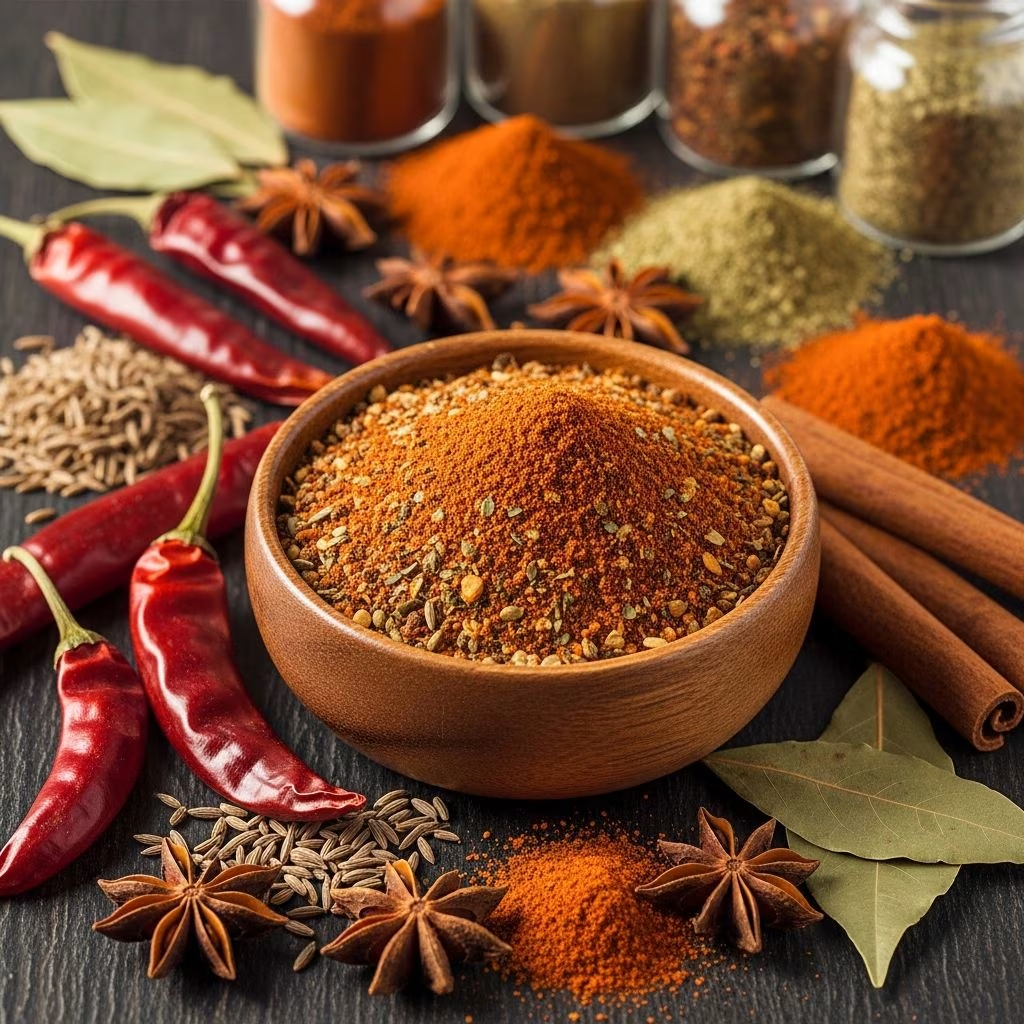
Every quality chili seasoning blend begins with a core set of foundational spices that define the characteristic taste and aroma. Understanding each component and its role helps you make informed decisions when adjusting recipes to match your preferences.
Chili Powder: The Backbone of Your Blend
Chili powder serves as the primary ingredient in any chili seasoning mix. This is ground dried chili peppers, distinct from pure chile powder, which contains only pulverized peppers. Quality chili powder delivers both color and depth, creating the rich, complex base that distinguishes chili from other spiced dishes. Most effective blends use chili powder as their largest component by volume. The type of chili pepper used in your powder—whether ancho, cayenne, or a blend—influences the final flavor profile, so experimenting with different brands reveals how subtle variations significantly impact results.
Cumin: Adding Warmth and Earthiness
Ground cumin appears in virtually every credible chili seasoning formula. This spice contributes warmth and distinctive earthiness that makes chili taste authentic and complex. Cumin’s toasted, slightly nutty character prevents chili from tasting one-dimensional. Using whole cumin seeds and grinding them yourself produces fresher results than pre-ground cumin, though quality pre-ground versions work well when stored properly in airtight containers away from heat and light.
Paprika: Contributing Color and Subtle Sweetness
Paprika appears frequently in chili seasoning blends, adding both visual appeal and flavor nuance. Sweet paprika provides gentle sweetness that balances heat from spicier components, while smoked paprika introduces subtle barbecue-like depth. The choice between these varieties allows you to customize your blend’s complexity. Some recipes use both varieties to achieve layered flavor, while others select one based on desired intensity.
Secondary Spices That Define Character
Beyond the foundational trio of chili powder, cumin, and paprika, secondary spices distinguish exceptional blends from basic ones. These complementary flavors work synergistically to create depth and sophistication.
Garlic and Onion Powders: Aromatic Building Blocks
Garlic and onion powders appear consistently across successful chili seasoning formulas. These dehydrated aromatics provide concentrated savory notes that enhance the overall profile without requiring fresh ingredients that might affect storage stability. Ensure you purchase true garlic powder rather than garlic salt, which contains added sodium. Similarly, onion powder should be pure ground dehydrated onions without salt or other additions.
Oregano: The Unsung Traditional Element
Oregano often gets overlooked despite playing an important role in authentic chili seasoning. This Mediterranean herb adds subtle floral and peppery notes that round out the blend. Dried oregano works best for seasoning mixes due to its concentrated flavor and excellent storage characteristics. Using fresh oregano would introduce moisture that compromises shelf stability, making dried the practical choice for pre-mixed blends.
Heat Elements: Controlling Spice Intensity
Multiple options exist for adding heat to your chili seasoning blend. Cayenne pepper provides sharp, direct heat, while red pepper flakes offer visible texture and slightly different heat characteristics. Some recipes incorporate ancho chili powder as a secondary chili component, which adds depth alongside heat. Starting with smaller quantities of heat-producing spices allows you to taste and adjust before finalizing your blend, since removing excess heat requires starting over.
Optional Ingredients That Elevate Your Blend
While core spices form the essential structure, innovative additions can transform your blend into something truly special. These optional components work best when used thoughtfully rather than thrown in indiscriminately.
Cocoa Powder: An Unexpected Secret Weapon
Adding small amounts of unsweetened cocoa powder creates subtle richness that deepens the overall flavor experience. The cocoa doesn’t produce a chocolate taste; rather, it adds background complexity that makes people wonder what makes your chili taste so remarkably good. This technique appears in professional chili competition recipes, suggesting its effectiveness among serious practitioners.
Cinnamon: Warmth Beyond Heat
A pinch of ground cinnamon introduces warmth and slight sweetness that complements the other spices. This ingredient works particularly well in chili seasoning intended for beef-based preparations. The key involves restraint—cinnamon’s powerful flavor requires careful measurement to avoid overwhelming the blend.
Coriander: Adding Subtle Citrus Notes
Ground coriander appears in some competition-level chili seasoning blends, contributing light citrus undertones that add complexity without obvious presence. This ingredient appeals to those seeking sophisticated flavor layers rather than straightforward heat and savory notes.
Building Your Custom Formula
Creating a successful chili seasoning blend involves understanding proportions and how different spices interact. Rather than treating recipes as rigid instructions, view them as starting points for developing your signature blend.
Starting with a Basic Foundation
Begin by combining 3 tablespoons chili powder, 1 tablespoon ground cumin, 1 tablespoon paprika, 1 teaspoon garlic powder, and 1 teaspoon onion powder. This straightforward formula creates a competent chili seasoning that works effectively for most applications. Mix these components thoroughly in a small bowl, ensuring even distribution so no single ingredient dominates the blend. Taste a small amount to evaluate the balance before adjusting.
Adjusting for Personal Preference
Once you have created a basic blend, adjust components based on your preferences. If you prefer earthier flavor, increase cumin slightly. For more pronounced sweetness, add additional paprika. Those seeking greater heat can incorporate more cayenne pepper. Making incremental adjustments—typically one-quarter teaspoon at a time—prevents overcorrecting, which often requires discarding the batch and starting fresh.
Scaling for Bulk Preparation
Creating larger batches for extended storage involves multiplying ingredient quantities proportionally. A recipe producing one-quarter cup can scale to one-half cup or larger by doubling or tripling all components equally. Ensure your storage container has adequate space, allowing ingredients to move and combine thoroughly when you shake the jar before each use.
Storage and Shelf Life Considerations
Proper storage preserves your homemade chili seasoning’s flavor and potency for extended periods. Unlike fresh ingredients, dried spices remain stable for surprisingly long durations when protected from degrading factors.
Choosing Appropriate Containers
Glass jars with airtight seals provide ideal storage containers for chili seasoning blends. Mason jars or similar containers protect spices from exposure to air and humidity. Avoid plastic containers that may absorb spice oils or allow flavors to permeate the material. Ensure your container is sufficiently large that ingredients can move around when shaking, which helps maintain even distribution.
Optimal Storage Environment
Store your chili seasoning in a cool, dark cabinet away from heat sources and direct sunlight. The pantry typically provides ideal conditions, while cabinets near stoves or in warm kitchens cause premature deterioration. Consistent temperature and low humidity extend shelf life significantly compared to fluctuating conditions.
Longevity and Freshness
Properly stored homemade chili seasoning maintains its potency for up to six months. After this period, aromatic compounds gradually dissipate, reducing the blend’s effectiveness. Rather than discarding older blends, use slightly larger quantities to compensate for reduced intensity, or reserve them for applications where slight degradation matters less, such as marinades or dry rubs for slower-cooking preparations.
Practical Applications Beyond Basic Chili
While designed for chili preparation, homemade seasoning blends serve numerous culinary purposes, expanding their value beyond single-use applications.
Taco and Seasoned Meat Seasoning
Use your chili seasoning blend for seasoning ground meat in tacos, providing consistent flavor without commercial taco seasoning packets. The blend works particularly well for slow-cooked preparations where spices have time to fully develop and permeate the protein.
Vegetable Preparations
Dust roasted vegetables with chili seasoning to add complexity and depth. Roasted potatoes, cauliflower, and root vegetables benefit from the warm spice profile. This application demonstrates how versatile these blends become beyond their traditional chili preparation purpose.
Soups and Stews
Any soup or stew benefiting from savory, warm spices welcomes chili seasoning addition. Use approximately 2 tablespoons per pound of meat as a general guideline, adjusting based on recipe volume and desired intensity.
Comparing Popular Formulas and Variations
| Formula Type | Key Characteristics | Best For |
|---|---|---|
| Basic Blend | Chili powder, cumin, paprika, garlic, onion powders; 6-7 ingredients | Weeknight dinners; beginner cooks |
| Competition Style | Multiple chili varieties, coriander, cocoa, precise measurements | Serious chili enthusiasts; award-winning results |
| Heat-Forward Blend | Extra cayenne, red pepper flakes, ancho chili powder | Heat-seekers; bold flavor preferences |
| Mild Version | Reduced cayenne/heat elements; paprika-forward | Families with diverse spice tolerances; sensitive palates |
| Bulk Formula | Scaled-up proportions; simplified ingredient list | Regular chili makers; meal prep enthusiasts |
Frequently Asked Questions
What distinguishes chili powder from pure chile powder?
Chili powder is a prepared spice blend containing ground dried chili peppers along with other seasonings, while pure chile powder contains only ground peppers. For chili seasoning recipes, always use chili powder rather than pure chile powder, as the former already contains complementary spice components.
Can I substitute fresh spices for dried ones in my blend?
Fresh spices introduce moisture that compromises shelf stability and creates clumping in stored blends. For pre-mixed seasonings intended for storage, always use dried spices. Fresh ingredients work better when added directly to your cooking process rather than incorporated into shelf-stable mixes.
How much homemade chili seasoning should I use when cooking?
Most recipes call for approximately 2 tablespoons of homemade chili seasoning per pound of ground meat. Adjust based on personal heat tolerance and desired intensity, tasting as you cook and adding more if needed.
What should I do if my blend tastes too salty?
If you find your blend overly salty, you cannot remove salt easily. For future batches, reduce salt content or omit it entirely if preferred, since salt can always be added during cooking. Some cooks prefer omitting salt from pre-mixed blends, adding it during preparation based on other ingredients’ sodium content.
Can I reduce the heat in an already-made blend?
Unfortunately, you cannot easily reduce heat in a finished blend without diluting it with other ingredients, which changes proportions. If your blend proves too spicy, mix it with non-spicy chili powder or paprika to dilute the heat, or use smaller quantities when cooking and supplement with milder ingredients.
Do different chili powder brands produce notably different results?
Yes, chili powder varies significantly among brands depending on the pepper varieties used, processing methods, and ingredient additions. Experimenting with different brands helps identify which flavor profiles you prefer, allowing you to customize blends accordingly.
Conclusion: Taking Control of Your Culinary Creations
Mastering homemade chili seasoning transforms your approach to cooking, eliminating reliance on commercial products while allowing complete customization to match your preferences. Whether you prefer traditional blends emphasizing warmth and earthiness or prefer innovative additions like cocoa and cinnamon, the foundational knowledge provided here enables confident blend creation. Start with basic formulas, gradually experiment with adjustments, and develop signature seasonings that define your cooking style. The investment of time in creating your blend pays dividends through superior flavor, cost savings, and the satisfaction of crafting quality ingredients from scratch. As you gain experience and confidence, you will discover that the most successful chili seasoning reflects your unique palate rather than someone else’s formula.
References
- Championship Chili Seasoning Blend — Bones & Brews BBQ. Retrieved April 2026. https://www.youtube.com/watch?v=SLHv-DIkfGQ
- Homemade Chili Seasoning Recipe From Scratch — LeelaLicious. https://leelalicious.com/homemade-chili-seasoning-recipe/
- Chili Seasoning Recipe — Maple Jubilee. https://maplejubilee.com/chili-seasoning-recipe/
- The Best Homemade Chili Seasoning Recipe (Award-Winning) — A Mindful Mom. https://amindfullmom.com/diy-chili-seasoning/
- How To: Make Homemade Chili Seasoning — Taste As You Go. 2014. https://www.tasteasyougo.com/2014/02/how-to-make-homemade-chili-seasoning-recipe.html
- Homemade Chili Seasoning Mix — Keeping It Simple Blog. https://www.keepingitsimpleblog.com/food/homemade-chili-seasoning-mix/
- Chili Seasoning Recipe — Rachel Cooks. https://www.rachelcooks.com/chili-seasoning-recipe/